

Landhuis Habaai, Piscadera Travel Guide
Discover Curaçao's colonial past at Landhuis Habaai, a beautifully restored plantation house showcasing local art and culture in a historic setting near Willemstad.
Landhuis Habaai, a beautifully preserved former plantation house in Willemstad, Curaçao, offers a captivating glimpse into the island's rich colonial history and architectural heritage. Dating back to the mid-18th century, this elegant estate, originally known as Plantation Welgelegen, showcases a unique blend of Dutch and Caribbean influences. Today, Landhuis Habaai serves as a vibrant cultural center, housing Gallery Alma Blou, which features an impressive collection of local and Caribbean art. Visitors can explore the grounds, admire the building's striking facade, and immerse themselves in the tranquil atmosphere, making it a must-see destination for history buffs, art enthusiasts, and anyone seeking a deeper connection to Curaçao's past. The landhuis also hosts cultural events, offering visitors a chance to experience traditional music, dance, and art.
A brief summary to Landhuis Habaai
- 4 Frater Radulphusweg, Willemstad, CW
- Click to display

Know before you go
Hi, I'm Eve. Here are a few practical things to know before exploring Landhuis Habaai.
- Visit during the morning for a quieter experience and better lighting for photography.
- Check local event listings for exhibitions or cultural events taking place at Landhuis Habaai to enhance your visit.
- Explore the gardens surrounding the building for a complete experience and to appreciate the tranquil atmosphere.
Do you manage this location?
Take control to get all the benefits, like improved information, better appearance, and stronger visibility across AI-powered discovery. Learn more about listing your business on Evendo
Activate your presenceOther nearby places you may find interesting
The closest places of the same kind, if this one is not quite what you had in mind.
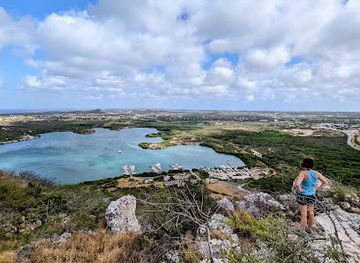
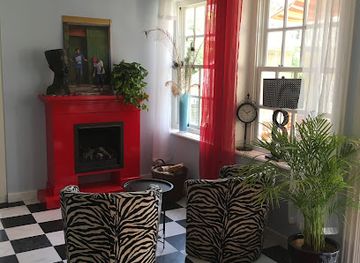
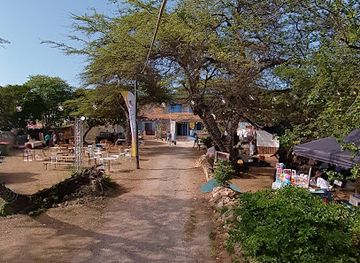
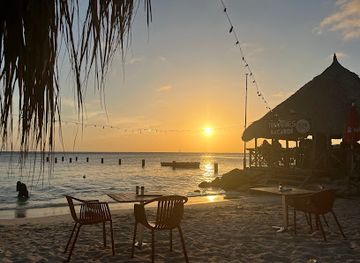
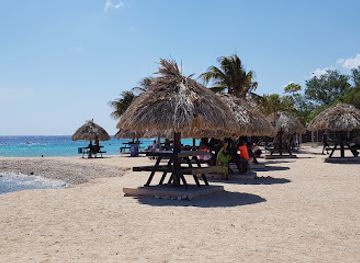
Explore Landhuis Habaai on the Map
A handpicked selection of must-see spots near Landhuis Habaai, mapped for you.
Getting There
-
Public Transport
From Willemstad's main bus terminals (Punda or Otrobanda), take a bus heading towards the Schottegatweg area. Check with the driver to ensure the bus passes near Frater Radulphusweg. The ride takes approximately 15-20 minutes. Get off at the nearest stop to Frater Radulphusweg. From there, it's a short walk (about 5 minutes) east on Frater Radulphusweg to Landhuis Habaai at number 4. Bus fare is around ANG 1.50 - ANG 2.50.
-
Taxi/Ride-Share
Taxis are readily available in Willemstad. A taxi ride from the city center to Landhuis Habaai will take approximately 10-15 minutes, depending on traffic. Expect to pay around ANG 25 - ANG 35. Confirm the fare with the driver before starting your journey. Ride-sharing services may also be available, but their availability can vary.
-
Driving
From the center of Willemstad, head towards Schottegatweg. Follow Schottegatweg and turn onto Frater Radulphusweg. Landhuis Habaai will be on your left at number 4. Limited street parking is available. Be mindful of local parking regulations.
Discover more about Landhuis Habaai













Your all‑in‑one travel companion app
Explore expert travel guides, compare and book tours, experiences, hotels, and more—all from the palm of your hand. Download now for seamless trip planning wherever your wanderlust takes you.


Explore More of Piscadera
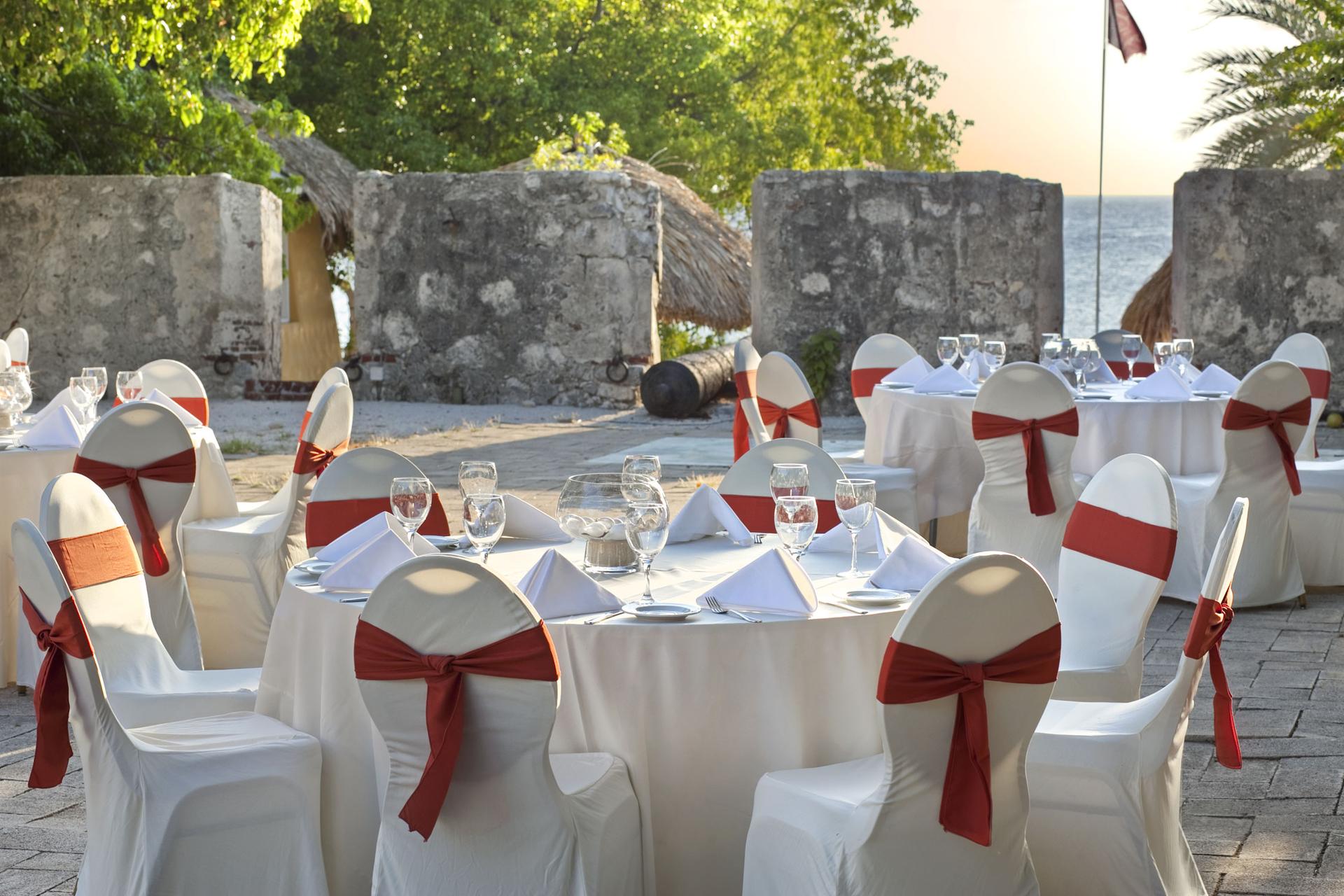
Looking beyond Landhuis Habaai? Discover Piscadera for broader travel guides, local hot-spots, and regional highlights.
Explore Piscadera
Explore the captivating street art of 'Artwork over the Alley' in Willemstad, Curaçao, where culture and creativity come alive in vibrant murals.
Explore Seru di Domi Summit Viewpoint for stunning panoramic views of Willemstad and the breathtaking Caribbean coastline.
