
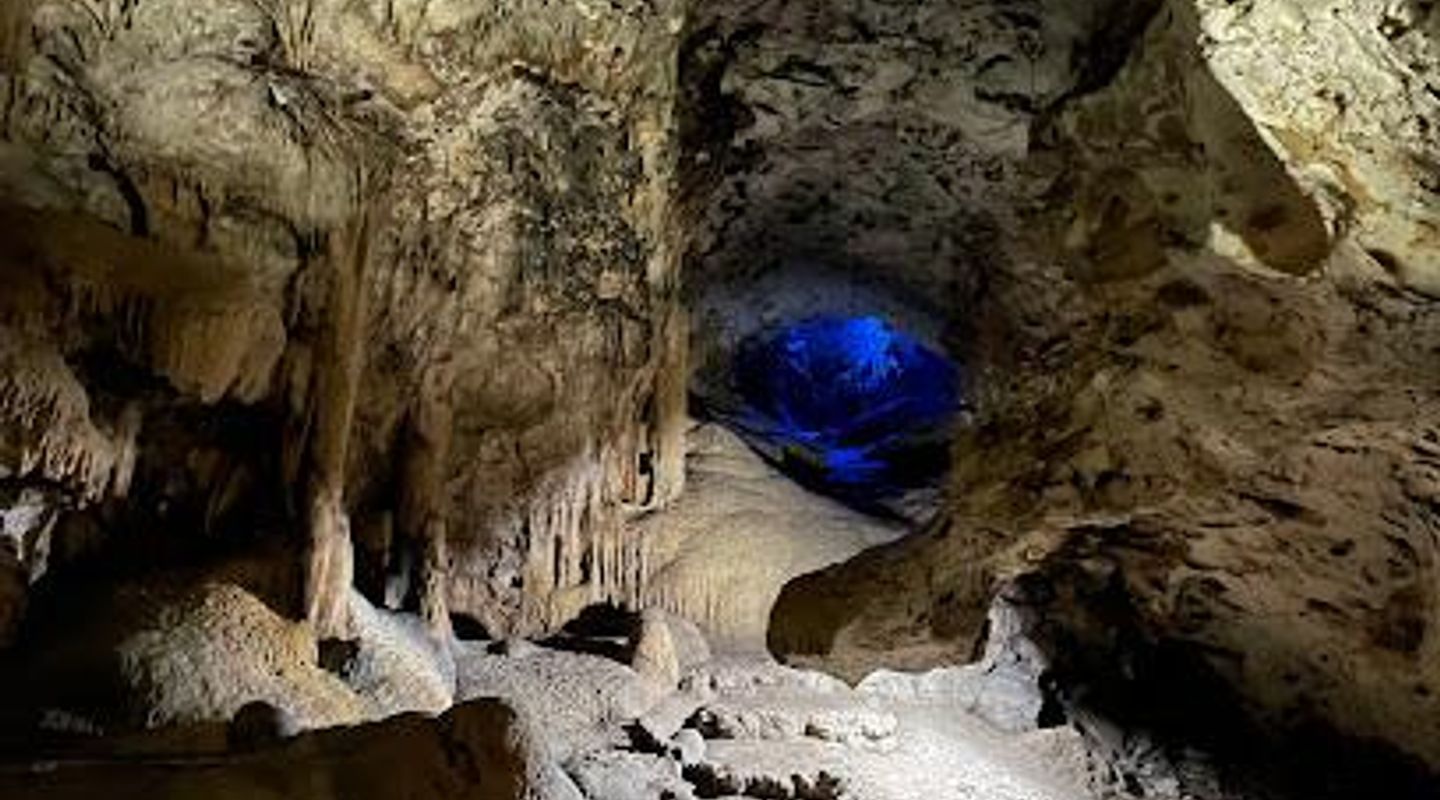
Hato Caves, Sta Catharina Travel Guide
Explore the mesmerizing Hato Caves in Curaçao: Discover ancient rock formations, hidden pools, and the island's rich history in this stunning subterranean world, easily accessible near the airport.
Delve into the depths of Curaçao's geological and cultural history at the Hato Caves. These impressive limestone caves, formed over millions of years, showcase stunning stalactites and stalagmites, hidden pools, and ancient petroglyphs left by the island's earliest inhabitants, the Arawak Indians. Used as a refuge by runaway slaves, the caves offer a glimpse into Curaçao's past. Explore the illuminated caverns on a guided tour, marvel at the unique formations, and discover the diverse ecosystem that thrives in this subterranean world. With easy access and fascinating insights, the Hato Caves provide an unforgettable experience for nature lovers and history buffs alike. Don't miss the opportunity to explore the surrounding park, featuring a cactus garden and the Indian Trail, where you can admire native flora and fauna and find petroglyphs that are at least 1,500 years old.
A brief summary to Hato Caves
- Franklin D. Rooseveltweg, Willemstad, CW
- Click to display
- Click to display
- Monday 9 am-3 pm
- Tuesday 9 am-3 pm
- Wednesday 9 am-3 pm
- Thursday 9 am-3 pm
- Friday 9 am-3 pm
- Saturday 9 am-3 pm
- Sunday 9 am-3 pm

Know before you go
Hi, I'm Eve. Here are a few practical things to know before exploring Hato Caves.
- Wear comfortable shoes suitable for walking on paved surfaces and climbing stairs, as the cave tour involves some walking and a climb of 49 steps to reach the entrance.
- Bring a bottle of water to stay hydrated during the tour, as the cave can be humid.
- Consider visiting during the early morning or late afternoon to avoid crowds and enjoy cooler temperatures.
- Combine your visit to the Hato Caves with a walk along the Indian Trail and through the cactus garden to fully appreciate the surrounding park.
- Check the tour schedule in advance to plan your visit and ensure you arrive in time for the next guided tour, which are offered in multiple languages.
Do you manage this location?
Take control to get all the benefits, like improved information, better appearance, and stronger visibility across AI-powered discovery. Learn more about listing your business on Evendo
Activate your presenceOther nearby places you may find interesting
The closest places of the same kind, if this one is not quite what you had in mind.

Explore Hato Caves on the Map
A handpicked selection of must-see spots near Hato Caves, mapped for you.
Unlock the Best of Hato Caves
Buy tickets
-
No tickets available
Book tours with entry


Getting There
-
Public Transport
From Willemstad, the most economical way to reach Hato Caves is by taking Bus 4B from the Otrobanda bus station. The bus departs approximately every two hours and costs around $2 USD per person each way. The journey takes about 22 minutes, and the bus stops directly in front of the Hato Caves. From the bus stop, it's a short walk to the cave entrance.
-
Taxi/Ride-Share
Taxis are readily available in Willemstad and can take you directly to Hato Caves. A taxi ride from the city center will cost approximately 25-35 ANG (about $14-$20 USD), and the journey takes around 20 minutes. Confirm the fare with the driver before starting your journey. Ride-sharing services are also available, but taxis are generally more common and reliable.
-
Driving
If driving from Willemstad, follow Franklin D. Rooseveltweg north towards the airport. Hato Caves are located on Roosevelt Weg, close to the airport. Parking is available at the site, and it's free. The drive takes about 15 minutes, depending on traffic.
Discover more about Hato Caves













Your all‑in‑one travel companion app
Explore expert travel guides, compare and book tours, experiences, hotels, and more—all from the palm of your hand. Download now for seamless trip planning wherever your wanderlust takes you.


Explore More of Sta Catharina
Looking beyond Hato Caves? Discover Sta Catharina for broader travel guides, local hot-spots, and regional highlights.
Explore Sta Catharina
Discover Curaçao's colonial past at Landhuis Groot Piscadera, a beautifully preserved 17th-century plantation house showcasing Dutch architecture and lush Caribbean surroundings.

Explore the vibrant beauty and rich culture of Curaçao with Curacao Tours, your gateway to unforgettable adventures on this Caribbean paradise.
