Manor Savonet Museum: A Journey Through Curaçao's History
Discover Curaçao's captivating past at Manor Savonet Museum, nestled in Christoffel National Park, where history, culture, and nature intertwine to create an unforgettable experience.
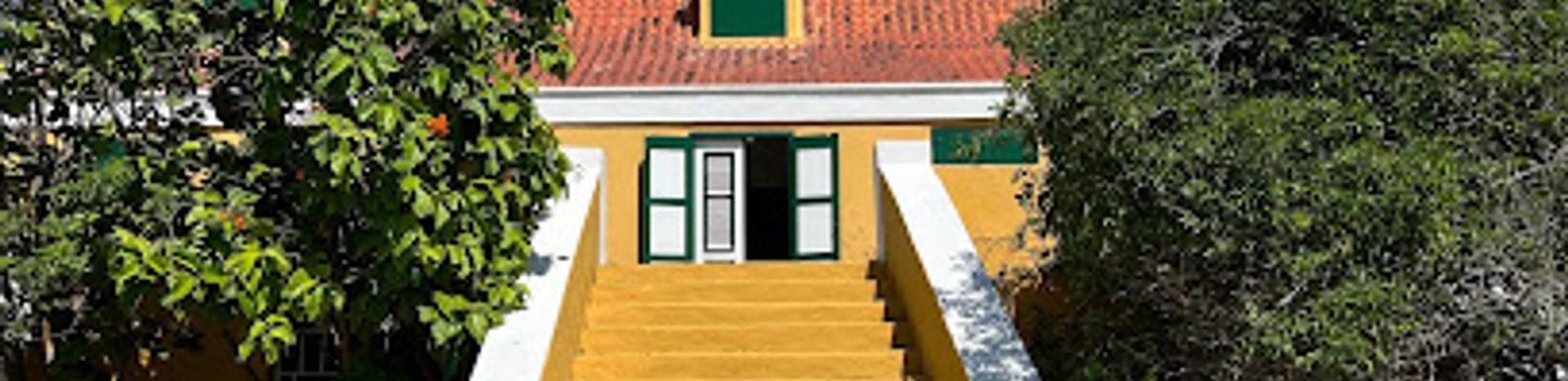
The Manor Savonet Museum, nestled within the Christoffel National Park, offers a captivating glimpse into Curaçao's rich history and cultural heritage. Housed in a meticulously restored 17th-century plantation house, the museum unveils the lives of the island's early inhabitants, from the Arawak Indians to the colonial era and beyond. Explore fascinating exhibits showcasing historical artifacts, archaeological finds, and personal stories that bring the past to life. Wander through the museum's grounds, surrounded by lush greenery and scenic views, and discover the unique blend of culture and nature that defines Curaçao. A visit here provides a deeper understanding of the island's complex history and the diverse influences that have shaped its identity, making it a must-see destination for any traveler seeking an enriching cultural experience. The museum's commitment to preserving Curaçao's heritage ensures an engaging and educational experience for visitors of all ages.
A brief summary to Manor Savonet Museum
- Plantation House Savonet, Weg Naar Westpunt, CW
- +59998640363
- Visit website
- Monday 6 am-2 pm
- Tuesday 6 am-2 pm
- Wednesday 6 am-2 pm
- Thursday 6 am-2 pm
- Friday 6 am-2 pm
- Saturday 6 am-2 pm
- Sunday 6 am-2 pm
Local tips
- Visit early in the morning to avoid crowds and enjoy a more intimate experience of the museum and its surroundings.
- Combine your visit with a hike in Christoffel National Park to fully appreciate the natural beauty and historical significance of the area.
- Check for any special exhibitions or events happening during your visit to enhance your experience.
- Consider taking a guided tour for in-depth insights into the exhibits and the history of the Savonet Plantation.
- Don't forget your camera; the plantation house and the surrounding landscape offer fantastic photo opportunities.

Getting There
-
Public Transport
To reach Manor Savonet Museum using public transportation from Willemstad, take bus 9A from the Otrobanda bus terminal towards Westpunt. The bus departs approximately every 3 hours. The journey takes about 1 hour and 30 minutes. Ask the driver to drop you off at Christoffel National Park. From the Christoffel National Park entrance, it's a short walk to the Savonet Museum. The bus fare is approximately 2 ANG (about $1.20 USD).
-
Driving
If driving from Willemstad, head west on Weg Naar Westpunt. Continue for approximately 40 minutes until you reach Christoffel National Park. The museum is located inside the park. Parking is available on-site. Note that there may be an entrance fee to Christoffel National Park, which also grants you access to the museum. The entrance fee for the park and museum is $15 USD for adults and $2 USD for children aged 6-12.
Discover more about Manor Savonet Museum
Unmissable attractions to see

Christoffel National Park
0.1 km
Discover the captivating beauty and rich biodiversity of Christoffel National Park, Curaçao's premier destination for nature lovers and adventurers.
Viewpoint North
1.4 km
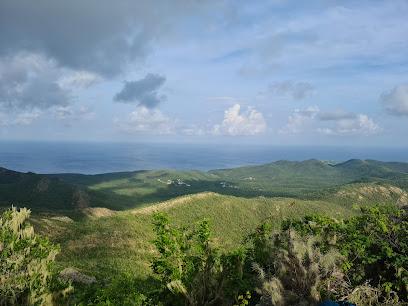
Discover stunning vistas and rich biodiversity at Viewpoint North, a must-visit scenic spot in Christoffel National Park, Curaçao.
Old coppermine
1.6 km
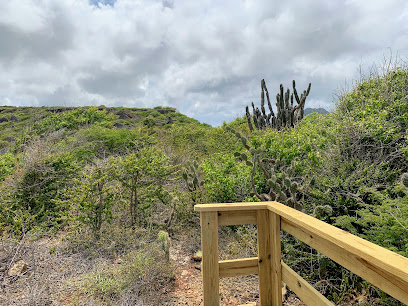
Explore the Old Coppermine in Jan Donker, Curaçao, where rich history meets stunning coastal views in a unique tourist attraction.
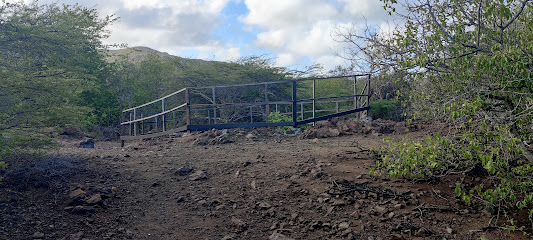
Boka Pistol
1.7 km
Explore Boka Pistol, a breathtaking tourist attraction in Curaçao featuring stunning landscapes, spectacular blowholes, and vibrant marine life.
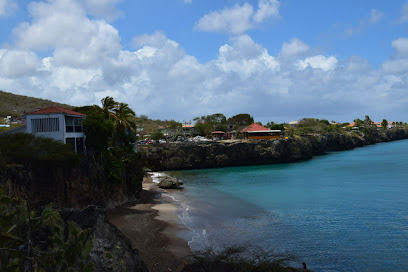
Boka Kalki
2.0 km
Discover Boka Kalki, Curaçao's serene coastal escape: crystal-clear waters, vibrant marine life, and dramatic cliffs await near Westpunt for an unforgettable snorkeling and beach experience.
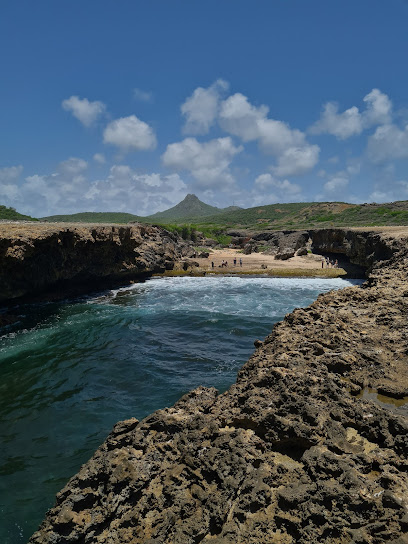
Shete Boka National Park
2.2 km
Discover the breathtaking landscapes and unique wildlife of Shete Boka National Park, a coastal gem in Curaçao perfect for nature lovers and adventure seekers.
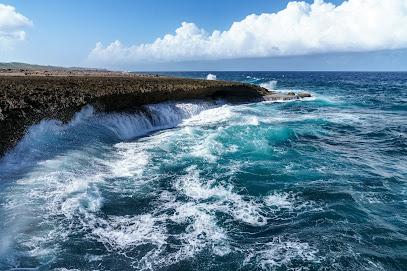
Playa Lagun-Strand
2.2 km
Experience the stunning beauty and tranquility of Playa Lagun-Strand, a tropical paradise in Curaçao perfect for sunbathing, snorkeling, and relaxation.
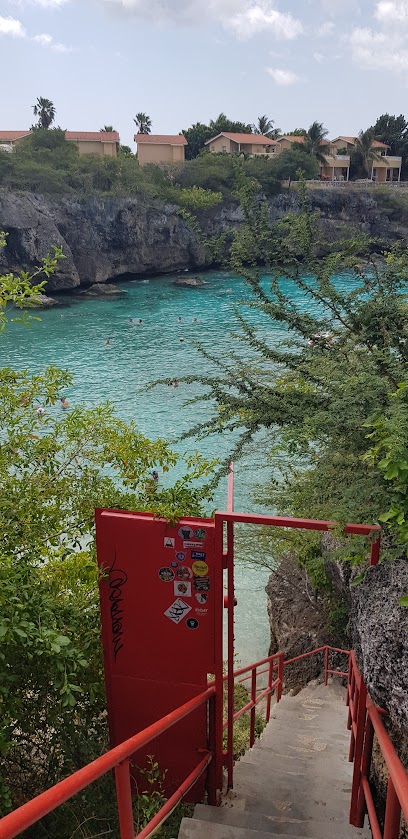
Boka Tabla
2.3 km
Discover the breathtaking coastal beauty of Boka Tabla in Curaçao's Shete Boka National Park, a must-visit destination for nature lovers.
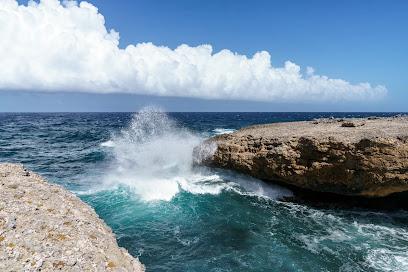
Underwater cavern
2.3 km
Discover the mesmerizing Underwater Cavern in Westpunt, Curaçao, a hidden gem of vibrant marine life and stunning geological formations perfect for snorkeling and diving.
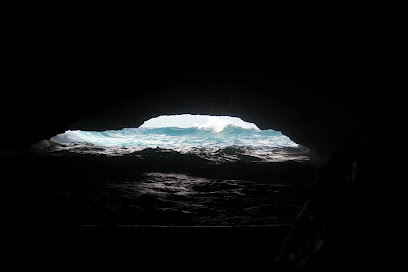
Viewpoint Plantation Knip
2.5 km
Experience panoramic views and stunning sunsets at Viewpoint Plantation Knip, a must-visit attraction in Curaçao's breathtaking landscapes.
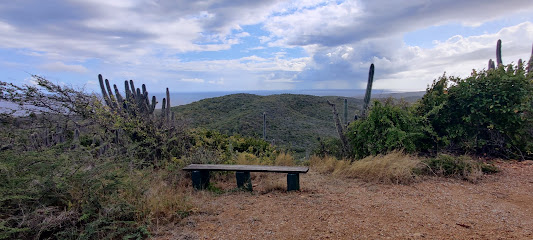
Viewpoint
2.7 km
Discover the breathtaking vistas of the Caribbean at the Viewpoint in Westpunt, Curaçao—a must-visit for nature lovers and photographers.
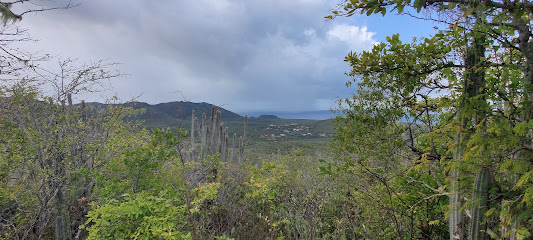
Viewpoint to North Coast
3.0 km
Discover the stunning vistas of the Caribbean Sea from the North Coast Viewpoint in Curaçao, a perfect spot for relaxation and photography.
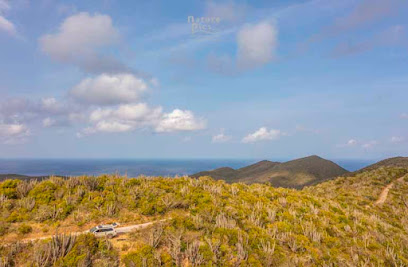
Boka Wand
3.0 km
Explore Boka Wand: A stunning natural attraction in Curaçao, perfect for adventure seekers and nature lovers alike, with breathtaking views and vibrant marine life.
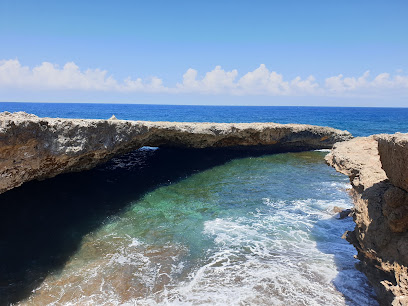
Natural bridge
3.1 km
Explore the Natural Bridge in Curaçao, a stunning coastal formation that showcases the island's breathtaking beauty and unique geological wonders.
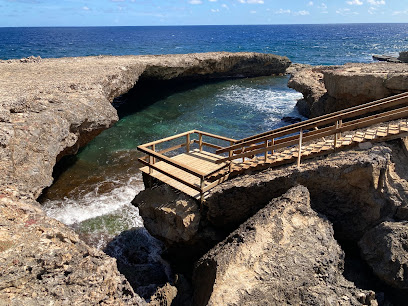
Plantation House Kenepa
4.0 km
Explore Curaçao's colonial past at Plantation House Kenepa, a beautifully restored 17th-century estate offering a poignant glimpse into the island's history and culture.
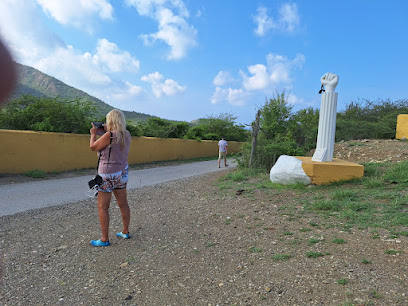
Essential places to dine

Isabelle Off The Beach
4.8 km
Experience authentic Caribbean cuisine at Isabelle Off The Beach in Sabana Westpunt, Curaçao—where every meal is a celebration of local flavors.
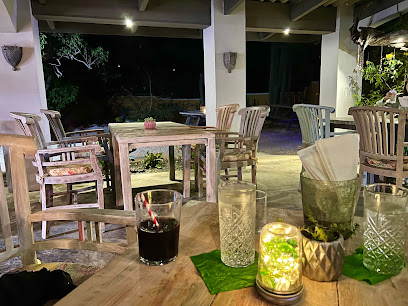
Immanuel Cafe
4.9 km
Discover the vibrant flavors of Caribbean cuisine at Immanuel Cafe in Curaçao – where every dish tells a story.
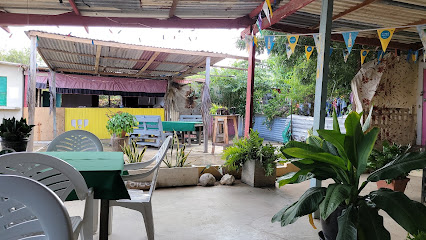
Kiosk Playa Kenepa
4.9 km
Experience authentic Caribbean flavors at Kiosk Playa Kenepa on beautiful Playa Abou Knip in Curaçao - where every meal is a seaside delight!
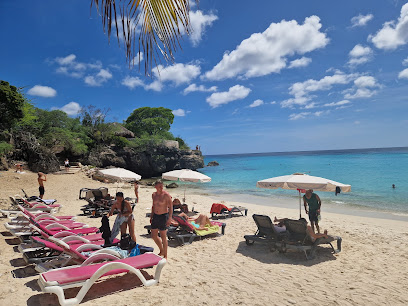
Tropical Fluffy Delights
5.0 km
Experience tropical sweetness at Tropical Fluffy Delights - indulge in fluffy pastries and refreshing beverages in the heart of Willemstad.
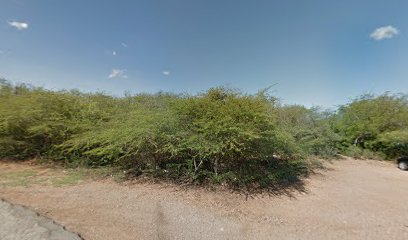
Shelterrock Paradise
5.1 km
Experience the best of Curaçao at Shelterrock Paradise - where exquisite cuisine meets lively entertainment.
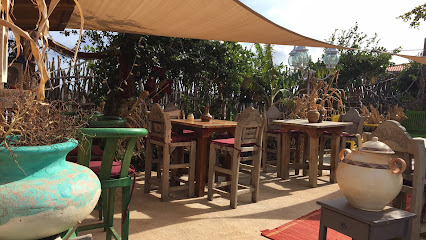
Jaanchie Restaurant
5.4 km
Discover authentic Curaçaoan cuisine at Jaanchie Restaurant in Sabana Westpunt – where every meal is a delightful cultural experience.
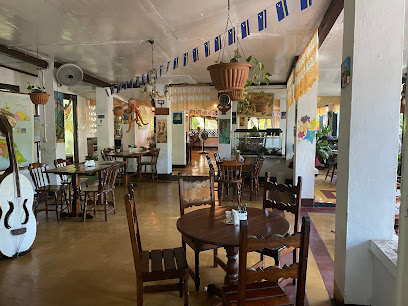
Blue View Sunset Terrace
5.5 km
Discover exquisite dining at Blue View Sunset Terrace with stunning sunset views and authentic local flavors in Curaçao.
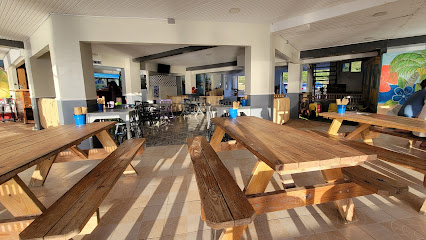
E Kunuku Bieu
5.5 km
Experience authentic Caribbean cuisine at E Kunuku Bieu in Willemstad – a culinary gem showcasing local flavors and vibrant culture.
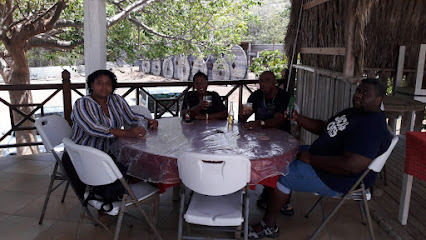
Cactus Cafe
5.5 km
Experience authentic Curaçaon cuisine at Cactus Cafe in Sabana Westpunt – where flavor meets stunning views.
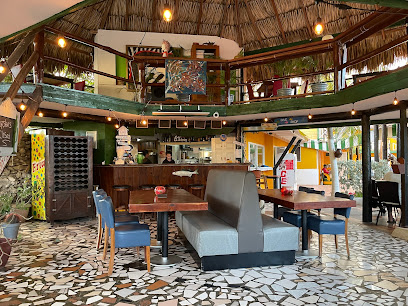
Restaurant Playa Forti
5.5 km
Experience authentic Caribbean flavors at Restaurant Playa Forti in Sabana Westpunt - where breathtaking views meet exquisite dining.
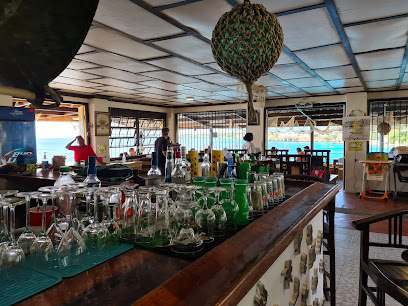
Sabor di Playa Westpunt
5.6 km
Discover authentic Caribbean cuisine at Sabor di Playa Westpunt - where breathtaking ocean views meet delightful local flavors.
Markets, malls and hidden boutiques

BARBER Curacao Sure Lottery
4.3 km
Explore local culture and vibrant souvenirs at BARBER Curacao Sure Lottery, your gateway to the heart of Curaçao's shopping experience.

Playa Knip Smoothies
5.0 km
Discover Playa Knip Smoothies, where tropical frozen treats meet the stunning beauty of Curaçao's beaches for an unforgettable experience.
PLAYA KENEPA
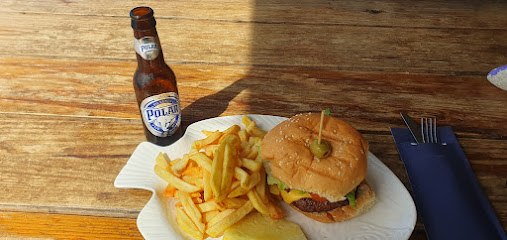
5.1 km
Explore the serene shores of Playa Kenepa in Curaçao, where stunning beaches meet vibrant marine life for an unforgettable getaway.
Ji Lie
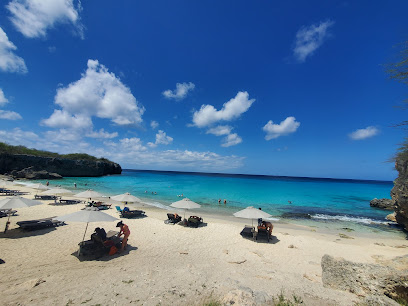
5.3 km
Visit Ji Lie in Westpunt for all your convenience needs, from snacks to drinks, while enjoying the beauty of Curaçao.
Tur Tur Snack
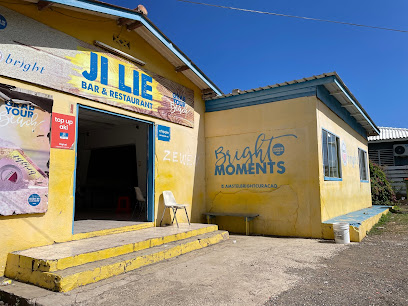
5.9 km
Experience the sweet flavors of Tur Tur Snack in Lagun, Curaçao, the ultimate ice cream destination for travelers seeking a delicious treat!
Lagun Island Tours
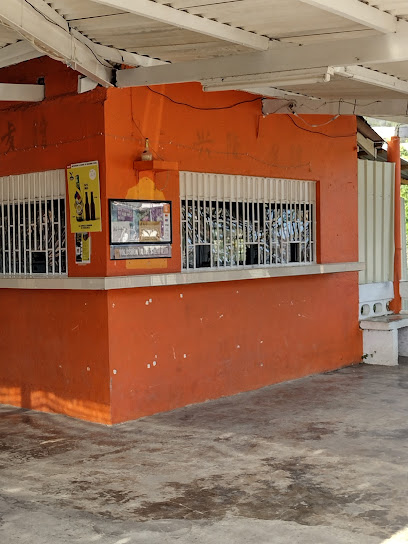
5.9 km
Discover the breathtaking landscapes of Playa Lagun with Lagun Island Tours, your go-to bicycle rental service in Curaçao.
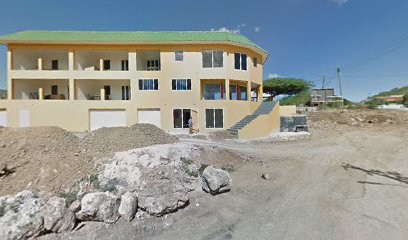
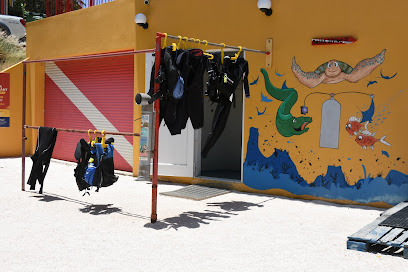
Bahia Diving
5.9 km
Experience the vibrant underwater world of Curaçao at Bahia Diving, where adventure and exploration await every diver.
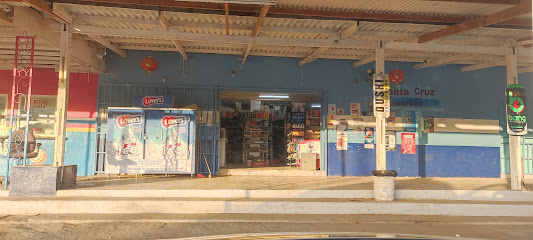
Santa Cruz Chinese Market
6.1 km
Discover the vibrant flavors of Curaçao at Santa Cruz Chinese Market, where local and Asian culinary delights await your exploration.
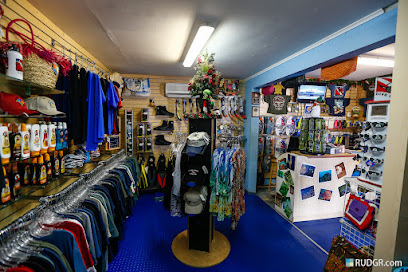
Go West Diving Curacao
6.2 km
Explore the vibrant underwater world of Curaçao with Go West Diving, your gateway to unforgettable diving experiences and marine adventures.
Nr. 1 KALKI Beach Curacao
6.3 km
Discover the enchanting Nr. 1 KALKI Beach in Curacao, a breathtaking hiking area with stunning views, crystal-clear waters, and vibrant marine life.
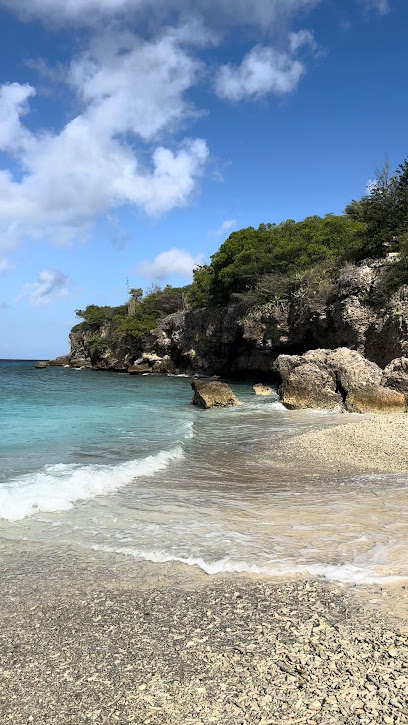
Playa Santa Cruz
6.5 km
Explore the tranquil beauty of Playa Santa Cruz, a picturesque beach in Curaçao perfect for relaxation and water adventures.
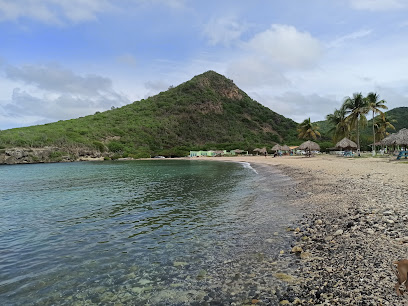
Playa Goepi
6.9 km
Experience the tranquil beauty of Playa Goepi in Curaçao, a serene beach perfect for relaxation, adventure, and unforgettable moments.
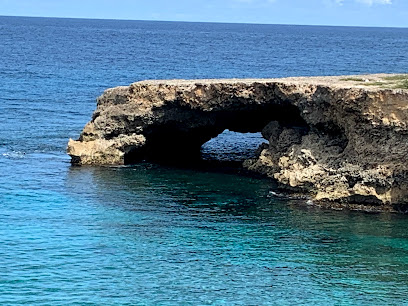
Barber Curaçao
7.4 km
Experience the tranquility of Barber Curaçao with cozy holiday apartments, local culture, and stunning landscapes for an unforgettable getaway.
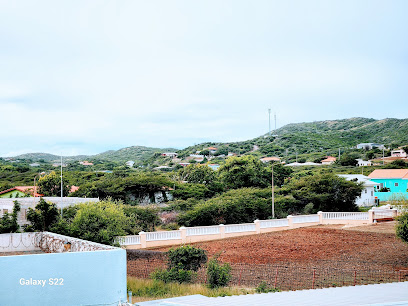
Sunshine & Fresh Minimarket
7.5 km
Explore the local flavors at Sunshine & Fresh Minimarket, your go-to supermarket in Barber, Curaçao for fresh produce and unique culinary delights.
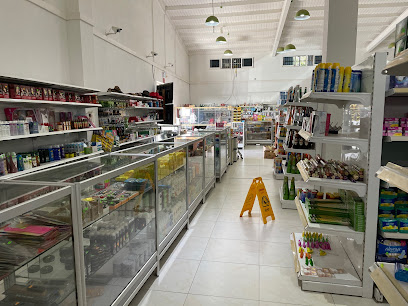
Marshe di Barber
7.5 km
Experience the heart of local culture at Marshe di Barber – a vibrant market in Barber, Curaçao, offering fresh produce, handmade crafts, and culinary delights.
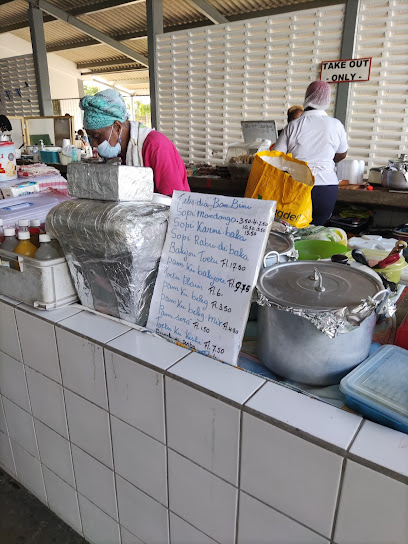
Essential bars & hidden hideouts

Bow di palu snack
5.4 km
Experience the vibrant bar culture of Curaçao at Bow di Palu Snack, where refreshing drinks and a lively atmosphere await you.
Sol Food
5.6 km
Experience the vibrant flavors of Caribbean cuisine at Sol Food, a top dining destination in Curaçao where every meal is a feast for the senses.
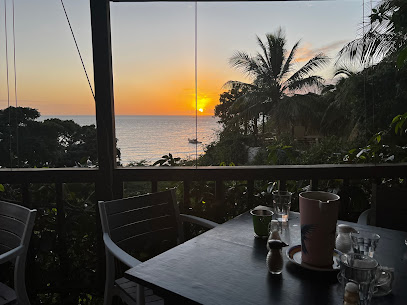
Discover Lagun
5.9 km
Experience the vibrant flavors of Caribbean cuisine at Discover Lagun, a culinary gem in the heart of Curaçao, perfect for food lovers and tourists.
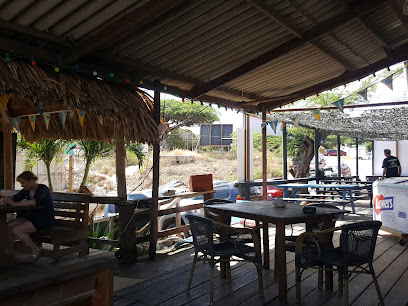
Hofi Mango bar
5.9 km
Experience the vibrant atmosphere and refreshing cocktails at Hofi Mango Bar, the perfect tropical retreat in Jan Donker, Curaçao.
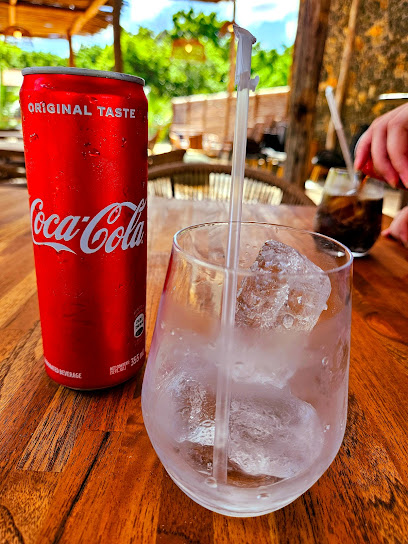
Kunuku Pachi Colá
5.9 km
Experience the authentic flavors of Curaçao at Kunuku Pachi Colá, where local cuisine meets a charming ambiance in Sabana Westpunt.
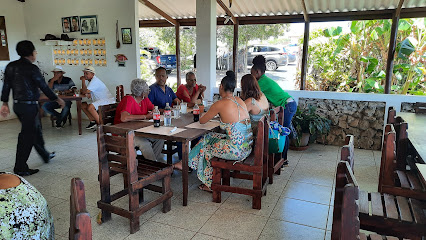
Bahia Beach Bar & Restaurant
6.0 km
Discover the flavors of Curaçao at Bahia Beach Bar & Restaurant, where stunning views meet delicious cuisine in a vibrant atmosphere.
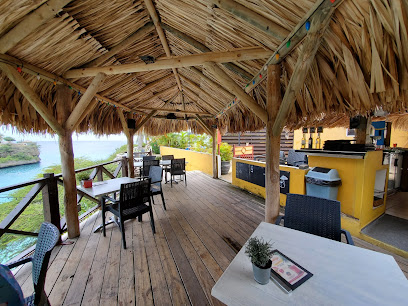
Hofi Abou 9
6.2 km
Experience the vibrant atmosphere and local flavors at Hofi Abou 9, the perfect bar for relaxation and socializing in Jan Donker, Curaçao.
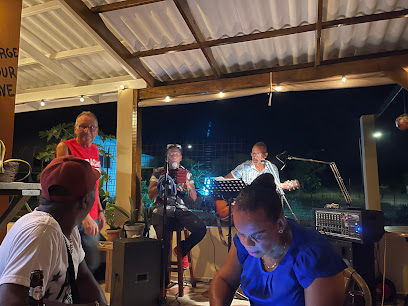
Nightclubs & after hour spots

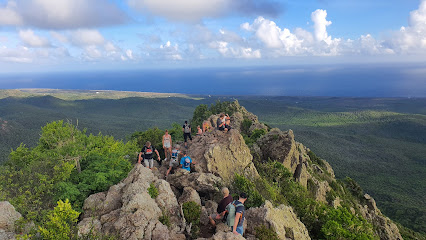
Christoffel mountain
2.4 km
Discover the breathtaking landscapes and rich biodiversity of Christoffel Mountain, the highest point in Curaçao, ideal for hiking and nature exploration.
Punta West Bed & Breakfast+
5.1 km
Discover the serene charm of Punta West Bed & Breakfast in Sabana Westpunt, Curaçao, your perfect retreat for relaxation and adventure.
La Peninsula Jeremi
5.3 km
Experience the serene beauty of La Peninsula Jeremi, a tranquil housing development in Curaçao offering breathtaking coastal views and relaxation.
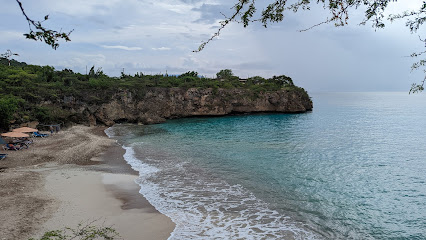
Westpunt - Ruby 89
5.5 km
Experience the serene beauty of Curaçao at Westpunt - Ruby 89, your tranquil hotel retreat in Sabana Westpunt.
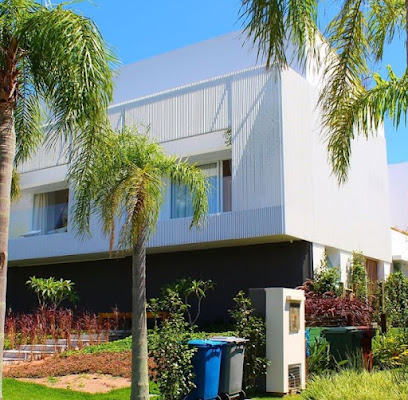
Rancho El Sobrino
5.5 km
Discover the charm of Rancho El Sobrino in Curaçao – a cozy lodging destination near stunning beaches and vibrant culture.
Marazul Dive Resort
5.6 km
Experience the perfect blend of adventure and relaxation at Marazul Dive Resort, your gateway to the underwater wonders of Curaçao.
Cast away beach bar curacao
6.3 km
Experience the Caribbean charm at Cast Away Beach Bar in Curaçao, where relaxation meets adventure on stunning Playa Kalki.
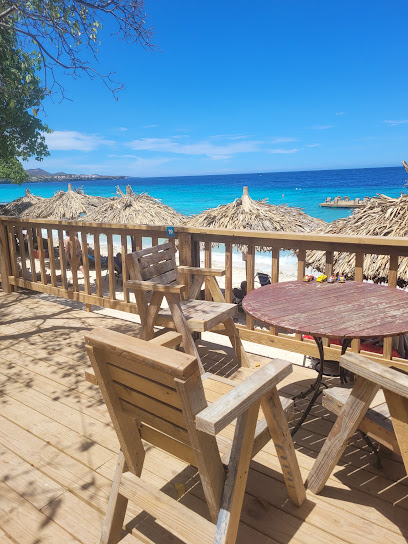
Playa Kalki
6.3 km
Playa Kalki: A hidden gem in Curaçao, where pristine beaches meet vibrant marine life for the ultimate tropical escape.
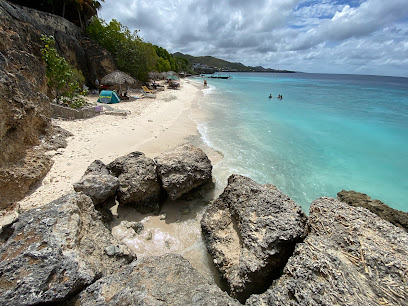
Playa Beach Club Curaçao
6.3 km
Experience the vibrant atmosphere and breathtaking beauty of Playa Beach Club, the perfect beach getaway in Curaçao.
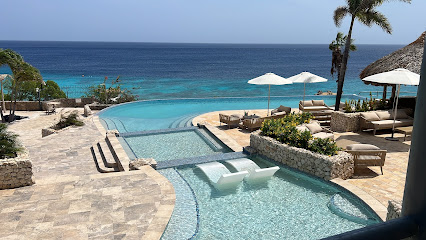
Tourrific Curacao
6.5 km
Discover thrilling water sports and stunning beaches at Tourrific Curacao, the ultimate destination for aquatic adventures.
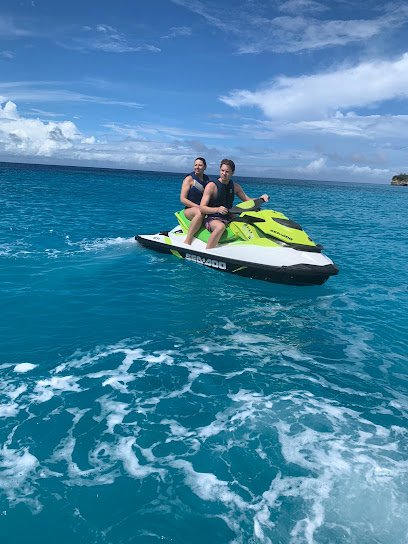
Barber
7.8 km
Explore Barber, a vibrant housing complex in Curaçao, where local culture and scenic beauty meet for an unforgettable island experience.
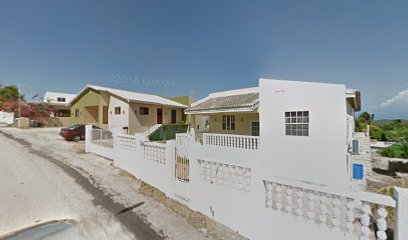
The Hills
8.3 km
Discover the vibrant nightlife and comfortable lodging at The Hills in Willemstad, Curaçao, where unforgettable experiences await every visitor.
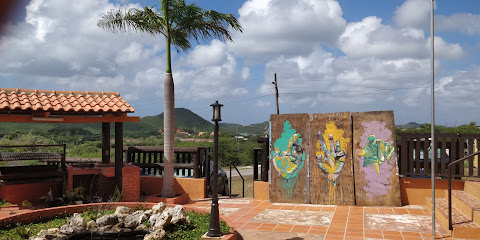
Boka Hulu
8.5 km
Discover the tranquil beauty of Boka Hulu, a hidden beach gem in Curaçao perfect for relaxation, snorkeling, and stunning photography.
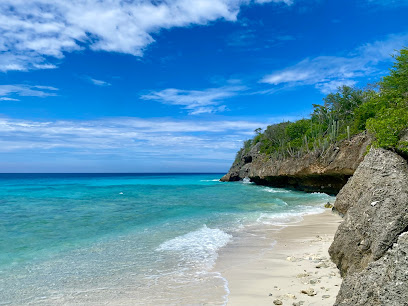
Signal Point - PJ2T
10.1 km
Discover the electrifying nightlife at Signal Point - PJ2T, a premier night club in Curaçao offering music, dancing, and stunning coastal views.