Background

Fort Beekenburg: A Sentinel of Caracasbaai

4.3 (799)

Explore Fort Beekenburg in Curaçao: A historic Dutch fort offering stunning views of Caracasbaai and a glimpse into the island's colonial past, free for all to discover.

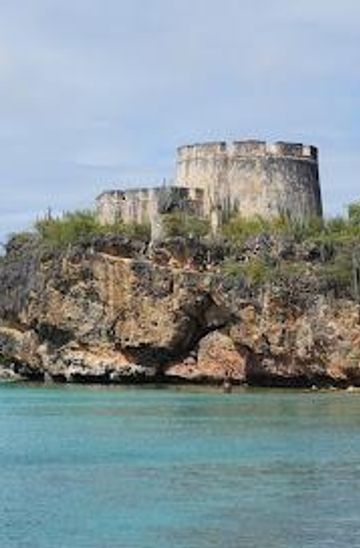
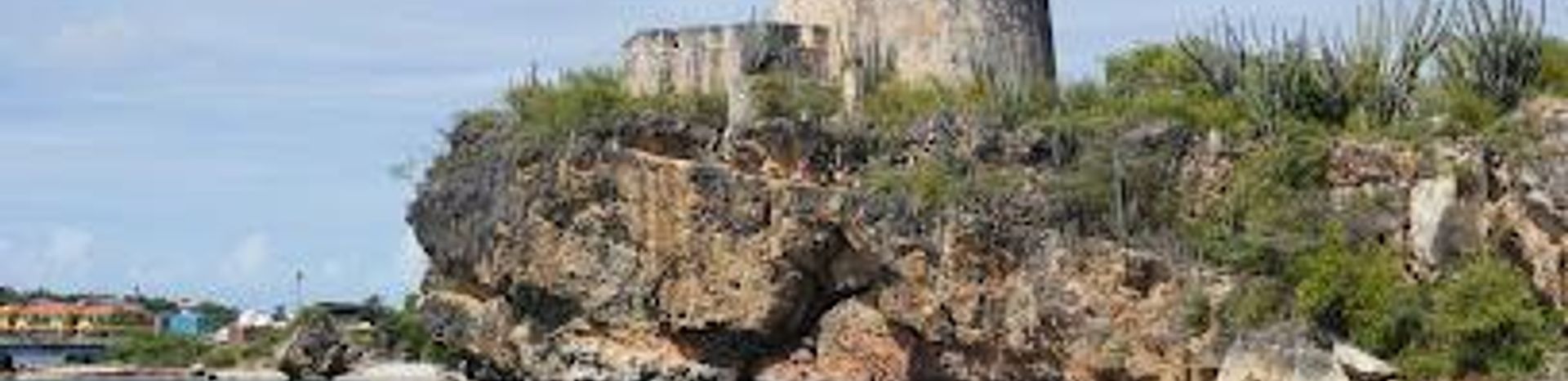
Fort Beekenburg, a historical landmark on Curaçao's Caracasbaai, offers a captivating glimpse into the island's colonial past. Built in 1703 by the Dutch, the fort strategically guarded the entrance to Spanish Water, a vital natural harbor, against pirates and foreign invaders. Its well-preserved circular tower, resembling a chess rook, provides panoramic views of the coastline. Visitors can explore the fort's grounds, climb to the top of the tower, and imagine life in the 18th century. With free admission and open access, Fort Beekenburg is a must-see for history buffs and anyone seeking a unique perspective on Curaçao's rich heritage. The fort stands as a testament to the island's strategic importance and the enduring legacy of Dutch colonial architecture, offering a tranquil and scenic escape from the bustling beaches.

A brief summary to Fort Beekenburg

  • 34CQ+W6R, Caracasbaai old docks, Jan Thiel, CW
  • Monday 12 am-12 am
  • Tuesday 12 am-12 am
  • Wednesday 12 am-12 am
  • Thursday 12 am-12 am
  • Friday 12 am-12 am
  • Saturday 12 am-12 am
  • Sunday 12 am-12 am

Local tips

  • Wear comfortable shoes for exploring the fort's uneven terrain and climbing the stairs to the tower.
  • Visit during the early morning or late afternoon to avoid the midday heat and enjoy softer lighting for photography.
  • Bring water and snacks, as there are no facilities available at the fort.
  • Combine your visit with a swim or meal at nearby Caracasbaai Beach for a complete experience.
  • Check for any special events or guided tours that may be available during your visit.
widget icon

Do you manage this location?

Take control to get all the benefits, like improved information, better appearance, and stronger visibility across AI-powered discovery. Learn more

Activate your presence

Unlock the Best of Fort Beekenburg

Buy tickets

    No tickets available

Book tours with entry

    No tours available

Book tours without entry

    No tours available

Getting There

  • Driving

    From the Jan Thiel area, follow the main road towards Caracasbaai. Turn onto Caracasbaaiweg and continue until you reach the old docks. Fort Beekenburg will be on your left. Parking is available near the fort, but it can be limited, especially during peak hours. Parking is free.

  • Public Transport

    From Willemstad, take bus 6A towards Caracasbaai. Get off at the bus stop near Livingstone Jan Thiel Resort. From there, walk along Caracasbaaiweg for about 15 minutes until you reach Fort Beekenburg on your left. The bus fare is approximately 2-3 ANG.

  • Taxi/Ride-Share

    Taxis and ride-sharing services are readily available in Curaçao. A taxi from Jan Thiel to Fort Beekenburg will cost approximately 10-15 ANG, depending on traffic and the specific location within Jan Thiel. Confirm the fare with the driver before starting your journey.

Discover more about Fort Beekenburg

Fort Beekenburg, a stoic sentinel overlooking Caracasbaai on Curaçao, stands as a tangible link to the island's storied past. Constructed in 1703 by the Dutch, this historical landmark served as a crucial defensive structure, safeguarding the entrance to the strategic Spanish Water from the threat of pirates and rival European powers. Today, it welcomes visitors to explore its well-preserved grounds and absorb the atmosphere of a bygone era. The fort's location was carefully chosen. Caracasbaai, with its sheltered bay and easy access to the sea, represented one of the few points where ships could readily land. Recognizing this vulnerability, the Dutch erected Fort Beekenburg to deny enemies a foothold and protect the vital harbor and, by extension, the burgeoning settlement of Willemstad. Named in honor of Nicolaas van Beek, the governor who oversaw the city's defenses from 1701 to 1704, the fort became an integral part of Curaçao's defensive network. The fort's construction is a story in itself. The stones used to build its formidable walls were brought all the way from the Waal region of the Netherlands, serving as ballast in Dutch trading vessels. Upon arrival in Curaçao, these stones were exchanged for valuable goods, a testament to the island's importance in the transatlantic trade routes. The fort's defenses were tested numerous times throughout the 18th century, as French, English, and pirate forces sought to gain control of Curaçao. Fort Beekenburg played a vital role in repelling these attacks, contributing to the island's resilience and its continued Dutch control. While the fort successfully deterred many incursions, the English managed to occupy Curaçao on two separate occasions, from 1800 to 1803 and again from 1807 to 1816. Despite these periods of foreign rule, Fort Beekenburg remained a symbol of the island's strategic significance and its enduring connection to the Netherlands. In the 20th century, the landscape around Fort Beekenburg underwent a significant transformation. In 1927, Shell established an oil terminal on the Caracasbaai Peninsula, turning the area into a restricted zone. The construction of a dam and road connected the peninsula to the mainland, effectively transforming it into a peninsula. Ironically, Shell's presence inadvertently contributed to the fort's preservation, as the company had no interest in altering the structure and left it largely untouched. It wasn't until 2005, when Refineria Isla sold the peninsula to the Antillean government for a symbolic sum, that Fort Beekenburg was once again opened to the public. Today, visitors can freely explore the fort's grounds, marvel at its circular tower, and imagine the lives of the soldiers who once stood guard within its walls. The fort's architecture is particularly noteworthy. The circular tower, resembling a rook from a chess set, is its most distinctive feature. Evenly spaced notches along the tower's perimeter once housed cannons, providing a 360-degree field of fire. A sophisticated system of channels directed rainwater into a reservoir within the tower, ensuring a constant supply of fresh water even during prolonged sieges. Cannons also stood atop the tower, offering a commanding view of the surrounding waters. At the base of the tower, a hexagonal platform with battlements provided additional defensive positions. A stone staircase leads to this platform, although it is believed that in the fort's earliest days, access was only possible via a wooden ladder that could be retracted in times of danger. From the platform, a short passage leads to a wooden door that opens onto the tower's roof, offering breathtaking views of Caracasbaai and the Spanish Water. Today, Fort Beekenburg stands as a testament to Curaçao's rich history and its strategic importance in the Caribbean. Its well-preserved structure, its captivating story, and its stunning views make it a must-see destination for any visitor to the island. Whether you're a history enthusiast, an architecture buff, or simply seeking a tranquil escape, Fort Beekenburg offers a unique and unforgettable experience. Exploring the fort is a journey back in time, a chance to connect with the island's past and appreciate the enduring legacy of its people. As you wander through its grounds, imagine the sounds of cannons firing, the shouts of soldiers, and the daily lives of those who once called this fortress home. Fort Beekenburg is more than just a historical site; it's a living monument to Curaçao's resilience, its strategic importance, and its enduring spirit.
Mobile App

Your all‑in‑one travel companion app

Explore expert travel guides, compare and book tours, experiences, hotels, and more—all from the palm of your hand. Download now for seamless trip planning wherever your wanderlust takes you.


More about Sint Michiel

File:Blue Bay - Curacao.jpg - Wikimedia Commons

Discover Sint Michiel, a serene village in Curacao known for its stunning bay, rich history, and vibrant marine life. Perfect for nature lovers, history enthusiasts, and those seeking relaxation.

Tell me more about Sint Michiel

Select Currency