
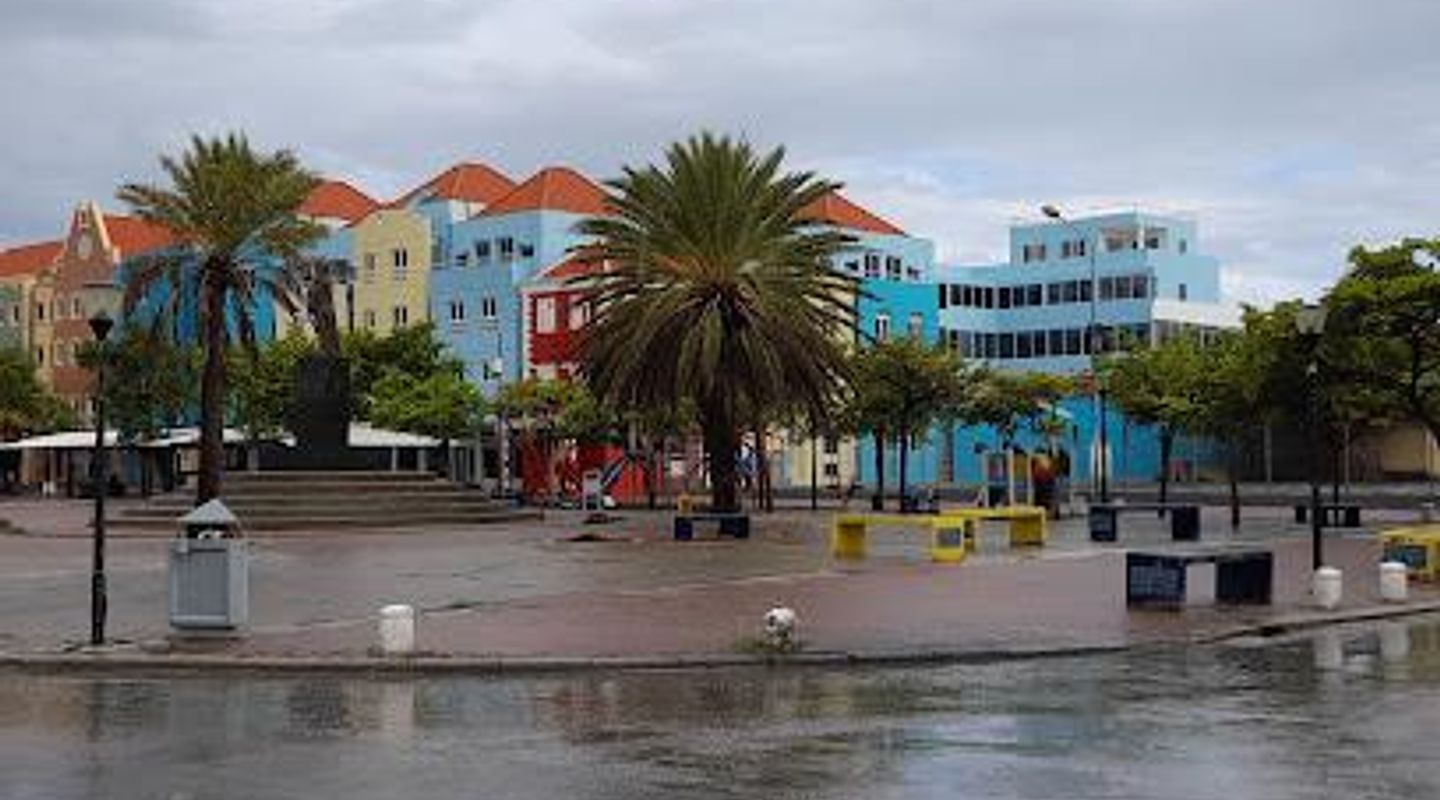
Otrobanda, Sint Michiel Travel Guide
Explore Otrobanda, Willemstad: A vibrant UNESCO World Heritage Site with colorful colonial architecture, rich history, captivating street art, and a lively cultural scene.
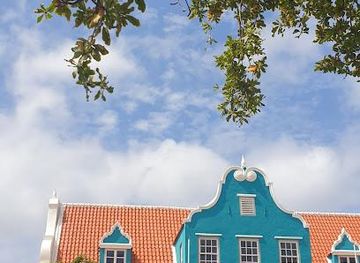
Otrobanda, meaning 'the other side' in Papiamentu, is one of Willemstad's four historic districts and a UNESCO World Heritage Site. Founded in 1707, it offers a captivating blend of colonial architecture, vibrant street art, and a rich cultural tapestry. Once a working-class neighborhood, Otrobanda has transformed into a thriving artistic hub with colorful murals, museums, and galleries. Explore the Kura Hulanda Museum to delve into Curaçao's complex history, stroll along the waterfront, and immerse yourself in the lively atmosphere. Don't miss the iconic Queen Emma Bridge connecting Otrobanda to Punda, and be sure to capture the vibrant street art that adorns the neighborhood's walls. With its blend of history, culture, and modern attractions, Otrobanda provides a unique and unforgettable experience for every visitor.
A brief summary to Otrobanda
- Willemstad, Otrobanda, CW

Know before you go
Hi, I'm Eve. Here are a few practical things to know before exploring Otrobanda.
- Wear comfortable shoes for walking, as you'll want to explore the neighborhood's streets and alleys.
- Visit the Kura Hulanda Museum to gain a deeper understanding of Curaçao's history and cultural heritage.
- Take a guided walking tour to discover hidden gems and learn about the district's unique architecture and street art.
- Sample local cuisine at one of Otrobanda's many restaurants and street food stalls.
- Visit early in the morning or late afternoon to avoid the midday heat and enjoy the streets with fewer crowds.
Do you manage this location?
Take control to get all the benefits, like improved information, better appearance, and stronger visibility across AI-powered discovery. Learn more about listing your business on Evendo
Activate your presenceOther nearby places you may find interesting
The closest places of the same kind, if this one is not quite what you had in mind.



Explore Otrobanda on the Map
A handpicked selection of must-see spots near Otrobanda, mapped for you.
Unlock the Best of Otrobanda
Buy tickets
-
No tickets available
Book tours with entry


Getting There
-
Walking
From the Queen Emma Bridge (connecting Punda and Otrobanda), head west into Otrobanda. The main attractions are within a 10-15 minute walk. Use the Rif Fort, a large, easily visible structure, as a key landmark for orientation. Many points of interest are located along Breedestraat, the main thoroughfare running through Otrobanda.
-
Public Transport
If arriving by bus from other parts of Curaçao, disembark at the Otrobanda bus terminal. From there, Otrobanda's attractions are easily accessible on foot, using the Rif Fort and Breedestraat as your primary guides. Bus fare is typically around 1.25-2.50 ANG (approximately $0.70-$1.40 USD) for a short trip within Willemstad.
-
Taxi/Ride-Share
Taxis and ride-sharing services are readily available in Willemstad. A short taxi ride from Punda or other nearby areas to Otrobanda will typically cost between 25-35 ANG (approximately $14-$20 USD). Be sure to confirm the fare with the driver before starting your journey.
-
Driving
If driving, parking is available in Otrobanda, including at the Renaissance Mall & Rif Fort and near the baseball stadium. Paid parking is being reintroduced in downtown Willemstad, including Otrobanda, with fees of 1 ANG per hour and an additional 0.50 ANG for every extra half hour. Consider parking at the Renaissance Resort garage for free parking, then walk to Otrobanda. Be aware that parking regulations are enforced, and wheel clamps are used for violations.
Discover more about Otrobanda













Your all‑in‑one travel companion app
Explore expert travel guides, compare and book tours, experiences, hotels, and more—all from the palm of your hand. Download now for seamless trip planning wherever your wanderlust takes you.


Explore More of Sint Michiel
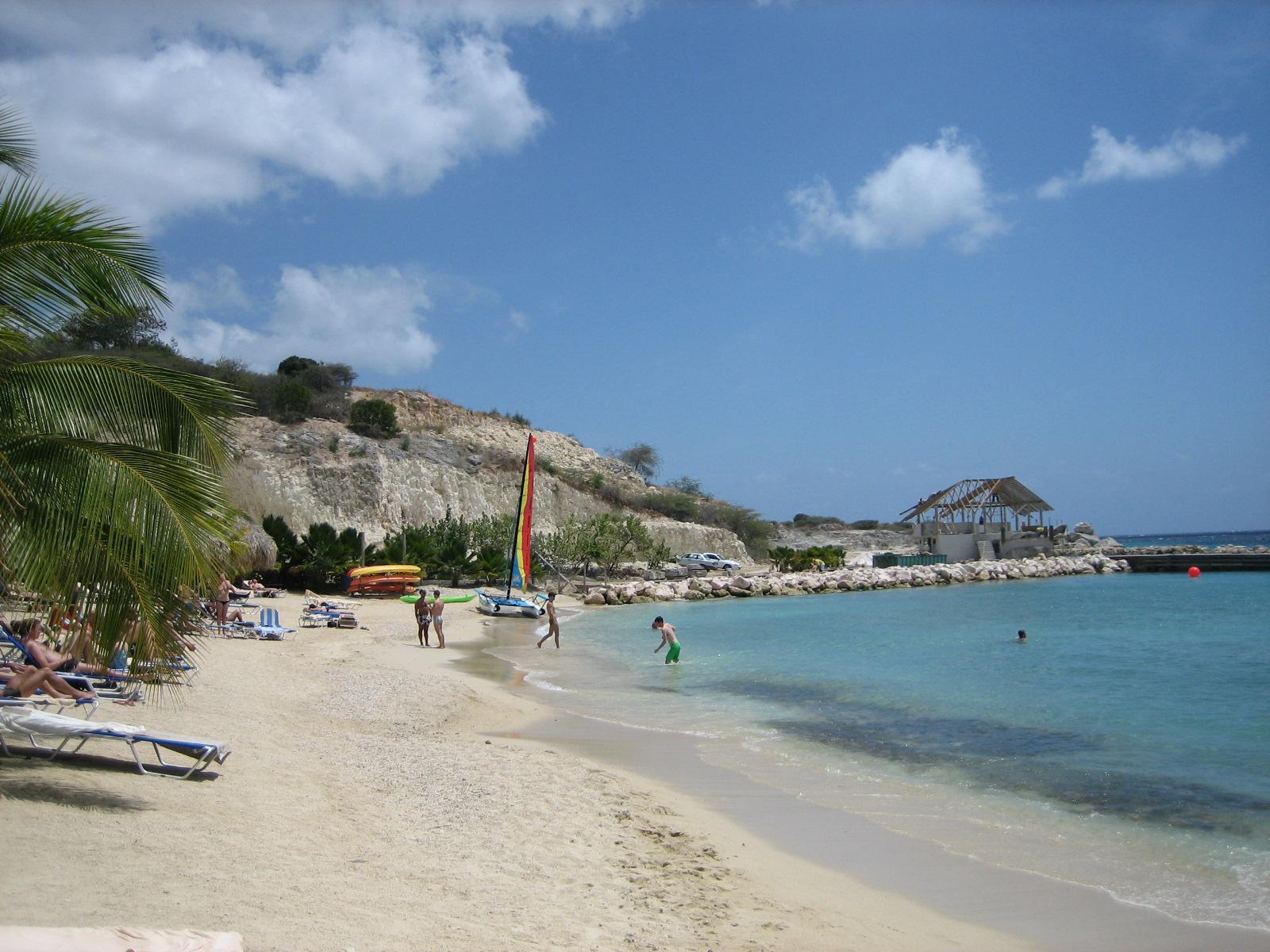
Looking beyond Otrobanda? Discover Sint Michiel for broader travel guides, local hot-spots, and regional highlights.
Explore Sint Michiel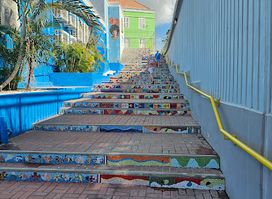
Discover the vibrant Santiagopolio mural in Willemstad's Otrobanda, a colorful celebration of Curaçao's culture and artistic spirit, adding to the district's unique charm.
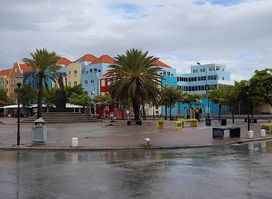
Explore Otrobanda in Willemstad, Curaçao - a colorful blend of culture, history, and Caribbean charm awaits you in this vibrant neighborhood.
