Background

Willemstad: A Colorful Capital

Explore Willemstad, Curaçao's vibrant capital: a UNESCO World Heritage city with colorful Dutch architecture, rich history, and a unique Caribbean charm, offering an unforgettable experience.

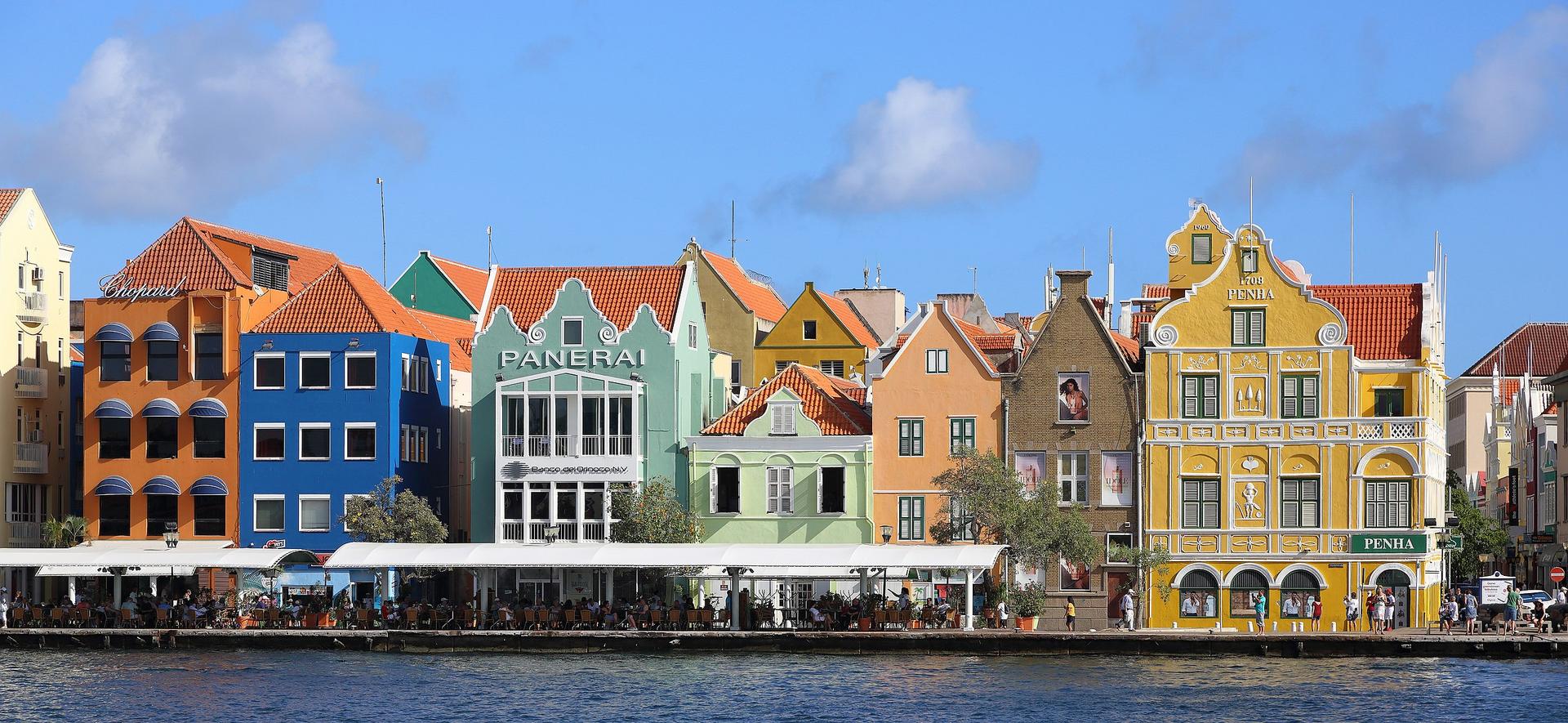
Willemstad, the capital of Curaçao, is a vibrant UNESCO World Heritage city renowned for its distinctive Dutch colonial architecture painted in a dazzling array of colors. Situated around the natural harbor of Sint Anna Bay, Willemstad is divided into four main districts: Punda, Otrobanda, Pietermaai, and Scharloo, each offering a unique blend of history, culture, and charm. Punda, the oldest part of the city, features an orthogonal grid pattern and iconic landmarks like Fort Amsterdam and the Mikvé Israel-Emanuel Synagogue, the oldest synagogue in continuous use in the Americas. Otrobanda, developed later, showcases a mix of residential and working-class architecture. The colorful facades along the waterfront, the bustling floating market, and the iconic Queen Emma Bridge all contribute to Willemstad's captivating atmosphere, making it a must-see destination in the Caribbean.

A brief summary to Willemstad

  • Willemstad, CW

Local tips

  • Wear comfortable shoes for walking, as exploring Willemstad's historic districts involves a lot of strolling on cobblestone streets.
  • Visit the Floating Market in Punda early in the morning to experience the bustling atmosphere and get the freshest produce.
  • Take a guided walking tour to learn about the history and architecture of Willemstad from a local expert.
  • Try local cuisine at Marshe Bieuw (Old Market) for an authentic taste of Curaçaoan flavors.
  • Be prepared for the heat and humidity by staying hydrated and wearing sunscreen, especially during midday.
widget icon

Getting There

  • Walking

    From the Queen Emma Bridge in downtown Willemstad, most attractions in Punda and Otrobanda are easily accessible on foot. Orientation is straightforward due to the well-maintained streets and landmarks. Walking from one side of the historic center to the other takes approximately 15-20 minutes, allowing you to explore shops, restaurants, and historical sites at your leisure.

  • Public Transport

    If arriving at one of the main bus terminals in Punda or Otrobanda, Willemstad's central areas are within a short walk. From the bus terminal in Punda (Waaigatplein), the Handelskade and Fort Amsterdam are about a 5-10 minute walk. From the bus terminal in Otrobanda (Sebastopolstraat), the Rif Fort and Kura Hulanda Museum are similarly close. Bus fares typically range from 1.50 to 2.50 ANG (Antillean Guilder), payable in cash to the driver. Keep in mind that buses may have limited schedules, especially on Sundays.

  • Taxi/Ride-Share

    Taxis are readily available at the Curaçao Cruise Terminal, major hotels, and key points in Willemstad. A taxi from the cruise terminal to the city center (Punda or Otrobanda) costs approximately 20-30 USD. Ride-sharing services are less common, so taxis are the more reliable option. Always confirm the fare with the driver before starting your journey. Some taxi services may accept credit cards, but it's advisable to have cash (USD or ANG) on hand.

  • Driving

    If driving into Willemstad, be aware that paid parking has been reintroduced in the downtown area (Punda and Otrobanda). Parking meters are installed at strategic locations, costing 1 ANG per hour, with an additional 0.50 ANG for every extra half hour. Parking meters accept coins, Smart One cards, and payments via the FlowbirdApp E-Wallet. The blue zone, where parking is free for 2 hours with a parking disc, is valid from Thursday to Sunday, between 11 AM and 9 PM. Pietermaai Parking offers garage parking with hourly, daily, and monthly rates.

Unlock the Best of Willemstad

Buy tickets

    No tickets available

Book tours with entry

    No tours available

Book tours without entry

    No tours available

Discover more about Willemstad

Willemstad, the capital of Curaçao, is a captivating city that seamlessly blends Dutch colonial architecture with vibrant Caribbean culture. Designated a UNESCO World Heritage site in 1997, Willemstad is celebrated for its colorful buildings, rich history, and bustling harbor. The city is divided into four distinct districts: Punda, Otrobanda, Pietermaai, and Scharloo, each offering a unique glimpse into Curaçao's past and present. Punda, the oldest section of Willemstad, is characterized by its orthogonal grid pattern and historic buildings. Founded in 1634 with the construction of Fort Amsterdam, Punda was originally a walled district designed for defense and trade. Today, it's a bustling commercial center with shops, restaurants, and significant landmarks. Fort Amsterdam, still standing proudly, houses government offices and a historic church. A highlight of Punda is the Mikvé Israel-Emanuel Synagogue, consecrated in 1732, the oldest continuously operating synagogue in the Americas, a testament to Curaçao's long-standing Jewish community. The picturesque Handelskade, with its row of brightly colored buildings along the waterfront, is one of the most iconic views of Willemstad. Otrobanda, meaning "the other side," is located west of Sint Anna Bay and offers a different architectural and cultural experience. Unlike the walled Punda, Otrobanda developed more organically, initially resembling a collection of plantation houses. Over time, it evolved into a residential neighborhood with a mix of architectural styles, reflecting its history as a working-class district. Today, Otrobanda is known for its narrow alleys, vibrant street art, and the Kura Hulanda Museum, which documents the history of slavery in the region. The Rif Fort, a 19th-century fortress, has been transformed into a shopping center with restaurants, bars, and boutiques, blending history with modern entertainment. Pietermaai, located just east of Punda, is a historic district known for its beautifully restored colonial buildings. Once a neglected area, Pietermaai has undergone significant revitalization, transforming it into a trendy neighborhood with boutique hotels, restaurants, and cafes. The architecture in Pietermaai showcases a blend of Dutch and Caribbean influences, with brightly painted facades and ornate details. Walking through Pietermaai, visitors can admire the meticulously restored buildings and enjoy the area's lively atmosphere. Scharloo, the fourth district of Willemstad, was once a plantation area before becoming a residential district for wealthy Jewish merchants. The architecture in Scharloo is characterized by grand mansions and ornate buildings, reflecting the wealth and status of its former residents. Today, Scharloo is a historic preservation area, with many of its buildings carefully restored. The district offers a glimpse into Curaçao's architectural heritage and is a testament to the island's diverse cultural influences. Willemstad's charm extends beyond its architecture. The Queen Emma Bridge, a floating pontoon bridge connecting Punda and Otrobanda, is a unique and iconic landmark. Known as the "Swinging Old Lady," the bridge opens to allow ships to pass through Sint Anna Bay. Nearby, the Queen Juliana Bridge soars high above the city, offering panoramic views of Willemstad and the surrounding coastline. The city's vibrant culture is reflected in its street art, museums, and local markets. The Floating Market, where Venezuelan traders sell fresh produce and goods from their boats, is a bustling hub of activity. Museums such as the Curaçao Museum and the Jewish Cultural Historical Museum offer insights into the island's history and heritage. Street art adorns walls throughout the city, adding a contemporary and creative dimension to Willemstad's historic landscape. Willemstad's development and architecture reflect the expansion of Europe in the 15th and 16th centuries, with its colonial-style town planning and architecture from the period of Dutch expansion. The city's original architecture is exceptionally well-preserved, with many monuments being authentic in design, materials, and craftsmanship. The narrow alleys and original street names remain intact, providing a tangible link to the past. Willemstad serves as a living map, illustrating the town's historic and social development throughout the centuries. Accessibility in Willemstad has improved, with much of downtown and many popular attractions accessible by wheelchair. However, some areas may still present challenges. Public transportation options include buses and taxis, providing convenient ways to explore the city and the island. Paid parking has been reintroduced in downtown Willemstad, with parking meters installed in strategic locations to manage parking and improve accessibility. Willemstad is more than just a city; it's a living testament to Curaçao's rich history, diverse culture, and vibrant spirit. Whether strolling along the Handelskade, exploring historic forts, or immersing oneself in the local culture, Willemstad offers an unforgettable experience for every visitor. The city's unique blend of Dutch and Caribbean influences, its colorful architecture, and its bustling atmosphere make it a truly special destination in the heart of the Caribbean.

Popular Experiences near Willemstad

Popular Hotels near Willemstad

Select Currency