
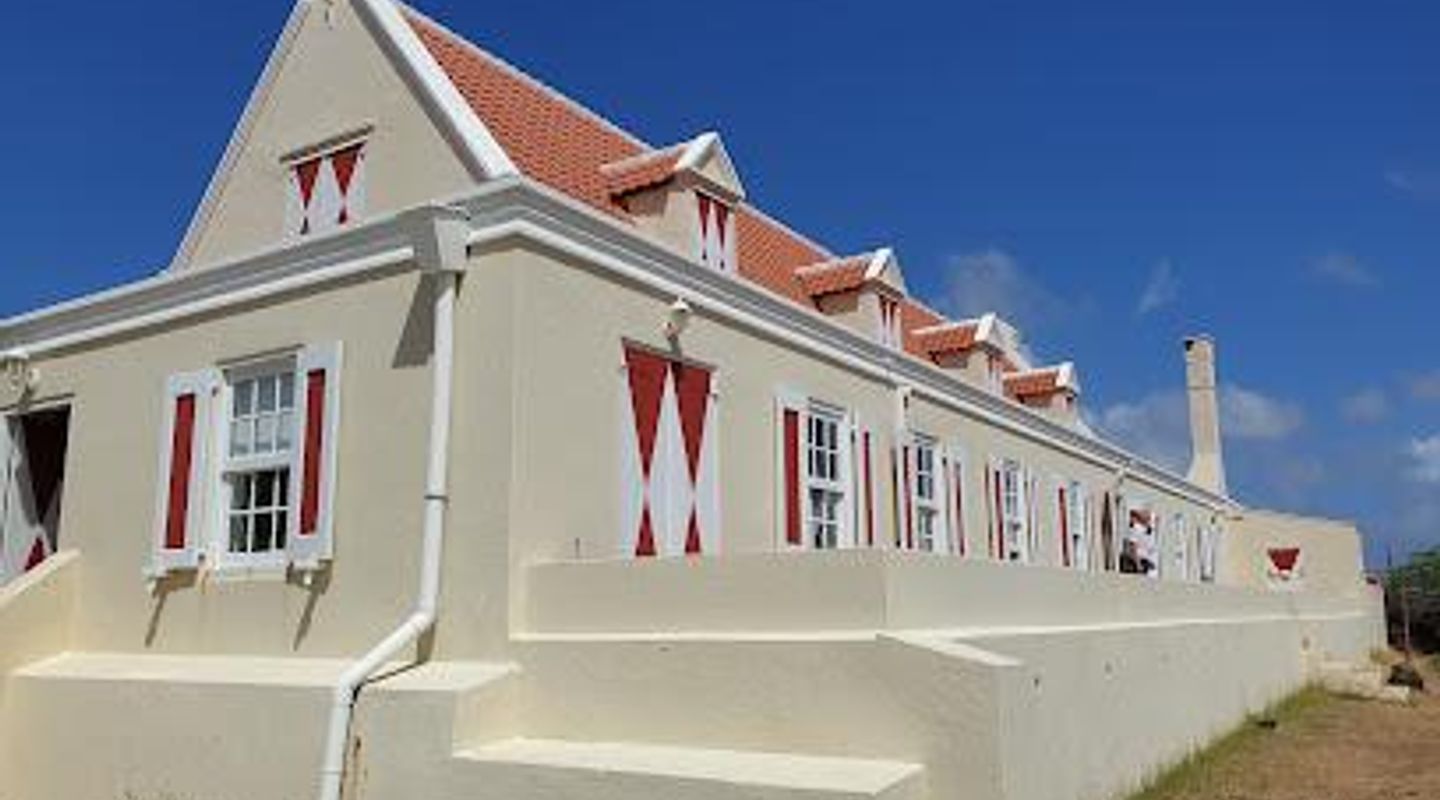
Landhuis Ascencion, Soto Travel Guide
Explore Curaçao's colonial past at Landhuis Ascencion, a beautifully restored plantation house offering a glimpse into the island's history, culture, and vibrant local art scene.
Landhuis Ascencion, a beautifully restored plantation house dating back to 1672, offers a captivating glimpse into Curaçao's colonial history and culture. Situated on the Weg Naar Westpunt near Barber, this historic landmark provides a serene escape with its lush gardens and meticulously preserved architecture. Once a thriving plantation, the Landhuis now serves as a museum, cultural center, and event space, hosting art exhibitions, workshops, and the popular monthly open house featuring local artisans, music, and dance. Visitors can explore the grounds, admire the Dutch colonial architecture, and learn about the lives of those who lived and worked here, from the Arawak people to the Dutch slaveholders. Landhuis Ascencion is more than just a historical site; it's a vibrant hub where the past and present intertwine, offering a unique and enriching experience for all who visit. Don't miss the opportunity to step back in time and immerse yourself in the rich heritage of Curaçao at this remarkable landmark.
A brief summary to Landhuis Ascencion
- 7WFQ+59G, Weg Naar Westpunt, Barber, CW
- Click to display
- Click to display

Know before you go
Hi, I'm Eve. Here are a few practical things to know before exploring Landhuis Ascencion.
- Visit on the first Sunday of the month for the open house, featuring a local artisan market, live music, and dance performances.
- Take a guided tour on Thursday morning to learn more about the history and architecture of the Landhuis.
- Combine your visit with a trip to nearby Boka Ascension, a scenic cove known for its natural beauty and potential sea turtle sightings.
Do you manage this location?
Take control to get all the benefits, like improved information, better appearance, and stronger visibility across AI-powered discovery. Learn more about listing your business on Evendo
Activate your presenceOther nearby places you may find interesting
The closest places of the same kind, if this one is not quite what you had in mind.

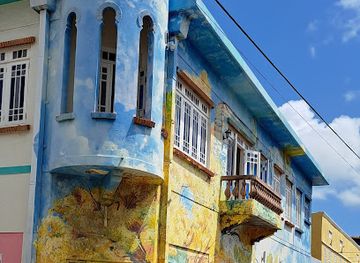
Explore Landhuis Ascencion on the Map
A handpicked selection of must-see spots near Landhuis Ascencion, mapped for you.
Unlock the Best of Landhuis Ascencion
Buy tickets
-
No tickets available
Book tours with entry

Book tours without entry

Getting There
-
Driving
From Willemstad, take Weg Naar Westpunt (also known as Route 9) northwest. The drive is approximately 30-40 minutes. Landhuis Ascencion will be on your right, just before the town of Barber. Look for signs indicating the Landhuis. Parking is available on-site.
-
Public Transport
From the Otrobanda bus terminal in Willemstad, take Bus 9A towards Westpunt. The bus departs approximately every 1-2 hours. Ask the driver to let you off near Landhuis Ascencion, just before Barber. From the bus stop, it's a short walk to the Landhuis. The bus fare is approximately 2 ANG.
-
Taxi/Ride-Share
Taxis are readily available in Willemstad and can take you directly to Landhuis Ascencion. The ride is approximately 30-40 minutes. Agree on a fare with the driver before departing. Expect to pay around 80-100 ANG for a one-way trip.
Discover more about Landhuis Ascencion













Your all‑in‑one travel companion app
Explore expert travel guides, compare and book tours, experiences, hotels, and more—all from the palm of your hand. Download now for seamless trip planning wherever your wanderlust takes you.


Explore More of Soto
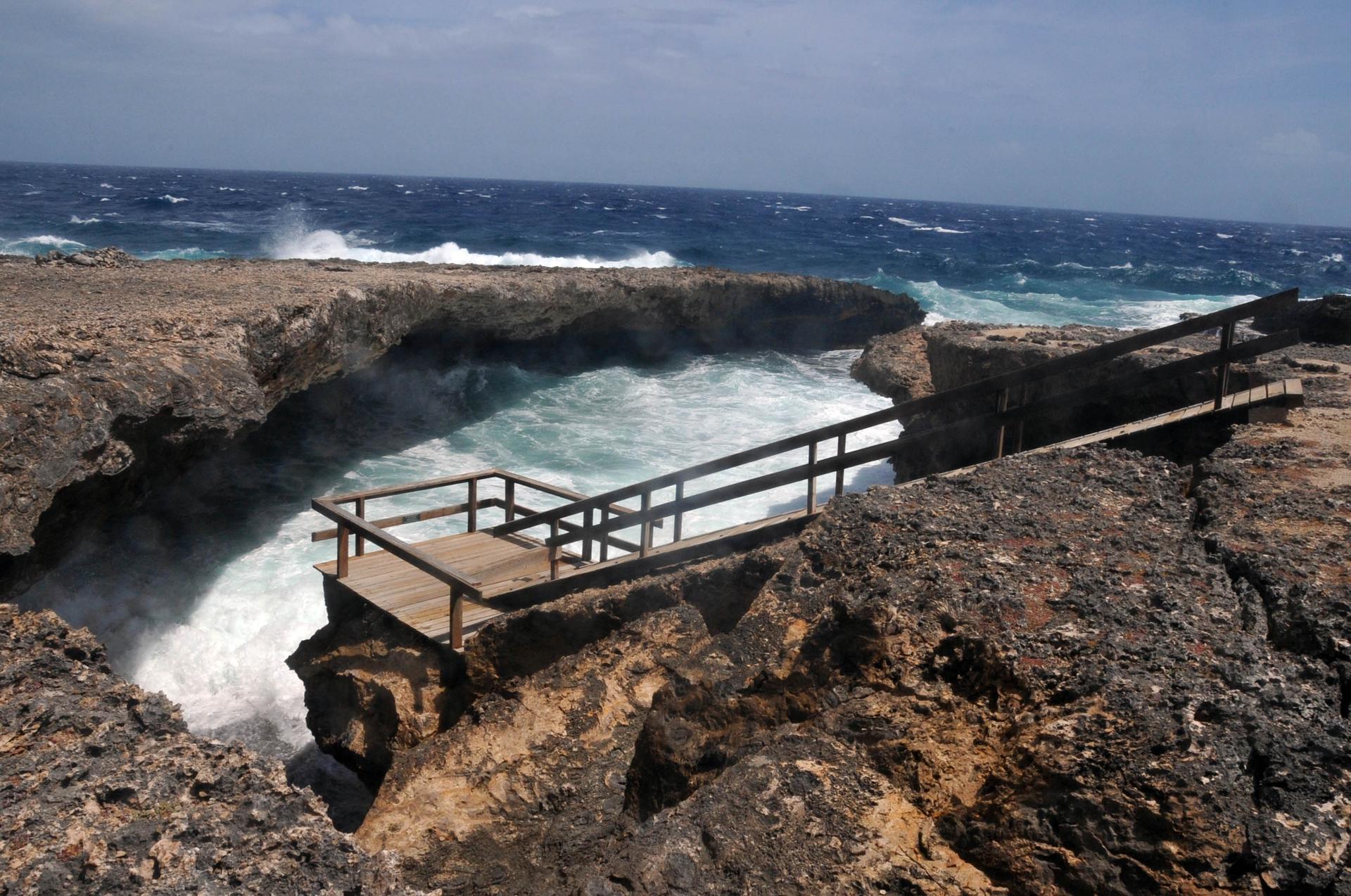
Looking beyond Landhuis Ascencion? Discover Soto for broader travel guides, local hot-spots, and regional highlights.
Explore Soto
Discover Koraalrif in Curaçao, also known as Playa Kalki or Alice in Wonderland, a vibrant snorkeling and diving paradise with crystal-clear waters and diverse marine life.

Explore the breathtaking Zittende Boom in Curaçao, a hidden gem of lush landscapes and vibrant biodiversity perfect for nature enthusiasts.
