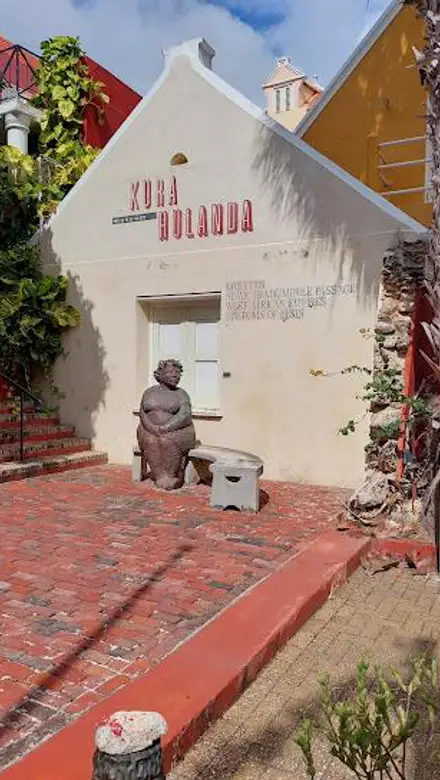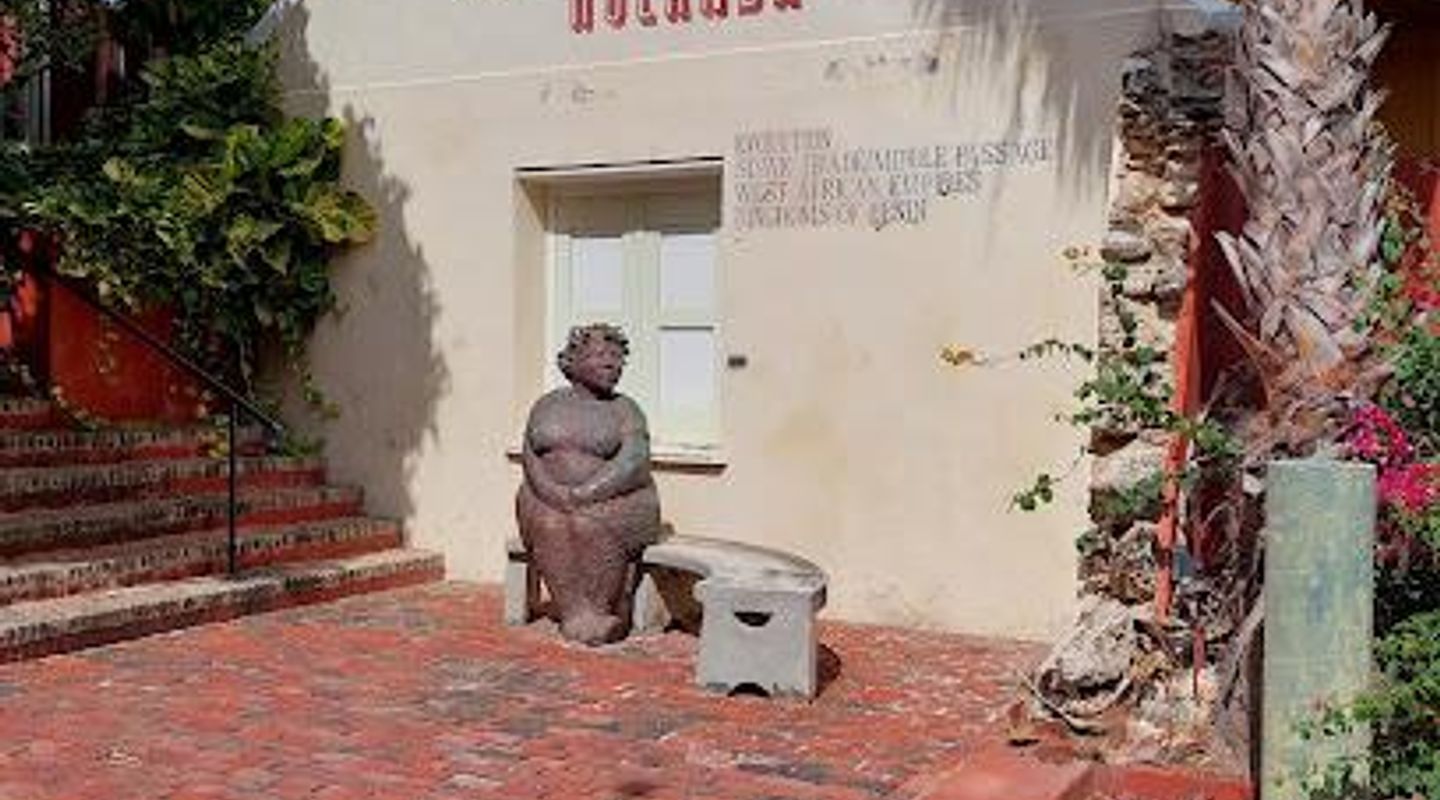
Museum Kura Hulanda, Otrobanda Travel Guide
Explore the poignant history of the transatlantic slave trade and its impact on Curaçao at the Kura Hulanda Museum, a powerful and moving cultural experience in Willemstad.
The Kura Hulanda Museum, located in the heart of Willemstad's Otrobanda district, offers a profound and moving exploration of the transatlantic slave trade and its impact on Curaçao and the wider Caribbean. Housed within meticulously restored 18th and 19th-century Dutch colonial buildings, the museum presents a comprehensive chronicle of the African diaspora, from the origins of humankind and the vibrant West African empires to the horrors of enslavement and the enduring legacy of African culture in the Americas. Through powerful artifacts, compelling exhibits, and evocative displays, visitors gain a deeper understanding of this complex history and its lasting significance. The museum also highlights the resilience and cultural contributions of enslaved people, showcasing the ways in which African traditions and beliefs shaped Caribbean societies. A visit to Kura Hulanda is an essential experience for anyone seeking to connect with Curaçao's past and reflect on the human cost of slavery.
A brief summary to Museum Kura Hulanda
- 9 Klipstraat, Willemstad, Otrobanda, CW
- Click to display
- Click to display
- Monday 8 am-4 pm
- Tuesday 8 am-4 pm
- Wednesday 8 am-4 pm
- Thursday 8 am-4 pm
- Friday 8 am-4 pm
- Saturday 8 am-4 pm
- Sunday 9 am-2 pm

Know before you go
Hi, I'm Eve. Here are a few practical things to know before exploring Museum Kura Hulanda.
- Allocate at least 3 hours to fully explore the museum's extensive exhibits and allow time for reflection.
- Consider taking a guided tour in Dutch or English for a deeper understanding of the historical context and artifacts.
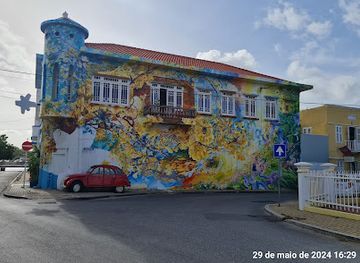
- Combine your visit with a stroll through the historic Otrobanda district to experience the vibrant culture and street art.
- Check the museum's opening hours, as it is closed on official holidays.
Do you manage this location?
Take control to get all the benefits, like improved information, better appearance, and stronger visibility across AI-powered discovery. Learn more about listing your business on Evendo
Activate your presenceOther nearby places you may find interesting
The closest places of the same kind, if this one is not quite what you had in mind.

Explore Museum Kura Hulanda on the Map
A handpicked selection of must-see spots near Museum Kura Hulanda, mapped for you.
Unlock the Best of Museum Kura Hulanda
Buy tickets
-
No tickets available
Book tours with entry


Book tours without entry

Getting There
-
Walking
Museum Kura Hulanda is located in the Otrobanda district of Willemstad, easily accessible on foot from most central locations in Otrobanda and Punda. From the Queen Emma Bridge, walk west along the waterfront. Turn left onto Klipstraat. The museum will be on your left. Look for the Kura Hulanda Village entrance. The walk is approximately 5-10 minutes from the bridge.
-
Public Transport
If arriving by public transport from other parts of Curaçao, take a bus to the Otrobanda bus terminal. From the terminal, walk north towards the waterfront and turn left onto Klipstraat. The museum will be on your left. Bus fare is around 2 ANG.
-
Taxi/Ride-Share
Taxis and ride-sharing services are readily available in Willemstad. Simply ask your driver to take you to Museum Kura Hulanda on Klipstraat in Otrobanda. A taxi from Punda or other areas in Willemstad will cost approximately 20-30 ANG.
-
Driving
If driving, navigate to Otrobanda and follow signs for Kura Hulanda Village. Parking is available in the area, but it can be limited. Paid parking is enforced from Monday to Saturday between 8:00 AM and 6:00 PM, costing 1 ANG per hour. You can pay at parking meters using coins or a prepaid parking card. Alternatively, free parking can be found further away from the city center.
Discover more about Museum Kura Hulanda













Your all‑in‑one travel companion app
Explore expert travel guides, compare and book tours, experiences, hotels, and more—all from the palm of your hand. Download now for seamless trip planning wherever your wanderlust takes you.


Explore More of Otrobanda
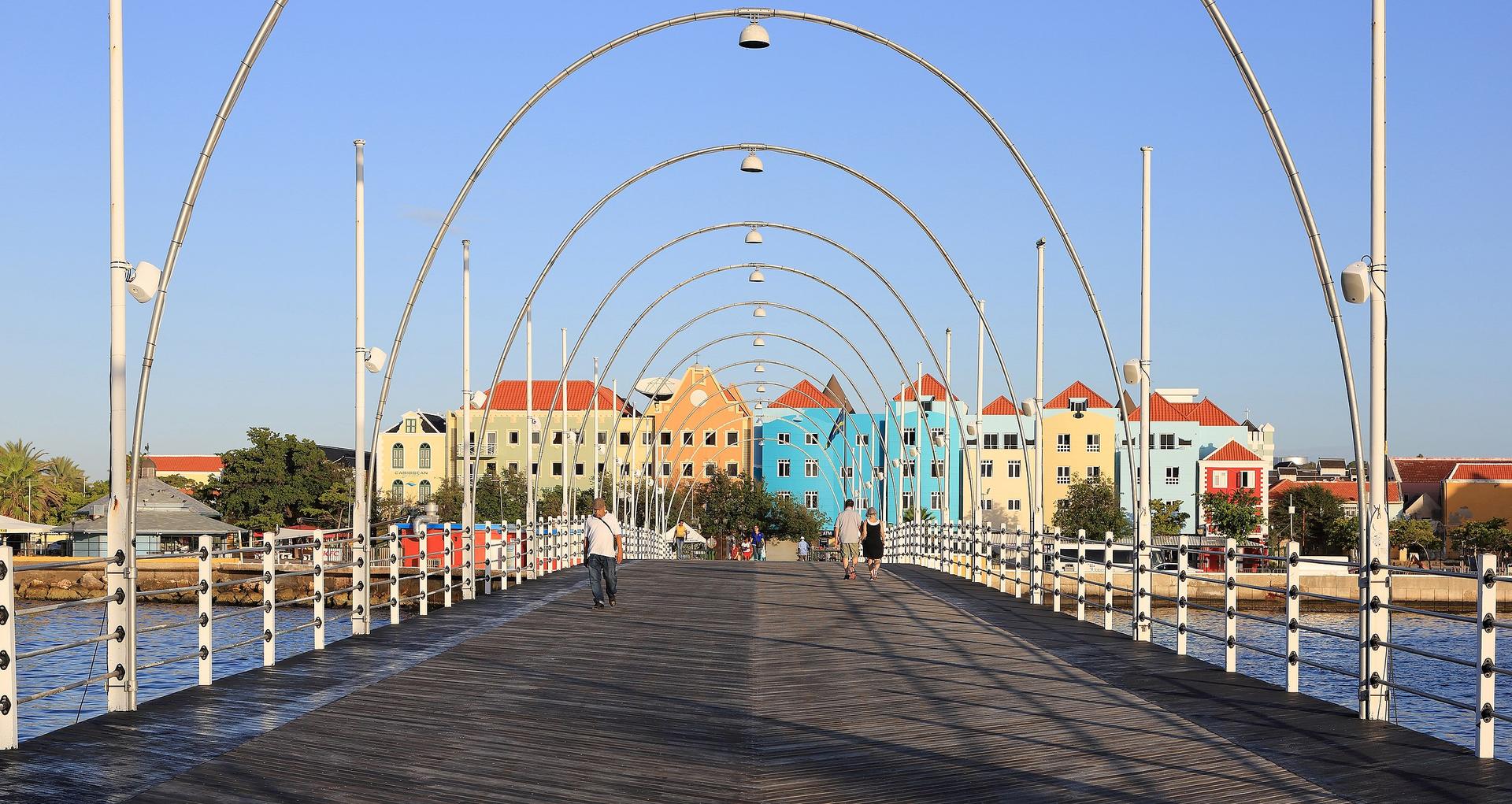
Looking beyond Museum Kura Hulanda? Discover Otrobanda for broader travel guides, local hot-spots, and regional highlights.
Explore Otrobanda
Experience the rich flavors of Curaçao rum at AnnaBay Club, a must-visit store in Willemstad's historic Punda district.
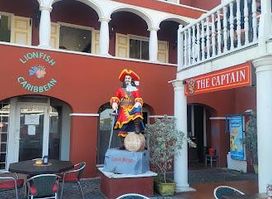
Experience Curaçao's vibrant culture at The Captain, a waterfront bar in Otrobanda offering stunning views, refreshing drinks, and a taste of local hospitality near the Queen Emma Bridge.