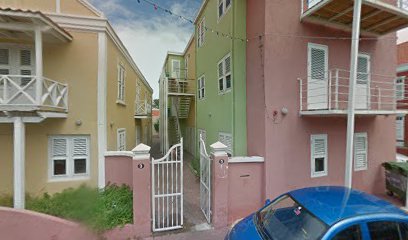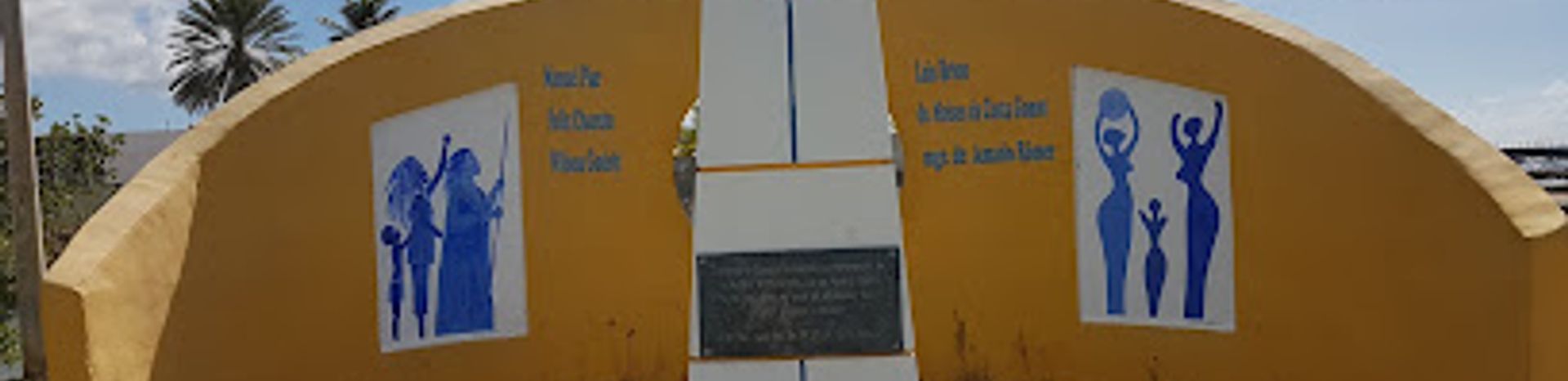
Desenkadená: A Symbol of Freedom
A powerful monument in Willemstad, Curaçao, commemorating the Curaçao Slave Revolt of 1795 and its leader, Tula, symbolizing freedom and resilience.
Desenkadená, also known as the Tula Monument, is a powerful monument in Willemstad, Curaçao, commemorating the Curaçao Slave Revolt of 1795 and its leader, Tula. The bronze sculpture depicts the breaking of chains, symbolizing the fight for freedom and the end of slavery. Located in the Parke Lucha pa Libertat (Park of the Fight for Freedom), the monument serves as a reminder of the island's history and the struggle for human rights. It is a moving and thought-provoking site, inviting visitors to reflect on the past and the ongoing pursuit of equality. The monument is easily accessible and offers a profound cultural experience, making it a must-see for anyone interested in Curaçao's heritage and the history of slavery. The site also serves as a location for annual commemorations, reinforcing its importance to the local community.
A brief summary to Desenkadená; Unchained (Tula Monument)
- 4352+9FW, Willemstad, Otrobanda, CW
- Monday 12 am-12 am
- Tuesday 12 am-12 am
- Wednesday 12 am-12 am
- Thursday 12 am-12 am
- Friday 12 am-12 am
- Saturday 12 am-12 am
- Sunday 12 am-12 am
Local tips
- Visit on August 17th for the annual Fight for Freedom Day commemoration to witness local traditions and pay respects.
- Combine your visit with a trip to the nearby Kura Hulanda Museum for a deeper understanding of Curaçao's slavery history.
- Take a moment to reflect on the monument's message of freedom and resilience while enjoying the scenic coastal views.

Getting There
-
Walking
From the Queen Emma Bridge in Punda, cross into Otrobanda. Upon exiting the bridge, turn left and walk along the waterfront. Continue past the Renaissance Mall and Rif Fort. The Desenkadená monument will be on your left, within the Parke Lucha pa Libertat. The walk is approximately 10-15 minutes. There are no costs associated with walking.
-
Public Transport
From the main bus terminal in Punda, take a Konvoi bus or a smaller 'BUS' to Otrobanda. Ask the driver to stop near the Rif Fort or the roundabout close to the baseball stadium. From either of these points, the monument is a short walk away (5-10 minutes). Expect to pay around 2 ANG for a single bus fare. Keep in mind that the buses have no fixed bus stops.
-
Taxi/Ride-Share
Taxis and ride-sharing services are readily available in Willemstad. Request a ride to the Tula Monument or Parke Lucha pa Libertat in Otrobanda. A short taxi ride from Punda or the cruise terminal will cost approximately 25-35 ANG, depending on traffic and distance.
-
Driving
If driving, navigate to Otrobanda and follow signs towards the Rif Fort. Free parking is available near the baseball stadium, a short walk from the monument. Alternatively, paid parking is available at the Renaissance Mall & Rif Fort. Paid parking costs 1 ANG per hour, with an additional 0.50 ANG for every extra half hour.
Discover more about Desenkadená; Unchained (Tula Monument)
Iconic landmarks you can’t miss

Tula Statue
0.0 km
Explore the Tula Statue in Willemstad, a powerful tribute to freedom and resilience, and a must-see for anyone visiting Curaçao's vibrant culture.

Freedom monument
0.1 km
Discover the rich history and cultural significance of the Freedom Monument in Willemstad, Curaçao, a must-see tourist attraction for every visitor.
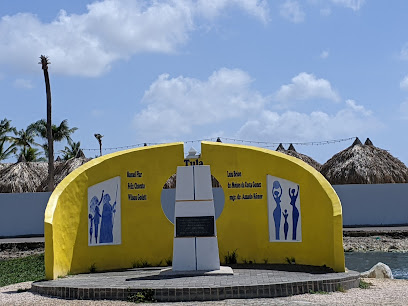
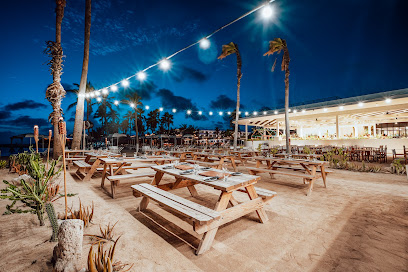
The Rif at Mangrove Beach Corendon Curacao All-Inclusive, Curio by Hilton
0.4 km
Discover luxury and relaxation at The Rif at Mangrove Beach Curacao, an all-inclusive resort offering breathtaking views and exceptional service.
Kas di Piskado Purunchi
0.5 km
Experience authentic Curaçaoan seafood at this charming fisherman's house, serving the freshest catch of the day with stunning ocean views.
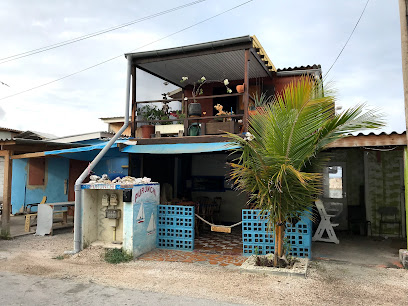
Mangrove Beach Corendon Curacao All-Inclusive Resort, Curio by Hilton
0.7 km
Experience the ultimate tropical getaway at Mangrove Beach Corendon Curacao All-Inclusive Resort, where luxury meets island charm for an unforgettable vacation.
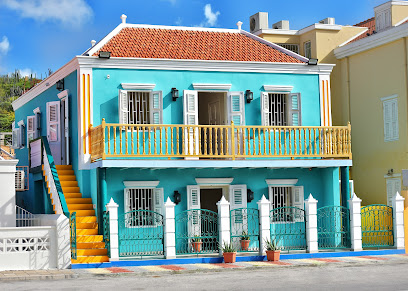
Turquoise - Dream
0.8 km
Discover the charm of Curaçao at Turquoise - Dream, a delightful bed and breakfast in the heart of Willemstad, blending comfort with vibrant local culture.
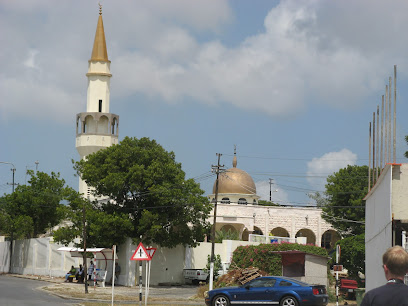
Omar Bin Al-Khattab Mosque Curaçao
0.8 km
Discover the serene beauty of the Omar Bin Al-Khattab Mosque in Willemstad, a stunning landmark celebrating Curaçao's cultural diversity.
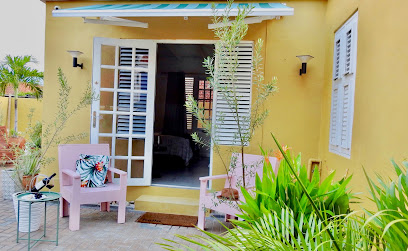
Historic Building Palm Studio Curacao Willemstad City Center
1.0 km
Experience Curaçao's charm from a historic Willemstad building, offering modern comfort and easy access to the city's vibrant culture.
Burgerlijke Stand Curacao
1.0 km
Explore the cultural essence of Willemstad at Burgerlijke Stand Curacao, a vital registry office showcasing the island's rich history and vibrant community.
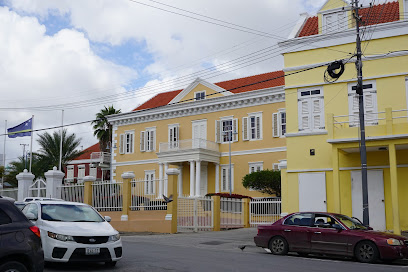
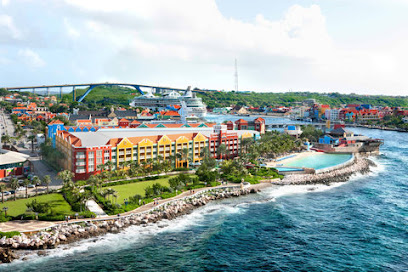
Renaissance Wind Creek Curacao Resort
1.1 km
Experience luxury and local charm at Renaissance Wind Creek Curacao Resort, where relaxation meets adventure in a tropical paradise.
Curaçao Monumental Apartments
1.2 km
Experience the vibrant culture of Curaçao from the comfort of Curaçao Monumental Apartments in Otrobanda, Willemstad.
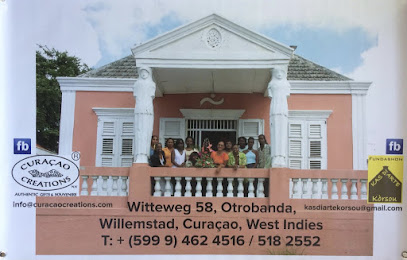
Curacao creations
1.2 km
Explore Curacao Creations for unique, handcrafted artistic treasures that embody the vibrant culture of Willemstad, Curaçao.
Unmissable attractions to see

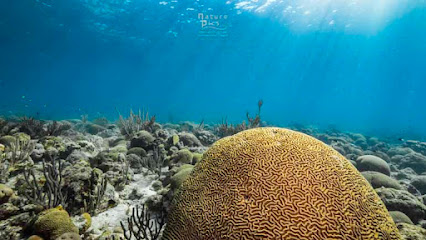
Double Reef
0.1 km
Discover the vibrant underwater world and breathtaking beauty of Double Reef in Willemstad, Curaçao, perfect for diving enthusiasts and nature lovers.
Zakitó Welcome mural
0.2 km
Discover the Zakitó Welcome Mural in Willemstad, Curaçao – a colorful symbol of local culture and hospitality that captures the island's vibrant spirit.
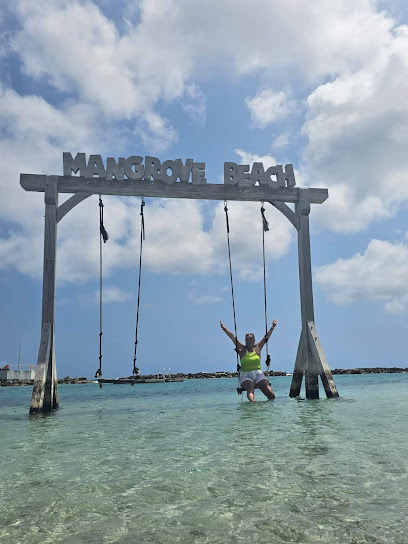
Mangrove Beach Resort swing
0.2 km
Discover the stunning Mangrove Beach Resort Swing in Willemstad, Curaçao, where adventure meets relaxation amidst breathtaking natural beauty.
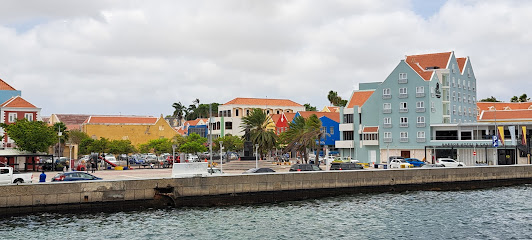
Zakitó Ode to our Fishermen mural
0.4 km
Explore the Zakitó Ode to our Fishermen mural in Willemstad, a vibrant tribute celebrating Curaçao's fishing heritage and artistic spirit.
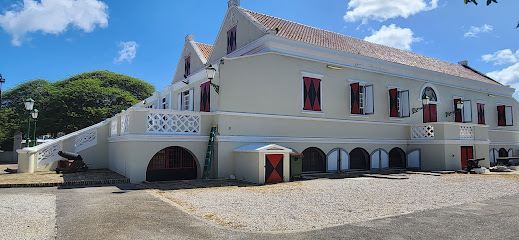
The Curaçao Museum
0.4 km
Explore the vibrant history and culture of Curaçao at The Curaçao Museum, where art and heritage come together in a unique journey.
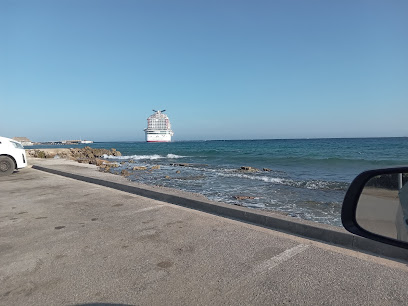
MV Superior Producer - Curaçao Iconic Shipwreck
0.6 km
Explore the MV Superior Producer Shipwreck in Curaçao, a diver's paradise filled with history and vibrant marine life.
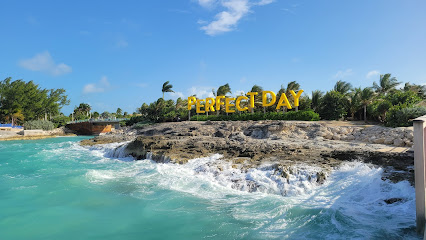
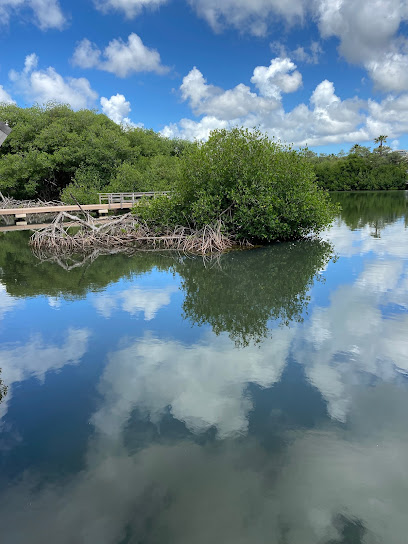
Curaçao Rif Mangrove Park
0.7 km
Discover the serene beauty of Curaçao Rif Mangrove Park, a nature preserve filled with lush mangroves, vibrant wildlife, and peaceful waterways.
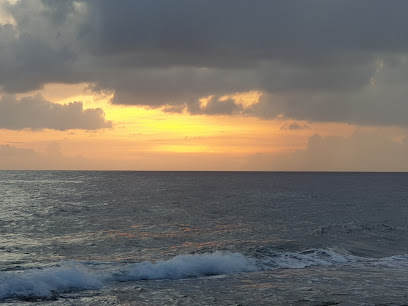
Playa Zakitó (beach)
0.7 km
Experience the serene beauty of Playa Zakitó, a hidden beach paradise in Willemstad, Curaçao, perfect for relaxation and stunning sunsets.
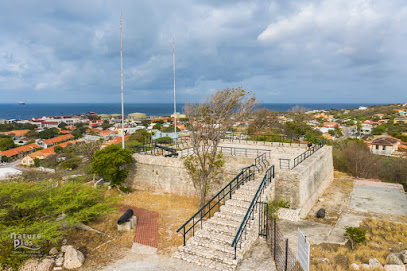
Fort Waakzaamheid
0.7 km
Discover the history and beauty of Fort Waakzaamheid in Willemstad, Curaçao - a historic fort with stunning views and rich heritage.
Curaçao Cruise Terminal
0.9 km
Discover the vibrant Curaçao Cruise Terminal, your gateway to stunning beaches, rich culture, and unforgettable island experiences.
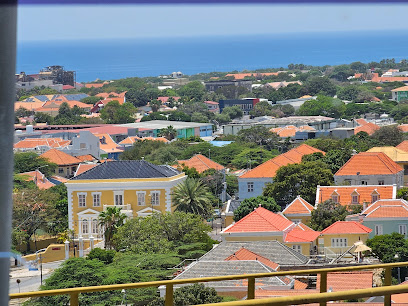
Gouverneur van Slobbeweg
0.9 km
Explore the vibrant history and stunning architecture of Gouverneur van Slobbeweg in Willemstad, a picturesque gem in Curaçao's Caribbean paradise.
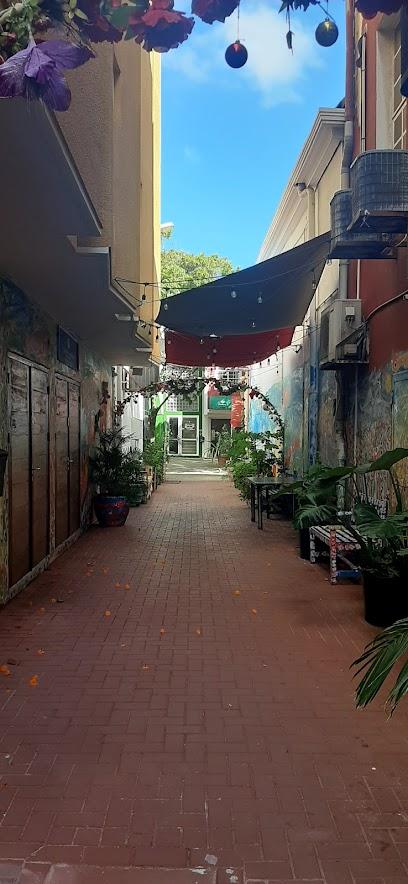
Cruise Pier Curaçao
0.9 km
Experience the vibrant atmosphere of Cruise Pier Curaçao, where stunning scenery meets local culture in the heart of Willemstad.
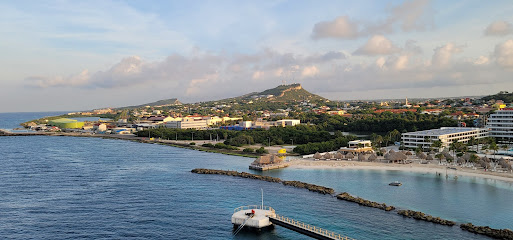
Otrobanda
0.9 km
Experience the colorful charm of Otrobanda, a vibrant neighborhood in Willemstad, Curaçao, filled with rich history, delicious cuisine, and lively culture.
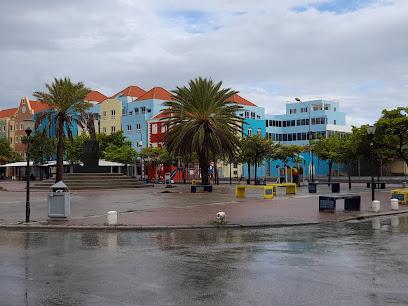
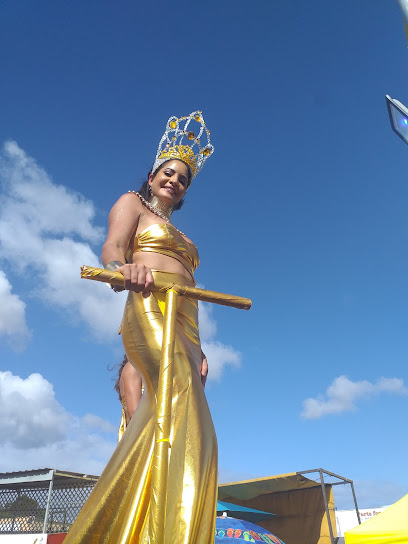
Curaçao Carnaval
0.9 km
Discover the dazzling Curaçao Carnaval, where vibrant parades, rich culture, and infectious music unite for an unforgettable celebration.
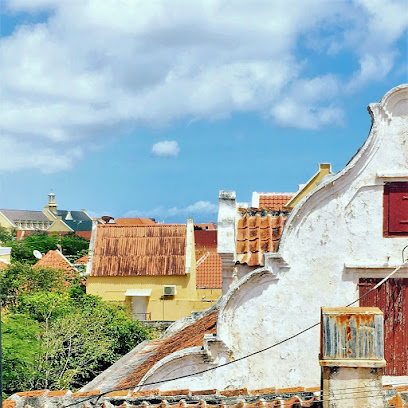
Huize Batavia
1.0 km
Explore Huize Batavia, a beautifully preserved 300-year-old historical landmark in Willemstad, Curaçao, rich in culture and architectural charm.
Essential places to dine

Tavern Seafood Restaurant
0.2 km
Experience authentic Caribbean seafood at Tavern Seafood Restaurant in Willemstad, where freshness meets flavor in a warm and inviting atmosphere.
The Food Street
0.2 km
Discover an array of delectable dishes at The Food Street in Willemstad - where culinary diversity meets Caribbean charm.
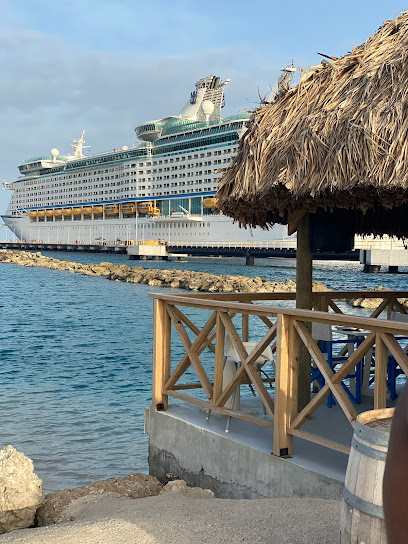
Saltwater Rifterrace
0.4 km
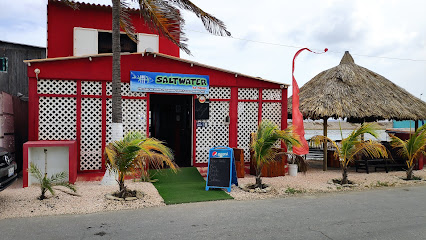
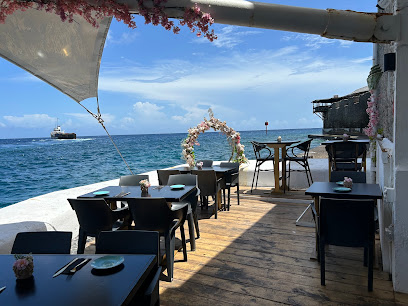
Discover the flavors of Curaçao at Saltwater Rifterrace, where fresh angler fish meets stunning Caribbean views.
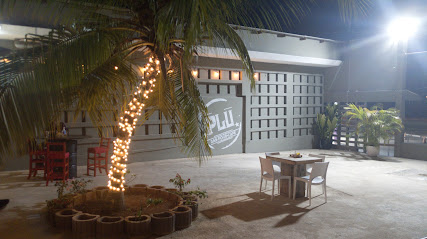
Plu Cafe
0.5 km
Discover the vibrant flavors of South America at Plu Cafe in Willemstad - a culinary haven for food enthusiasts.
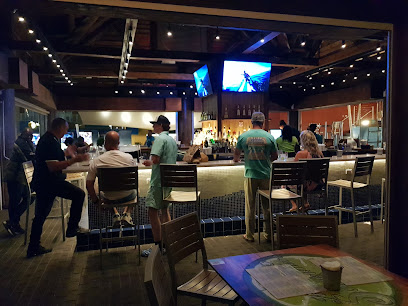
5 O'clock Somewhere Curaçao
1.1 km
Discover the perfect blend of relaxation and vibrant Caribbean flavors at 5 O'clock Somewhere Curaçao.
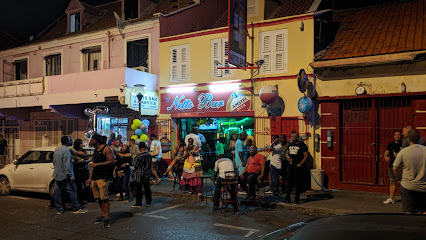
Z-kung fu BAR & RESTAURANT
1.1 km
Experience exquisite dining at Z-kung fu BAR & RESTAURANT in Willemstad, Curaçao - where local flavors meet global culinary artistry.
Porto Curaçao Restaurant
1.2 km
Experience the vibrant culinary scene at Porto Curaçao Restaurant in Willemstad—where local flavors meet international flair.
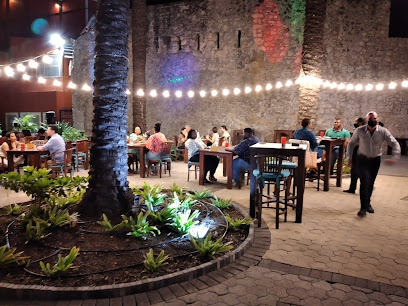
Douwe Egberts Café
1.2 km
Experience the rich flavors of Curaçao at Douwe Egberts Café—where exceptional coffee meets local charm.
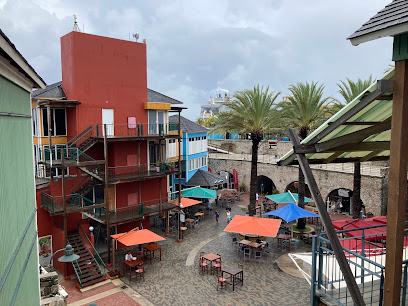
Gondola
1.2 km
Experience authentic Italian flavors at Gondola in Willemstad, Curaçao—where every meal feels like a journey through Italy.
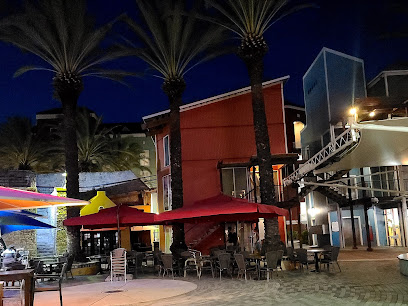
Kaya91 Curacao
1.2 km
Discover the vibrant tastes of Kaya91 Curacao - where Caribbean flavors meet modern creativity in a charming setting.
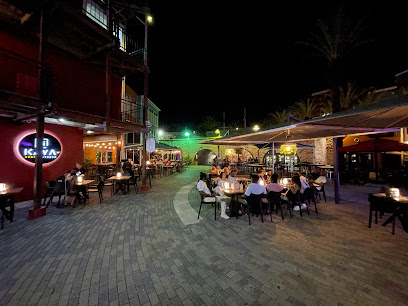
Xingki Bar Restaurant
1.2 km
Experience exquisite Caribbean cuisine at Xingki Bar Restaurant in vibrant Willemstad—where every bite tells a story.
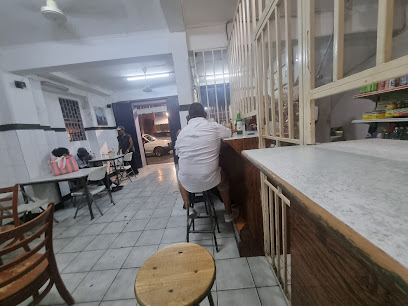
Steak & Ribs
1.3 km
Savor mouthwatering steaks and ribs at Steak & Ribs in Willemstad – where flavor meets ambiance in the heart of Curaçao.
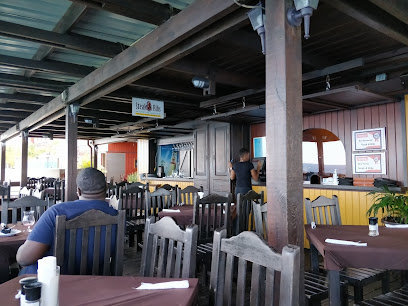
Ceviche 91 gastrobar
1.3 km
Experience fresh seafood like never before at Ceviche 91 gastrobar in Willemstad, Curaçao - where every bite tells a story.
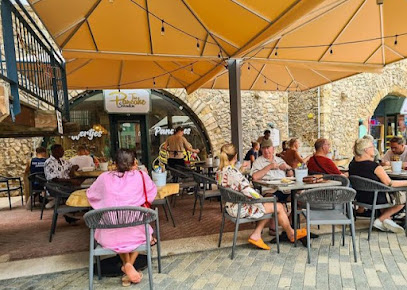
The Pancake Sensation
1.3 km
Experience the ultimate pancake paradise at The Pancake Sensation in Willemstad, Curaçao - a breakfast lover's dream come true.
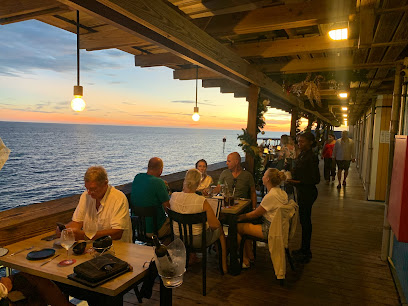
Ocean House 19 - Seafood Bistro & Bar
1.3 km
Experience culinary bliss at Ocean House 19 in Willemstad, Curaçao—where fresh seafood meets breathtaking views.
Markets, malls and hidden boutiques

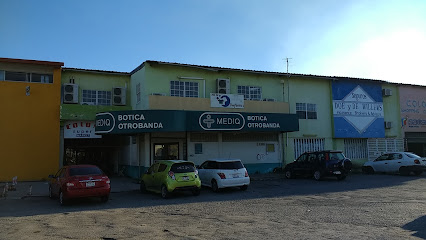
Colon Winkelcentrum
0.8 km
Discover a shopping paradise at Colon Winkelcentrum in Willemstad, where local charm meets international retail in a vibrant atmosphere.
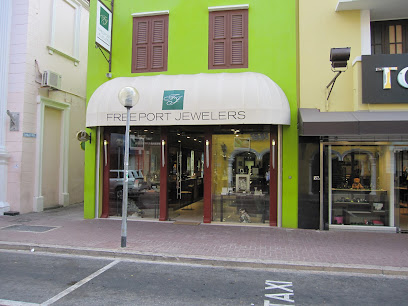
Freeport Jewelers
0.9 km
Explore Freeport Jewelers for exquisite handcrafted jewelry and exceptional customer service in a vibrant shopping destination.
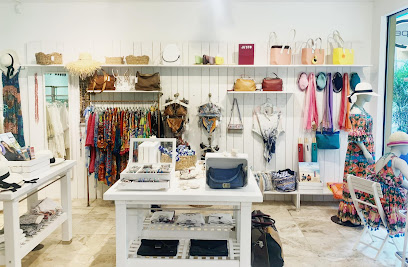
Capri curacao
1.1 km
Discover unique clothing at Capri Curacao, a must-visit store in Willemstad's Renaissance Mall, blending style with the vibrant spirit of the Caribbean.
wavelife
1.1 km
Discover Wavelife in Curaçao: Your one-stop shop for surfboards, accessories, and expert advice on the vibrant island's surf culture.
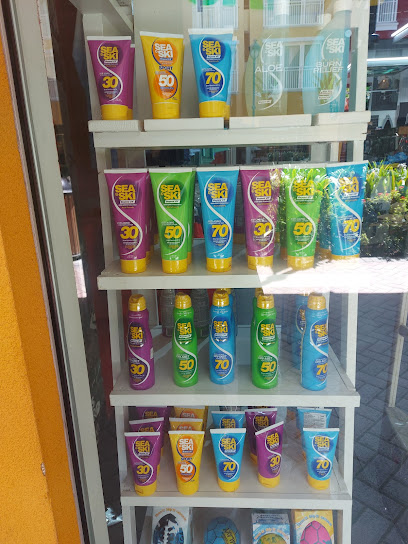
PRAIA Brazilian Beachwear
1.1 km
Explore stylish beachwear at PRAIA Brazilian Beachwear in Curacao, your go-to shop for trendy swimsuits and accessories.

Soho Boutique
1.2 km
Discover the unique blend of local and international fashion at Soho Boutique in Willemstad's Renaissance Mall.
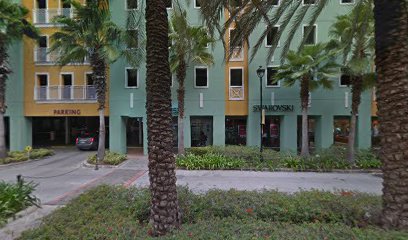
MomCo Curacao
1.2 km
Explore the vibrant charm of MomCo Curacao, your go-to destination for unique gifts and baby clothing in Willemstad.
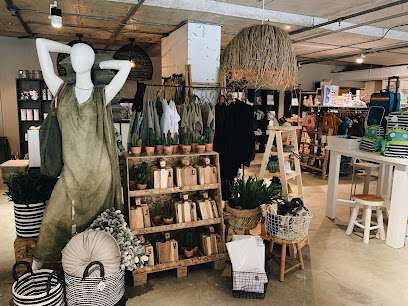
Cariloha and Del Sol
1.2 km
Explore eco-friendly fashion and innovative color-changing apparel at Cariloha and Del Sol in the heart of Willemstad, Curaçao.
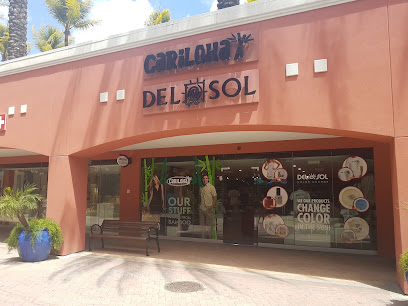
Blissful Waves
1.2 km
Explore Blissful Waves for locally crafted gifts and souvenirs that capture the vibrant spirit of Curaçao.
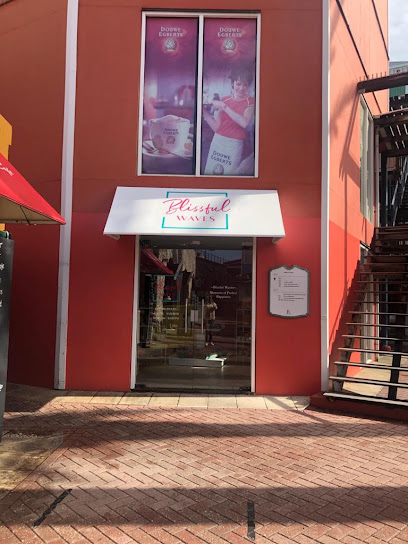
Buddha to Buddha Curacao
1.2 km
Discover exquisite handcrafted jewelry at Buddha to Buddha Curacao, where artistry meets the tranquil spirit of the island.
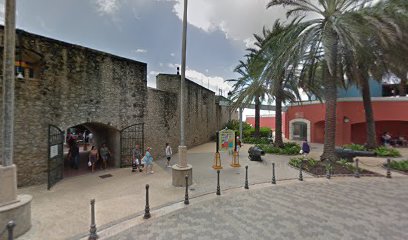
Graficos Fashion
1.2 km
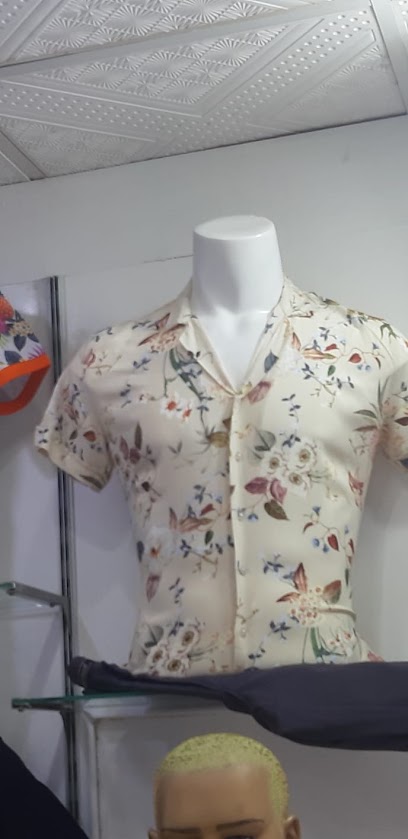
Discover vibrant fashion at Graficos Fashion, where style meets the colorful spirit of Curaçao's culture.
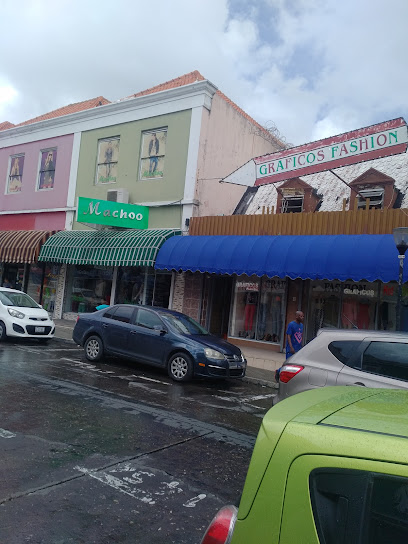
SUPERLINE OTRABANDA Curacao
1.3 km
Immerse yourself in Curacao's vibrant culture with unique clothing and accessories at SUPERLINE OTRABANDA, where Caribbean fashion awaits.
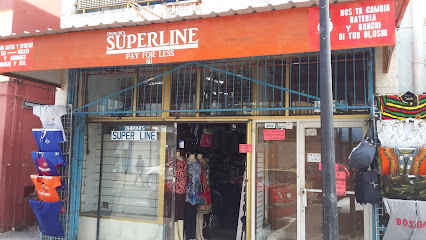
Notion Exclusive Men & Children Clothes
1.3 km
Explore exclusive men and children’s fashion at Notion in Willemstad, offering unique styles that embody the vibrant spirit of Curaçao.
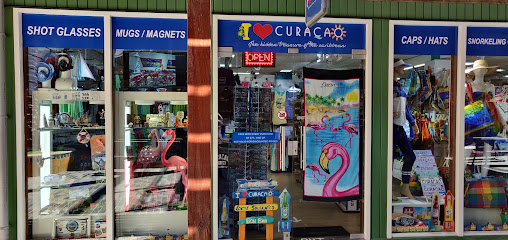
I love Curacao #The hidden beauty of the Caribbean
1.3 km
Uncover the vibrant essence of Curacao at this charming souvenir store, filled with unique treasures and local artistry.
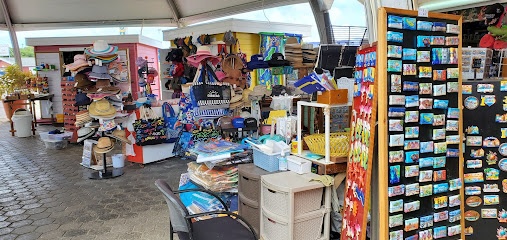
Renaissance Mall & Rif Fort
1.3 km
Experience the vibrant shopping and dining scene at Renaissance Mall & Rif Fort, a delightful destination in Willemstad, Curaçao.
Essential bars & hidden hideouts

Flamingo Beach Bar
0.2 km
Unwind at Flamingo Beach Bar in Willemstad, Curaçao, where stunning views and delicious cocktails create the ultimate beachside experience.
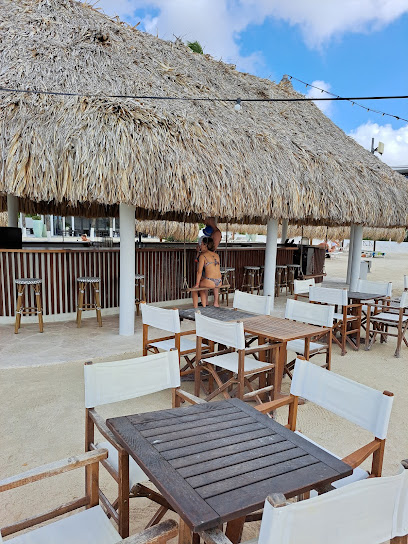
Coco Pool Bar
0.2 km
Discover the vibrant Coco Pool Bar in Willemstad, a tropical haven for relaxation with signature cocktails and a lively atmosphere.
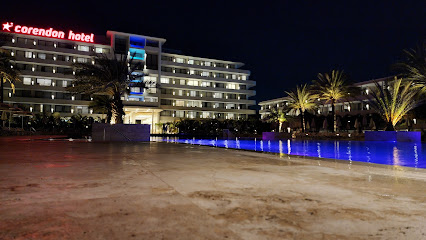
Pera Lobby Bar & Patisserie
0.3 km
Experience the elegance of Pera Lobby Bar & Patisserie in Willemstad, where exquisite pastries meet crafted cocktails in a sophisticated setting.
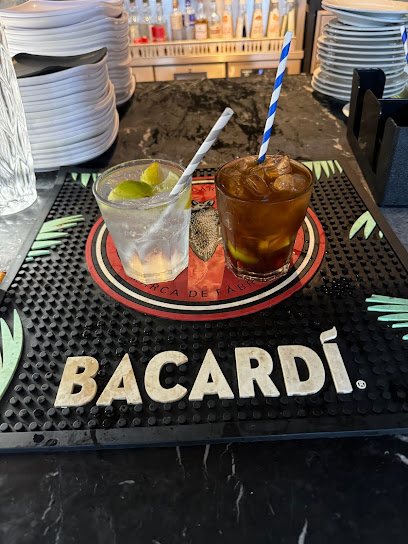
Blastbar qrasow
1.0 km
Discover the lively Blastbar Qrasow in Willemstad, Curaçao - a perfect blend of local flavors, vibrant culture, and stunning waterfront views.
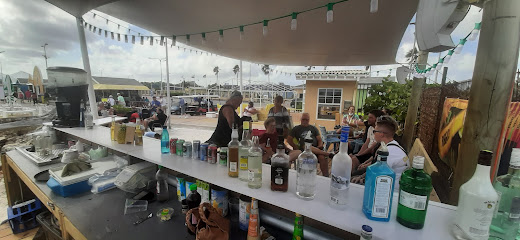
Blue bar
1.1 km
Experience the vibrant nightlife at Blue Bar in Otrobanda, where refreshing drinks meet stunning Caribbean views.
Terrace Plaza
1.1 km
Discover the vibrant atmosphere of Terrace Plaza, a must-visit bar in Willemstad, offering refreshing drinks and local culture.
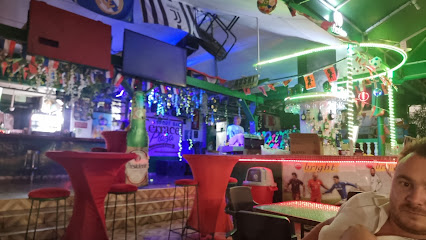
Infinity Pool Bar & Grill
1.2 km
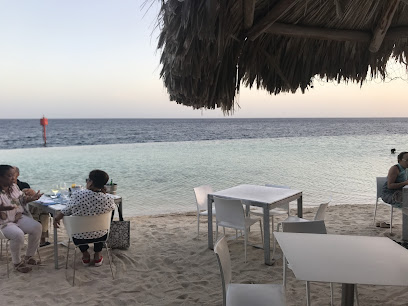
Experience the perfect blend of breathtaking views and exquisite grilled cuisine at Infinity Pool Bar & Grill in beautiful Curaçao.
Nightclubs & after hour spots

Grand Central Bar & Lounge
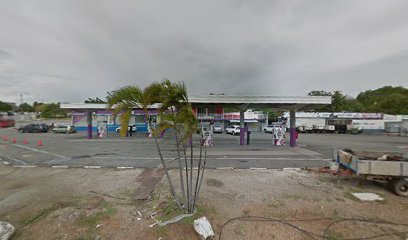
0.5 km
Discover the pulsating nightlife at Grand Central Bar & Lounge in Willemstad, Curaçao, where cocktails and music come alive in a vibrant setting.
Nightclub Havana Vieja
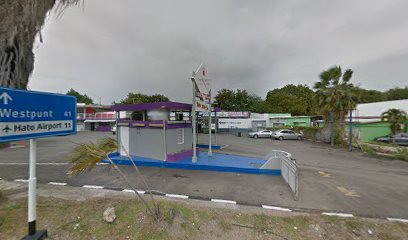
0.5 km
Discover the pulse of Willemstad at Nightclub Havana Vieja, where vibrant music and electrifying dance create unforgettable experiences in Curaçao's nightlife.
NEW KING
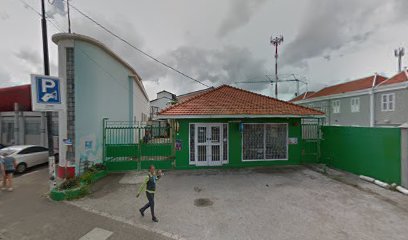
0.9 km
Discover the vibrant nightlife of Curaçao at NEW KING Bar in Otrobanda, where local flavors meet a lively atmosphere for an unforgettable experience.
Doo-shee cocktail bar
1.2 km
Experience the vibrant nightlife of Willemstad at Doo-shee Cocktail Bar, where exceptional cocktails and a lively atmosphere await you.
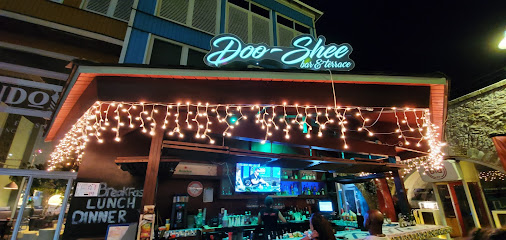
Rif fort bar
1.3 km
Discover the lively Rif Fort Bar in Willemstad, Curaçao, where Caribbean views and vibrant nightlife create unforgettable memories.
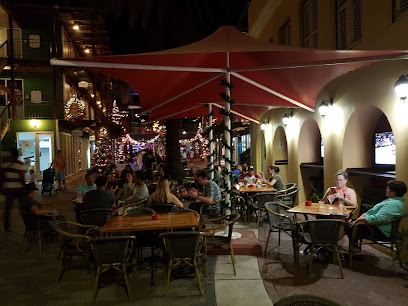
JJ Discobar
1.3 km
Discover the pulsating nightlife and vibrant atmosphere at JJ Discobar in Willemstad, Curaçao - a must-visit bar for every traveler.
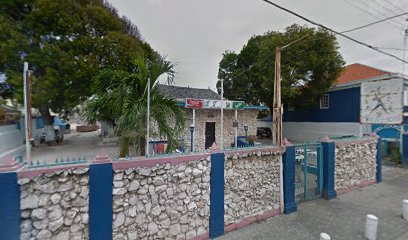
GAZE Bar & Lounge Curaçao
1.7 km
Experience vibrant nightlife at GAZE Bar & Lounge, Curaçao's premier spot for cocktails, live music, and dancing in a welcoming atmosphere.
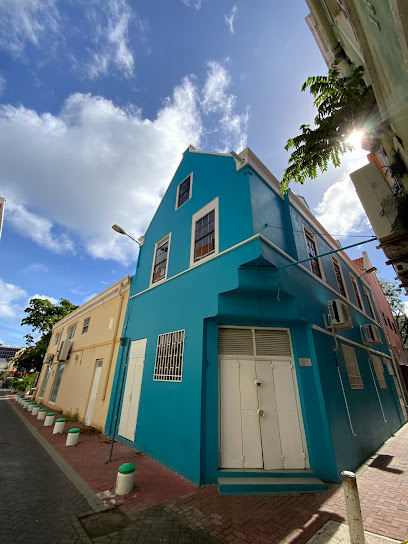
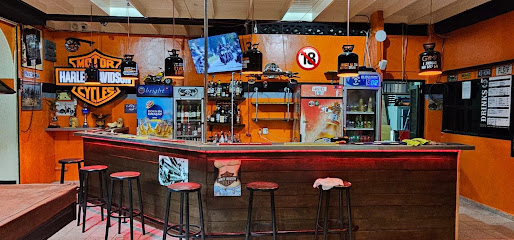
WildHogs MC/ Hogs Nest
1.8 km
Discover the electrifying nightlife at WildHogs MC / Hogs Nest in Willemstad, Curaçao, where music and fun come together for an unforgettable evening.
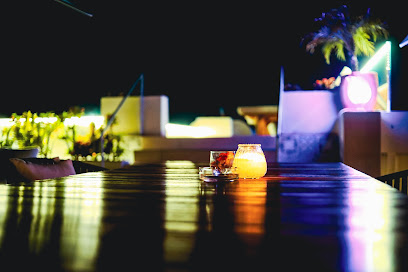
Cascada Rooftop Bar + Kitchen
1.8 km
Experience breathtaking views and a fusion of flavors at Cascada Rooftop Bar + Kitchen in Willemstad, Curaçao.
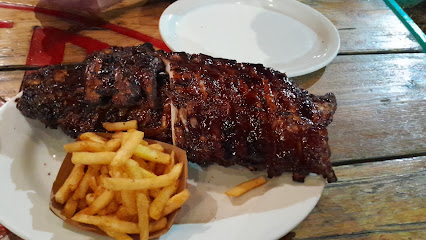
Cafe De Tijd
1.9 km
Experience the heartbeat of Willemstad's nightlife at Cafe De Tijd, a lively night club offering music, dance, and unforgettable moments.
Club Knarp - Bar&Nightlife
2.3 km
Explore vibrant nightlife at Club Knarp, a premier night club in Willemstad, Curaçao, where music and energy come alive every weekend.
Club Patio - Bar&Nightlife
2.3 km
Discover the pulsating heart of Curaçao's nightlife at Club Patio, where unforgettable nights and vibrant energy meet.