
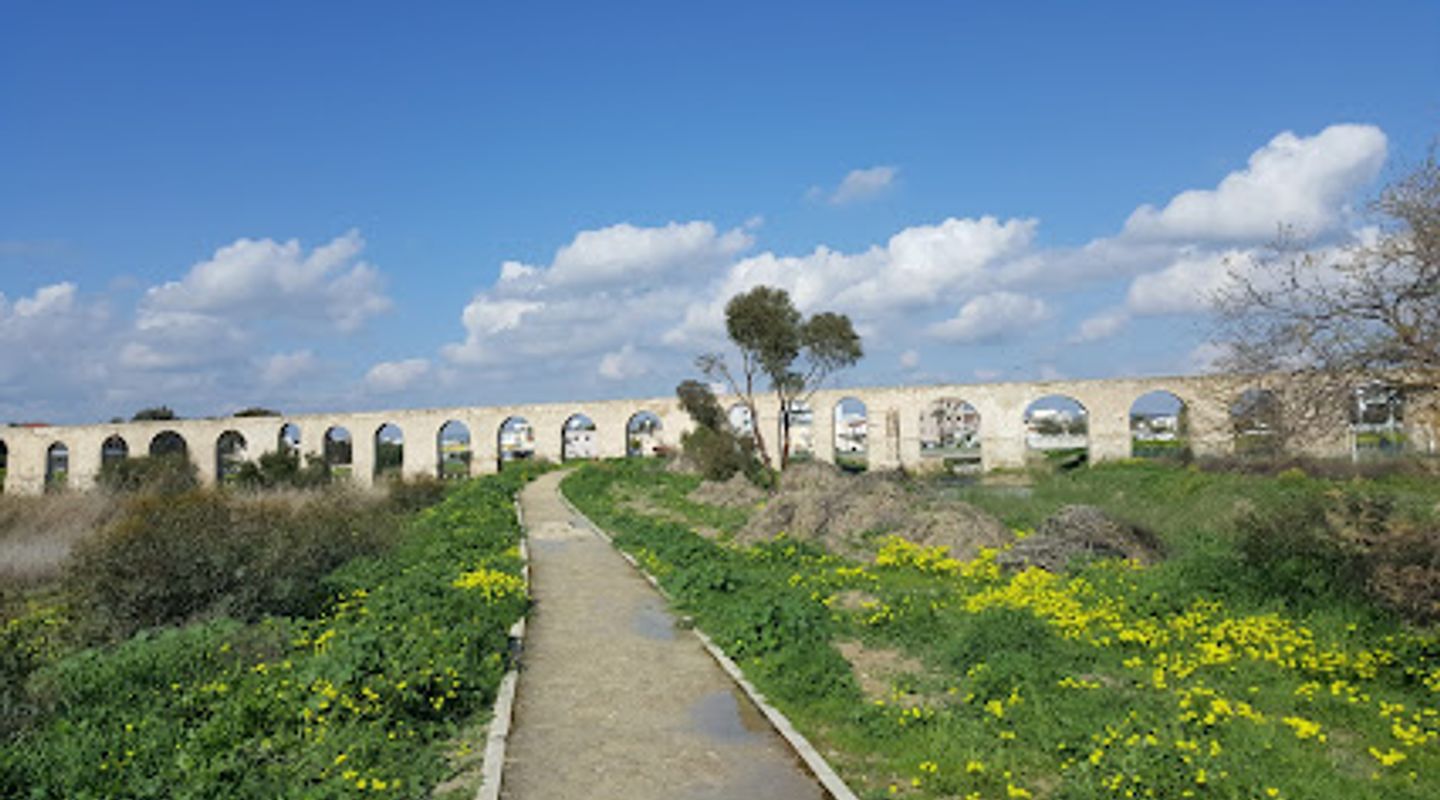
Kamares Aqueduct, Larnaca District Travel Guide
Discover the historical Kamares Aqueduct in Larnaca, an 18th-century marvel showcasing Ottoman engineering and offering tranquil walks amidst Cyprus's rich cultural heritage.
The Kamares Aqueduct, located on the outskirts of Larnaca, Cyprus, is an impressive 18th-century structure that once supplied the city with fresh water. Built in 1746 by Ottoman Governor Bekir Pasha, the aqueduct showcases a blend of Roman and Ottoman engineering. Featuring a series of elegant arches, the aqueduct stretches across the landscape, offering a glimpse into the island's rich history and architectural ingenuity. Today, it stands as a cultural heritage site, attracting visitors with its well-preserved state and scenic surroundings. The site provides a tranquil escape, perfect for leisurely walks and photography, especially when the arches are beautifully illuminated at night. A visit to the Kamares Aqueduct offers a unique opportunity to connect with Cyprus's past and appreciate the enduring legacy of its historical landmarks, making it a worthwhile destination for any traveler exploring Larnaca.
A brief summary to Kamares Aqueduct
- WJ72+C3Q, Larnaca, 6040, CY
- Click to display

Know before you go
Hi, I'm Eve. Here are a few practical things to know before exploring Kamares Aqueduct.
- Visit during sunset for stunning photo opportunities as the golden light illuminates the arches.
- Combine your visit with a walk around the nearby Larnaca Salt Lake to spot flamingos and other bird species.
- Explore the aqueduct at night to see it beautifully illuminated, offering a different perspective.
- Wear comfortable shoes for walking along the cobbled paths and exploring the surrounding area.
- Bring water and snacks, as there are limited facilities nearby.
Do you manage this location?
Take control to get all the benefits, like improved information, better appearance, and stronger visibility across AI-powered discovery. Learn more about listing your business on Evendo
Activate your presenceOther nearby places you may find interesting
The closest places of the same kind, if this one is not quite what you had in mind.
Explore Kamares Aqueduct on the Map
A handpicked selection of must-see spots near Kamares Aqueduct, mapped for you.
Getting There
-
Public Transport
From the center of Larnaca, several bus routes will take you to the Kamares Aqueduct. Look for routes 420, 421, 448, 452, 455, 408, 410, 412, 413, and 414. These buses stop near the aqueduct on Limassol Avenue. A single bus fare costs approximately €1.50, payable in cash on the bus. From the 'Limassol Avenue 5' bus stop, it's a short walk to the aqueduct.
-
Taxi/Ride-Share
Taxis and ride-sharing services are readily available in Larnaca. A taxi ride from the city center to the Kamares Aqueduct typically takes around 10 minutes and costs between €8 and €10. Ensure the driver knows the location, referring to it as the 'Kamares Aqueduct' or 'Old Aqueduct' to avoid confusion.
-
Walking
If you're near the Larnaca Salt Lake or the Hala Sultan Tekke, you can walk to the Kamares Aqueduct. Follow the signs towards Limassol Avenue; the aqueduct will be visible from the road. The walk from the Salt Lake area is approximately 30-45 minutes. No costs are associated with walking.
Discover more about Kamares Aqueduct













Your all‑in‑one travel companion app
Explore expert travel guides, compare and book tours, experiences, hotels, and more—all from the palm of your hand. Download now for seamless trip planning wherever your wanderlust takes you.


Explore More of Larnaca District
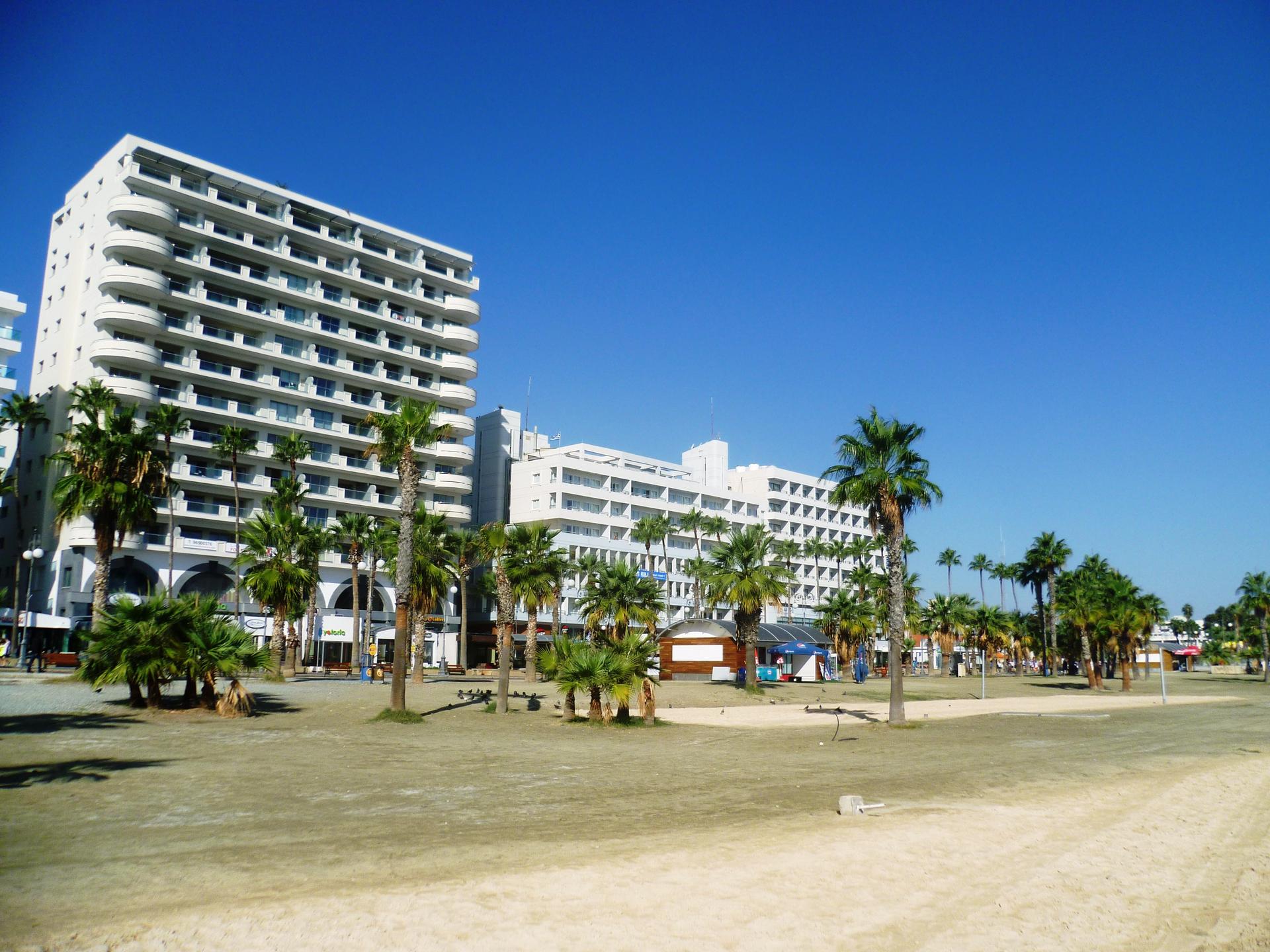
Looking beyond Kamares Aqueduct? Discover Larnaca District for broader travel guides, local hot-spots, and regional highlights.
Explore Larnaca District