Paphos Mosaics, Coral Bay Travel Guide
Explore stunningly preserved Roman mosaics in Paphos, a UNESCO World Heritage Site, revealing ancient artistry and mythology.
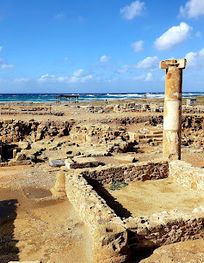
The Paphos Mosaics, located within the Kato Paphos Archaeological Park, are a stunning collection of Roman mosaics dating back to the 3rd to 5th centuries AD. Discovered in 1962, these intricate artworks once adorned the villas of wealthy Roman citizens and offer a glimpse into the island's rich history and Greco-Roman culture.
A brief summary to Paphos Mosaics
- Pafias Afroditis 19, Paphos, 8041, CY
- Monday 8:30 am-7 pm
- Tuesday 8:30 am-7 pm
- Wednesday 8:30 am-7 pm
- Thursday 8:30 am-7 pm
- Friday 8:30 am-7 pm
- Saturday 8:30 am-7 pm
- Sunday 8:30 am-4:30 pm

Know before you go
Hi, I'm Eve. Here are a few practical things to know before exploring Paphos Mosaics.
- Visit early in the morning or late in the afternoon to avoid crowds and the midday heat.
- Wear comfortable shoes, as the site involves walking on uneven surfaces.
- Bring water, especially during the hot summer months.
- Consider hiring a local guide for a more in-depth understanding of the mosaics and their historical context.
Do you manage this location?
Take control to get all the benefits, like improved information, better appearance, and stronger visibility across AI-powered discovery. Learn more about listing your business on Evendo
Activate your presenceOther nearby places you may find interesting
The closest places of the same kind, if this one is not quite what you had in mind.
Explore Paphos Mosaics on the Map
A handpicked selection of must-see spots near Paphos Mosaics, mapped for you.
Getting There
-
Walking
From the Paphos Harbour, head east along the coast. The entrance to the Kato Paphos Archaeological Park, where the mosaics are located, is a short 15-20 minute walk. Follow the clearly marked paths within the park to reach the mosaic sites.
-
Public Transport
Buses frequently run from various points in Paphos to the main bus station near the harbor. From there, take a bus towards Paphos Harbour and disembark at the stop closest to Pafias Afroditis street. The Paphos Mosaics are a short walk from the bus stop, located at Pafias Afroditis 19. A single bus ticket costs approximately €1.50.
-
Car
From anywhere in Paphos, follow signs to the Paphos Archaeological Park. Once in the vicinity, navigate to Pafias Afroditis street. Parking is available near the archaeological park, but fees may apply. Be aware that parking can be limited during peak season.
Discover more about Paphos Mosaics













Your all‑in‑one travel companion app
Explore expert travel guides, compare and book tours, experiences, hotels, and more—all from the palm of your hand. Download now for seamless trip planning wherever your wanderlust takes you.


Explore More of Coral Bay
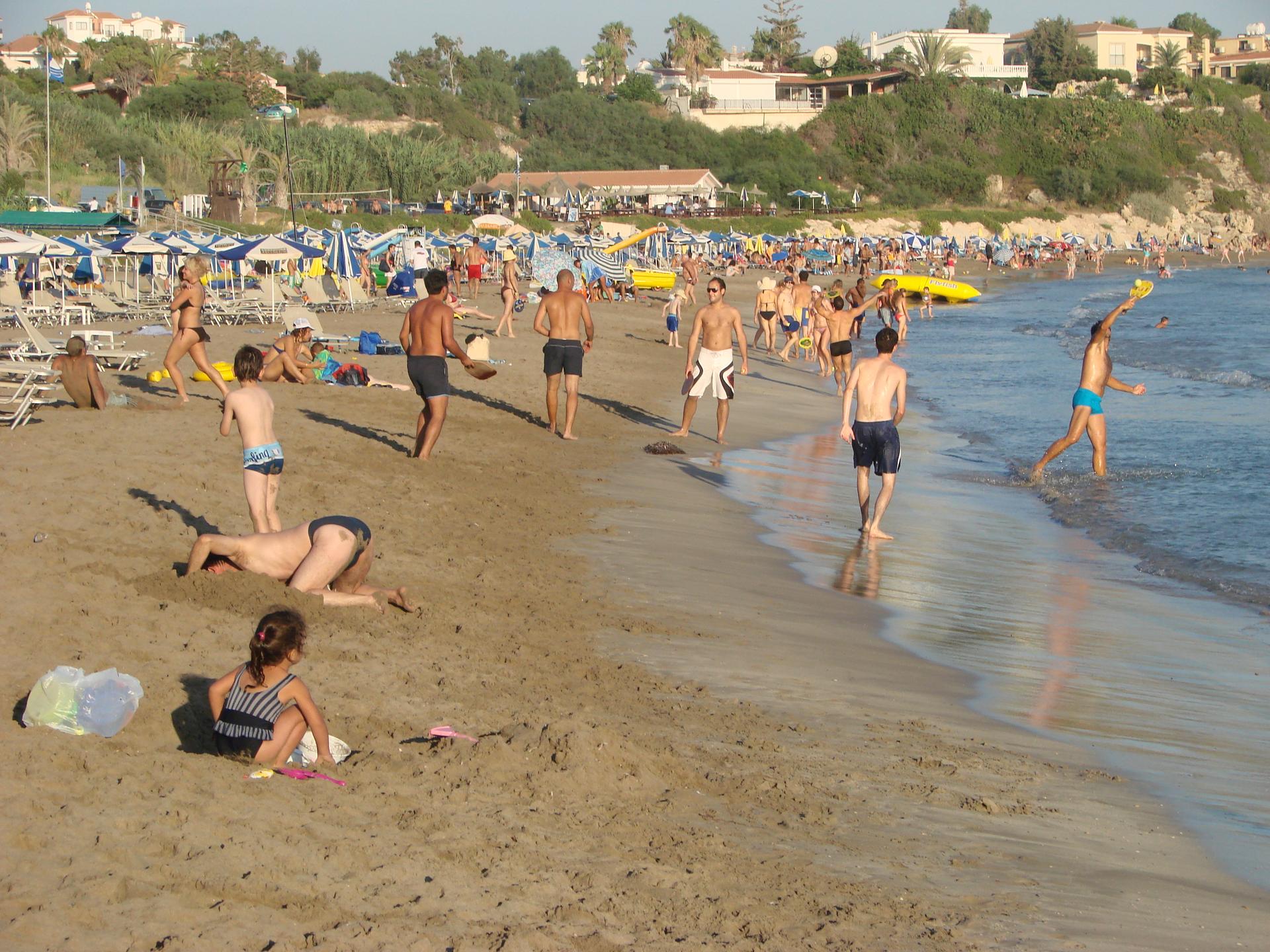
Looking beyond Paphos Mosaics? Discover Coral Bay for broader travel guides, local hot-spots, and regional highlights.
Explore Coral Bay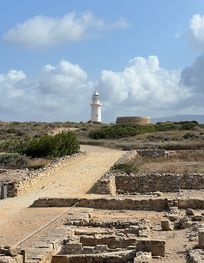
Explore the House of Dionysus, a stunning archaeological site in Paphos, Cyprus, known for its exquisite mosaics and rich Roman history.
Explore the House of Aion in Paphos, Cyprus – a captivating historical landmark brimming with ancient mosaics and rich cultural heritage.