The Liberty Monument Travel Guide
Free Guide: A poignant Nicosia landmark commemorating Cyprus's fight for independence, featuring powerful bronze sculptures and offering a space for reflection on the island's complex history.


A brief summary of The Liberty Monument
A poignant Nicosia landmark commemorating Cyprus's fight for independence, featuring powerful bronze sculptures and offering a space for reflection on the island's complex history.
The Liberty Monument in Nicosia stands as a powerful tribute to the Cypriot struggle for independence. Erected in 1973, it commemorates the EOKA fighters who sought to end British rule and unite Cyprus with Greece. The monument, located on the Podocattaro Bastion of the Venetian Walls, features a striking display of bronze statues set against a white marble pyramid. The central figure of Liberty oversees EOKA fighters breaking chains to free Cypriot prisoners, representing peasants, soldiers, and clergy. This poignant landmark serves as a reminder of the sacrifices made for freedom and offers visitors a chance to reflect on Cyprus's complex history and enduring spirit.
Opening hours
- Every dayOpen 24 hours
Opening hours as listed on the venue’s Google Business Profile. Hours can change for services and special events, so check with the venue before you go.
- Address
- 59CC+J4C, Nicosia 1016, Cyprus
Getting there
Walking
Public Transport
Taxi/Ride-Share
Driving
Discover more about The Liberty Monument
Overview
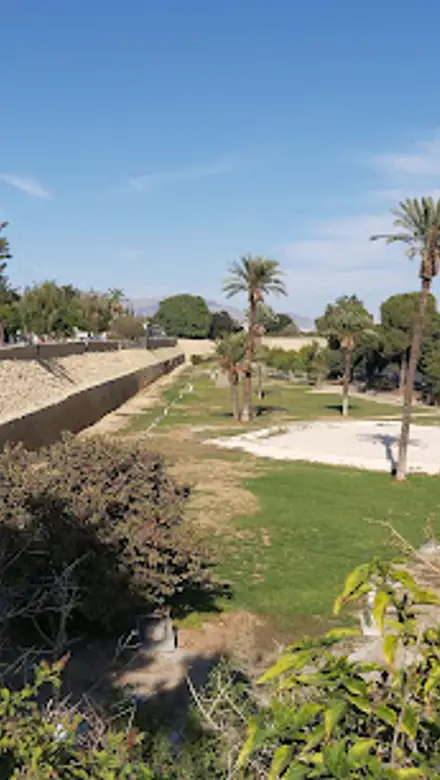
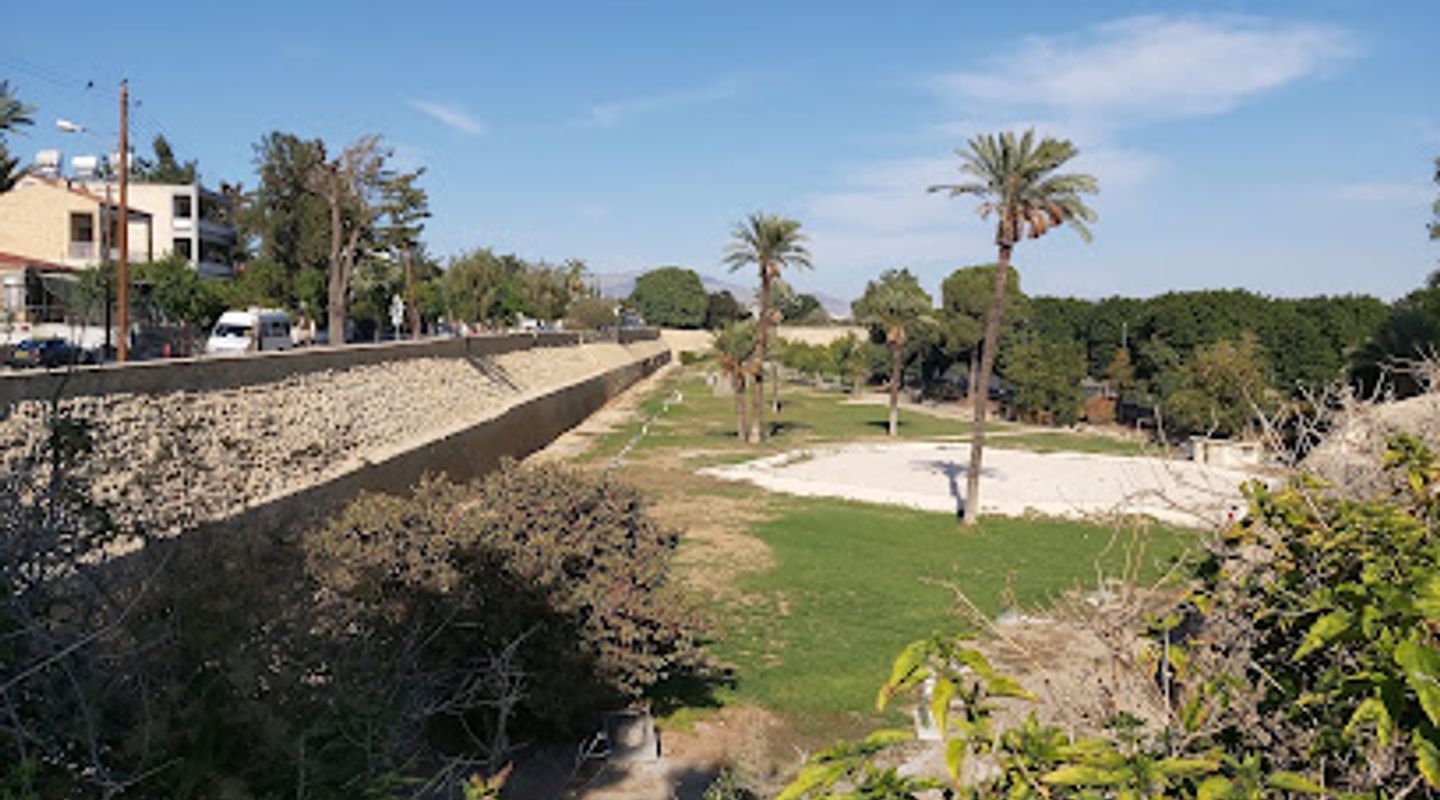
The Liberty Monument, officially known as the Eleftheria Monument (Μνημείο Ελευθερίας), is a significant landmark in Nicosia, Cyprus, embodying the island's arduous journey to independence. Situated on the historic Podocattaro Bastion, part of the well-preserved Venetian Walls that encircle the old city, the monument serves as a poignant reminder of the sacrifices made during the Cyprus Emergency (1955–1959). This period saw the EOKA (Ethniki Organosis Kyprion Agoniston – National Organisation of Cypriot Fighters) wage a campaign against British colonial rule, aiming for union with Greece. The monument's construction was completed in 1973, a project envisioned to honor the EOKA fighters and their struggle. Designed by sculptor Ioannis Notaras and architect Pefkios Georgiades, the monument presents a compelling visual narrative. Seventeen bronze statues are arranged on a white marble pyramid, creating a powerful and emotive scene. At the apex stands the figure of Liberty, a commanding presence overseeing the unfolding drama below. She points towards the sky, symbolizing hope and the aspirations of a free Cyprus. Below Liberty, two heroic EOKA fighters are depicted straining to break the chains that bind a prison gate. This act of liberation allows a diverse group of Cypriots to emerge from captivity. These figures represent the broad spectrum of Cypriot society that yearned for freedom: peasants, soldiers, priests, villagers, men, and women. Each statue is meticulously crafted, conveying the emotions and hardships endured during the struggle for independence. The absence of Turkish Cypriot figures among those being released reflects the complex and often divisive political climate of the time. The location of the Liberty Monument is particularly significant. The Podocattaro Bastion, where it stands, is a part of the Venetian Walls, a testament to Nicosia's rich and layered history. These walls, constructed in the 16th century, have witnessed centuries of conflict and transformation. The monument's proximity to the Famagusta Gate, one of the main entrances to the old city, further enhances its accessibility and visibility. Visiting the Liberty Monument offers a profound experience. The monument's imposing scale and the emotional intensity of the sculptures evoke a sense of reverence and reflection. Plaques around the monument provide historical context, detailing the events and individuals involved in the struggle for independence. The surrounding gardens offer a tranquil space for contemplation, allowing visitors to absorb the significance of the site. While the monument is a powerful symbol of Greek Cypriot aspirations, it's important to acknowledge the complexities of Cyprus's history and the diverse perspectives of its communities. The monument has, at times, been a source of controversy, reflecting the ongoing divisions on the island. However, it remains an important landmark, prompting dialogue and reflection on the meaning of freedom and the challenges of reconciliation. Today, the Liberty Monument continues to be a focal point for commemorative events and national celebrations. It serves as a gathering place for Cypriots to honor their past and reaffirm their commitment to a future of peace and unity. The monument is easily accessible to visitors, located within walking distance of many of Nicosia's other historical and cultural attractions. Nearby, one can explore the Archbishop's Palace, the Byzantine Museum, and St. John's Cathedral, each offering further insights into Cyprus's rich heritage. In recent years, efforts have been made to promote a more inclusive understanding of the monument's significance. Educational programs and guided tours aim to provide a balanced perspective on the events of the Cyprus Emergency and the diverse experiences of the island's communities. The Liberty Monument stands not only as a memorial to the past but also as a symbol of hope for a future where all Cypriots can live together in peace and mutual respect. Visiting the Liberty Monument is more than just a sightseeing excursion; it's an opportunity to engage with the soul of Cyprus, to understand its struggles, and to appreciate its enduring spirit of resilience. It is a place where history comes alive, inviting visitors to reflect on the meaning of freedom and the importance of preserving peace.
Evendo Review Centre
 Google
Guest reviews
Explore The Liberty Monument on the map
A handpicked selection of must-see spots near The Liberty Monument, mapped for you.
Get your free copy of our complete guide to The Liberty Monument, delivered straight to you.
Everything on this page, from opening hours and how to get there to Eve’s tips and the best time to go, in one PDF you can read offline, print or share.
Already have an account? Sign in
Your The Liberty Monument guide is ready.
We'll send it to · Not you? Sign out

Getting your guide ready…
We are putting together a fresh copy of the The Liberty Monument guide. This can take up to a minute.
This can take a few moments. If your browser asks, choose Allow so the download can start. You'll find the guide in your Downloads folder.
Nothing happened? Download it again
Sorry, the guide is taking longer than usual. Please try again in a minute, or get it by email instead.
Unlock the best of The Liberty Monument
Skip-the-line tickets, guided tours with entry, and walking tours of the area, booked in a few clicks.


Other nearby places you may find interesting
The closest places of the same kind, if this one is not quite what you had in mind.
-
-
-
-
-


Swipe for more places
More to explore near The Liberty Monument

 Best experiences near The Liberty Monument
 Best hotels near The Liberty Monument
 Best landmarks near The Liberty Monument
 Best attractions near The Liberty Monument
 Best shops near The Liberty Monument
 Best restaurants near The Liberty Monument
 Best bars near The Liberty Monument
Do you manage this location?
Take control to get all the benefits, like improved information, better appearance, and stronger visibility across AI-powered discovery.
Explore more

Explore more of Governor's Beach
Discover the serene charm of Governor's Beach in Cyprus, where black sands meet white cliffs, offering a perfect escape with stunning views and tranquil waters.
Explore Governor's Beach
Explore more of Cyprus
Discover Cyprus: A Mediterranean paradise with a rich tapestry of history, culture, and breathtaking landscapes, offering a perfect blend of relaxation and adventure.
Explore Cyprus