
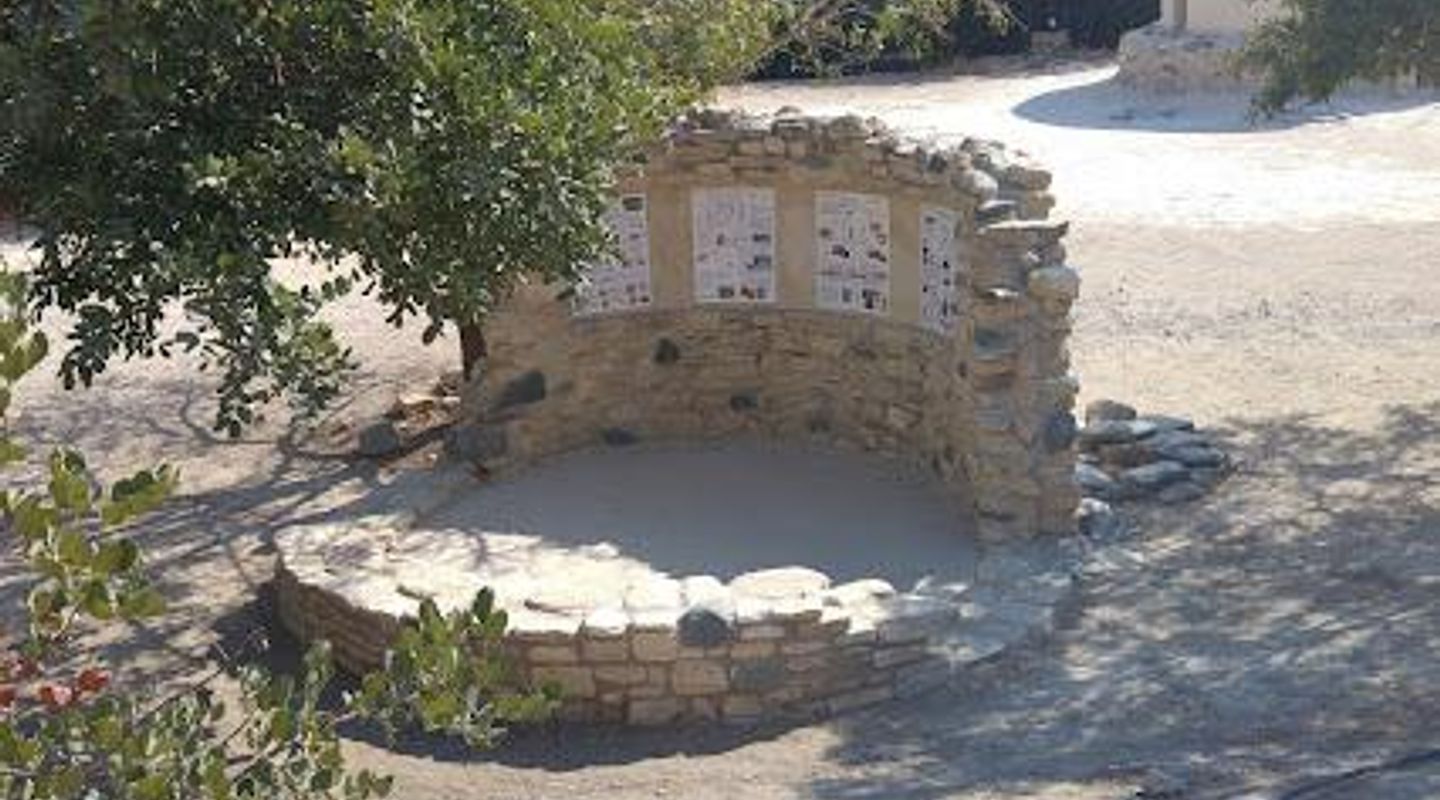
Choirokoitia, Larnaca District Travel Guide
Unearth the secrets of Neolithic Cyprus at Choirokoitia, a UNESCO World Heritage site showcasing one of the Mediterranean's best-preserved prehistoric settlements, revealing the dawn of civilization.
Step back millennia at Choirokoitia, a remarkably preserved Neolithic settlement and UNESCO World Heritage site. Inhabited from the 7th to 4th millennia BC, this site offers a captivating glimpse into the lives of Cyprus' earliest inhabitants. Explore the remains of circular houses huddled together, testaments to a sophisticated, communal society. Wander through reconstructed dwellings, furnished with replicas of Neolithic-era tools and artifacts, to truly envision life in this ancient village. Choirokoitia provides a unique window into the Aceramic Neolithic period, showcasing the ingenuity and resourcefulness of these pioneering settlers and their lasting impact on the Mediterranean.
A brief summary to Choirokoitia
- Choirokoitia, CY

Know before you go
Hi, I'm Eve. Here are a few practical things to know before exploring Choirokoitia.
- Wear comfortable shoes, as the site involves walking on uneven terrain and climbing a small hill.
- Visit early in the morning or late in the afternoon to avoid the midday heat, especially during summer months, as there is limited shade.
- Combine your visit with a trip to the Larnaca Archaeological Museum to see artifacts discovered at Choirokoitia and gain a deeper understanding of Neolithic life.
- Check the Intercity Buses schedule for direct bus routes from major cities like Larnaca, Limassol and Nicosia, offering an affordable way to reach the site.
- Bring water and sun protection, especially during the summer, as the site offers limited shade.
Do you manage this location?
Take control to get all the benefits, like improved information, better appearance, and stronger visibility across AI-powered discovery. Learn more about listing your business on Evendo
Activate your presenceOther nearby places you may find interesting
The closest places of the same kind, if this one is not quite what you had in mind.

Explore Choirokoitia on the Map
A handpicked selection of must-see spots near Choirokoitia, mapped for you.
Getting There
-
Public Transport
From Larnaca, Limassol, or Nicosia, take the Intercity Buses service directly to Choirokoitia. The bus stop is located in front of the Oasis Restaurant, a short walk from the archaeological site entrance. From Larnaca, the bus (line 45) departs from Nikou Kai Despoinas Pattichi Ave. - Arachovas. From Limassol, the bus (line 25) departs from Tzelal Bagiar – Agios Antonios Church 2. From Nicosia, take bus line 25 from Dionysios Solomos Square. A single ticket costs approximately €3-€5. After arriving at the bus stop, walk for about 10 minutes to reach the settlement.
-
Driving
If driving from Larnaca, Limassol, or Nicosia, follow the A1 highway. Choirokoitia is located just off the highway, approximately 32km from Larnaca and 48km from Nicosia. Take the exit for Choirokoitia and follow the signs to the archaeological site. There is a designated parking area available near the entrance. Parking is free.
-
Taxi/Ride-Share
Taxis and ride-sharing services are available from major cities like Larnaca and Limassol. A taxi ride from Larnaca to Choirokoitia will cost approximately €40-€55 and take around 30 minutes. From Limassol, the cost is similar. Ensure the driver knows the location of the Choirokoitia Neolithic Settlement.
Discover more about Choirokoitia













Your all‑in‑one travel companion app
Explore expert travel guides, compare and book tours, experiences, hotels, and more—all from the palm of your hand. Download now for seamless trip planning wherever your wanderlust takes you.


Explore More of Larnaca District
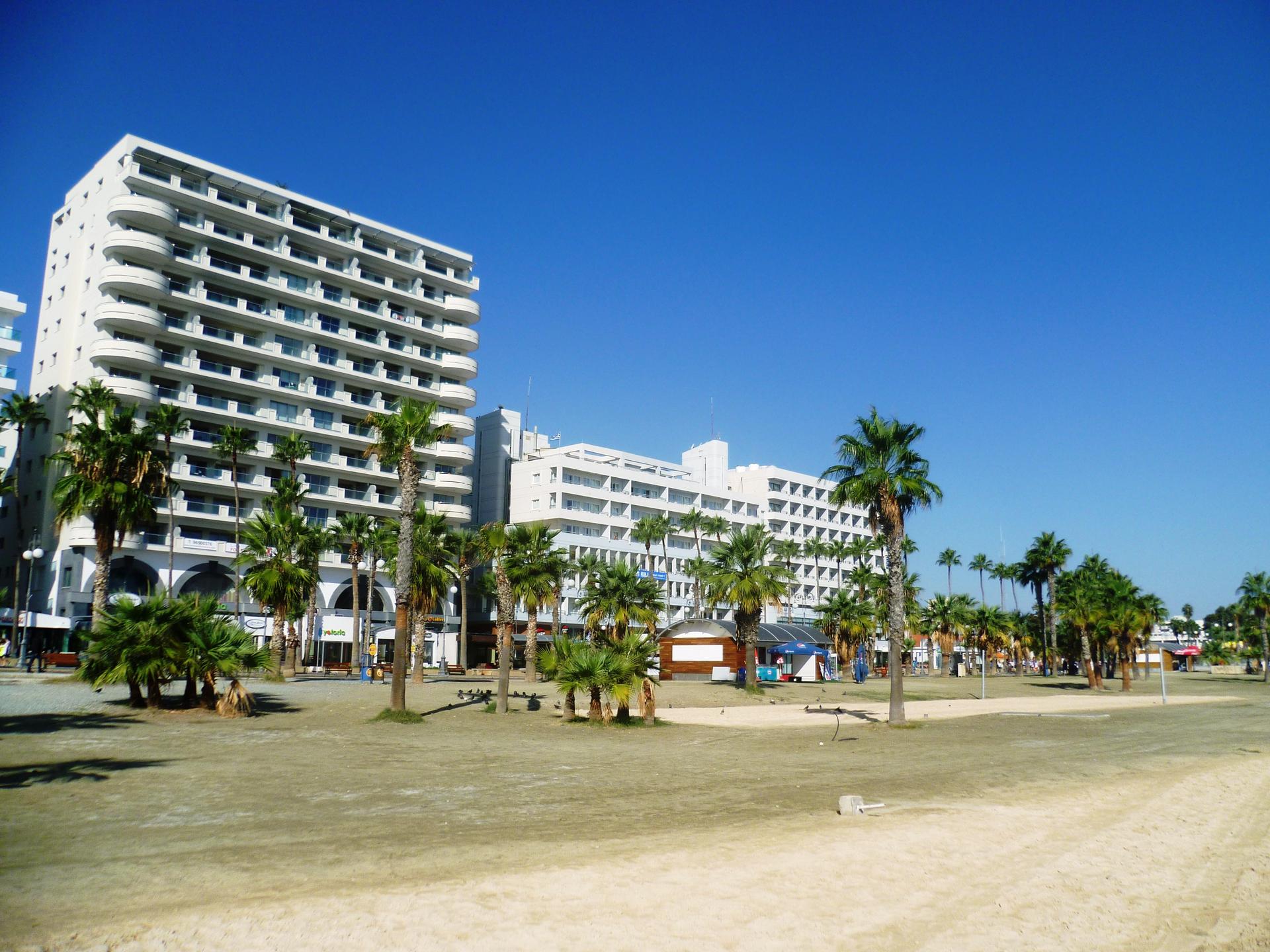
Looking beyond Choirokoitia? Discover Larnaca District for broader travel guides, local hot-spots, and regional highlights.
Explore Larnaca District