Background

Akrotiri Marsh: A Haven for Wildlife

Discover Akrotiri Marsh, a serene Cyprus wetland and birdwatcher's paradise, home to diverse migratory species and unique flora, offering a tranquil escape into nature.

4.4

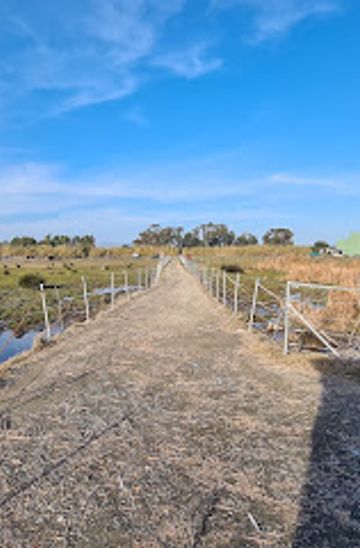
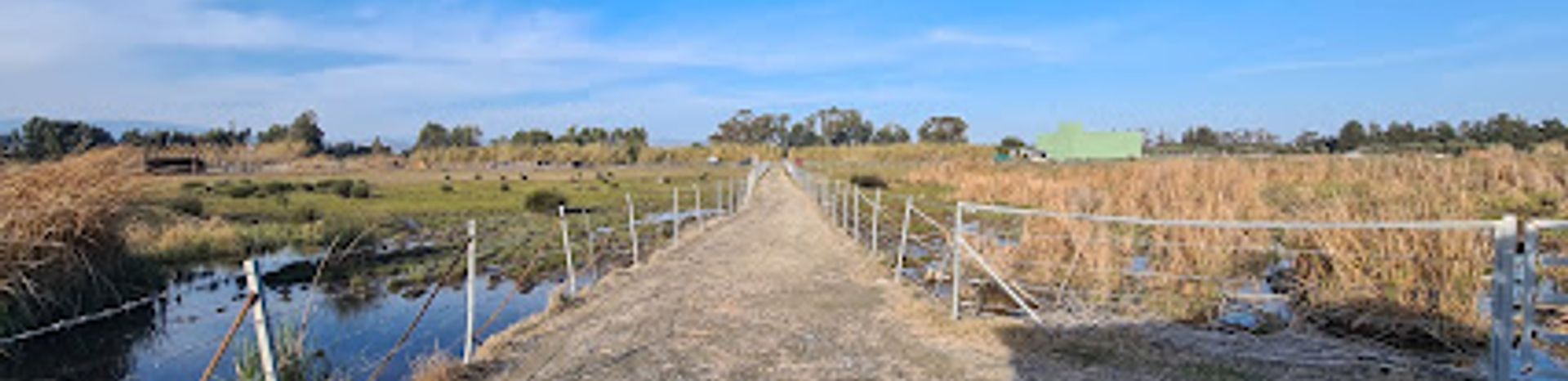
Escape the hustle and bustle and immerse yourself in the tranquil beauty of Akrotiri Marsh, a vital wetland ecosystem on the Akrotiri Peninsula in Cyprus. This nature preserve is a haven for birdwatchers and nature enthusiasts, offering a chance to observe diverse migratory species and resident wildlife in their natural habitat. Stroll along well-maintained paths, discover hidden birdwatching hides, and soak in the serenity of this protected landscape. The marsh is not only a place of natural beauty but also a site of significant conservation efforts, aiming to restore and protect its unique biodiversity. Whether you're seeking a peaceful escape or an opportunity to connect with nature, Akrotiri Marsh promises an unforgettable experience.

A brief summary to Akrotiri Marsh

Local tips

  • Visit during early morning or late afternoon for the best chances of spotting wildlife, especially birds.
  • Bring binoculars to enhance your birdwatching experience and observe the diverse avian species at close range.
  • Wear comfortable walking shoes as the trails can be uneven and you'll want to explore the marsh fully.
  • Check the local weather forecast before your visit and dress appropriately, as conditions can change quickly.
  • Respect the natural environment by staying on designated trails, avoiding disturbance to wildlife, and taking all litter away with you.
widget icon

Getting There

  • Driving

    From Limassol, take the A6 motorway west towards Paphos. Exit towards Akrotiri and follow signs to Akrotiri village. Once in the village, follow signs for Akrotiri Marsh. A small parking area is available near the marsh entrance. Be aware that the area is within the Western Sovereign Base Area, and discretion is advised regarding photography near military installations.

  • Public Transport

    From Limassol, take a bus towards Akrotiri. Check local bus schedules for the most up-to-date information. The bus will drop you off in Akrotiri village, from where you can walk approximately 3 km to the marsh. Follow local signs or ask for directions. Bus fares from Limassol to Akrotiri are typically around €2-€5.

  • Taxi/Ride-Share

    Taxis and ride-sharing services are available from Limassol to Akrotiri Marsh. The fare will depend on the distance and traffic conditions, but expect to pay around €25-€40. Ensure the driver knows the specific location of the marsh, as it is slightly outside the main village.

  • Walking

    If you are already in Akrotiri village, you can walk to the marsh. Head south towards the Akrotiri Salt Lake area. The marsh is located directly adjacent to the salt lake, approximately 3 km from the village center. The walk may take around 30-45 minutes. Make sure to wear comfortable shoes and stay hydrated.

Unlock the Best of Akrotiri Marsh

Buy tickets

    No tickets available

Book tours with entry

    No tours available

Book tours without entry

    No tours available

Discover more about Akrotiri Marsh

Akrotiri Marsh, also known as Fassouri Marsh, is a captivating natural wetland nestled within the Akrotiri Peninsula on the southern coast of Cyprus. This protected area forms part of the larger Akrotiri wetland complex, the island's most extensive natural wetland system, holding designations as a Ramsar Site, an Important Bird Area (IBA), and a Special Protection Area (SPA). Covering approximately 150 hectares, the marsh is a crucial habitat for a diverse array of flora and fauna, making it a haven for birdwatchers, nature enthusiasts, and anyone seeking a tranquil escape. The marsh's ecological significance lies in its role as a vital stopover point for migratory birds, particularly during the spring and autumn seasons. Thousands of birds, including flamingos, herons, and various waterfowl, seek refuge in the marsh's diverse habitats, which range from freshwater marsh and reed beds to open water and grazing land. The best time to witness this spectacle is between November and March, when the lake is a flurry of activity. Lucky visitors may spot the Ferruginous Duck, Spur-Winged Lapwing, Black-Winged Stilt, Black Francolin and probable Little Bittern, as well as the Reed Warbler and Black-headed Yellow Wagtail, which breed only at a few sites in Cyprus. Visitors can explore the marsh via well-maintained paths that wind through the lush greenery and wetlands. Birdwatching hides strategically placed throughout the area provide excellent vantage points for observing the diverse avian life without disturbing their natural habitat. The Akrotiri Environmental Education Centre, located nearby, offers valuable insights into the ecology of the area, with exhibits showcasing the marshland, marine environment, and local anthropology. Telescopes on the back deck provide expansive views of the salt lake, especially during the winter months when flamingos flock to the area. Beyond its avian attractions, Akrotiri Marsh is also home to a variety of other wildlife, including amphibians, reptiles, and invertebrates. The marsh's flora is equally diverse, with rare and threatened plant species finding refuge within its boundaries. Free-ranging cattle of a unique Cyprus local breed graze the vegetation, contributing to the sustainable management of the marsh. Conservation efforts play a crucial role in preserving the ecological integrity of Akrotiri Marsh. The "Akrotiri Marsh Restoration: a flagship wetland in the Bases" project, funded by the Darwin Initiative, aimed to restore the marsh to a mosaic of habitats, similar to its state some decades ago. This involved landscaping works, water management actions, and vegetation management using grazing animals. These efforts have led to the restoration of species diversity and increased socio-economic opportunities for local villagers. Visitors are encouraged to respect the natural environment by staying on designated trails, avoiding disturbance to wildlife, and taking all litter away. Early morning or late afternoon visits are recommended for the best wildlife sightings. Comfortable walking shoes are essential for exploring the marsh paths, and binoculars are highly recommended for enhanced birdwatching experiences. Akrotiri Marsh offers a unique opportunity to connect with nature and appreciate the importance of wetland ecosystems. Whether you're an avid birdwatcher, a nature photographer, or simply seeking a peaceful escape, this hidden gem on the Akrotiri Peninsula promises an unforgettable experience. The marsh's tranquil beauty, diverse wildlife, and ongoing conservation efforts make it a must-visit destination for anyone interested in the natural wonders of Cyprus. While visiting the Akrotiri Peninsula, consider exploring other nearby attractions. The Akrotiri Salt Lake, the island's largest, is a popular wintering spot for flamingos and other waterbirds. Several chapels dot the landscape, including Agios Demetrianos Chapel, close to the Akrotiri Marsh, Agios Georgios Chapel, and Panagia Galaktotrofousa Chapel. History buffs can explore the ancient ruins of Kourion Archaeological Site, one of the island's most important city-kingdoms in antiquity. The Holy Monastery of Saint Nicholas of the Cats, founded in the 4th century, offers a unique blend of history and feline companionship.

Popular Experiences near Akrotiri Marsh

Popular Hotels near Akrotiri Marsh

Select Currency