
Background

Foinikas: A Journey into Cyprus's Templar Past

Explore the haunting ruins of Foinikas, a medieval village once ruled by the Knights Templar, offering a unique glimpse into Cyprus's captivating history and serene landscapes.

4.5

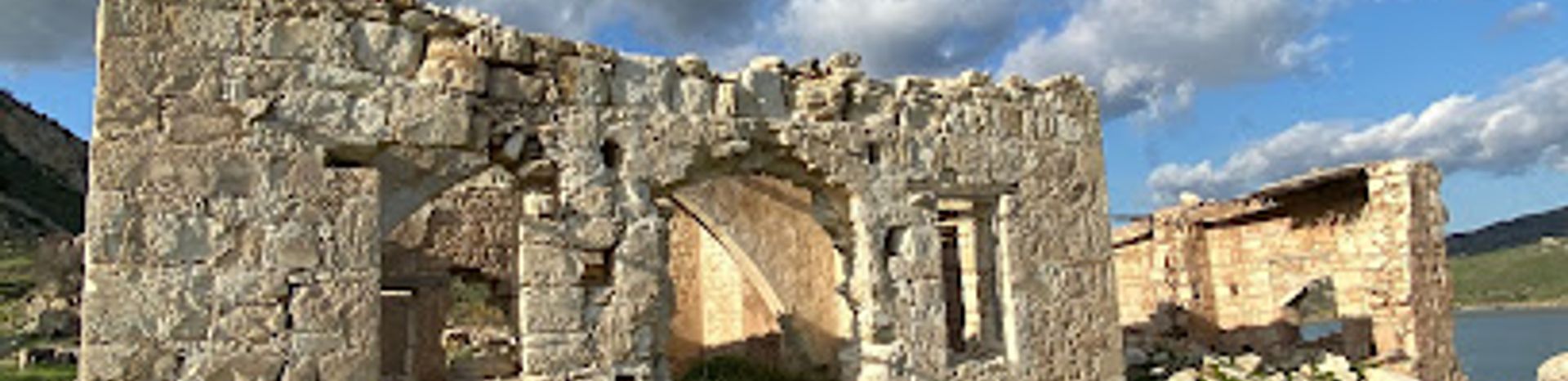
Foinikas, an abandoned village in the Paphos district, offers a captivating glimpse into Cyprus's medieval history. Once a stronghold of the Knights Templar, the village whispers tales of chivalry and strategic importance. Explore the well-preserved ruins, including stone houses and remnants of a once-impregnable fortress, set against the backdrop of the serene Asprokremmos Reservoir. Wander through the silent streets and imagine life during the Templar's rule, when Foinikas thrived as an administrative center and a hub for sugar and silk production. The village's unique blend of historical significance and natural beauty makes it a compelling destination for history enthusiasts and adventurous travelers seeking an off-the-beaten-path experience. Discover the allure of this forgotten village, where the echoes of the past resonate amidst the tranquil Cypriot landscape, offering a unique perspective on the island's rich heritage.

A brief summary to Foinikas Templar Knights village

  • Monday 12 am-12 am
  • Tuesday 12 am-12 am
  • Wednesday 12 am-12 am
  • Thursday 12 am-12 am
  • Friday 12 am-12 am
  • Saturday 12 am-12 am
  • Sunday 12 am-12 am

Local tips

  • Wear sturdy shoes, as the terrain is uneven and rocky.
  • Bring water and snacks, as there are no facilities in the village.
  • Visit during the cooler months (spring or autumn) to avoid the summer heat.
  • Consider a guided tour to fully appreciate the historical context and stories behind the village.
  • Combine your visit with a trip to the nearby Asprokremmos Reservoir for scenic views.
widget icon

Getting There

  • Driving

    From Paphos, take the B7 road towards the Paphos Forest area. Follow signs for Foinikas. After approximately 20 km, you'll reach a fork in the road; keep left. Continue following signs for 'Templar Knights Village'. Parking is available near the village entrance. Note that the road leading to Foinikas can be rough, and a 4x4 vehicle is recommended, though not always essential depending on current road conditions. Be aware that during periods of heavy rainfall, certain routes may be impassable. Check local conditions before setting out.

  • Public Transport

    From the main bus terminal in Paphos, take bus number 615 towards Polis Chrysochous. Inform the driver you wish to get off at the stop for Foinikas. The journey takes approximately 40 minutes. From the bus stop, follow the signs to Templar Knights Village, which is about a 15-minute walk. The path is well-marked and offers scenic views. A single bus fare from Paphos to Foinikas is approximately €1.50.

  • Taxi/Ride-Share

    A taxi or ride-share from Paphos to Foinikas will take approximately 25 minutes, costing between €24-€29. Be sure to confirm the price with the driver before starting your journey.

Unlock the Best of Foinikas Templar Knights village

Buy tickets

    No tickets available

Book tours with entry

    No tours available

Book tours without entry

    No tours available

Discover more about Foinikas Templar Knights village

Foinikas, nestled in the Paphos district of Cyprus, stands as a haunting testament to the island's rich and varied past. This abandoned village, once a strategic stronghold of the Knights Templar, offers visitors a unique opportunity to step back in time and explore a forgotten chapter of medieval history. Founded in the 12th century, Foinikas quickly rose to prominence as an administrative center for the Templars, who had acquired Cyprus from Richard the Lionheart. The village's location, perched high above the Xeropotamos River, provided a natural defense, making it an ideal fortress. From this vantage point, the Templars controlled the surrounding regions, leaving an indelible mark on the landscape and the local culture. As you approach Foinikas, the first thing that strikes you is the sense of stillness. The village, now devoid of inhabitants, exudes an eerie yet captivating charm. Stone houses, their roofs long since collapsed, stand as silent witnesses to centuries of history. Wander through the narrow, winding streets, and you can almost hear the echoes of the past – the clatter of hooves, the murmur of voices, the clang of swords. The architecture of Foinikas reflects its medieval origins. The houses, constructed entirely of stone, are simple yet sturdy, designed to withstand the elements and any potential attacks. Look closely, and you'll notice the remnants of archways, doorways, and windows, each telling a story of a life lived within these walls. At the highest point of the village stands the imposing manor, once the residence of the Grand Commander. Although now in ruins, it's easy to imagine the grandeur of this building, a symbol of the Templars' power and influence. From here, the commander oversaw the administration of the village and the surrounding territories, ensuring the smooth operation of the Templar's vast network. Beyond its military significance, Foinikas also played a vital role in the island's economy. The Templars, shrewd businessmen as well as warriors, recognized the potential of the fertile land surrounding the village. They established sugar plantations and silk farms, transforming Foinikas into a thriving agricultural center. The village's products were highly sought after, contributing to the Templars' wealth and solidifying their position in Cyprus. However, the Templars' reign in Cyprus was relatively short-lived. In 1313, the order was dissolved, and their properties were seized by the Knights Hospitaller. Foinikas continued to prosper under its new rulers, but its connection to the Templars remained a defining aspect of its identity. Over the centuries, Foinikas passed through various hands, including the Genoese, Venetians, and Ottomans. Each left their mark on the village, adding to its rich tapestry of history and culture. However, the village's fortunes began to decline in the modern era. In 1974, following the Turkish invasion of Cyprus, the Turkish Cypriot residents of Foinikas were forced to abandon their homes. The village, once a vibrant community, was left deserted, its buildings slowly crumbling under the weight of time and neglect. Today, Foinikas stands as a poignant reminder of the island's turbulent past. The ruins of the village offer a glimpse into a world long gone, a world of knights and castles, of sugar plantations and silk farms, of battles fought and lives lost. Despite its desolation, Foinikas retains a unique beauty. The surrounding landscape, with its rolling hills and lush greenery, provides a stunning backdrop to the village's ruins. The nearby Asprokremmos Reservoir adds to the site's allure, its tranquil waters reflecting the sky above. Exploring Foinikas is an adventure in itself. The village is located off the beaten path, requiring a bit of effort to reach. However, the journey is well worth it. As you approach the village, you'll feel a sense of anticipation, a sense of entering a different world. Once inside, take your time to wander through the ruins, to explore the hidden corners, to imagine what life was like in this forgotten village. Be sure to visit the manor, to climb to the highest point, to take in the panoramic views of the surrounding landscape. Foinikas is not just a historical site; it's an experience. It's a chance to connect with the past, to reflect on the present, and to appreciate the beauty of the natural world. It's a destination that will stay with you long after you've left, a reminder of the enduring power of history and the resilience of the human spirit. Whether you're a history buff, a nature lover, or simply someone seeking a unique and unforgettable experience, Foinikas is a must-visit destination in Cyprus. Discover the allure of this forgotten village, where the echoes of the past resonate amidst the tranquil Cypriot landscape.

Popular Experiences near Foinikas Templar Knights village

Popular Hotels near Foinikas Templar Knights village

Select Currency