
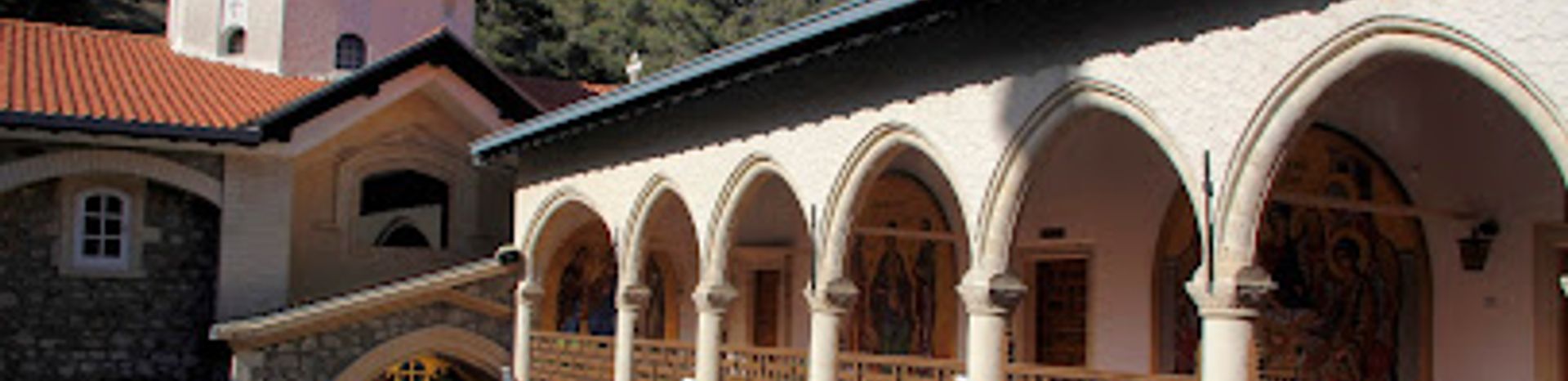
Background

Kykkos Monastery Museum: A Treasure Trove of Cypriot History

Discover Cyprus's rich religious heritage at the Museum of Kykkos Monastery, home to priceless icons, ancient manuscripts, and a serene mountain setting.

4.7

Nestled high in the Troodos Mountains, the Museum of Kykkos Monastery offers a captivating journey through Cypriot religious and cultural history. Part of the island's wealthiest and most renowned monastery, founded in the 11th century, the museum showcases an impressive collection of ecclesiastical artifacts, including priceless icons, intricate woodcarvings, elaborate vestments, and ancient manuscripts. The museum's highlight is its collection of Byzantine icons dating back centuries, including one of the three icons believed to be painted by Saint Luke. Beyond the artifacts, the museum provides a glimpse into the lives of the monks and the monastery's significant role in Cyprus's history, making it a must-visit destination for those seeking a deeper understanding of the island's heritage. The serene atmosphere and stunning mountain views add to the experience, creating a memorable visit for all.

A brief summary to Museum of Kykkos Monastery

  • Monday 10 am-4 pm
  • Tuesday 10 am-4 pm
  • Wednesday 10 am-4 pm
  • Thursday 10 am-4 pm
  • Friday 10 am-4 pm
  • Saturday 10 am-4 pm
  • Sunday 10 am-4 pm

Local tips

  • Dress modestly when visiting the monastery and museum, as it is a religious site. Shoulders and knees should be covered.
  • Combine your visit with a trip to the nearby tomb of Archbishop Makarios III on Throni for panoramic views.
  • Check the museum's opening hours in advance, especially if visiting during off-season or public holidays.
  • Allow ample time to explore both the museum and the monastery grounds to fully appreciate the historical and artistic treasures.
  • Consider visiting during the weekdays or early mornings to avoid the larger crowds, especially during peak tourist season.
widget icon

Getting There

  • Driving

    From the main road near Pedoulas, follow the signs towards Kykkos Monastery. The final approach involves a winding mountain road offering scenic views. Ample free parking is available outside the monastery grounds. Be aware that the roads can be narrow and steep in places. During peak season, parking spaces can fill up quickly. From the parking area, it's a short walk to the monastery entrance. There are no tolls or special access fees to reach the monastery.

  • Public Transport

    While direct public transport to Kykkos Monastery is limited, you can take a bus from major cities like Nicosia or Paphos to a nearby village such as Pedoulas or Prodromos. From there, you'll need to hire a taxi for the final leg of the journey to the monastery. A taxi from Pedoulas to Kykkos Monastery will cost approximately €20-€30. Ensure the taxi driver knows the way, as the route involves navigating mountain roads. There are no additional fees or special transport requirements once you reach the monastery entrance.

Unlock the Best of Museum of Kykkos Monastery

Buy tickets

    No tickets available

Book tours with entry

    No tours available

Book tours without entry

    No tours available

Discover more about Museum of Kykkos Monastery

The Museum of Kykkos Monastery, an integral part of the Holy Monastery of Kykkos, stands as a beacon of Cypriot history and religious devotion. Perched high in the Troodos Mountains, about 13 kilometers from the village of Pedoulas, the monastery and its museum offer visitors a unique opportunity to delve into the rich tapestry of Cyprus's past. Founded in the late 11th century by Byzantine Emperor Alexios I Komnenos, the Kykkos Monastery is dedicated to Panagia, the Virgin Mary. Legend says that a hermit named Esaias, living in a cave on Kykkos Mountain, foresaw the arrival of the Byzantine governor of Cyprus, Manuel Boutoumites, who had lost his way while hunting. Their meeting led to the acquisition of the revered icon of the Virgin Mary, believed to have been painted by Saint Luke the Apostle, which became the cornerstone of the monastery's foundation. Over the centuries, the monastery has faced numerous challenges, including fires that necessitated multiple rebuilds. Despite these setbacks, Kykkos Monastery has not only endured but flourished, becoming the wealthiest and most influential monastery in Cyprus. Its significance extends beyond religious matters, playing a vital role in the island's social and national affairs. The museum itself was established to safeguard and showcase the monastery's vast collection of religious artifacts and historical treasures. Inaugurated in May 1998, the museum adheres to international museological standards, ensuring the preservation and presentation of its invaluable holdings. The museum's collection is diverse and extensive, encompassing: * **Icons:** The museum boasts a remarkable collection of Byzantine icons, some dating back to the 12th century. These icons, adorned with intricate details and vibrant colors, depict various religious figures and scenes, offering a glimpse into the artistic and spiritual traditions of the Byzantine era. * **Ecclesiastical Items:** The museum showcases a range of consecrated vessels, vestments, and other liturgical objects used in religious ceremonies. These items, often crafted from precious metals and adorned with intricate embroidery, reflect the opulence and grandeur of the Orthodox Church. * **Manuscripts and Documents:** The museum houses a collection of ancient manuscripts and historical documents, providing valuable insights into the monastery's history, religious practices, and cultural contributions. These manuscripts, meticulously preserved over centuries, offer a window into the intellectual and spiritual life of the past. * **Cypriot Antiquities:** The museum also features a selection of Cypriot antiquities, including archaeological finds and artifacts that shed light on the island's ancient history and cultural heritage. The museum is divided into several rooms, each dedicated to a specific theme or period. Visitors can explore the ancient collection, admire the early Christian and Byzantine artifacts, examine the post-Byzantine vessels and vestments, and delve into the world of icons, frescoes, and woodcarvings. The museum also features a workshop for the preservation of manuscripts, icons, and other artifacts, where skilled conservators work to ensure the long-term survival of these precious objects. Beyond its historical and artistic significance, the Museum of Kykkos Monastery offers visitors a chance to connect with the spiritual heart of Cyprus. The monastery's serene atmosphere, coupled with the stunning mountain scenery, creates a tranquil setting for reflection and contemplation. Visitors can explore the monastery grounds, admire the intricate frescoes that adorn the church walls, and learn about the lives of the monks who have dedicated their lives to prayer and service. The museum also provides a glimpse into the life of Archbishop Makarios III, the first president of the Republic of Cyprus, who served as a novice at Kykkos Monastery. His tomb, located on the summit of Throni, just a few kilometers west of the monastery, is a popular pilgrimage site for those who wish to pay their respects to this influential figure. Visiting the Museum of Kykkos Monastery is an enriching experience that offers a deeper understanding of Cyprus's history, culture, and religious traditions. Whether you are a history buff, an art enthusiast, or simply seeking a spiritual retreat, the museum is sure to leave a lasting impression.

Popular Experiences near Museum of Kykkos Monastery

Popular Hotels near Museum of Kykkos Monastery

Select Currency