Dromolaxia - Byzakia Excavation Site, Larnaca District Travel Guide
Explore the Dromolaxia-Byzakia Excavation Site: Uncover Cyprus's Bronze Age secrets, revealing a vibrant harbor city and its rich Mediterranean connections through remarkable archaeological finds.
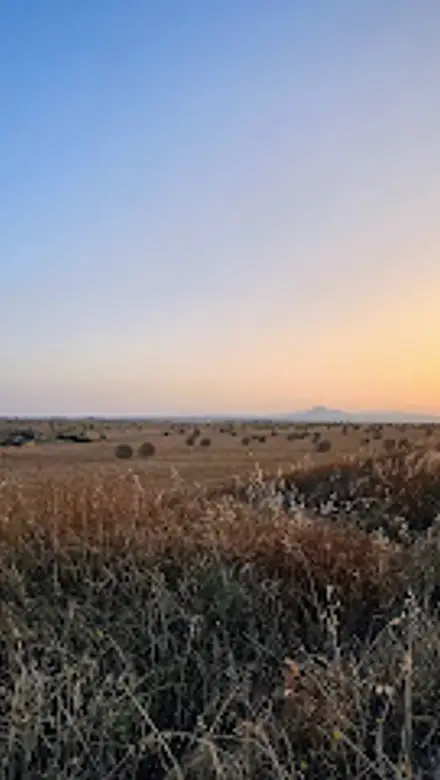
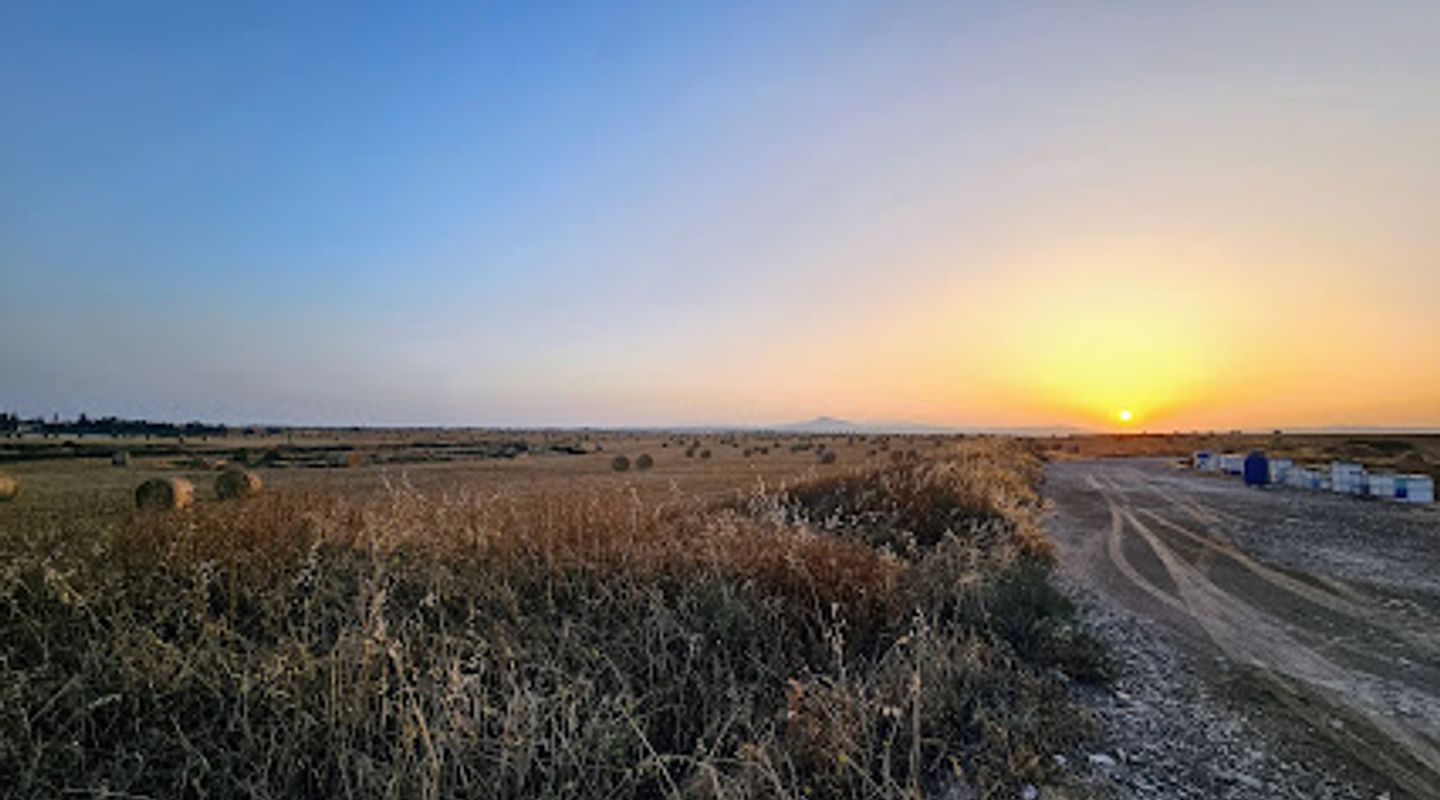
The Dromolaxia-Byzakia Excavation Site offers a captivating journey into Cyprus's Bronze Age past. Located near Larnaca, this archaeological site reveals the remains of a once-thriving harbor settlement that flourished from around 1630 to 1150 BC. Ongoing excavations have unearthed remarkable artifacts, including pottery, jewelry, and tools, providing insights into the daily life and trade networks of the ancient Cypriots. Visitors can explore the remnants of tombs and a sophisticated water drainage system, testaments to the city's wealth and advanced urban planning. The serene setting amidst the Cypriot landscape enhances the experience, making it a must-visit for history enthusiasts and those seeking a deeper understanding of the island's rich cultural heritage. While guided tours may be limited, a self-guided visit allows for a personal and reflective exploration of this historically significant location. Remember to wear comfortable shoes, bring water, and allow ample time to fully appreciate the site's unique features and historical ambiance.
A brief summary to Dromolaxia - Byzakia Excavation Site
- VJQ3+4HM, Tekke Road, Dromolaxia, CY

Know before you go
Hi, I'm Eve. Here are a few practical things to know before exploring Dromolaxia - Byzakia Excavation Site.
- Wear comfortable shoes as the terrain can be uneven and requires some walking.
- Bring a bottle of water and some snacks, as facilities may be limited at the site.
- Visit during cooler parts of the day to fully enjoy your exploration without the heat.
- Check local schedules for any guided tours that may enhance your visit.
Do you manage this location?
Take control to get all the benefits, like improved information, better appearance, and stronger visibility across AI-powered discovery. Learn more about listing your business on Evendo
Activate your presenceOther nearby places you may find interesting
The closest places of the same kind, if this one is not quite what you had in mind.
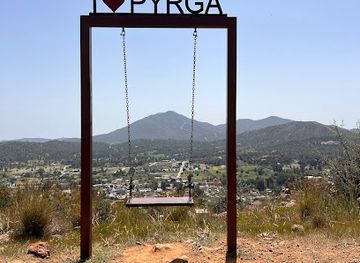
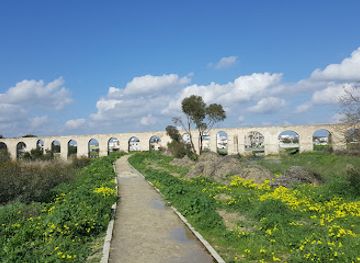
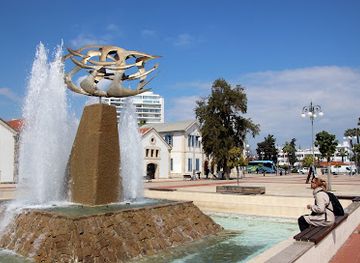
Explore Dromolaxia - Byzakia Excavation Site on the Map
A handpicked selection of must-see spots near Dromolaxia - Byzakia Excavation Site, mapped for you.
Getting There
-
Public Transport
From Larnaca city center, take bus route 431 towards Dromolaxia. The bus departs approximately every 30 minutes. Alight at a stop in Dromolaxia and walk for about 15 minutes along Tekke Road to reach the excavation site. A single bus fare costs approximately €1 - €3.
-
Taxi/Ride-Share
From Larnaca International Airport, a taxi to the Dromolaxia-Byzakia Excavation Site takes about 5 minutes and typically costs between €7 - €10. Ride-sharing services are also available, with similar pricing.
-
Driving
If driving from Larnaca, head towards the Larnaca-Airport road. Exit towards Dromolaxia and follow signs to Tekke Road. Limited free parking is usually available near the site. Be mindful of local parking regulations.
Discover more about Dromolaxia - Byzakia Excavation Site
More to explore near Dromolaxia - Byzakia Excavation Site
-

Best experiences near Dromolaxia - Byzakia Excavation Site
-

Best hotels near Dromolaxia - Byzakia Excavation Site
-

Best landmarks near Dromolaxia - Byzakia Excavation Site
-

Best shops near Dromolaxia - Byzakia Excavation Site
-

Best restaurants near Dromolaxia - Byzakia Excavation Site
-

Best bars near Dromolaxia - Byzakia Excavation Site







Your all‑in‑one travel companion app
Explore expert travel guides, compare and book tours, experiences, hotels, and more—all from the palm of your hand. Download now for seamless trip planning wherever your wanderlust takes you.


Explore More of Larnaca District
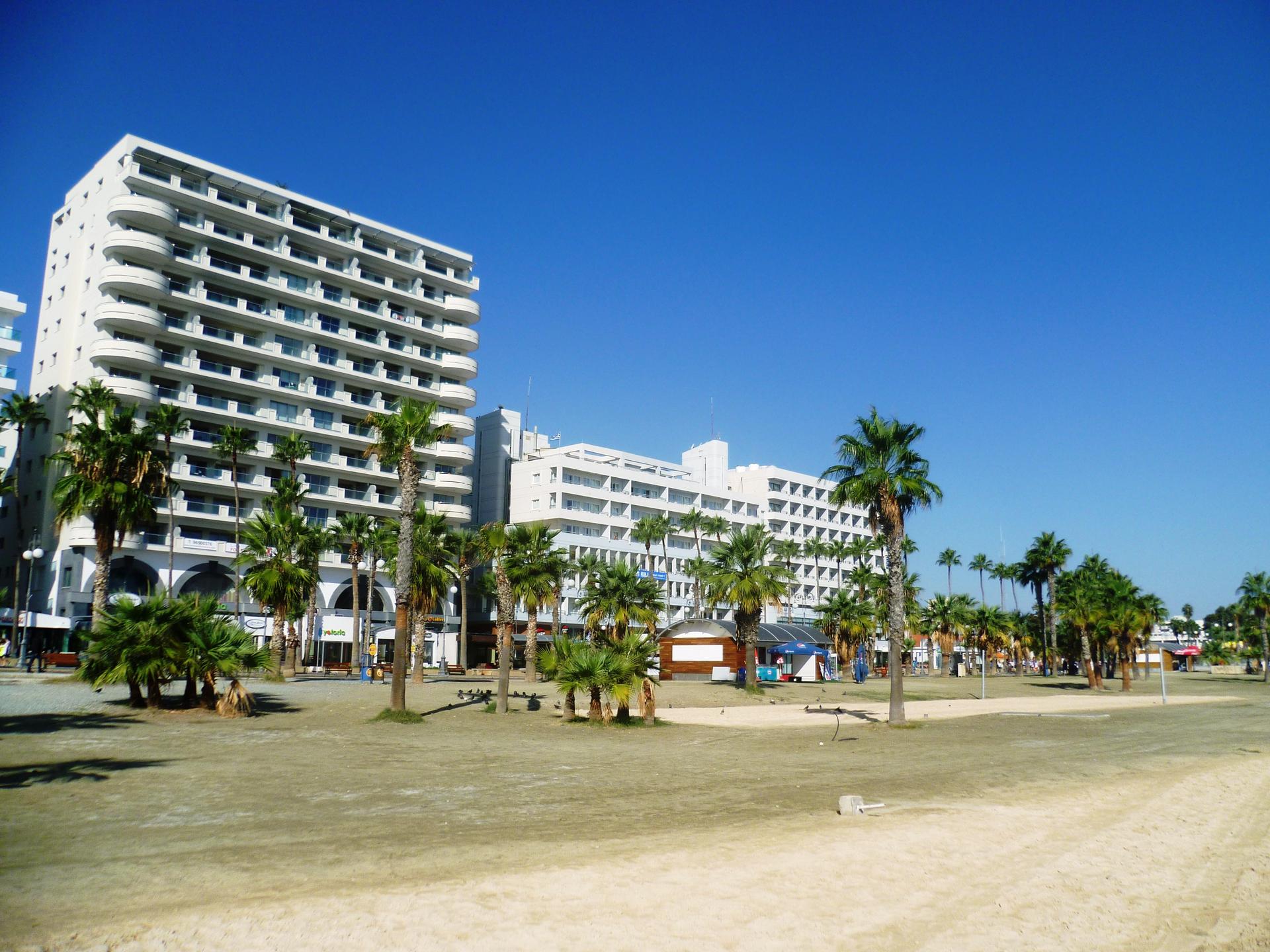
Looking beyond Dromolaxia - Byzakia Excavation Site? Discover Larnaca District for broader travel guides, local hot-spots, and regional highlights.
Explore Larnaca District
Discover Larnaca Salt Lake: A stunning natural haven for birdwatchers and nature lovers, steeped in history and legend, offering a tranquil escape near Larnaca.

Witness the elegance of flamingos in their natural habitat at this serene spot near Larnaca Salt Lake, a haven for birdwatchers and nature lovers seeking tranquility and beauty.