Neolithic Settlement of Choirokoitia, Larnaca District Travel Guide
Explore Choirokoitia’s ancient circular dwellings and fortified hillside—Aceramic Neolithic Cyprus’s gateway to civilization, preserved for millennia.
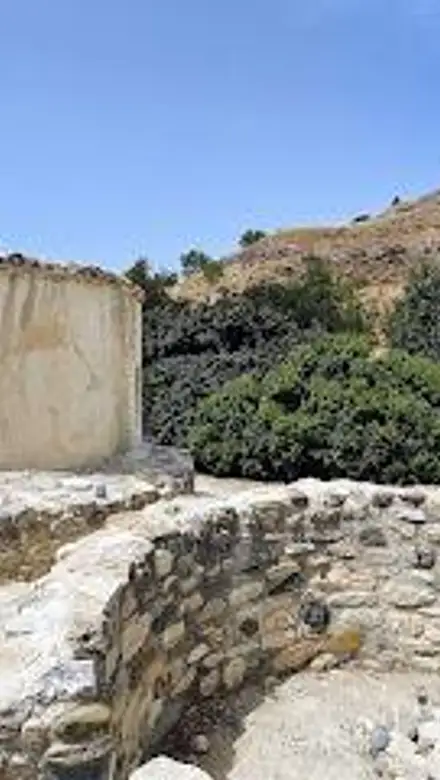
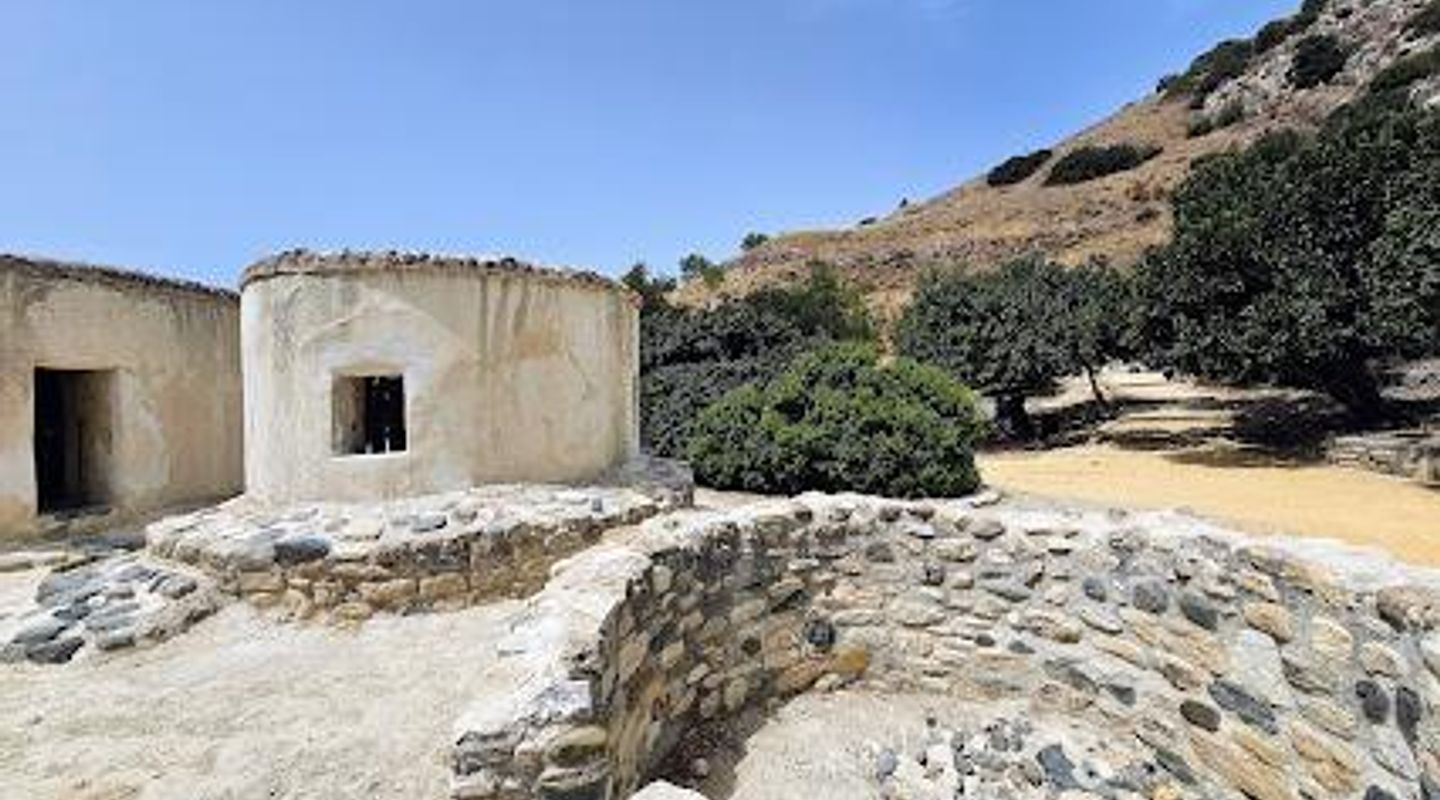
Nestled in the rolling hills of southern Cyprus, Choirokoitia is an extraordinary Aceramic Neolithic settlement inhabited between the 7th and 4th millennia B.C., showcasing circular mudbrick-and-stone dwellings, defensive walls and rich archaeological finds that illuminate the dawn of settled life in the eastern Mediterranean.
A brief summary to Neolithic Settlement of Choirokoitia
- Q8WV+HHG, Choirokoitia, CY
- Click to display
- Click to display
- Monday 8:30 am-5 pm
- Tuesday 8:30 am-5 pm
- Wednesday 8:30 am-5 pm
- Thursday 8:30 am-5 pm
- Friday 8:30 am-5 pm
- Saturday 8:30 am-5 pm
- Sunday 8:30 am-5 pm

Know before you go
Hi, I'm Eve. Here are a few practical things to know before exploring Neolithic Settlement of Choirokoitia.
- Visit early morning or late afternoon to avoid the midday heat—shade is scarce across the open hillside.
- Wheelchair access is available at the reconstructed dwelling area, but the main ruins on the slope are not easily navigable.
- Pick up an archaeology guide or briefing before arrival—the site speaks softly and widely appreciated context enriches the experience.
- Consider an all‑site antiquities pass for €8.50 if you plan to visit other historic attractions nearby—it offers better value than standalone entry.
Do you manage this location?
Take control to get all the benefits, like improved information, better appearance, and stronger visibility across AI-powered discovery. Learn more about listing your business on Evendo
Activate your presenceOther nearby places you may find interesting
The closest places of the same kind, if this one is not quite what you had in mind.


Explore Neolithic Settlement of Choirokoitia on the Map
A handpicked selection of must-see spots near Neolithic Settlement of Choirokoitia, mapped for you.
Unlock the Best of Neolithic Settlement of Choirokoitia
Buy tickets
-
No tickets available
Book tours with entry


Getting There
-
Public Transport
Buses run from Larnaca’s main transport hub toward the Choirokoitia area; the ride takes around 25–35 minutes and typically costs €3–5 one way. The stop near the settlement is easily seen from the road. From there, a short walk across gentle terrain leads up to the site entrance; it’s well signposted from the drop‑off zone.
-
Taxi or Rideshare
A taxi from central Larnaca takes roughly 25–30 minutes, with fares around €35–50 depending on demand. The vehicle will deposit you near the visitor area, which lies visible above countryside landmarks and adjacent to the river’s curve.
-
Car
If driving from Larnaca along the coastal motorway, allow about 25 minutes and €5–7 in fuel or rental cost. Parking near the entrance is limited and informal, nestled under sparse roadside trees—best to arrive before mid‑morning to secure a spot.
Discover more about Neolithic Settlement of Choirokoitia
More to explore near Neolithic Settlement of Choirokoitia
-

Best experiences near Neolithic Settlement of Choirokoitia
-

Best hotels near Neolithic Settlement of Choirokoitia
-

Best landmarks near Neolithic Settlement of Choirokoitia
-

Best shops near Neolithic Settlement of Choirokoitia
-

Best restaurants near Neolithic Settlement of Choirokoitia
-

Best bars near Neolithic Settlement of Choirokoitia







Your all‑in‑one travel companion app
Explore expert travel guides, compare and book tours, experiences, hotels, and more—all from the palm of your hand. Download now for seamless trip planning wherever your wanderlust takes you.


Explore More of Larnaca District
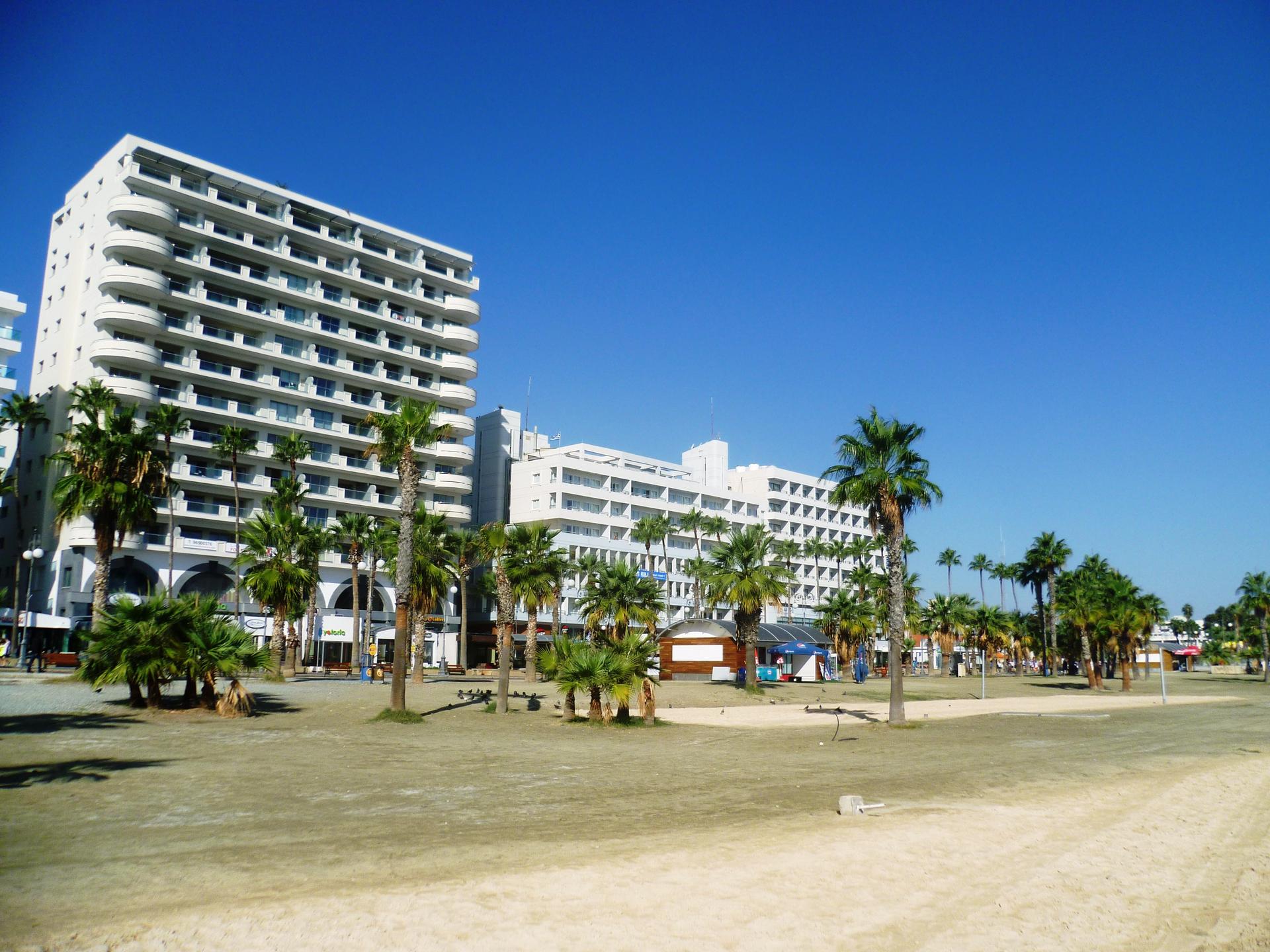
Looking beyond Neolithic Settlement of Choirokoitia? Discover Larnaca District for broader travel guides, local hot-spots, and regional highlights.
Explore Larnaca District
Discover the heartwarming charm of rural Cyprus at Dipotamos Donkey Farm, a sanctuary dedicated to preserving the island's donkey heritage and offering a unique cultural experience.

Explore Cyprus’ rural traditions at Golden Donkeys Farm in Skarinou – a lively, hands-on sanctuary celebrating the island’s heritage, culture, and its iconic donkeys.