Carob Museum, Limassol Travel Guide
Discover the sweet history of Cyprus's 'black gold' at the Carob Museum in Limassol, exploring the cultural and economic significance of carob through interactive exhibits and traditional machinery.
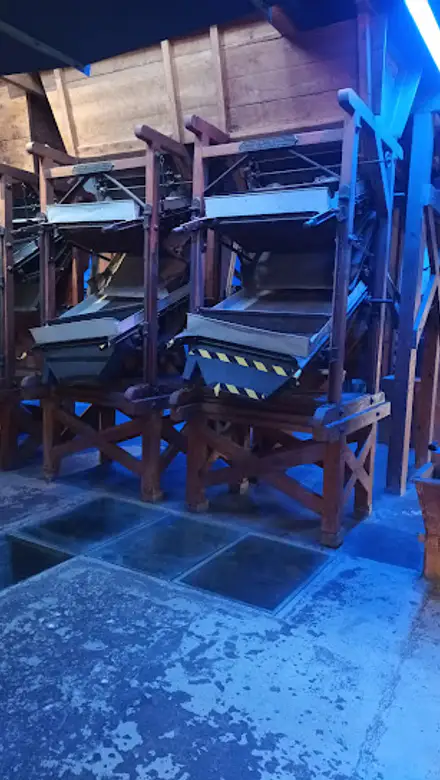
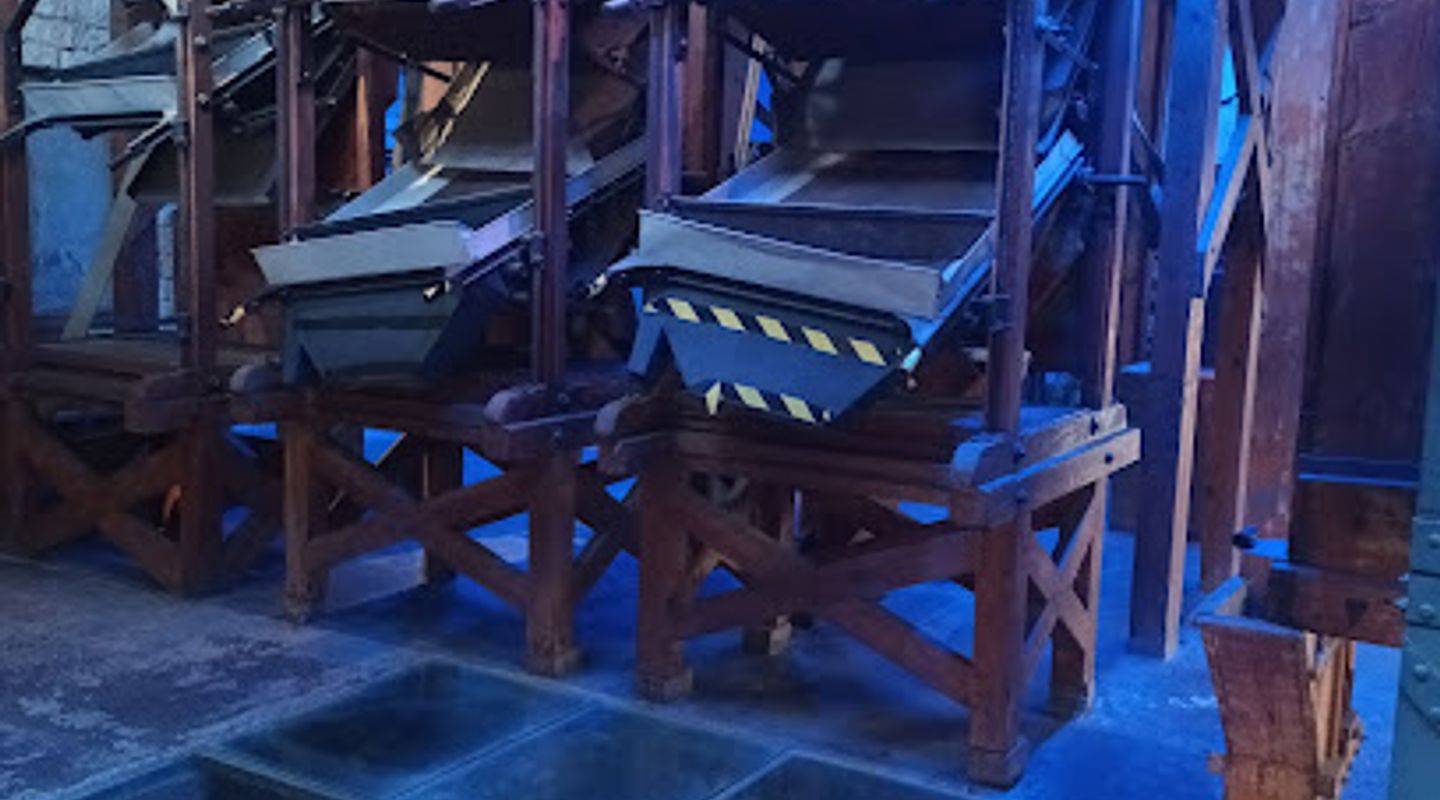
Delve into the fascinating world of carob, a staple of Cypriot agriculture and culinary tradition, at the Carob Museum in Limassol. Housed in a historic factory over a century old, the museum showcases the journey of the carob bean from tree to table, highlighting its significance as "black gold" for the island. Explore authentic machinery from the early 1900s, used to process carob fruits into various products, and learn about the carob's role in Cypriot history, culture, and economy. The museum offers a hands-on experience where visitors can touch and interact with exhibits, making it an engaging and educational destination for all ages. Don't miss the opportunity to sample carob-based treats in the museum shop and take home a unique taste of Cyprus.
A brief summary to Carob Museum
- M2CR+V8P, Limassol, CY
- Click to display

Know before you go
Hi, I'm Eve. Here are a few practical things to know before exploring Carob Museum.
- Try the carob syrup or pastelli (carob toffee) at the museum shop for a taste of traditional Cypriot sweets.
- Check for special events or workshops that may be happening during your visit for a more immersive experience.
- Combine your visit with a stroll along the Limassol Marina and a visit to the nearby Medieval Castle for a full day of sightseeing.
Do you manage this location?
Take control to get all the benefits, like improved information, better appearance, and stronger visibility across AI-powered discovery. Learn more about listing your business on Evendo
Activate your presenceOther nearby places you may find interesting
The closest places of the same kind, if this one is not quite what you had in mind.
Explore Carob Museum on the Map
A handpicked selection of must-see spots near Carob Museum, mapped for you.
Getting There
-
Public Transport
From the Limassol city center, the Carob Museum can be reached by taking bus number 30 or 33. These buses operate frequently throughout the day. Ask the driver to notify you when you reach the stop at M2CR+V8P. A single bus fare costs approximately €1.50. From the bus stop, the Carob Museum is a short walk away.
-
Taxi/Ride-Share
Taxis are readily available throughout Limassol. A taxi ride from the city center to the Carob Museum will typically cost between €8-€12, depending on traffic and the starting point. Ride-sharing services like Bolt are also available in Limassol and offer a similar price range.
-
Walking
If you are near the Limassol Marina or the Medieval Castle, the Carob Museum is within walking distance. From the Limassol Marina, walk east along the waterfront promenade (Molos) towards the Medieval Castle. Continue past the castle, then walk along the main road (Archbishop Makarios III Avenue) for about 10 minutes until you reach the intersection with Makarios Avenue. The Carob Museum will be on your left side at M2CR+V8P.
-
Driving
If driving from the city center, head towards the Limassol Marina and then follow signs towards the Medieval Castle. The Carob Museum is located a short distance east of the castle. Limited street parking is available near the museum, but it can be challenging to find during peak hours. Parking may be available nearby, but be sure to check for any parking fees.
Discover more about Carob Museum













Your all‑in‑one travel companion app
Explore expert travel guides, compare and book tours, experiences, hotels, and more—all from the palm of your hand. Download now for seamless trip planning wherever your wanderlust takes you.


Explore More of Limassol
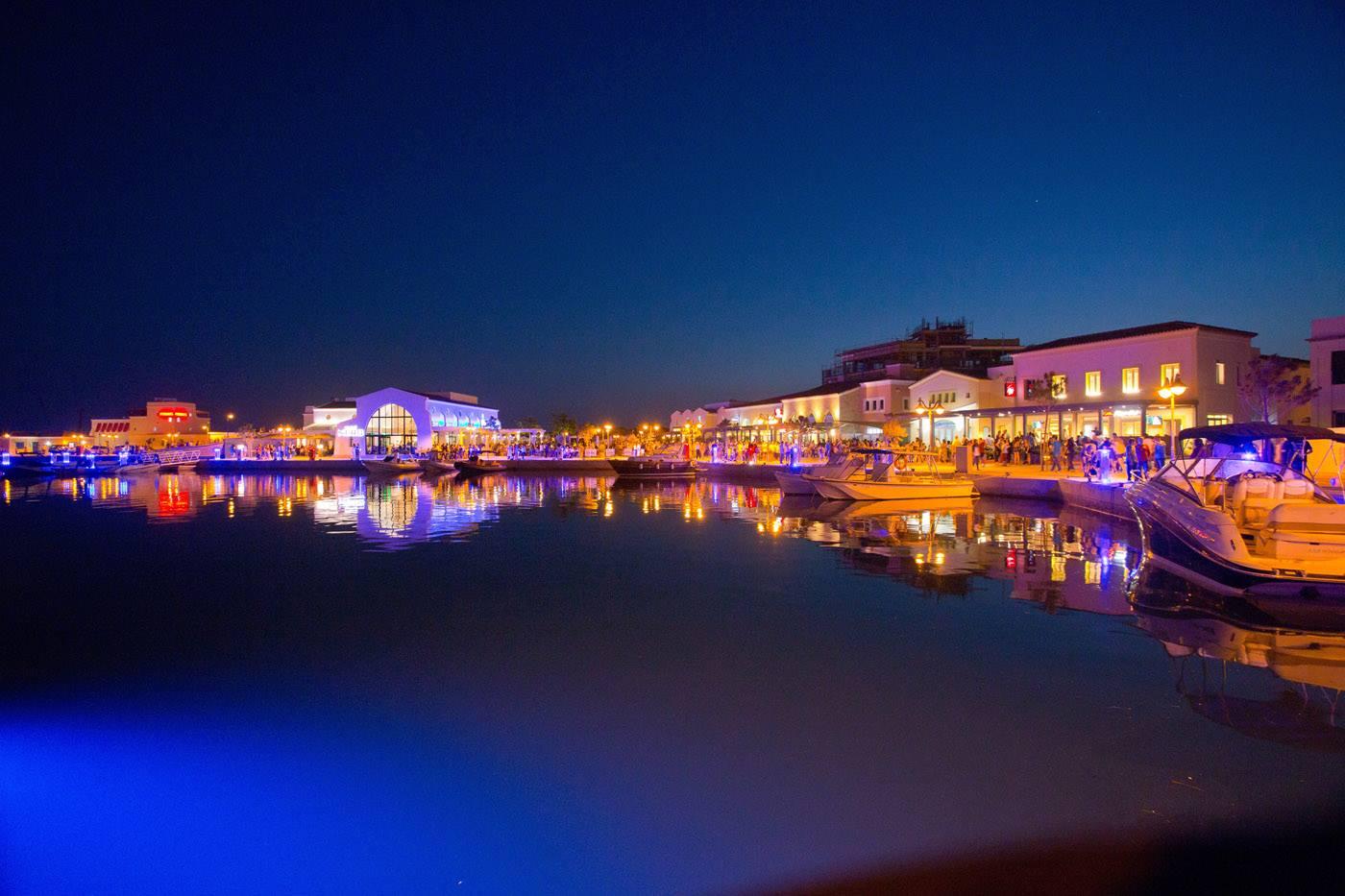
Looking beyond Carob Museum? Discover Limassol for broader travel guides, local hot-spots, and regional highlights.
Explore Limassol
Experience mind-bending illusions and interactive exhibits at Paradox Museum Limassol, a unique attraction in the heart of Limassol Marina, blending entertainment with education for all ages.
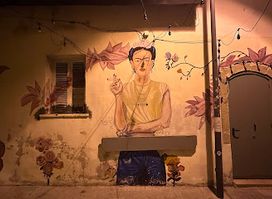
Discover Limassol's vibrant Streetart Frida Kahlo, a colorful tribute to the iconic Mexican artist in the heart of the old town. Art, culture, and resilience celebrated.