Panagia tou Moutoulla, Troodos Mountains Travel Guide
Discover a UNESCO World Heritage Site in Cyprus's Troodos Mountains: Panagia tou Moutoulla, a 13th-century Byzantine church with stunning, remarkably preserved frescoes.
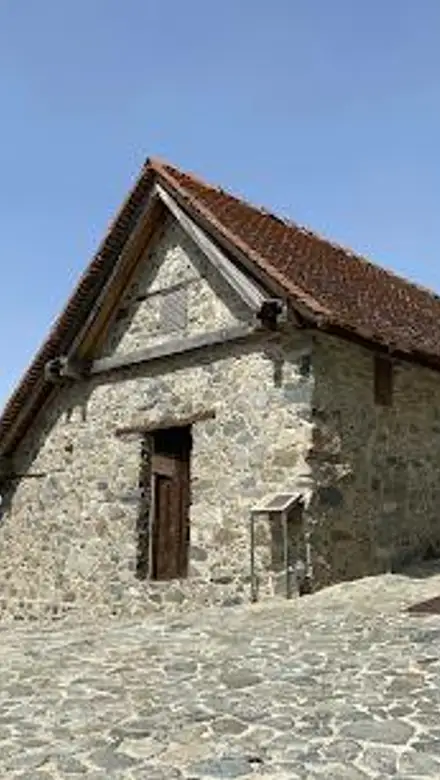
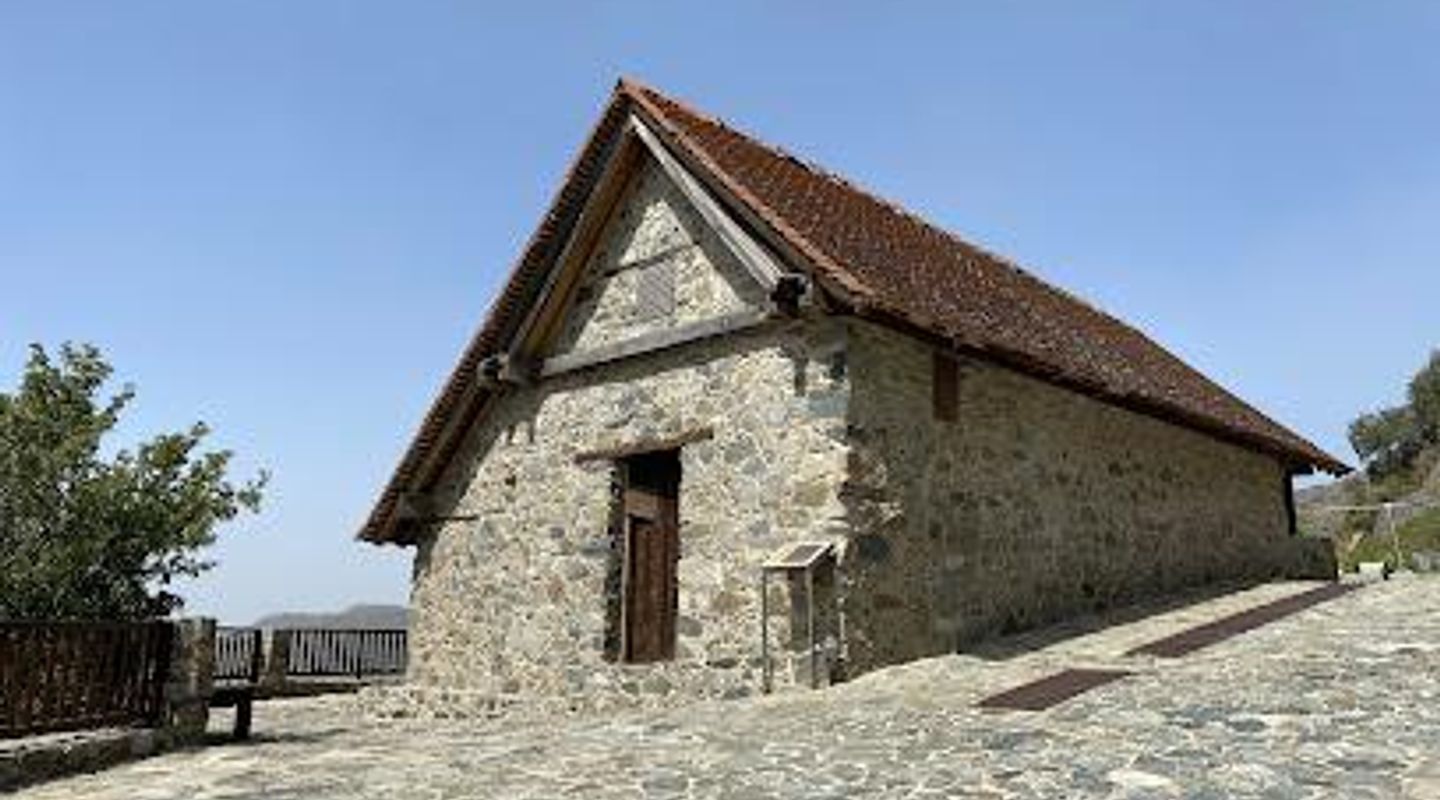
Nestled in the Troodos Mountains, the Panagia tou Moutoulla church is a UNESCO World Heritage site and a captivating example of 13th-century Byzantine art. This small, single-aisled chapel, dating back to 1280, features a steeply pitched wooden roof typical of the region. Inside, vibrant, remarkably well-preserved frescoes depict biblical scenes and portraits of the church's donors, Ioannis of Moutoullas and his wife Irene. The church's intimate atmosphere and the artistic significance of its murals make it a must-see for those exploring the cultural heritage of Cyprus. Its remote location in the serene village of Moutoullas adds to its charm, offering a peaceful escape and a glimpse into the island's rich history and religious traditions. The church provides a unique window into the past, showcasing a blend of Byzantine and Western artistic influences.
A brief summary to Panagia tou Moutoulla
- XRMF+2MV, Moutoullas, CY
- Click to display
- Click to display
- Monday 8 am-3 pm
- Tuesday 8 am-3 pm
- Wednesday 8 am-3 pm
- Friday 8 am-3 pm
- Saturday 9 am-3 pm
- Sunday 9 am-3 pm

Know before you go
Hi, I'm Eve. Here are a few practical things to know before exploring Panagia tou Moutoulla.
- Check opening hours in advance, as they can vary and the church may be closed on certain days or during specific hours.
- Combine your visit with a walk around Moutoullas village to experience traditional Cypriot architecture and local life.
- Wear comfortable shoes for walking on uneven surfaces inside the church and exploring the surrounding village.
- Take your time to appreciate the frescoes; their detail and historical significance are best enjoyed at a leisurely pace.
- Consider visiting during the spring or autumn for mild weather and beautiful scenery in the Troodos Mountains.
Do you manage this location?
Take control to get all the benefits, like improved information, better appearance, and stronger visibility across AI-powered discovery. Learn more about listing your business on Evendo
Activate your presenceOther nearby places you may find interesting
The closest places of the same kind, if this one is not quite what you had in mind.
Explore Panagia tou Moutoulla on the Map
A handpicked selection of must-see spots near Panagia tou Moutoulla, mapped for you.
Unlock the Best of Panagia tou Moutoulla
Buy tickets
-
No tickets available
Book tours with entry


Book tours without entry
-
No tours available
Getting There
-
Driving
From the center of Moutoullas village, the Panagia tou Moutoulla church is a short drive. Head south, following local signs. The road is narrow and winding, typical of mountain villages. Parking is limited near the church; you may need to park a short distance away and walk the final few meters uphill. Be mindful of pedestrians and other vehicles on the narrow road.
-
Walking
If you are already in Moutoullas village, the church is easily accessible on foot. From the village center, follow the uphill path leading south. The walk is short but can be steep in places. Look for signs directing you to Panagia tou Moutoulla. The path is well-worn but may be uneven, so wear appropriate footwear. The walk offers scenic views of the village and surrounding mountains.
-
Public Transport
While public transport directly to Panagia tou Moutoulla is limited, Bus 81 connects Moutoullas to Atsas. From the bus stop in Moutoullas village, follow the walking directions above for the final approach to the church. A single ticket on Bus 81 costs approximately €1.50. Check local bus schedules for accurate timings, as services may be infrequent, especially on weekends.
Discover more about Panagia tou Moutoulla













Your all‑in‑one travel companion app
Explore expert travel guides, compare and book tours, experiences, hotels, and more—all from the palm of your hand. Download now for seamless trip planning wherever your wanderlust takes you.


Explore More of Troodos Mountains
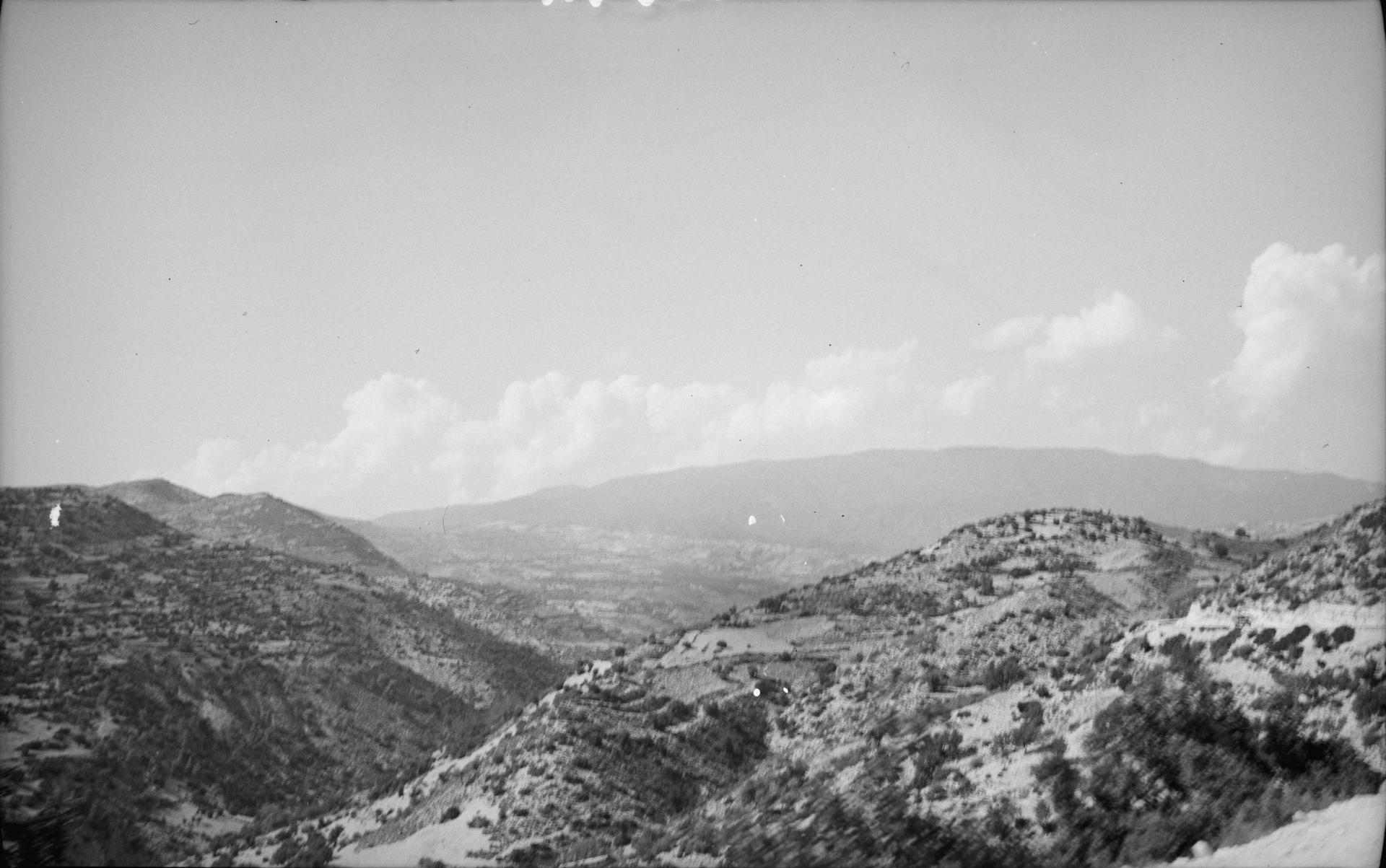
Looking beyond Panagia tou Moutoulla? Discover Troodos Mountains for broader travel guides, local hot-spots, and regional highlights.
Explore Troodos Mountains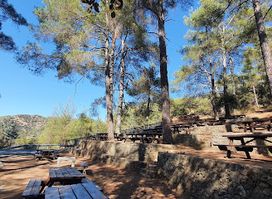
Discover the rugged beauty of Cyprus on the Xystarouda - Agiasma - Vasiliki Trail, a challenging hike through Paphos Forest with stunning views and historical sites.
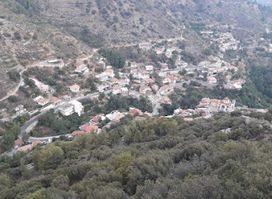
Experience breathtaking panoramic views from Krouvellos Observatory above Moutoullas, Cyprus, offering a tranquil escape into the heart of the Troodos Mountains and Cypriot nature.