The interior of Inés, Aalborg Travel Guide
Free Guide: A transformative social design installation where architecture and human interaction become one artistic experience.


A brief summary of The interior of Inés
A transformative social design installation where architecture and human interaction become one artistic experience.
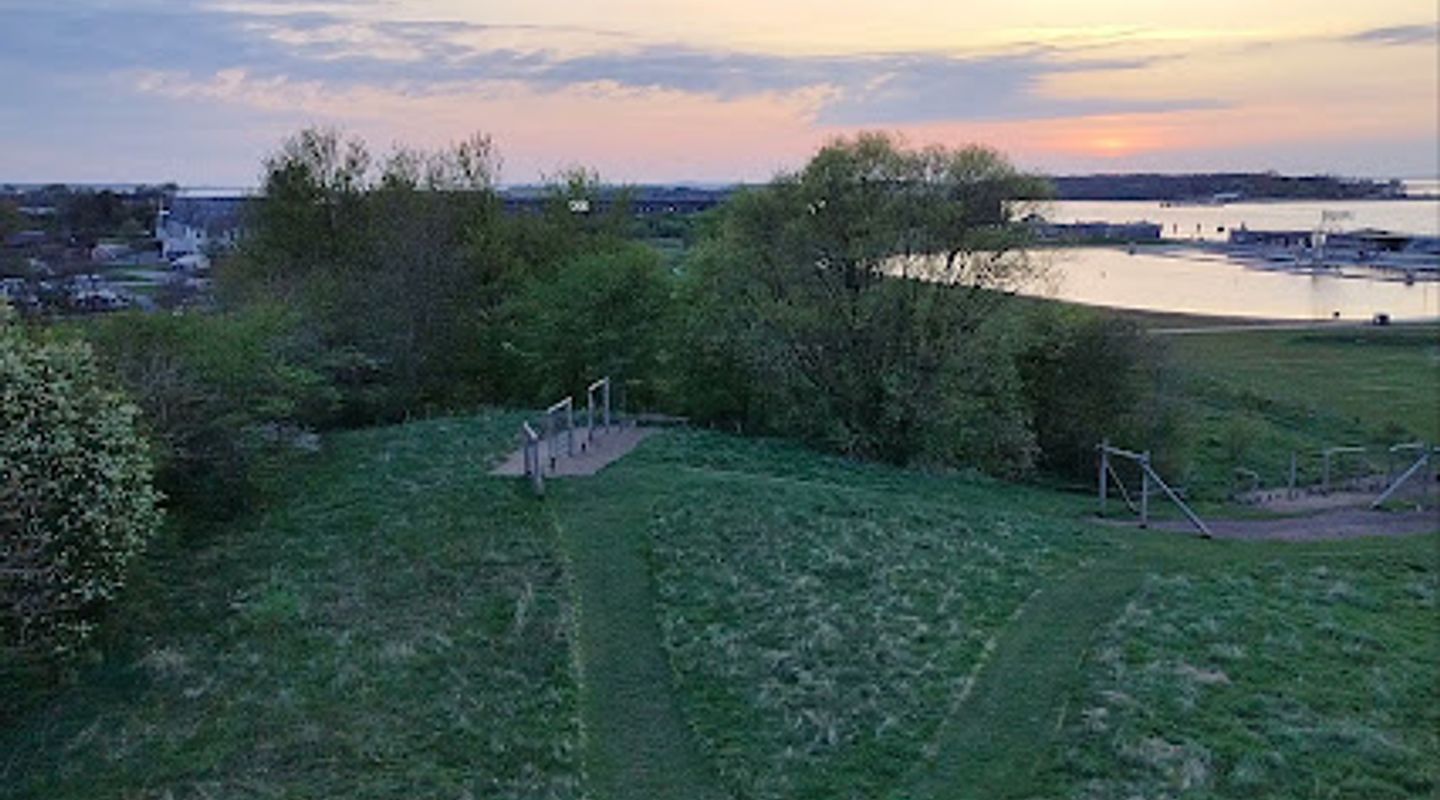
A striking contemporary art installation by Danish artist FOS (Thomas Poulsen) located in Aalborg's Vestre Fjordpark. This immersive social design work transforms a public space into an interactive environment that explores the relationship between architecture, human behavior, and artistic expression. The installation exemplifies FOS's distinctive approach to creating spaces where social interaction becomes the artwork itself.
On-site amenities
 Seating areas
 Picnic areas
 Trash bins
 Information boards
- Address
- Skydebanevej 14, 9000 Aalborg
- Website
Getting there
Public Transport
Bicycle
Private Vehicle
Walking
Discover more about The interior of Inés
A Landmark of Social Design
The Interior of Inés stands as a significant example of contemporary Danish art practice, created in 2017 by Thomas Poulsen, known professionally as FOS. This installation represents a pivotal moment in the artist's exploration of what he terms "social design"—a conceptual framework that treats human interaction and communal experiences as the primary artistic material. Rather than creating a passive object for contemplation, FOS designed a living, breathing environment where the boundaries between art, architecture, and everyday social life dissolve.Located within Vestre Fjordpark in Aalborg, the work engages directly with its surroundings and the people who inhabit it. The installation demonstrates FOS's commitment to creating spaces that are activated through use, where visitors become participants in an ongoing artistic dialogue rather than mere observers.
Conceptual Framework and Artistic Vision
FOS's practice is rooted in examining how physical environments shape human perception and social relations. The Interior of Inés exemplifies this philosophy by creating an architectural intervention that encourages specific types of interaction and movement. The artist's approach involves carefully considering materials, spatial relationships, and functional elements to generate what he describes as "dynamic" spaces—environments where design choices actively influence how people behave and connect with one another.The work reflects FOS's broader artistic trajectory, which evolved from traditional painting toward increasingly complex investigations of space, material, and social function. His background at the Danish Royal Art Academy provided the foundation for this multidisciplinary approach, allowing him to move fluidly between different media and scales of intervention.
Integration with Vestre Fjordpark
Situated at Skydebanevej 14 in Aalborg's Vestre Fjordpark, The Interior of Inés occupies a strategic position within a landscape designed for public engagement. The park itself serves as a cultural and recreational destination, making the installation accessible to diverse audiences. FOS's work contributes to the park's identity as a space where contemporary art, nature, and community life intersect.The artist's decision to place this work in a public park rather than a traditional gallery setting is deliberate and significant. It reflects his belief that art should engage with everyday life and that the most meaningful artistic experiences occur when people encounter work organically, as part of their normal movement through space.
Materials and Spatial Experience
FOS is known for his thoughtful selection of materials and his ability to make complex ideas tangible through physical form. In his various installations and design projects, he employs materials ranging from stone and wood to fabric and light, always with consideration for how these choices affect spatial perception and user experience. The Interior of Inés continues this practice, creating an environment where material choices support the conceptual goals of the work.The installation invites visitors to experience space differently, to notice details they might otherwise overlook, and to become aware of how their own movement and presence contribute to the meaning of the environment. This heightened awareness of spatial relationships and social dynamics is central to FOS's artistic vision.
Context Within Contemporary Art Practice
The Interior of Inés emerges from a moment in contemporary art when artists increasingly questioned the relevance of traditional gallery spaces and sought new ways to engage with public audiences. FOS's work aligns with broader movements toward socially engaged practice, participatory art, and site-specific intervention. His emphasis on "social design" predates and influences current conversations about how art can address social and environmental concerns through spatial and experiential means.The work has been recognized within international art discourse, with FOS's practice gaining attention from major institutions and publications. His ability to work across scales—from intimate gallery interventions to large-scale public commissions—demonstrates the versatility and depth of his conceptual framework.
Evendo Review Centre
 Google
Guest reviews
Best time to go
Quietest: Jan, Feb & Dec · before 6am or at 10pm
Busy times are Evendo estimates for a typical year, to help you plan. Actual crowds vary with events, school holidays and the weather.
Explore The interior of Inés on the map
A handpicked selection of must-see spots near The interior of Inés, mapped for you.
Get your free copy of our complete guide to The interior of Inés, delivered straight to you.
Everything on this page, from opening hours and how to get there to Eve’s tips and the best time to go, in one PDF you can read offline, print or share.
Already have an account? Sign in
Your The interior of Inés guide is ready.
We'll send it to · Not you? Sign out

Getting your guide ready…
We are putting together a fresh copy of the The interior of Inés guide. This can take up to a minute.
This can take a few moments. If your browser asks, choose Allow so the download can start. You'll find the guide in your Downloads folder.
Nothing happened? Download it again
Sorry, the guide is taking longer than usual. Please try again in a minute, or get it by email instead.
Other nearby places you may find interesting
The closest places of the same kind, if this one is not quite what you had in mind.
-
-
-
-
-


Swipe for more places
More to explore near The interior of Inés

 Best experiences near The interior of Inés
 Best hotels near The interior of Inés
 Best landmarks near The interior of Inés
 Best attractions near The interior of Inés
 Best shops near The interior of Inés
 Best restaurants near The interior of Inés
 Best bars near The interior of Inés
Do you manage this location?
Take control to get all the benefits, like improved information, better appearance, and stronger visibility across AI-powered discovery.
Explore more
Explore more of Aalborg
Discover Aalborg, Denmark's northern gem, where medieval charm meets modern vibrancy. Enjoy rich history, cultural landmarks, and a lively culinary scene.
Explore Aalborg
Explore more of Denmark
Discover Denmark: A perfect blend of history, modern design, and the cozy concept of hygge. Explore vibrant cities, serene landscapes, and world-class cuisine.
Explore Denmark