Vejsnæs Nakke Fyr, Aero Travel Guide
A candy-striped lighthouse on Ærø’s southern cliffs, where Baltic panoramas, glacial geology and raw sea winds meet in a quietly dramatic coastal landscape.
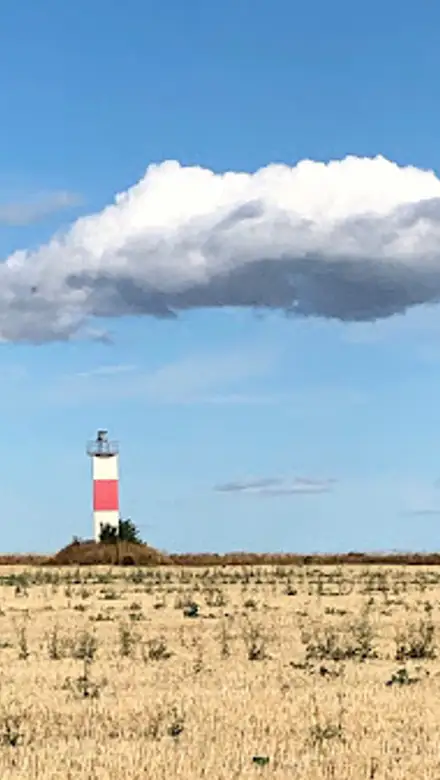
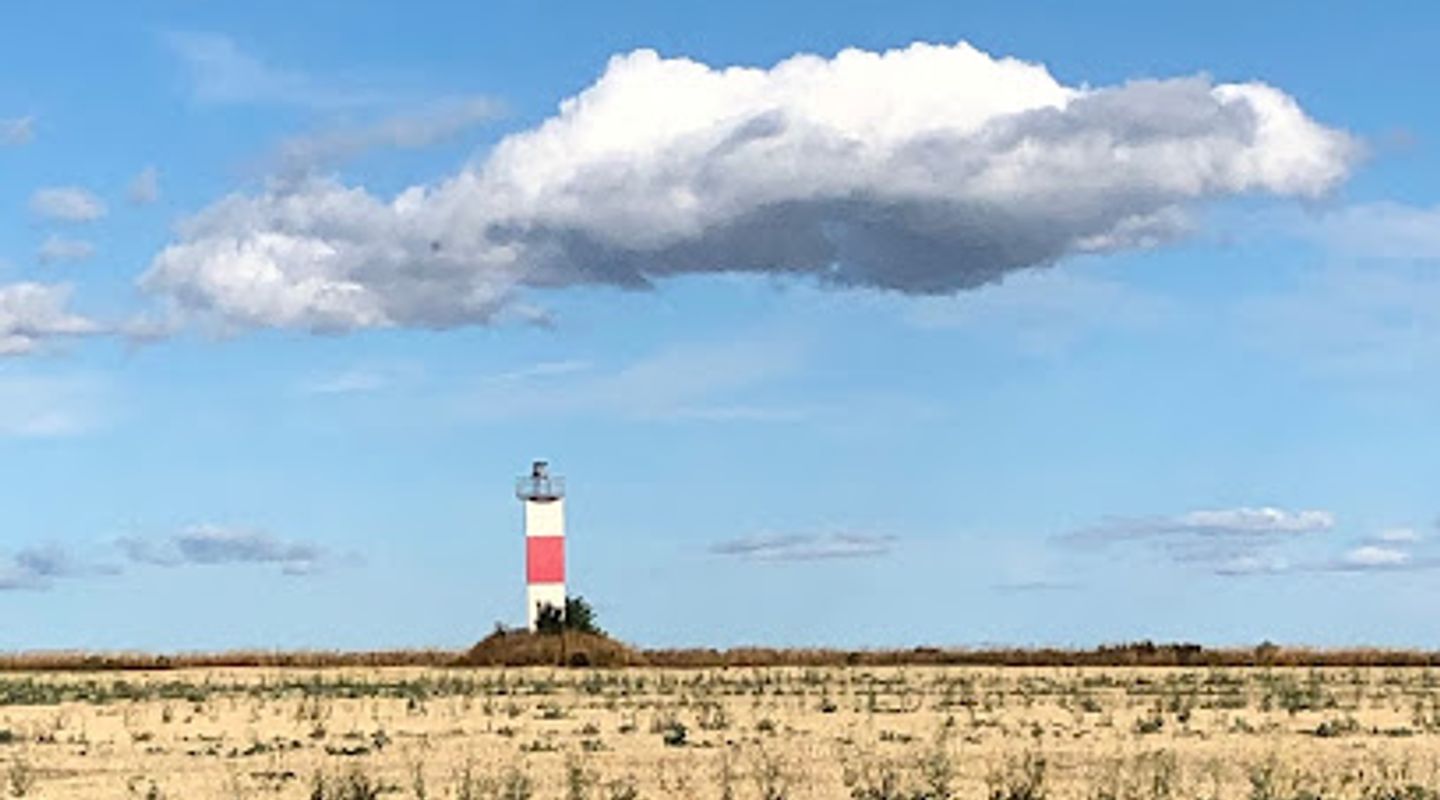
Perched on the dramatic coastal cliffs at the southern tip of Ærø, Vejsnæs Nakke Fyr is a small, candy-striped lighthouse set against wide Baltic Sea horizons. Here, steep coastal bluffs, rolling fields and powerful winds reveal the island’s glacial past, while the neat little beacon stands as a quiet guide for ships in the South Fyn Archipelago. It is an atmospheric spot for cliff-top walks, coastal geology, and contemplative sea views far from busy harbor life.
A brief summary to Vejsnæs Nakke Fyr
- Ryggerholmevej 4-6, Ærøskøbing, 5970, DK
- Duration: 0.5 to 2 hours
- Free
-
 Outdoor
- Mobile reception: 4 out of 5

Know before you go
Hi, I'm Eve. Here are a few practical things to know before exploring Vejsnæs Nakke Fyr.
- Wear sturdy, closed footwear; paths near the cliffs can be uneven, slippery after rain and close to unstable edges.
- Bring windproof layers even in summer; the exposed headland catches strong sea breezes and can feel much cooler than inland.
- Pack water and snacks, as there are no cafés or shops immediately at the lighthouse or on the headland.
- Keep a safe distance from the cliff edge and avoid walking directly under overhangs on the shore due to ongoing coastal erosion.
- Photographers may want to time their visit for late afternoon or evening light, when the striped tower and cliffs are softly illuminated.
Do you manage this location?
Take control to get all the benefits, like improved information, better appearance, and stronger visibility across AI-powered discovery. Learn more about listing your business on Evendo
Activate your presenceOther nearby places you may find interesting
The closest places of the same kind, if this one is not quite what you had in mind.
Explore Vejsnæs Nakke Fyr on the Map
A handpicked selection of must-see spots near Vejsnæs Nakke Fyr, mapped for you.
Getting There
-
Car or rental car from Ærøskøbing
From Ærøskøbing town, reaching Vejsnæs Nakke Fyr by car typically takes around 15–20 minutes along narrow country roads. Expect modest traffic but be prepared for passing places and agricultural vehicles. There is usually informal roadside or small parking near the end of Ryggerholmevej, without parking fees. Fuel is only available in the larger towns on Ærø, so plan refuelling there. As there are no toll roads on the island, the only motor cost is the ferry fare you may already have paid to reach Ærø.
-
Bicycle from Ærøskøbing
Cycling from Ærøskøbing to the headland is a popular option and usually takes 30–45 minutes each way, depending on fitness and wind conditions. The route follows quiet rural roads with gentle hills and wide views over fields and the sea. There is no dedicated cycle lane the entire way, so basic traffic awareness is needed, but car volumes are generally low. Bicycle rental in Ærøskøbing typically costs around 100–150 DKK per day, and you can leave your bike near the track leading to the lighthouse.
-
Bus plus walk on Ærø
Ærø has a local bus network that is free to use, with routes connecting Ærøskøbing to villages in the southern part of the island. Travel time to the nearest stop for Vejsnæs Nakke is roughly 15–25 minutes, depending on the timetable. From the stop, you should expect an additional 20–30 minutes of walking on minor roads and farm tracks to reach the lighthouse. Services generally run a few times per day and may be less frequent on weekends or public holidays, so checking the latest timetable in Ærøskøbing before departure is important.
For the on-the-go comforts that matter to you
-
 Seating Areas
Discover more about Vejsnæs Nakke Fyr
A little striped lighthouse on Ærø’s wild edge
Vejsnæs Nakke Fyr is a modest, candy-striped lighthouse standing close to the cliff edge on the southern tip of Ærø, looking out across the Baltic Sea. Its compact tower, painted in bold bands, contrasts with the open sky and long, low fields that stretch inland, embodying the understated charm of Denmark’s island beacons. Although small in scale, the light has long served as a visual anchor for vessels threading their way through the shallow waters and shifting shoals of the South Fyn Archipelago.The lighthouse’s flame height rises around twenty-three metres above sea level, giving its beam a reassuring reach on dark or misty nights over the surrounding waters. You do not come here for grand architecture or elaborate interiors; instead the appeal lies in the simple form of the tower, the exposed position, and the sense that land and sea meet directly beneath its lantern.Where glaciers shaped sea cliffs and sand spits
The headland of Vejsnæs Nakke is also one of Ærø’s key geospots, known for its impressive south- and east-facing coastal cliffs. These steep bluffs were carved by rising seas in the archipelago and reveal layers of clay, sand and gravel laid down during different ice ages. In places, the strata are folded, pushed over one another or even overturned, evidence of the immense forces exerted by advancing glaciers.Northwest of the main cliff line, a lower-lying marine foreland with dunes and sandy ridges tells a younger story from the Holocene, when wind and waves reworked earlier deposits. Walking along the brink or on the narrow shore below, you can quite literally read the island’s geological history in the exposed faces: older deposits from warm interglacial periods, overlain by material from cold glacial episodes, sculpted once again by the modern sea.Cliff-top walks and big Baltic panoramas
Visiting Vejsnæs Nakke Fyr is above all about being outdoors in a landscape of wind, light and space. Paths and informal tracks trace the edge of the cliffs, opening up sweeping views along Ærø’s south coast and across to other islands in the archipelago on clear days. The sea often shifts quickly from steel grey to deep blue-green, while whitecaps race below the bluff when the wind strengthens.The terrain is generally gentle but can be uneven and exposed, especially near the cliff edge, where caution is essential. Grass underfoot, low shrubs and occasionally muddy sections after rain lend a pleasantly wild feel. Many people linger simply to watch clouds drift over the water, to photograph the striped lighthouse against the sky, or to sit in the lee of a bank and listen to waves breaking far below.Birdlife, sea breezes and seasonal moods
Because of its exposed position, Vejsnæs Nakke Fyr offers good chances to observe coastal birdlife riding the updrafts along the cliffs. Gulls and other seabirds frequently patrol the shoreline, while small songbirds flit through hedgerows and wind-shaped trees inland. On calmer days, the area can feel almost meditative, the low murmur of surf reaching the top of the cliffs like distant traffic.Seasonal changes bring different moods. In summer, long evenings bathe the lighthouse and fields in golden light, making it a favourite time for photography and unhurried walks. Autumn and winter reveal a rawer side, with strong winds, dramatic skies and a heightened sense of the power of the Baltic. Layered clothing and windproof outerwear are essential much of the year, particularly given the lack of natural shelter near the headland.A quiet corner of Ærø with minimal facilities
Despite its scenic quality and geological significance, the area around Vejsnæs Nakke Fyr remains largely undeveloped. There are no built visitor facilities immediately at the lighthouse: no café, shelter or dedicated restrooms on the headland itself, and only limited seating opportunities on simple benches or grassy banks. This simplicity helps preserve the sense of remoteness, even though the site lies within reach of Ærø’s small towns.Information about the geology and coastal processes of Vejsnæs Nakke is available through the regional geopark network, but physical information boards near the cliffs may be sparse or weatherworn. Travellers are encouraged to come prepared with water, suitable footwear and an understanding that this is first and foremost a natural landscape with an active, retreating coastline where staying clear of unstable cliff edges is part of experiencing the place responsibly.Light, land and sea in constant dialogue
What makes Vejsnæs Nakke Fyr memorable is the interplay between the human-made lighthouse and the restless environment around it. The tower stands quietly as the sea erodes the cliffs, storms reshape the shoreline and the sky cycles through sun, rain and shifting cloud. It is a place that invites unhurried contemplation: of navigation and safety at sea, of deep time recorded in the rocks, and of the everyday drama of waves meeting land.Whether you come with a camera, a geology guidebook or simply a desire for open horizons, the experience is one of elemental simplicity. The striped lighthouse, the raw cliff edge and the endless reach of the Baltic together define one of Ærø’s most evocative coastal viewpoints.












Your all‑in‑one travel companion app
Explore expert travel guides, compare and book tours, experiences, hotels, and more—all from the palm of your hand. Download now for seamless trip planning wherever your wanderlust takes you.


Explore More of Aero

Looking beyond Vejsnæs Nakke Fyr? Discover Aero for broader travel guides, local hot-spots, and regional highlights.
Explore Aero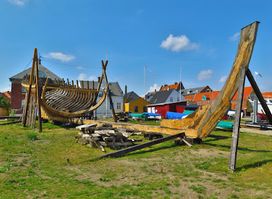
A living seafaring harbour where historic shipyards, busy marina basins and family-friendly waterfront life meet on the edge of the South Fyn Archipelago.
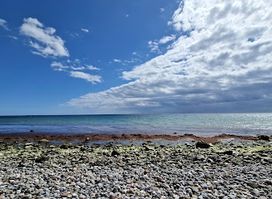
Small striped lighthouse, big Baltic horizons: Vejsnæs Nakke Fyr combines dramatic cliffs, Ice Age geology and wind-swept sea views on Ærø’s exposed south coast.