
The Iconic Bathing Huts of Marstal
Discover Marstal’s iconic row of colorful bathing huts, a living symbol of Ærø’s seaside heritage and Danish summer life along the Baltic shore.
Along the southern curve of Marstal’s coast, a charming parade of brightly painted wooden huts rises from the sand: the Badehusene. These seaside huts, each distinctive in hue and detail, form a beloved local landmark steeped in island tradition. Originally constructed in the late 19th and early 20th centuries, they served as private changing cabins and summer sanctuaries for Marstal’s townsfolk, who would gather here for swimming, sunbathing, and picnicking by the water’s edge. Over the decades they have become symbols of community and continuity, passed down within families through generations and fiercely protected by local regulations that preserve both their style and spirit. The huts create a tapestry of color against the gently lapping Baltic Sea, their doors opening to a white-sand beach scattered with seaweed and shells. Long, warm Danish summer nights see them come alive, with laughter carrying over the water and the gentle hum of conversation as locals and visitors watch schooners sail past Marstal’s harbor in the distance. The promenade along the huts makes for a picturesque walk, giving travelers a unique opportunity to experience Ærø’s blend of nostalgia, simplicity, and maritime history. Informational signs share stories and customs that bring the huts’ storied past into vibrant focus. The atmosphere is blissfully relaxed. There are no admission charges or commercial distractions here—just the scent of salt, the vivid colors of the cabins, and a living tableau of life along Denmark’s southern archipelago. It’s a place to slow down, dip your toes in the shallows, and appreciate the traditions that make Ærø unforgettable.
Local tips
- Bring your swimwear—even on cooler days, the waters are inviting for a quick dip or paddle.
- Photographers will find the best light and vibrant colors in the early morning or late afternoon.
- The promenade is accessible, but access to individual huts or the water may be sandy or uneven.
- Look out for posted signs detailing the history and rules safeguarding the huts’ unique appearance.

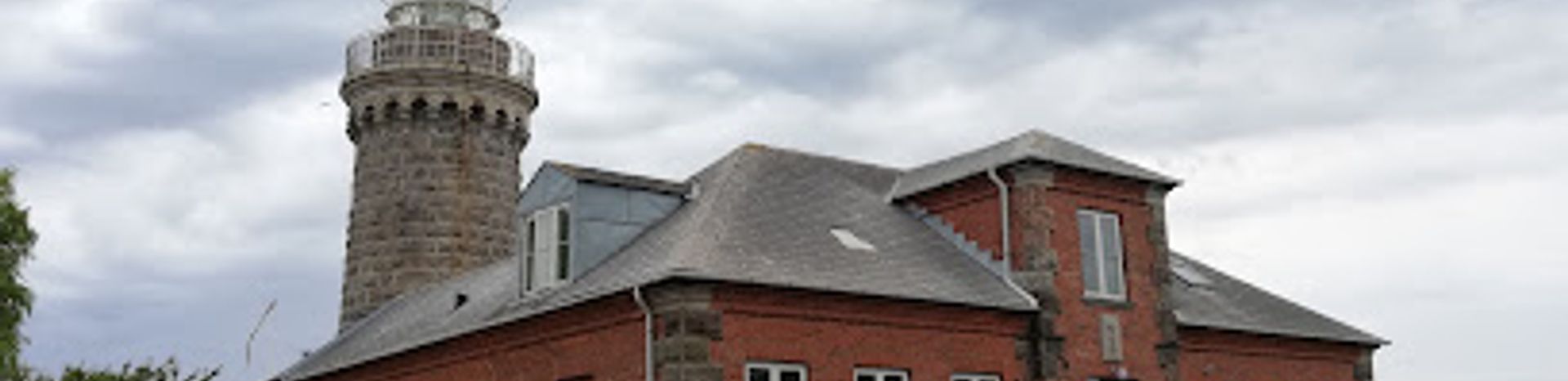
A brief summary to Skjoldnaes Lighthouse
- Skjolnæs Fyr, Skjoldnæsvej, Søby, 5985, DK
Getting There
-
Walking
From the heart of Marstal, the bathhouses are a leisurely 10–20 minute stroll toward the beach, passing through residential streets and leafy park areas before arriving at the shoreline, where the colorful huts are soon visible against the horizon. The route is flat and pleasant, taking you through the gentle transition from town to coast.
-
Bicycle
Cycling from Marstal center to the bathing huts follows the gentle coastal route, taking less than 10 minutes at an easy pace. Bicycle parking is generally free and can be found near the beach entrance. The final stretch opens up to broad sea views, making it a relaxing and scenic ride.
-
Taxi
A taxi from Marstal’s central square provides a convenient option, with the drive lasting only a few minutes. Fares typically range from 60–100 DKK depending on season and demand. Taxis can usually drop off near the coastal promenade, a short walk from the huts themselves.
-
Car
If arriving by car, limited parking is available near the coastline. There are no parking fees in most zones, but during busy summer days, spaces fill quickly—consider arriving early or opting for alternative transport during festivals or peak periods.


