Herningsholm Museum, Central Jutland Travel Guide
Historic manor-turned-museum where cannons, wool socks and heathland stories trace Herning’s journey from fortified estate to textile powerhouse.
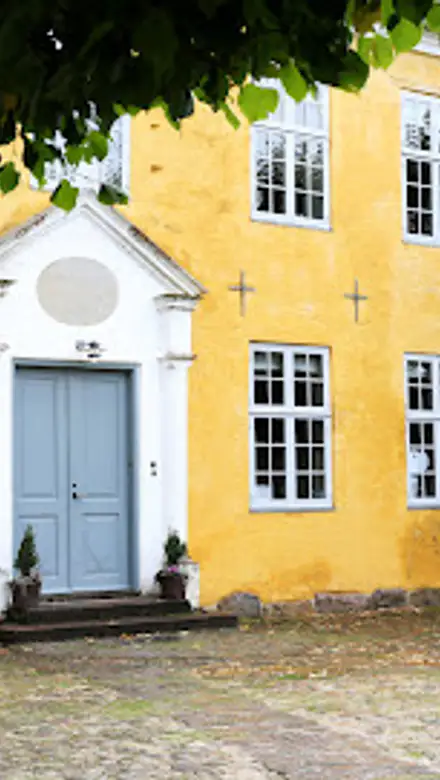
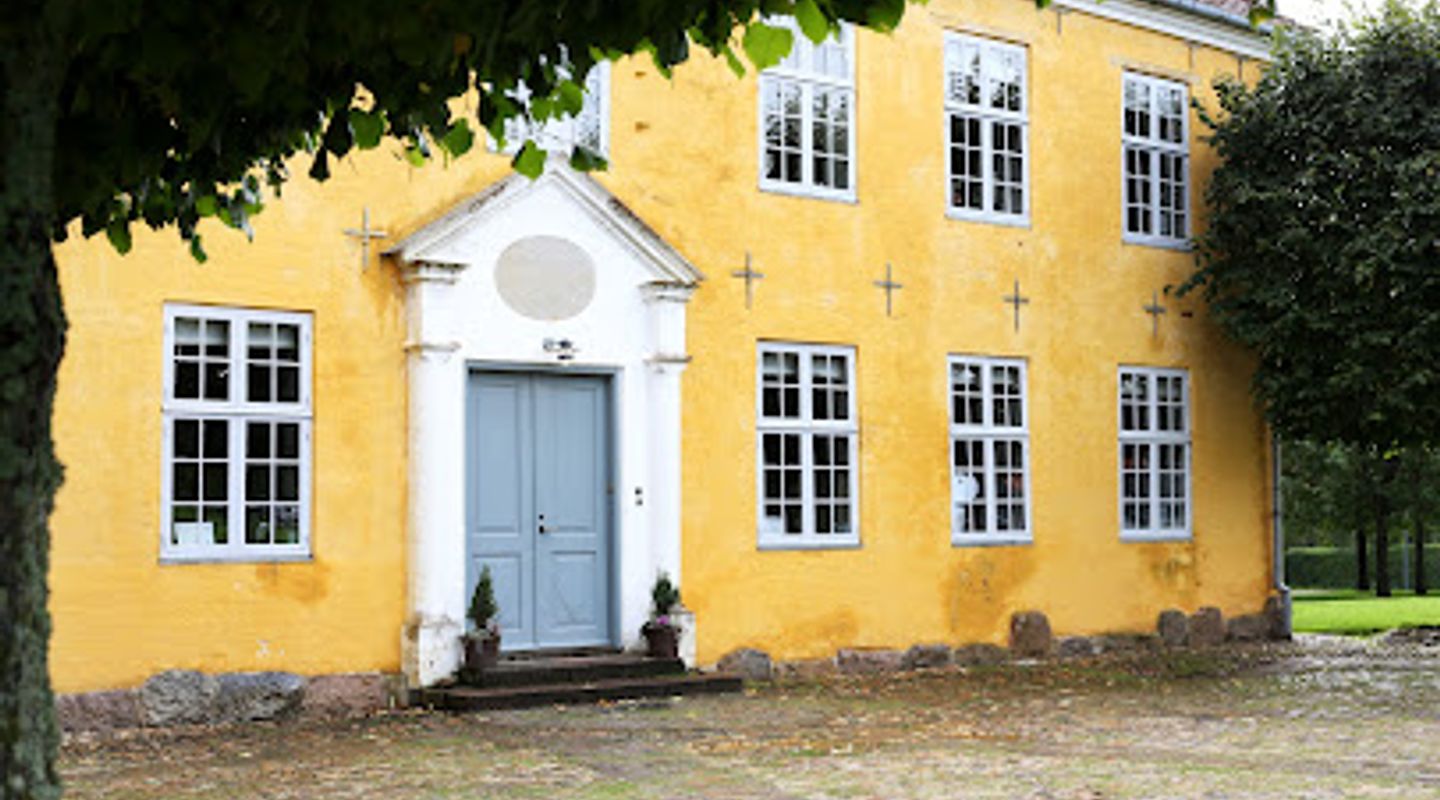
Set in Herning’s oldest building, dating from 1579, Herningsholm Museum combines manor-house atmosphere with stories of life on the Jutland heath and the birth of the region’s textile industry. Within panelled rooms, painted halls and intimate chambers, exhibitions trace the manor’s journey from fortified estate with cannons and soldiers to a powerhouse of sheep, wool and trade. Literary history, local culture and small historic gardens outside make this a compact but richly layered stop in Central Jutland.
A brief summary to Herningsholm Museum
- Herregårdsparken 1, Herning, 7400, DK
- Click to display
- Click to display
- Duration: 1 to 2.5 hours
- Budget
-
 Mixed
Mixed
- Mobile reception: 5 out of 5
- Thursday 12 pm-6 pm
- Friday 12 pm-6 pm
- Saturday 12 pm-6 pm
- Sunday 10 am-6 pm

Know before you go
Hi, I'm Eve. Here are a few practical things to know before exploring Herningsholm Museum.
- Plan your visit for Thursday to Sunday, as opening hours are limited and concentrated toward the end of the week and weekends.
- Set aside time to explore the small gardens around the manor; they are ideal for a simple picnic or a quiet pause between exhibitions.
- Most on-site information is in Danish; ask staff about English-language materials or summaries if you are not fluent.
- Combine Herningsholm with the Textile Museum or the local open-air farm museum to get a fuller picture of Central Jutland’s history.
- Wear comfortable shoes: while the museum is compact, you will be walking on old wooden floors and moving between several levels and garden paths.
Do you manage this location?
Take control to get all the benefits, like improved information, better appearance, and stronger visibility across AI-powered discovery. Learn more about listing your business on Evendo
Activate your presenceOther nearby places you may find interesting
The closest places of the same kind, if this one is not quite what you had in mind.
Explore Herningsholm Museum on the Map
A handpicked selection of must-see spots near Herningsholm Museum, mapped for you.
Getting There
-
Walking from central Herning
From Herning’s central shopping streets and main square, Herningsholm lies in a quieter residential area to the southeast, roughly 1–1.5 km away. The walk typically takes 15–25 minutes at a relaxed pace on mostly flat pavements, suitable for prams and wheelchairs in dry weather. In winter or during rain, allow extra time for slippery sections and bring suitable clothing against wind and showers.
-
City bus within Herning
Local buses in Herning connect the town centre with residential districts around Herregårdsparken in about 10–20 minutes, depending on route and time of day. A single adult ticket usually costs around 20–30 DKK within the city zone, with discounts for children and youths. Services generally run more frequently on weekdays than in the evenings and on Sundays, so check departure times in advance if you plan a late return.
-
Taxi from Herning Station
From Herning railway station, taxis reach Herningsholm in approximately 5–10 minutes, depending on traffic. Typical fares for such a short city journey range from about 80–140 DKK, with supplements in the evening, at weekends or on public holidays. Taxis are a convenient option if you are travelling with children, have limited mobility or wish to coordinate your arrival with the museum’s specific opening hours.
-
Cycling in Herning
Herning is generally bike-friendly, and the distance from the town centre to Herningsholm can be covered in 5–10 minutes by bicycle on mostly flat terrain. Standard city bike rentals, where available, often cost around 80–150 DKK per day, with helmets sometimes provided. Be aware of wet or icy conditions in autumn and winter, and use lights and reflective gear if you plan to ride in the darker months.
For the on-the-go comforts that matter to you
-
 Restrooms
-
 Drink Options
-
 Drinking Water
-
 Food Options
-
 Seating Areas
-
 Sheltered Areas
-
 Trash Bins
-
 Information Boards
Discover more about Herningsholm Museum
An old manor at the heart of Herning’s story
Herningsholm Museum occupies Herning’s oldest building, a manor house dating back to 1579 that once stood as a powerful seat in the windswept central Jutland landscape. Its thick walls, timber details and symmetrical layout still carry the character of a fortified residence, reminding you that this was once both home and stronghold. Step through the entrance and the creak of wooden floors and filtered daylight immediately set a hushed, almost theatrical tone.The museum belongs to Museum Midtjylland, a network of cultural history museums that piece together Central Jutland’s past from prehistory to industrial age. Here, the focus is on the manor’s role as an engine of change: a place where decisions about land, people and trade helped shape the surrounding heath into the modern Herning region.From cannons to wool and the textile boom
One of Herningsholm’s most compelling stories is its transformation from military outpost to commercial hub. Exhibits explore the period when the manor housed a small army and cannons, highlighting its strategic role in a sparsely populated, hard-to-control heath. Weapons, uniforms and period documents sketch a picture of a frontier-like estate responsible for both defence and local order.Over time, military power gave way to economic ambition. New owners introduced large-scale sheep farming and systematic wool production inspired by German models. Rooms now filled with tools, sample garments and trade items show how humble woolly socks and cloth became the seeds of Central Jutland’s later textile industry. This shift from “warrior to trader” is carefully staged, making it easy to grasp how one estate could influence an entire region’s development.Life on the heath and literary connections
Alongside the economic story, Herningsholm delves into daily life on the surrounding heath. Displays of recreated clothing, household objects and agricultural tools evoke a landscape of long winters, hard work and tight-knit communities. The heath’s vast skies and harsh beauty appear in paintings and illustrations, giving a sense of the environment that shaped local character.A dedicated focus on writer Steen Steensen Blicher adds a literary layer. Through texts, portraits and multimedia elements, you encounter the author’s fascination with the heath and its people. His stories, often set in this very landscape, help bridge the gap between historical fact and human emotion, making the region’s past feel vivid rather than distant.Rooms of status, ceremony and everyday rituals
The manor’s interiors are attractions in their own right. In the Malerisalen and Riddersalen, decorative wall paintings, portraits and period furnishings hint at formal dinners, negotiations and celebrations held under painted ceilings. These spaces contrast with more modest rooms where servants worked and families spent their everyday lives, offering a layered view of hierarchy within the house.Throughout the building, original objects and carefully recreated garments are used to stage scenes rather than simply fill cases. Punishment tools, accounting books, tableware and textiles are arranged to suggest conversations, decisions and tensions that might once have unfolded here. This approach emphasizes Herningsholm as a living environment rather than a static display.Garden corners, museum shop and combined visits
Beyond the museum’s doors, small gardens wrap around the manor with lawns, old trees and sheltered corners ideal for a quiet break. Benches and informal seating spots invite you to bring a simple picnic and linger a little longer, using the outdoor calm to process the stories from inside.Before leaving, a compact shop offers books on regional history, children’s titles and small gifts related to the heath and textile themes. Herningsholm also works well in combination with the other Museum Midtjylland sites, such as the open-air farm museum and the textile museum in former factory halls, for a broader narrative of how this once remote heathland region became an industrial and cultural centre.












Your all‑in‑one travel companion app
Explore expert travel guides, compare and book tours, experiences, hotels, and more—all from the palm of your hand. Download now for seamless trip planning wherever your wanderlust takes you.


Explore More of Central Jutland
Looking beyond Herningsholm Museum? Discover Central Jutland for broader travel guides, local hot-spots, and regional highlights.
Explore Central Jutland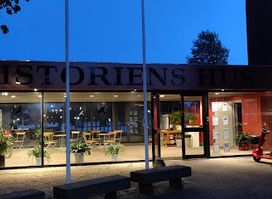
A quiet local history archive where Herning’s evolution from heathland settlement to modern town is preserved in photographs, papers, and personal stories.
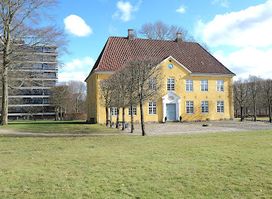
Sixteenth‑century manor, heathland tales and textile roots meet under one timbered roof in Herning’s oldest building.