
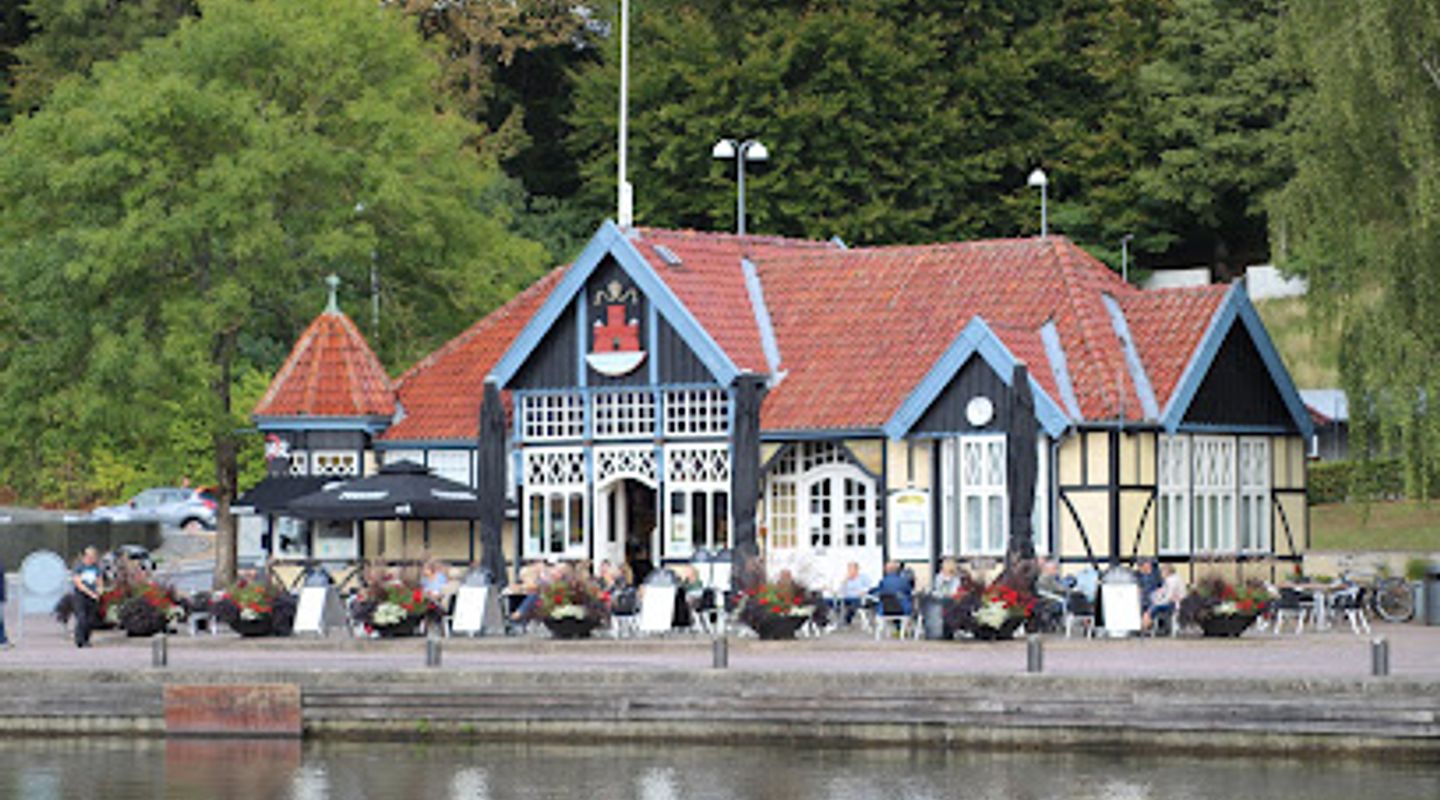
Museum Silkeborg, Hovedgården, Central Jutland Travel Guide
Silkeborg’s oldest manor house turned time capsule, where bog body faces, Iron Age ritual and industrial beginnings bring 2,000 years of Danish history within arm’s reach.
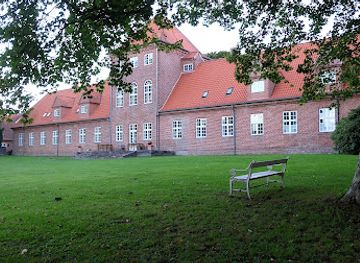
Set in Silkeborg’s oldest building, the 18th‑century manor Silkeborg Hovedgård, Museum Silkeborg’s main department is a compact but engrossing journey through the region’s past. Its undisputed stars are the Tollund Man and the Elling Woman, extraordinarily well‑preserved Iron Age bog bodies that bring prehistoric ritual and daily life chillingly close. Around them unfold exhibitions on archaeology, the rise of Silkeborg from castle outpost to industrial town, Renaissance glass, local pottery and changing displays that keep the story fresh for repeat visitors and history‑curious families.
A brief summary to Museum Silkeborg, Hovedgården
- Hovedgårdsvej 7, Silkeborg, 8600, DK
- Click to display
- Click to display
- Duration: 1 to 2.5 hours
- Budget
-
 Indoor
- Mobile reception: 5 out of 5
- Monday 9 am-5 pm
- Tuesday 10 am-5 pm
- Wednesday 10 am-5 pm
- Thursday 10 am-5 pm
- Friday 10 am-5 pm
- Saturday 10 am-5 pm
- Sunday 10 am-5 pm

Know before you go
Hi, I'm Eve. Here are a few practical things to know before exploring Museum Silkeborg, Hovedgården.
- Plan at least 1.5–2 hours if you want time for both the bog body galleries and the later town and industrial history sections without rushing.
- Some exhibition texts are primarily in Danish; pick up any available English summaries or use a translation app for deeper context.
- Combine Hovedgården with Museum Silkeborg’s other departments, such as the Paper Museum or the Blicheregnen country‑life museum, for a fuller regional story.
- Arrive soon after opening to enjoy the Tollund Man gallery in a quieter atmosphere before midday visitor numbers increase.
Do you manage this location?
Take control to get all the benefits, like improved information, better appearance, and stronger visibility across AI-powered discovery. Learn more about listing your business on Evendo
Activate your presenceOther nearby places you may find interesting
The closest places of the same kind, if this one is not quite what you had in mind.
Explore Museum Silkeborg, Hovedgården on the Map
A handpicked selection of must-see spots near Museum Silkeborg, Hovedgården, mapped for you.
Getting There
-
Train and short walk from Aarhus
From Aarhus, take a regional train toward Silkeborg; the journey typically takes 45–60 minutes with departures roughly every half hour during the day. A standard adult single ticket usually costs around DKK 80–110, depending on time and fare type. From Silkeborg Station it is an easy 15–20 minute walk on level pavements to Hovedgårdsvej, suitable for most visitors with basic mobility. Trains run year‑round but can be less frequent in late evenings and on some holidays.
-
Local bus within Silkeborg
Several local bus routes connect residential areas and the wider town with central Silkeborg, stopping within a few minutes’ walk of Hovedgårdsvej. Typical travel times range from 10–25 minutes depending on departure point and traffic, with adult single fares usually around DKK 24–30 when bought as a standard city ticket or via regional travel apps. Services are generally reliable during daytime on weekdays and Saturdays but may run less often in the late evening and on Sundays, so check the timetable in advance.
-
Car or taxi from the surrounding region
Arriving by car from nearby Jutland towns such as Herning or Viborg usually takes 35–50 minutes via main roads, depending on traffic. Public parking options exist in central Silkeborg within walking distance of the museum, but spaces closest to the historic centre can fill up at busy times. Taxis from Silkeborg Station to Hovedgårdsvej normally take around 5–10 minutes, with typical fares in the region of DKK 80–140 depending on traffic and time of day. In peak summer and during major local events, allow extra time for congestion and parking.
For the on-the-go comforts that matter to you
-
 Restrooms
-
 Seating Areas
-
 Trash Bins
-
 Information Boards
Discover more about Museum Silkeborg, Hovedgården
An 18th‑Century Manor at the Heart of Silkeborg
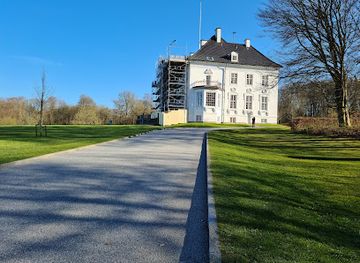
Hovedgården sits just off central Silkeborg’s streets, a dignified 1767 manor house that once oversaw the surrounding estate. Its timbered wings, steep rooflines and restrained Danish classicism immediately set a historic tone. Parts of the building were constructed using stone and brick salvaged from Silkeborg Castle, physically tying the museum to an even older stronghold on the nearby lakeshore.Stepping through the entrance, you move from courtyard cobbles into creaking floors and low ceilings, where rooms retain the proportions and atmosphere of an 18th‑century residence. The manor’s domestic scale means galleries feel intimate rather than monumental; instead of vast halls, you navigate a sequence of smaller chambers, each devoted to a distinct chapter of regional history.Meeting the Tollund Man and Elling Woman
The museum’s most arresting encounter lies in a dimmed gallery where the Tollund Man rests in his glass case. Discovered in a nearby bog in 1950 and dated to around 300 BC, his features are startlingly intact: closed eyelids, faint stubble, a peaceful expression that belies his fate as a ritual sacrifice. Nearby, the Elling Woman, another Iron Age bog body from roughly the same period, adds a second human presence to this ancient story.Panels, models and artefacts around the cases explain the Celtic Iron Age landscape, the practice of offering valuables and, at times, people to the bogs, and what forensic studies have revealed about clothing, last meals and cause of death. It is both archaeological display and human drama, compressing more than two millennia into a single, quiet room.From Prehistory to Industrial Age
Beyond the bog bodies, Hovedgården unfolds a broader narrative of life in the Silkeborg area. Archaeological finds trace habitation from stone tools and Bronze Age ornaments through to the Iron Age farms that formed the backdrop to Tollund Man’s world. Everyday objects, reconstructed house interiors and simple maps help you picture small settlements scattered among forests, lakes and wetlands.Moving forward in time, the focus shifts to the emergence of Silkeborg as a town in the mid‑1800s. Displays explore the short‑lived castle, the later manor estate and the coming of industry, particularly paper production that would define the town’s economy. An empire‑style living room, period furnishings and photographs show how merchants and officials lived as the settlement expanded from rural outpost to busy industrial centre.Craftsmanship in Glass and Clay
One set of galleries highlights the region’s impressive record of craftsmanship. Renaissance‑era glass from local production sites gleams in showcases, its delicate forms and coloured threads illustrating techniques once practiced along the lakes and streams. Nearby, sections devoted to Sorring pottery reveal a different tradition, where clay from Jutland soils was turned into robust household wares and decorative pieces.These collections are not vast but they are carefully chosen, emphasizing how local resources shaped livelihoods and aesthetics. Short texts and object groupings invite you to look closely at small details: the twist of a glass stem, incised patterns on a storage jar, or soot marks that hint at years of use beside a hearth.Stories That Spill Beyond One Building
Hovedgården also serves as the anchor for Museum Silkeborg’s other departments in town and nearby villages. Exhibitions here introduce themes such as workers’ lives in early 20th‑century Silkeborg, picked up in more depth at the separate workers’ museum, and the story of regional authors and rural communities, expanded at the Blicheregnen site. Together they form a network of small museums that share collections and expertise while keeping each location manageable in size.Back at Hovedgården, changing exhibitions occasionally occupy the manor’s rooms, adding contemporary angles or zooming in on a single topic—perhaps new research on the bog bodies, or a closer look at the forests and lakes that still frame the town. Combined with the building’s homely scale, this ensures the museum feels approachable whether you have an hour to spare or an afternoon to immerse yourself in Silkeborg’s layered past.More to explore near Museum Silkeborg, Hovedgården













Your all‑in‑one travel companion app
Explore expert travel guides, compare and book tours, experiences, hotels, and more—all from the palm of your hand. Download now for seamless trip planning wherever your wanderlust takes you.


Explore More of Central Jutland
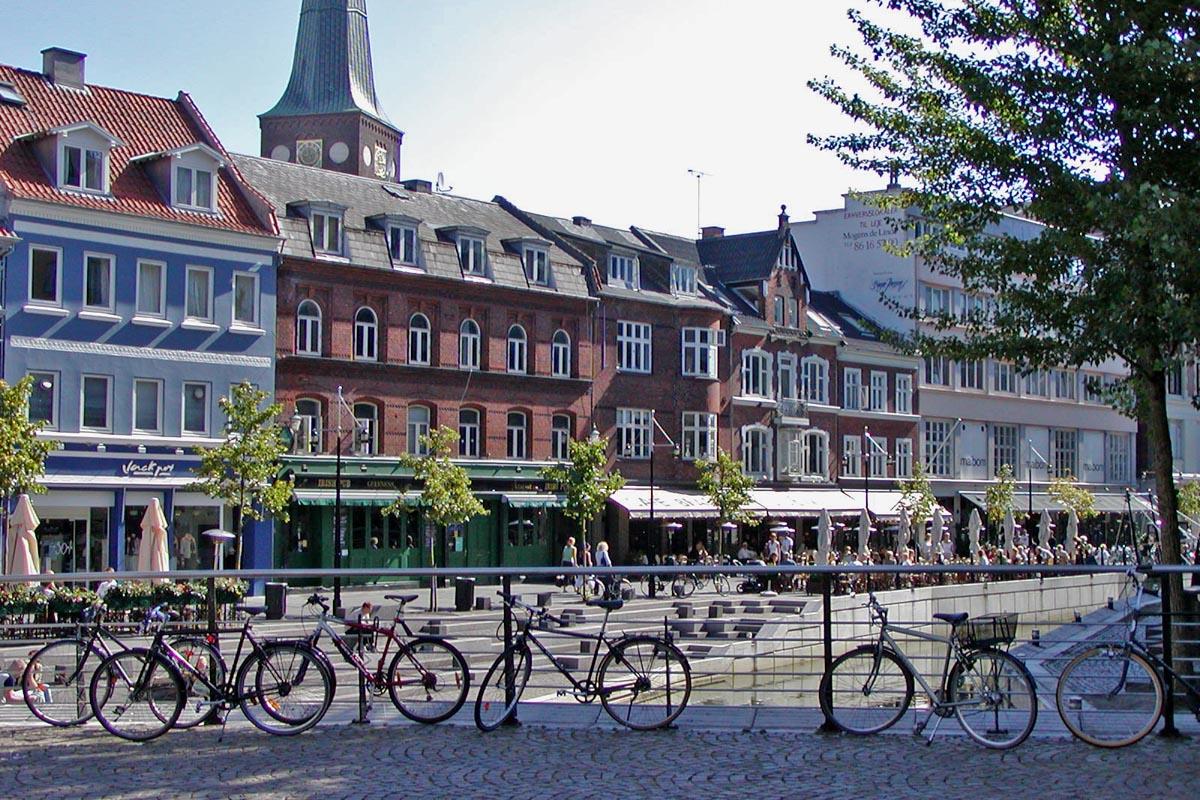
Looking beyond Museum Silkeborg, Hovedgården? Discover Central Jutland for broader travel guides, local hot-spots, and regional highlights.
Explore Central Jutland
Discover leading Danish and international contemporary art in the heart of Silkeborg, with exhibitions, events, and a welcoming, creative atmosphere at Galerie Moderne.
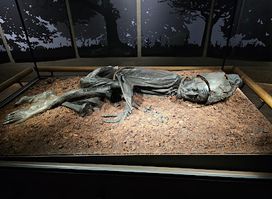
A quiet roadside memorial in the fields near Silkeborg marking the exact bog-side spot where the world-famous Iron Age Tollund Man was discovered in 1950.
