Danish Architecture Centre, Copenhagen Travel Guide
Copenhagen’s living laboratory for architecture and city life, blending bold exhibitions, playful design experiences and harbourfront views inside the BLOX building.
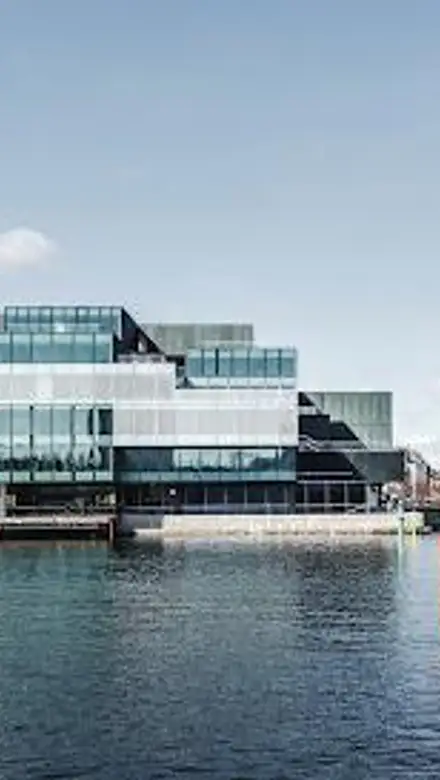
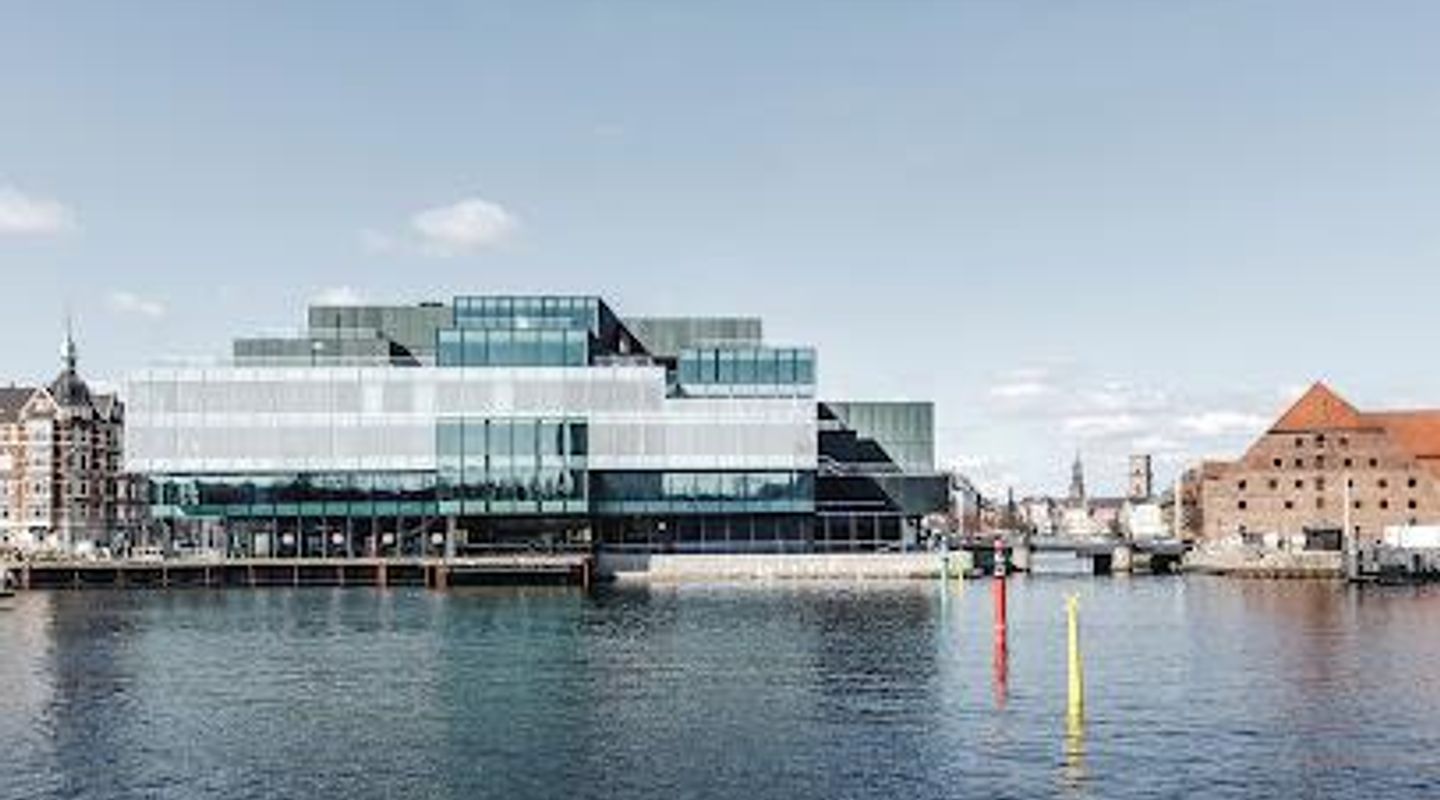
Set inside the striking glass-and-steel BLOX complex on Copenhagen’s inner harbour, the Danish Architecture Centre is Denmark’s national hub for architecture, design and urban culture. Exhibitions like “So Danish!” trace a thousand years of building history, while changing shows explore sustainability, cities of the future and global design icons. Families are drawn to hands-on workshops, LEGO universes and the 40‑metre spiral slide, while the café and roof terraces serve Nordic dishes with sweeping harbour views.
A brief summary to Danish Architecture Centre
- Bryghusgade 10, Copenhagen, Indre By, 1473, DK
- Click to display
- Click to display
- Duration: 1.5 to 3 hours
- Mid ranged
-
 Indoor
- Mobile reception: 5 out of 5
- Monday 10 am-9 pm
- Tuesday 10 am-6 pm
- Wednesday 10 am-6 pm
- Thursday 10 am-9 pm
- Friday 10 am-6 pm
- Saturday 10 am-6 pm
- Sunday 10 am-6 pm

Know before you go
Hi, I'm Eve. Here are a few practical things to know before exploring Danish Architecture Centre.
- Plan at least 1.5–2 hours to explore “So Danish!”, one or two temporary exhibitions and the rooftop café, especially if you also want to try the DAC Slide.
- If you hold a city pass such as a Copenhagen sightseeing card, check whether entry to DAC is included to save on admission.
- Visit on a Monday or Thursday evening when the centre stays open later; galleries are often calmer and the harbour views feel especially atmospheric after dusk.
- Families should time their visit for weekends or school holidays, when the family workshop and LEGO building areas usually run with extended activities.
- Head to the roof terraces even if you are short on time; they offer some of the best panoramas of Copenhagen’s inner harbour and skyline.
Do you manage this location?
Take control to get all the benefits, like improved information, better appearance, and stronger visibility across AI-powered discovery. Learn more about listing your business on Evendo
Activate your presenceOther nearby places you may find interesting
The closest places of the same kind, if this one is not quite what you had in mind.

Explore Danish Architecture Centre on the Map
A handpicked selection of must-see spots near Danish Architecture Centre, mapped for you.
Unlock the Best of Danish Architecture Centre
Buy tickets
-
No tickets available
Book tours with entry


Getting There
-
Metro
From central Copenhagen, take the M3 or M4 metro line to Gammel Strand or Kongens Nytorv and continue on to the station serving the harbourfront near BLOX; the total metro journey from many inner-city stops is around 5–10 minutes, followed by a short, step-free walk. Standard single tickets within the central zones typically cost around 20–30 DKK, and trains run every few minutes throughout the day.
-
City Bus
Several city bus routes run along the inner harbour corridor with stops a short walk from Bryghusgade; from the central rail station area the ride is usually 10–15 minutes depending on traffic. A regular bus ticket within the core zones costs roughly 20–30 DKK and can be bought via ticket machines or transport apps. Buses are low-floor and generally accessible but can be busy during rush hours.
-
Bicycle
Copenhagen’s dense bike-lane network makes cycling to DAC straightforward from most central districts, typically taking 5–15 minutes from areas like Vesterbro, Nørreport or Christianshavn. You can rent a city bike or from private rental shops, with daily rentals often starting around 100–150 DKK. The route is mostly flat and separated from traffic, though the harbourfront can feel busy at commuting times.
-
Taxi
A taxi from Copenhagen Central Station or similar central locations usually reaches Bryghusgade in 5–10 minutes, depending on congestion along the harbour. Fares within the inner city commonly range from about 80–140 DKK, with surcharges in the evening or on weekends. Drop-off is close to the entrance, which is convenient for visitors with limited mobility.
For the on-the-go comforts that matter to you
-
 Restrooms
-
 Drink Options
-
 Drinking Water
-
 Food Options
-
 Seating Areas
-
 Sheltered Areas
-
 Trash Bins
-
 Information Boards
-
 Visitor Center
Discover more about Danish Architecture Centre
Where Copenhagen Thinks About the City
The Danish Architecture Centre (DAC) is Denmark’s national hub for architecture, design and urban development, housed in the eye‑catching BLOX building on the edge of Copenhagen’s inner harbour. More than a traditional museum, it is a place where ideas about how we live, work and move through cities are constantly in motion. Inside, architecture becomes something you can touch, test and question rather than simply admire from afar.The setting alone tells a story about contemporary Denmark. BLOX is all sharp lines and stacked volumes of glass and steel, a bold contrast to the copper spires and gabled roofs across the water. Standing here you sense the dialogue between old and new Copenhagen: medieval street patterns and royal palaces on one side, shimmering modernism and bike bridges on the other.Stories Inside “So Danish!” and Beyond
DAC’s core narrative unfolds in its permanent exhibition, “So Danish!”, which traces more than a thousand years of Danish architecture, from Viking longhouses to cutting‑edge sustainable towers. Models, drawings and full‑scale fragments reveal how ideas like functionalism, welfare‑state housing and climate‑conscious design have shaped everyday life. You move through timelines, immerse yourself in film sequences and see how architects such as Arne Jacobsen, Jan Gehl and newer studios have reimagined homes, streets and waterfronts.Alongside the permanent show, rotating exhibitions dive into specific themes: circular building methods, the relationship between nature and the city, or experimental housing solutions. International names, including global Danish practices, often feature with large‑scale installations and interactive elements. The focus is less on isolated masterpieces and more on how buildings respond to people, communities and the climate.Hands-On Fun, Workshops and the Famous Slide
Architecture becomes play in DAC’s family areas. Weekends and school holidays bring open workshops where children and adults build future cities from bricks, cardboard and recycled materials, guided by friendly hosts. Large LEGO zones invite you to test structural ideas, towers and bridges, making the language of design tangible even for younger visitors.One of the most talked‑about features is the 40‑metre spiral DAC Slide that coils dramatically through several floors of the building. It doubles as an art installation and a thrilling shortcut between galleries, giving a visceral sense of speed and gravity inside an otherwise rational, rectilinear structure. Nearby, there are creative trails at child height and playful exhibits that encourage you to touch, climb and experiment.City as Open-Air Collection
For DAC, the real collection lies outside its walls. The centre runs guided walks through Copenhagen’s neighbourhoods, treating streets, harbour baths, bike bridges and housing estates as open‑air galleries. These tours connect ideas from the exhibitions to the buildings and spaces just beyond the glass façades, explaining how former industrial docks became lively districts and how soft mobility and green infrastructure shape daily routines.Even without a tour, large windows and outdoor terraces constantly frame the city as part of the exhibition. From here you can trace the line of the harbour, spot landmarks like church spires and modern cultural venues, and watch ferries, cyclists and runners weaving through the city’s public spaces below.Café Views, Design Shop and Everyday Life
High above the quay, the DAC Café stretches onto broad roof terraces with one of the most expansive views in central Copenhagen. Nordic‑style dishes, coffee and drinks are served with a panorama of water, bridges and historic rooftops, making it a popular pause point whether or not you are exploring every gallery in depth. On fine days the terraces feel like a floating plaza above the harbour traffic.Back at ground and mezzanine levels, the design shop curates pieces that echo the centre’s focus on thoughtful design: books on urbanism, Danish design objects, prints, jewellery and gifts that blend aesthetics with everyday usefulness. Throughout the building, signage and exhibition design reinforce DAC’s broader commitment to sustainability, inclusivity and the idea that architecture is not just about spectacular façades, but about how people inhabit spaces over time.More to explore near Danish Architecture Centre













Your all‑in‑one travel companion app
Explore expert travel guides, compare and book tours, experiences, hotels, and more—all from the palm of your hand. Download now for seamless trip planning wherever your wanderlust takes you.


Explore More of Copenhagen
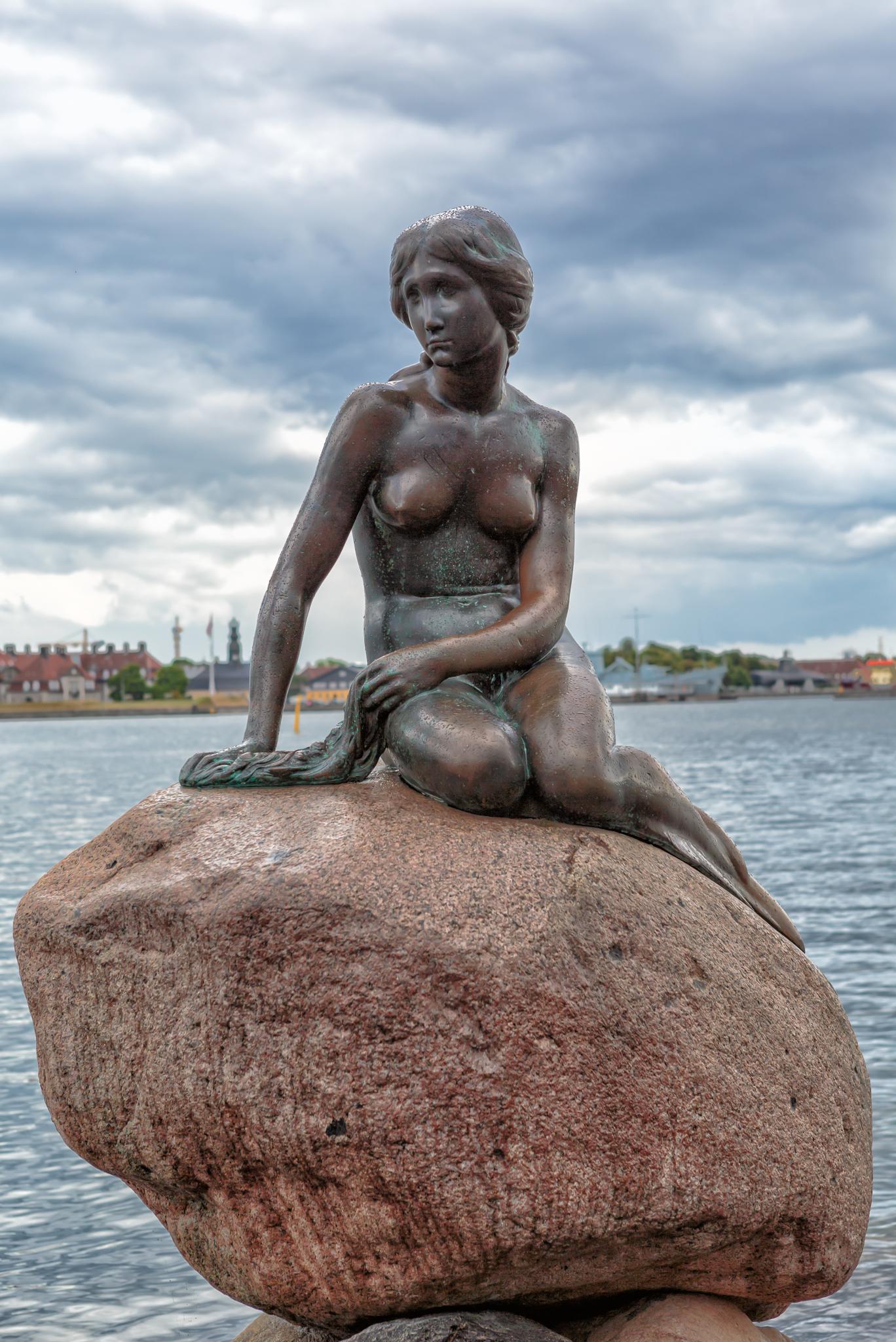
Looking beyond Danish Architecture Centre? Discover Copenhagen for broader travel guides, local hot-spots, and regional highlights.
Explore Copenhagen
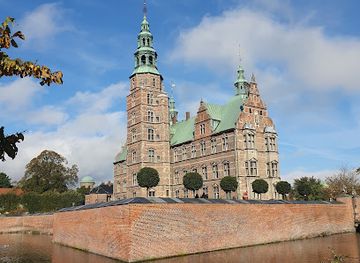
Explore Rosenborg Castle, Copenhagen's Renaissance masterpiece housing Denmark's Crown Jewels and royal treasures.
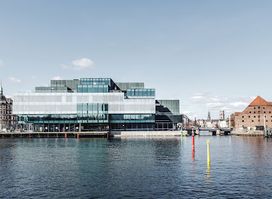
National hub for architecture and city life inside the bold BLOX building, with exhibitions, skyline views, creative family spaces and a design-forward Nordic café.