Gefion Fountain, Copenhagen Travel Guide
Copenhagen’s creation myth cast in bronze, the Gefion Fountain hurls goddess, oxen and water into a powerful tableau beside the harbour and Churchillparken.
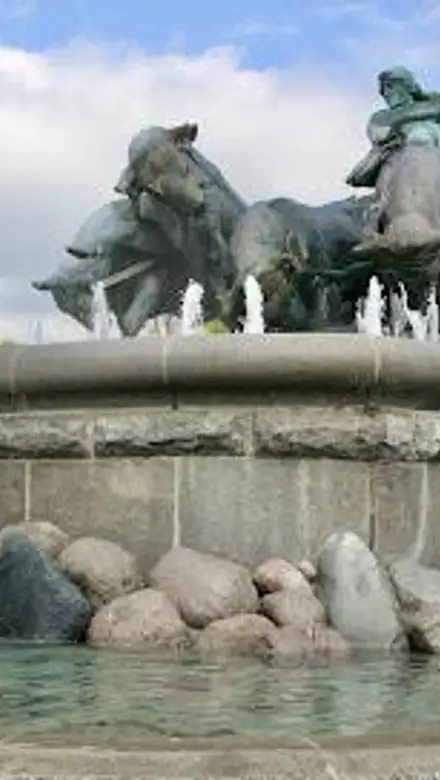
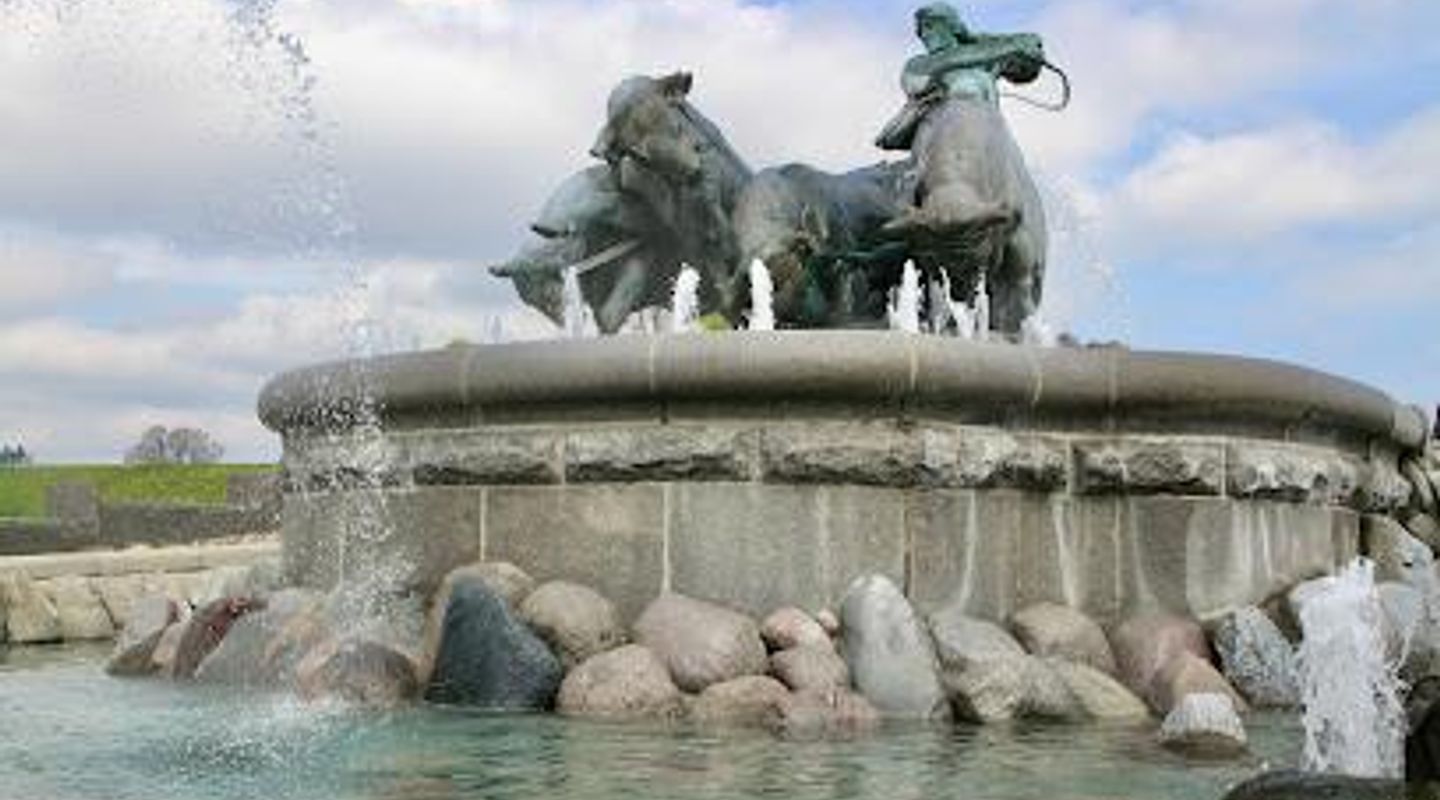
Set on Copenhagen’s harbourfront at Churchillparken, the Gefion Fountain is a dramatic bronze-and-granite monument depicting the Norse goddess Gefion driving four straining oxen through foaming water. Gifted to the city by the Carlsberg Foundation and unveiled in 1908, it illustrates the myth of how Gefion ploughed the island of Zealand from Sweden. Today it doubles as a wishing well and a photogenic pause between Kastellet, St Alban’s Church and the Langelinie promenade.
A brief summary to Gefion Fountain
- Churchillparken, København K, København K, 1263, DK
- Click to display
- Click to display
- Duration: 0.5 to 1.5 hours
- Free
-
 Outdoor
- Mobile reception: 5 out of 5

Know before you go
Hi, I'm Eve. Here are a few practical things to know before exploring Gefion Fountain.
- Visit early in the morning or later in the evening for softer light on the bronze figures and fewer people around the basins for photos.
- Walk a full circle around the fountain to catch different perspectives, including views that line up the sculpture with St Alban’s Church and Kastellet.
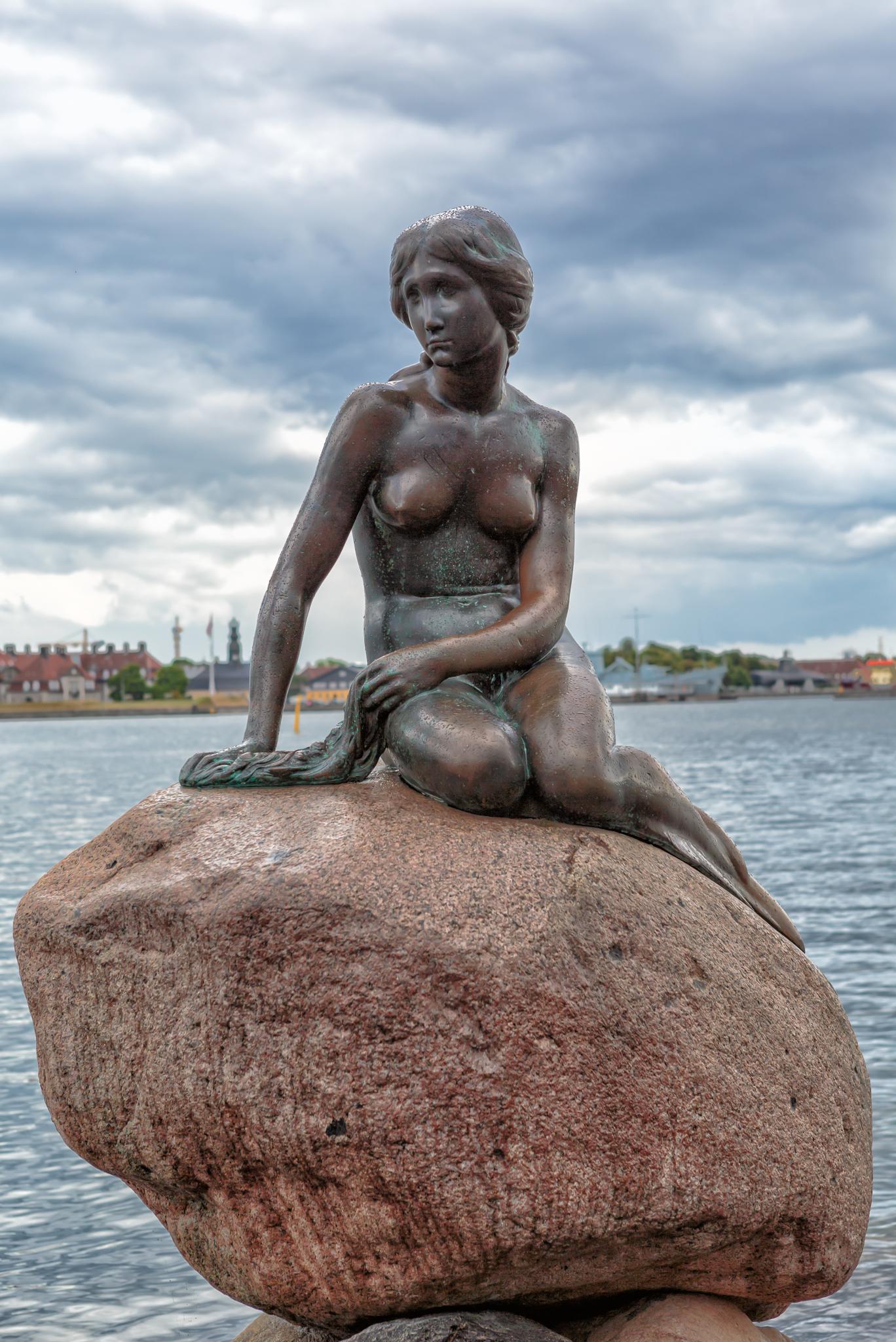
- Combine your stop here with a relaxed stroll through Churchillparken and along Langelinie promenade toward the Little Mermaid statue.
Do you manage this location?
Take control to get all the benefits, like improved information, better appearance, and stronger visibility across AI-powered discovery. Learn more about listing your business on Evendo
Activate your presenceOther nearby places you may find interesting
The closest places of the same kind, if this one is not quite what you had in mind.

Explore Gefion Fountain on the Map
A handpicked selection of must-see spots near Gefion Fountain, mapped for you.
Unlock the Best of Gefion Fountain
Buy tickets
-
No tickets available
Book tours with entry


Getting There
-
Metro from central Copenhagen
From central Copenhagen, take the M3 Cityring or M4 metro to Marmorkirken Station; from there it is about a 10–15 minute walk through the historic centre and Churchillparken to the fountain. A single metro journey within the city typically costs around 20–30 DKK using standard tickets or travel cards. Trains run every few minutes during the day, and the route is fully accessible with elevators at stations.
-
Local bus toward Østerbro harbourfront
Several city buses serve the area around Østerport and the Langelinie/Churchillparken district, with typical journey times of 10–20 minutes from the inner city depending on traffic. A single bus ticket within the city is usually in the 20–30 DKK range and can be bought via ticket machines or travel apps. Buses run frequently throughout the day, but seating and space can be limited at peak commuter times.
-
Walking from Nyhavn and central harbour
From Nyhavn or the central harbourfront, reaching Gefion Fountain on foot generally takes 20–30 minutes at a relaxed pace. The route follows broad pavements and promenade sections, mostly flat and suitable for most walkers, with crossings at main roads but no challenging terrain. This option is free and gives continuous harbour views and parkland scenery along the way.
For the on-the-go comforts that matter to you
-
 Restrooms
-
 Drink Options
-
 Drinking Water
-
 Food Options
-
 Seating Areas
-
 Trash Bins
-
 Information Boards
Discover more about Gefion Fountain
Myth in Bronze and Water
The Gefion Fountain captures one of Denmark’s best‑known creation legends in a single explosive scene. At its centre stands the Norse goddess Gefion, leaning into her plough as four massive oxen hurl themselves forward, muscles taut, nostrils flared, hooves cutting through imagined earth. According to the myth, the Swedish king Gylfi promised Gefion as much land as she could plough in one day and one night. To claim it, she transformed her four sons into oxen and tore a vast chunk of land from Sweden, which became the Danish island of Zealand.The fountain freezes this moment of supernatural effort in bronze. Water surges from beneath the plough and cascades over tiered basins of stone, turning the legend into a moving tableau of spray, light and sound. It is both a celebration of Nordic storytelling and a bold statement of Danish identity, placing the origin of the country’s most populous island in the hands of a powerful goddess.A Monumental Gift to the City
Behind the theatrical composition lies a carefully planned civic project. The Carlsberg Foundation commissioned the fountain in the late 19th century as a gift to Copenhagen for the brewery’s 50‑year anniversary. Danish sculptor Anders Bundgård designed the group, crafting the bronze figures over several years before the complex stone basins were prepared to receive them. The fountain was finally activated in 1908 and quickly joined the city’s canon of emblematic works.More than a decorative feature, Gefion Fountain was conceived on a monumental scale. It ranks among Copenhagen’s largest monuments, its broad granite cascades stepping down toward the harbour while the bronze group surges above the upper basin. The intention was clear: to give the capital an outdoor sculpture that felt timeless, merging modern craftsmanship with the gravity of an age‑old myth.Harbourfront Setting by Parks and Fortifications
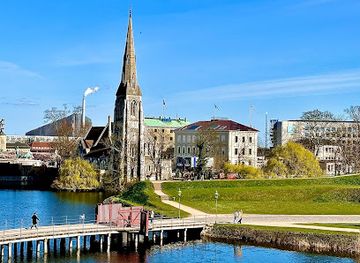
The fountain’s setting amplifies its drama. It stands at the edge of Churchillparken and Langelinie, close to the Østerbro harbourfront where the air smells faintly of salt and ships slide along the waterfront. Just behind rises the green ramparts and star‑shaped outline of Kastellet, one of Europe’s best‑preserved fortresses. Nearby, the delicate silhouette of Anglican St Alban’s Church adds a striking vertical counterpoint to the horizontal spread of water and stone.From the fountain’s rim, sightlines reach toward the harbour and along tree‑lined paths that lead to other major landmarks, including the Little Mermaid statue. In spring, blossoms soften the granite edges; in winter, when the water is reduced or off, the figures stand out even more starkly against a pale sky. The location makes the fountain feel like a hinge between city, parkland and sea.Details, Craft and Restoration
A closer look reveals how meticulously the sculptural group is executed. The oxen’s flanks ripple with carved tension, their heads lowered in synchronized effort, while Gefion’s garments whip backward as if caught by the same invisible force driving the team onward. The surfaces bear the patina of more than a century outdoors, the bronze deepened to rich greens and browns that contrast with the pale granite basins below.To preserve this complexity, the fountain underwent an extensive restoration campaign starting in 1999. The water was shut off, the sculptures were cleaned and repaired, and the technical systems modernised before the monument was re‑inaugurated in 2004. The result is a structure that still feels vigorous, the water mechanisms supporting the original artistic intent of movement, noise and spectacle.Experiencing the Fountain Today
For visitors, Gefion Fountain is as much an ambient experience as a visual one. The roar and splash of the water form a constant backdrop, masking city noise and inviting people to linger on the surrounding steps and low walls. Many treat the main basin as a wishing well, flipping coins into the water with private hopes, adding a contemporary ritual to the ancient story.The open setting makes it easy to appreciate the fountain from multiple angles: silhouetted against the sky from below, framed by church spires from the side, or seen head‑on with Kastellet’s green slopes behind. It works equally well as a quick photo stop on a harbourfront stroll or as a place to pause, sit and trace the contours of a myth that has helped define Denmark’s sense of place.












Your all‑in‑one travel companion app
Explore expert travel guides, compare and book tours, experiences, hotels, and more—all from the palm of your hand. Download now for seamless trip planning wherever your wanderlust takes you.


Explore More of Copenhagen
Looking beyond Gefion Fountain? Discover Copenhagen for broader travel guides, local hot-spots, and regional highlights.
Explore Copenhagen
Copenhagen’s leading design museum, where iconic Danish objects, historic rococo architecture and a tranquil courtyard garden reveal how design shapes everyday life.

Go underground beside Copenhagen’s Citadel to follow five real lives through occupation, resistance and collaboration in a gripping World War II museum.