Ripley's Believe It or Not!, Copenhagen Travel Guide
Free Guide: A compact oddities museum on Rådhuspladsen where shrunken heads, vortex tunnels and record‑breaking curiosities turn everyday Copenhagen into a world of wonders.


A brief summary of Ripley's Believe It or Not!
A compact oddities museum on Rådhuspladsen where shrunken heads, vortex tunnels and record‑breaking curiosities turn everyday Copenhagen into a world of wonders.
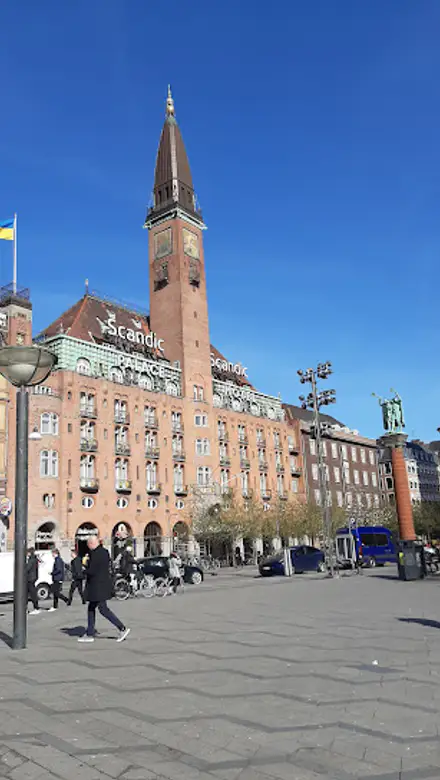
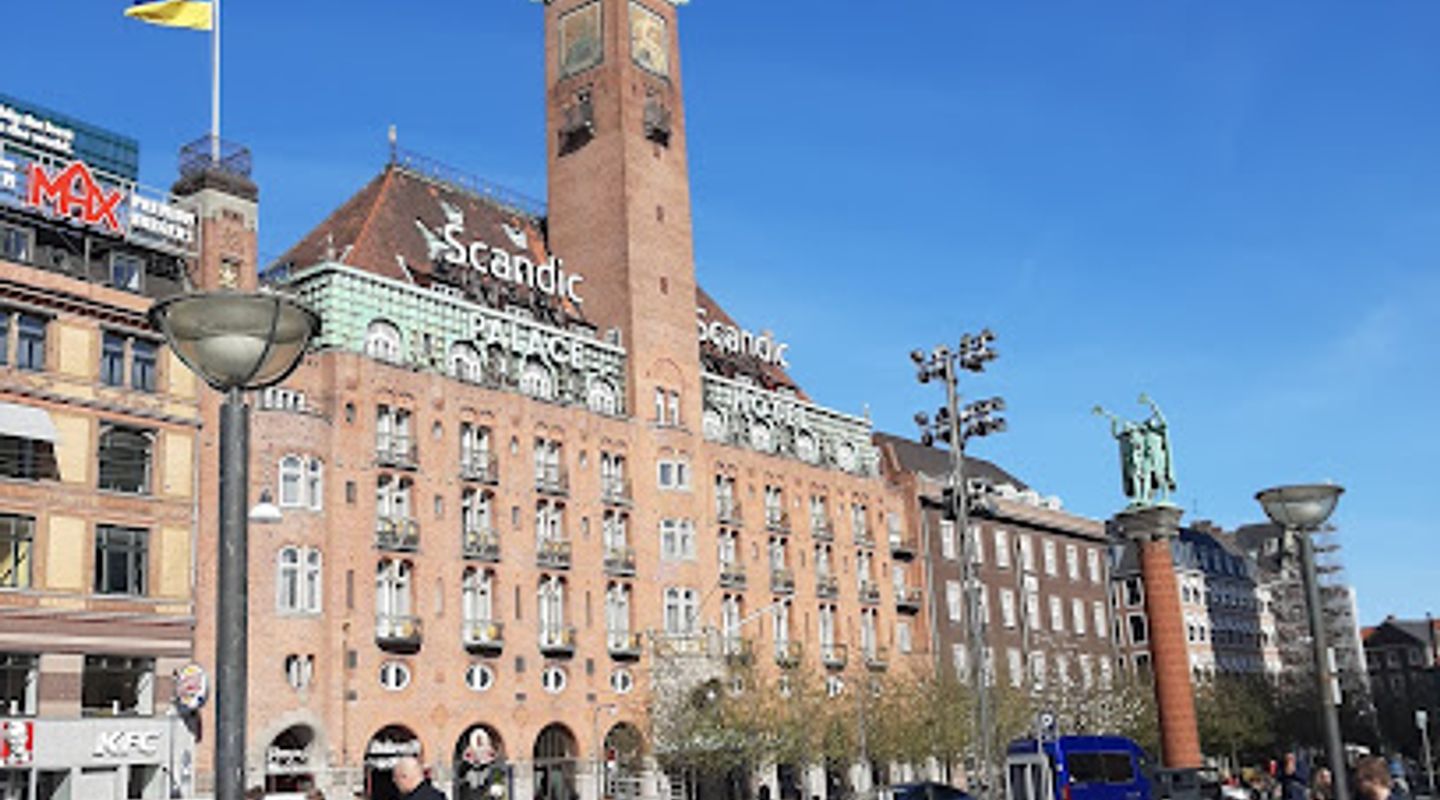
Ripley’s Believe It or Not! Copenhagen brings the famous world of oddities and curiosities to the heart of the city, right on Rådhuspladsen. Scandinavia’s only Ripley’s odditorium packs more than 500 bizarre objects, puzzling illusions and interactive exhibits into two indoor floors, from genuine shrunken heads and a two-headed cow to a dizzying vortex tunnel and quirky photo ops. It’s a weather‑proof, family‑friendly stop that mixes sideshow strangeness with hands‑on fun, close to Tivoli and City Hall.
On-site amenities
 Restrooms
 Trash bins
 Information boards
Opening hours
- Mon10 am–6 pm
- Tue10 am–6 pm
- Wed10 am–6 pm
- Thu10 am–6 pm
- Fri10 am–7 pm
- Sat10 am–7 pm
- Sun10 am–7 pm
Opening hours as listed on the venue’s Google Business Profile. Hours can change for services and special events, so check with the venue before you go.
- Address
- Rådhuspladsen 57, 1550 København
- Phone
- Website
Getting there
Metro
Train and Walk
City Bus
Bicycle
Discover more about Ripley's Believe It or Not!
Curiosities in the Heart of Copenhagen
Ripley’s Believe It or Not! Copenhagen sits on Rådhuspladsen, just across from City Hall, yet it feels a world away from orderly Scandinavian everyday life. Inside this compact, two‑floor museum you enter the only Ripley’s odditorium in Scandinavia, a theatrical space filled with more than 500 curiosities gathered from around the globe. Dimmed lighting, themed rooms and soundscapes turn the visit into a series of little stages, each devoted to the strange, the oversized or the impossibly small.The concept is simple: everything on display claims to be real, whether or not your instincts agree. That tension between skepticism and wonder is what powers the experience as you wander between cabinets of curios and immersive installations.
From Shrunken Heads to Matchstick Palaces
One of the most arresting areas focuses on human traditions and odd practices. Here you might find a genuine shrunken head no bigger than a fist, ritual artifacts from remote cultures and taxidermy that challenges your expectations, including a two‑headed cow preserved in mid‑motion. Each piece is accompanied by short, accessible explanations that ground the spectacle in real‑world stories.Further on, feats of patience and obsession take center stage. Look for intricate artworks made from everyday materials, like an elaborate reconstruction of the Taj Mahal painstakingly assembled from hundreds of thousands of matches, or micro‑letters written on a single grain of rice. These objects reward close inspection and encourage you to question what counts as art, craft or simply obsession.
Extraordinary Bodies and Unbelievable Feats
Another section delves into remarkable people whose lives became legends. Displays highlight individuals who transformed their appearance, such as the man covered in lizard‑like modifications, or the woman who elongated her neck dramatically using layers of metal rings. Panels describe not just their physical changes but the social worlds that formed around them.Elsewhere you encounter tales of survival and endurance: a condemned prisoner who lived through a barrage of bullets, performers with seemingly impossible talents, and collectors whose lives revolved around chasing records. The stories are told with a touch of showmanship, but there is usually a kernel of documented fact anchoring each exhibit.
Illusions, Vortex Tunnels and Photo Fun
Ripley’s in Copenhagen is not just rows of static cases; it leans heavily into interactive illusions. A highlight for many is the spinning vortex tunnel, a walkway through a rotating cylinder of lights and patterns that leaves your balance protesting even though the floor stays still. Nearby, tilted rooms and optical tricks invite you to walk on the walls, change your apparent height or disappear into mirrors.Throughout the route you find playful setups designed for photos: giant chairs, perspective tricks and themed corners where you can pose alongside record‑breakers or odd creatures. These moments break up the denser cabinets of objects and make the museum especially engaging for children and teens who like to test things rather than only read about them.
Linked Worlds of Fantasy and Oddity
The building also houses the Hans Christian Andersen Experience and, with certain combination tickets, the Guinness World Records Museum and a small horror‑themed area. While Ripley’s focuses on weird reality, the Andersen exhibits step into literary fantasy, and the records section celebrates modern extremes. Together they form a mini‑universe of the unusual right off the square.Because the entire attraction is indoors and centrally located, it works well as a flexible stop between other classic Copenhagen sights such as Tivoli Gardens and Strøget. Allow enough time to move at your own pace: there is more to read and look at here than the compact footprint suggests, and the oddities tend to pull you into one more room than you planned.
Evendo Review Centre
 Google
Guest reviews
Best time to go
Quietest: Jan, Feb & Mar · before 8am or at 9pm
Busy times are Evendo estimates for a typical year, to help you plan. Actual crowds vary with events, school holidays and the weather.
Explore Ripley's Believe It or Not! on the map
A handpicked selection of must-see spots near Ripley's Believe It or Not!, mapped for you.
Get your free copy of our complete guide to Ripley's Believe It or Not!, delivered straight to you.
Everything on this page, from opening hours and how to get there to Eve’s tips and the best time to go, in one PDF you can read offline, print or share.
Already have an account? Sign in
Your Ripley's Believe It or Not! guide is ready.
We'll send it to · Not you? Sign out

Getting your guide ready…
We are putting together a fresh copy of the Ripley's Believe It or Not! guide. This can take up to a minute.
This can take a few moments. If your browser asks, choose Allow so the download can start. You'll find the guide in your Downloads folder.
Nothing happened? Download it again
Sorry, the guide is taking longer than usual. Please try again in a minute, or get it by email instead.
Other nearby places you may find interesting
The closest places of the same kind, if this one is not quite what you had in mind.
-
-

-
-
-


Swipe for more places
More to explore near Ripley's Believe It or Not!
-
 Best experiences near Ripley's Believe It or Not!
-
 Best hotels near Ripley's Believe It or Not!
-
 Best landmarks near Ripley's Believe It or Not!
-
 Best attractions near Ripley's Believe It or Not!
-
 Best shops near Ripley's Believe It or Not!
-
 Best restaurants near Ripley's Believe It or Not!
-
 Best bars near Ripley's Believe It or Not!


Do you manage this location?
Take control to get all the benefits, like improved information, better appearance, and stronger visibility across AI-powered discovery.
Explore more

Explore more of Copenhagen
Discover Copenhagen: A perfect blend of history, modernity, and vibrant culture, where picturesque canals, stunning architecture, and world-class dining await you.
Explore Copenhagen
Explore more of Denmark
Discover Denmark: A perfect blend of history, modern design, and the cozy concept of hygge. Explore vibrant cities, serene landscapes, and world-class cuisine.
Explore Denmark