Copenhagen City Hall, Copenhagen Travel Guide
A soaring red‑brick tower, intricate National Romantic detail and a working seat of democracy make Copenhagen City Hall the city’s most compelling civic landmark.
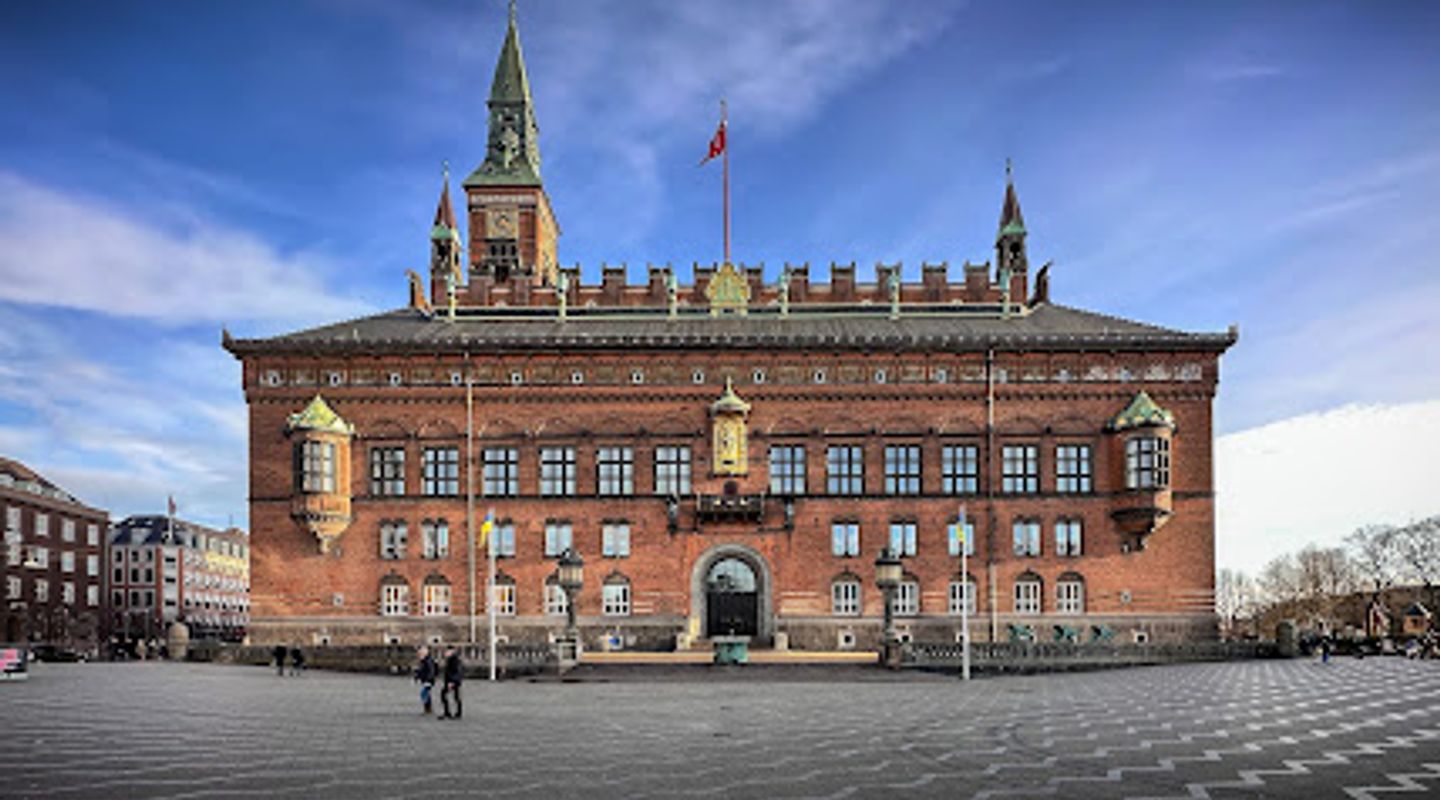
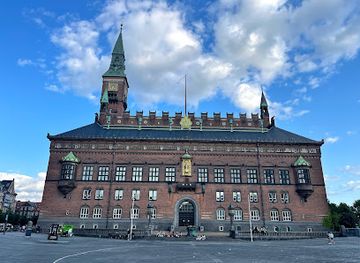
Copenhagen City Hall rises over Rådhuspladsen with its 106‑metre clock tower, red‑brick façade and richly detailed National Romantic architecture. Completed in 1905 and inspired by Italian town halls, it is still the working heart of the city’s democracy, yet welcomes visitors into its grand central hall, tranquil inner garden, ornate chambers and the famed Jens Olsen’s World Clock. Free public access, paid tower and guided tours make it both civic hub and must‑see landmark.
A brief summary to Copenhagen City Hall
- Rådhuspladsen 1, Copenhagen, Indre By, 1553, DK
- Click to display
- Click to display
- Duration: 1 to 3 hours
- Free
-
 Mixed
Mixed
- Mobile reception: 5 out of 5
- Monday 9 am-4 pm
- Tuesday 9 am-4 pm
- Wednesday 9 am-4 pm
- Thursday 9 am-4 pm
- Friday 9 am-4 pm
- Saturday 9:30 am-1 pm

Know before you go
Hi, I'm Eve. Here are a few practical things to know before exploring Copenhagen City Hall.
- Take a guided tour if you can; it is one of the few ways to see more ornate chambers and learn the stories behind the murals, symbols and artisans’ work.
- Climbing the tower involves around 300 steps and no lift; wear comfortable shoes and consider your fitness and mobility before joining a tower-only tour.
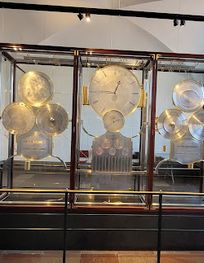
- Don’t rush past Jens Olsen’s World Clock near the entrance; allow at least 15–20 minutes to study its dials and read about the astronomical functions.
- Step into the small inner garden courtyard for a quiet break; it is an excellent spot to rest and photograph the building’s brickwork away from traffic.
- Arrive close to opening time on weekdays for calmer conditions in the main hall; the square and interior grow busier around midday and early afternoon.
Do you manage this location?
Take control to get all the benefits, like improved information, better appearance, and stronger visibility across AI-powered discovery. Learn more about listing your business on Evendo
Activate your presenceOther nearby places you may find interesting
The closest places of the same kind, if this one is not quite what you had in mind.


Explore Copenhagen City Hall on the Map
A handpicked selection of must-see spots near Copenhagen City Hall, mapped for you.
Unlock the Best of Copenhagen City Hall
Buy tickets
-
No tickets available
Book tours with entry


Getting There
-
Train and walk from Copenhagen Central Station
From Copenhagen Central Station, Copenhagen City Hall is roughly a 6–8 minute walk through flat, paved city streets, suitable for most visitors and pushchairs. Trains and regional services connect the station with the wider Zealand region and the airport, typically every few minutes during the day. Travel from the airport by train to the central station usually takes 15–20 minutes, with standard tickets costing around 30–40 DKK in standard class.
-
Metro to Rådhuspladsen Station
Rådhuspladsen metro station on the M3 Cityringen line sits beside the square, making the City Hall very easy to reach from districts such as Nørrebro, Østerbro and Frederiksberg. Metro trains usually run every few minutes from early morning until late evening, with extended hours on weekends. A single zone‑based ticket within the central area generally costs about 20–30 DKK and the ride from most inner‑city stops takes 5–10 minutes.
-
City bus hub at City Hall Square
Numerous city bus lines stop along the northern edge of City Hall Square, providing direct links from neighbourhoods that are not on the metro. Daytime services tend to run every 5–15 minutes, with reduced frequency late in the evening. Standard bus fares use the same zone system as trains and metro, so expect to pay around 20–30 DKK for central journeys. Boarding is at street level, but buses can become crowded during rush hour.
-
Bicycle from inner Copenhagen districts
Cycling to Copenhagen City Hall is straightforward, as dedicated bike lanes feed into the streets around Rådhuspladsen from most central districts. From neighbourhoods such as Vesterbro, Nørrebro or Christianshavn, the ride typically takes 10–20 minutes on mostly flat terrain. Public bike‑share schemes and rental shops in the city centre usually charge from about 50–100 DKK for a few hours’ use, and bike parking racks are available close to the square.
For the on-the-go comforts that matter to you
-
 Restrooms
-
 Drink Options
-
 Drinking Water
-
 Food Options
-
 Seating Areas
-
 Sheltered Areas
-
 Trash Bins
-
 Information Boards
-
 Visitor Center
Discover more about Copenhagen City Hall
Heart of the City on Rådhuspladsen
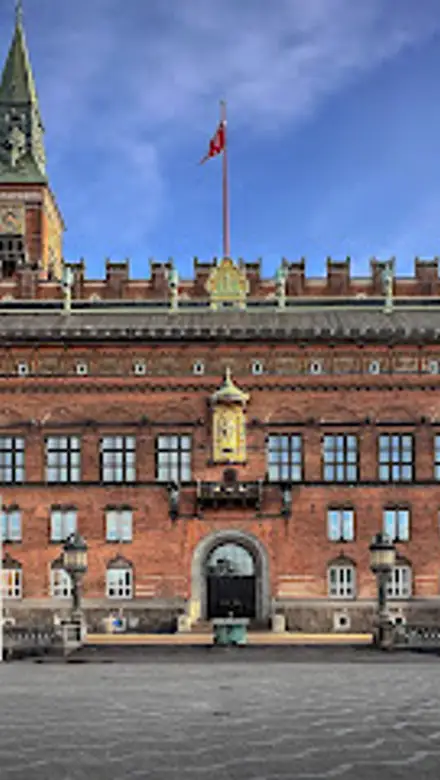
Copenhagen City Hall anchors Rådhuspladsen, the broad square often described as the city’s front yard. The building’s deep red bricks, stepped gables and copper‑clad tower immediately stand out against the urban skyline, facing a plaza dotted with sculptures, fountains and the start of the Strøget pedestrian street. Across the traffic lies Tivoli Gardens, so the town hall naturally becomes a reference point when you first orient yourself in Copenhagen.Step closer and the façade reveals layer upon layer of symbolism: coats of arms, gilded figures and reliefs celebrating trade, craftsmanship and civic pride. The tall tower clock looks out over the square, while at street level the arcaded entrance invites you under carved stone details that reward an unhurried look before you even walk inside.National Romantic Architecture and Craft Detail
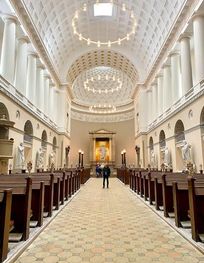
Built between 1890s and 1905 and designed by architect Martin Nyrop, the town hall is considered a classic of the National Romantic style. Nyrop drew inspiration from medieval Italian town halls, but translated the idea into a distinctly Nordic expression with brickwork patterns, tiled roofs and sculpted details drawn from Danish history and mythology. The result feels both monumental and warm, more like a proud guild house than an isolated seat of power.Inside, the central hall stretches like an interior square, wrapped by arcades, stone columns and galleries. Light filters in from high windows and glass roofs, illuminating flag-bedecked walls and decorative friezes. Door handles, railings and lamps were custom‑designed by contemporary artisans, so even small details carry the same ambition as the building’s soaring tower. This is civic architecture meant to impress, but also to feel accessible to the people it serves.Working Town Hall with Public Spaces
Despite its role as an attraction, Copenhagen City Hall remains a living workplace. Offices host city officials, council meetings are held in the council chamber, and the historic Wedding Hall stages civil ceremonies in a richly decorated setting. This everyday use adds a sense of authenticity: you are not walking through a preserved shell, but through the machinery of local democracy.Visitors, however, are genuinely welcomed. Public areas are typically free to enter during opening hours, allowing you to wander the great hall, climb staircases to viewing galleries and slip out into the small inner garden. This courtyard, framed by brick and arcades, is a quiet sanctuary where plants, fountains and benches contrast with the surrounding city bustle.Jens Olsen’s World Clock and Tower Views
One of the city hall’s great treasures is Jens Olsen’s World Clock, an extraordinarily complex astronomical clock housed in its own room near the entrance. Decades in the making, it tracks not just time, but planetary positions and celestial cycles with mechanical precision. A modest admission often applies, but watching the mechanism in motion and reading its dials can easily become a highlight for anyone fascinated by engineering.Guided tours, usually for a small fee, reveal more of the interiors and often include access to the tower on specific departures. The climb involves hundreds of steps and no elevator, but rewards you with sweeping views across rooftops to the harbour, church spires and the green expanses beyond the city centre. On clear days, you can trace key landmarks and better understand Copenhagen’s compact layout from above.Square of Statues, Stories and City Life
Outside, the experience continues on Rådhuspladsen. The Dragon Fountain, showing a dragon locked in battle with a bull, adds a touch of drama, while the statue of Hans Christian Andersen sits looking towards Tivoli Gardens, connecting the civic setting with Denmark’s most beloved storyteller. A stone pillar quietly marks where the old western city gate once stood, hinting at the days when Copenhagen was encircled by walls.Throughout the year, the square hosts demonstrations, concerts, celebrations and seasonal events, from New Year gatherings to cultural festivals. Buses and the metro converge along one side, making this not just a symbolic centre but a very practical one. Whether you come for architecture, history, views or people‑watching, Copenhagen City Hall offers an absorbing introduction to the character and rhythms of the Danish capital.












Your all‑in‑one travel companion app
Explore expert travel guides, compare and book tours, experiences, hotels, and more—all from the palm of your hand. Download now for seamless trip planning wherever your wanderlust takes you.


Explore More of Copenhagen
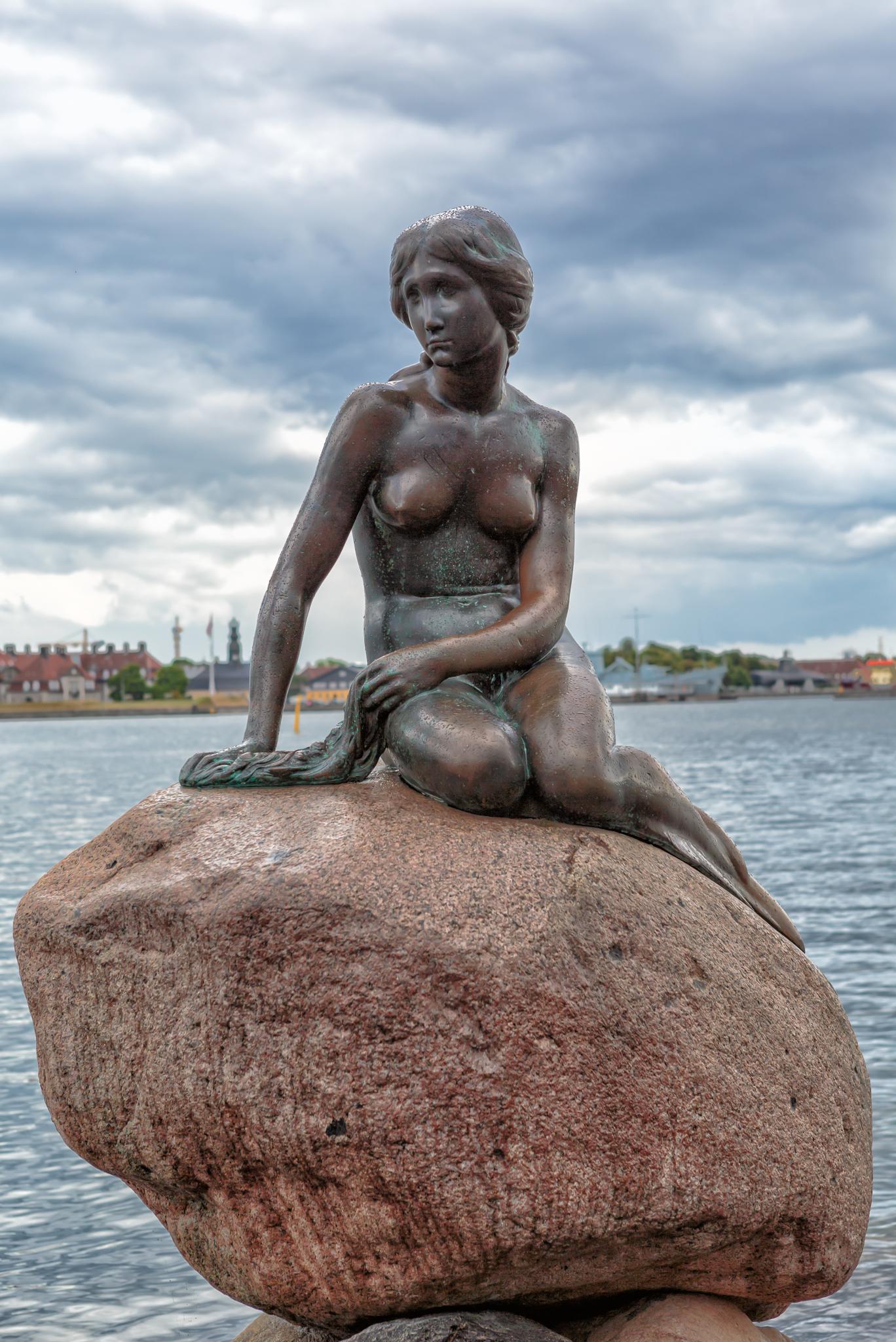
Looking beyond Copenhagen City Hall? Discover Copenhagen for broader travel guides, local hot-spots, and regional highlights.
Explore Copenhagen