

Vadestedet Travel Guide
Free Guide: Riverside cafés, bridges and city lights come together at Vadestedet, the historic ford-turned-hangout that forms the sociable heart of central Aarhus.


A brief summary of Vadestedet
Riverside cafés, bridges and city lights come together at Vadestedet, the historic ford-turned-hangout that forms the sociable heart of central Aarhus.
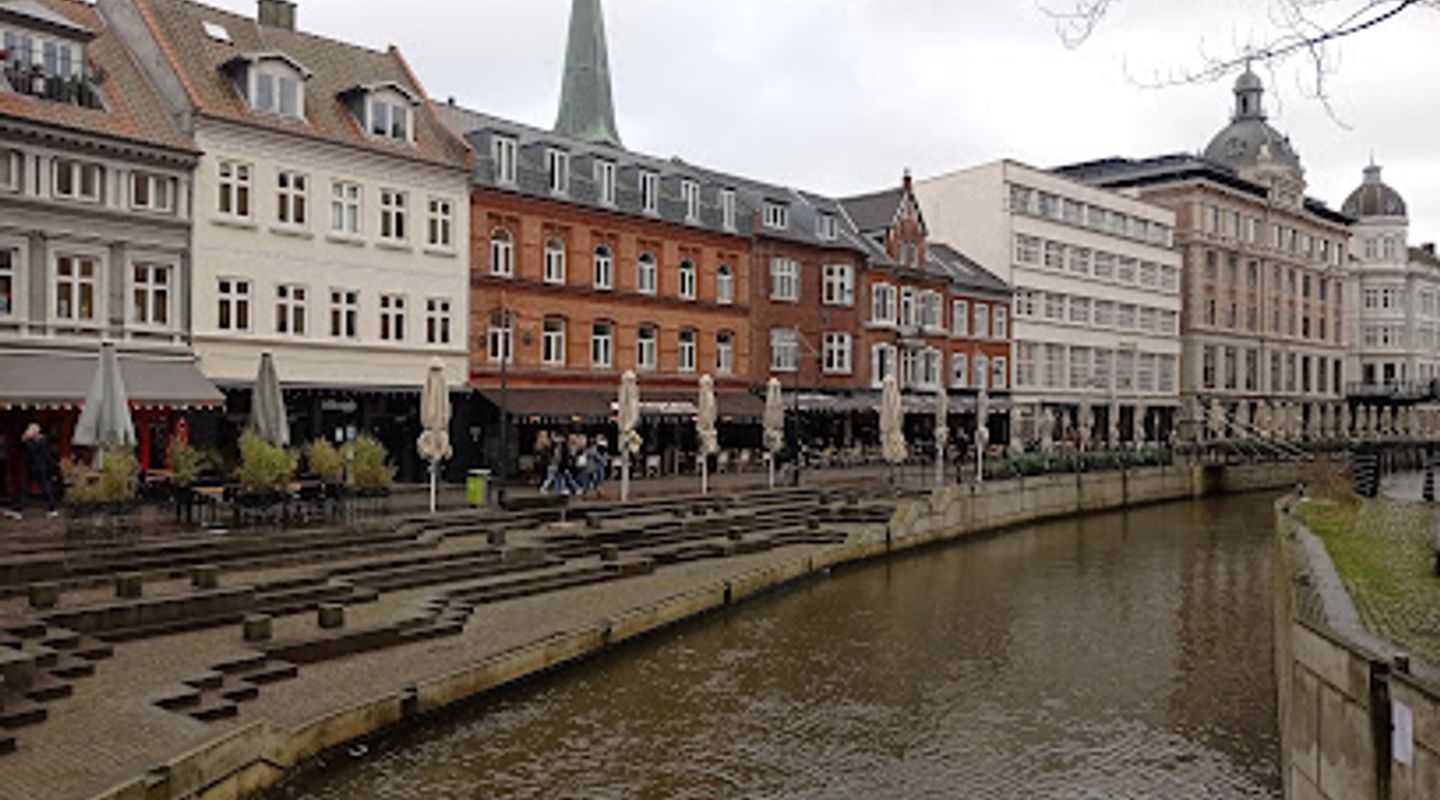
Vadestedet is Aarhus’ sociable riverside strip along Åboulevarden, where the reopened Aarhus River is framed by terraced steps, cosy cafés, and lively bars. By day it is a relaxed place to stroll, sip coffee, and watch city life glide past on the water; after dark it shifts gear into one of the city’s main nightlife hubs. With its deep historical roots as the original ford that helped give Aarhus its name, Vadestedet blends urban vibrancy with a strong sense of place at the very centre of town.
On-site amenities
 Restrooms
 Drink options
 Drinking water
 Food options
 Seating areas
 Sheltered areas
 Trash bins
 Information boards
- Address
- Åboulevarden 66, 8000 Aarhus
- Website
Getting there
On foot from Aarhus H (central station)
City bus within Aarhus
Light rail (Aarhus Letbane) to central area
Car or taxi within the city
Discover more about Vadestedet
Where Aarhus Gathers by the Water
Vadestedet stretches along the Aarhus River on Åboulevarden and nearby streets, forming one of the city’s most atmospheric urban spaces. Here low steps descend towards the water, lined with tightly packed café terraces, bars, and restaurants. The river moves slowly between brick and glass façades, while bridges frame classic postcard views of central Aarhus.By day, the mood is leisurely. Locals linger over coffee, brunch, or a simple pastry, laptops open or newspapers folded on café tables. Office workers cut through on foot, cyclists rattle across the nearby bridges, and the steady murmur of conversation floats above the sound of water. Even on cooler days, blankets and outdoor heaters keep the terraces in use, giving the banks a pleasantly continental feel.
From Ancient Ford to Modern Meeting Place
Long before it became an urban hangout, this stretch of river was a practical crossing point. The name “Vadestedet” refers to a ford where the river could be waded at a narrow, firm-banked section. Nearby street names still echo this story, and the ford played a central role in the early development of the settlement that became Aarhus.In the 20th century much of the river through the centre was covered and turned into a broad traffic route. Late in the century and into the 1990s, the city reversed that decision, uncovering the waterway and reshaping the banks into inviting promenades, steps, and terraces. Vadestedet became the clearest expression of this transformation – a reclaimed riverfront that turned a once-buried stream into the social heart of the city.
Cafés, Cuisine, and Riverside Lingerings
Food and drink are the lifeblood of Vadestedet. Terraces run almost continuously along both sides of the river, offering everything from quick coffee and cake to cocktails, beer, and full restaurant menus. Many places blend local Scandinavian influences with international flavours, reflecting Aarhus’ role as a student city and cultural hub.You can tailor your experience to the time of day. Mornings lend themselves to a quiet espresso and people-watching from the steps. Afternoons suit long lunches in the sun, with reflections playing on the water and a steady flow of pedestrians on the opposite bank. Even in winter, candlelight and indoor seating keep the riverside atmosphere alive, with large windows framing the illuminated bridges and façades.
Nightlife on the Riverbanks
As daylight fades, Vadestedet shifts into one of Aarhus’ liveliest nightlife zones. Bars and clubs open their doors, music spills softly across the water, and the canal-side terraces become a chain of social spaces. Some venues lean towards relaxed lounges, others towards dance floors and late-night energy, but they all share the backdrop of the river and the city lights reflected in it.The area stays busy well into the night, especially on weekends and mild evenings. The compact layout makes it easy to move between venues, or simply sit on the riverside steps with friends and enjoy the ambience. Despite the buzz, the water and bridges keep a clear sense of place – you are always within sight of the river that shaped Aarhus.
City Views, Seasons, and Subtle Details
Part of Vadestedet’s appeal is visual. From the nearby bridges you get some of the city’s most photographed views: the river curving gently between buildings, café awnings and umbrellas dotting the banks, and church spires and rooftops rising beyond. In autumn, trees along the river add warm colour; in December, festive lights turn the water into a shimmering ribbon through the centre.Look more closely and smaller details emerge: historic façades tucked between modern glass, old stonework on the bridges, and the quiet play of reflections where the river bends. Whether you stay for ten minutes or an entire evening, Vadestedet offers a compact slice of Aarhus life – relaxed, sociable, and closely tied to the water that runs through the city’s story.
Evendo Review Centre
 Google
Guest reviews
Best time to go
Quietest: Jan, Feb & Mar · at 4am or at 5am or at 6am
Busy times are Evendo estimates for a typical year, to help you plan. Actual crowds vary with events, school holidays and the weather.
Explore Vadestedet on the map
A handpicked selection of must-see spots near Vadestedet, mapped for you.
Get your free copy of our complete guide to Vadestedet, delivered straight to you.
Everything on this page, from opening hours and how to get there to Eve’s tips and the best time to go, in one PDF you can read offline, print or share.
Already have an account? Sign in
Your Vadestedet guide is ready.
We'll send it to · Not you? Sign out

Getting your guide ready…
We are putting together a fresh copy of the Vadestedet guide. This can take up to a minute.
This can take a few moments. If your browser asks, choose Allow so the download can start. You'll find the guide in your Downloads folder.
Nothing happened? Download it again
Sorry, the guide is taking longer than usual. Please try again in a minute, or get it by email instead.
Unlock the best of Vadestedet
Skip-the-line tickets, guided tours with entry, and walking tours of the area, booked in a few clicks.

Other nearby places you may find interesting
The closest places of the same kind, if this one is not quite what you had in mind.
-
-
-
-
-


Swipe for more places
More to explore near Vadestedet

 Best experiences near Vadestedet
 Best hotels near Vadestedet
 Best landmarks near Vadestedet
 Best attractions near Vadestedet
 Best shops near Vadestedet
 Best restaurants near Vadestedet
 Best bars near Vadestedet
Do you manage this location?
Take control to get all the benefits, like improved information, better appearance, and stronger visibility across AI-powered discovery.
Explore more

Explore more of East Jutland
Discover East Jutland, Denmark's enchanting region blending vibrant cities, rich history, and stunning natural landscapes, perfect for every type of traveler.
Explore East Jutland
Explore more of Denmark
Discover Denmark: A perfect blend of history, modern design, and the cozy concept of hygge. Explore vibrant cities, serene landscapes, and world-class cuisine.
Explore Denmark
