

Seal Bank Walk Meeting Point Travel Guide
Free Guide: A windswept beach meeting point at Sønderho, where guided low-tide walks lead across the Wadden Sea seabed to Galgerevet’s thriving seal bank.


A brief summary of Seal Bank Walk Meeting Point
A windswept beach meeting point at Sønderho, where guided low-tide walks lead across the Wadden Sea seabed to Galgerevet’s thriving seal bank.
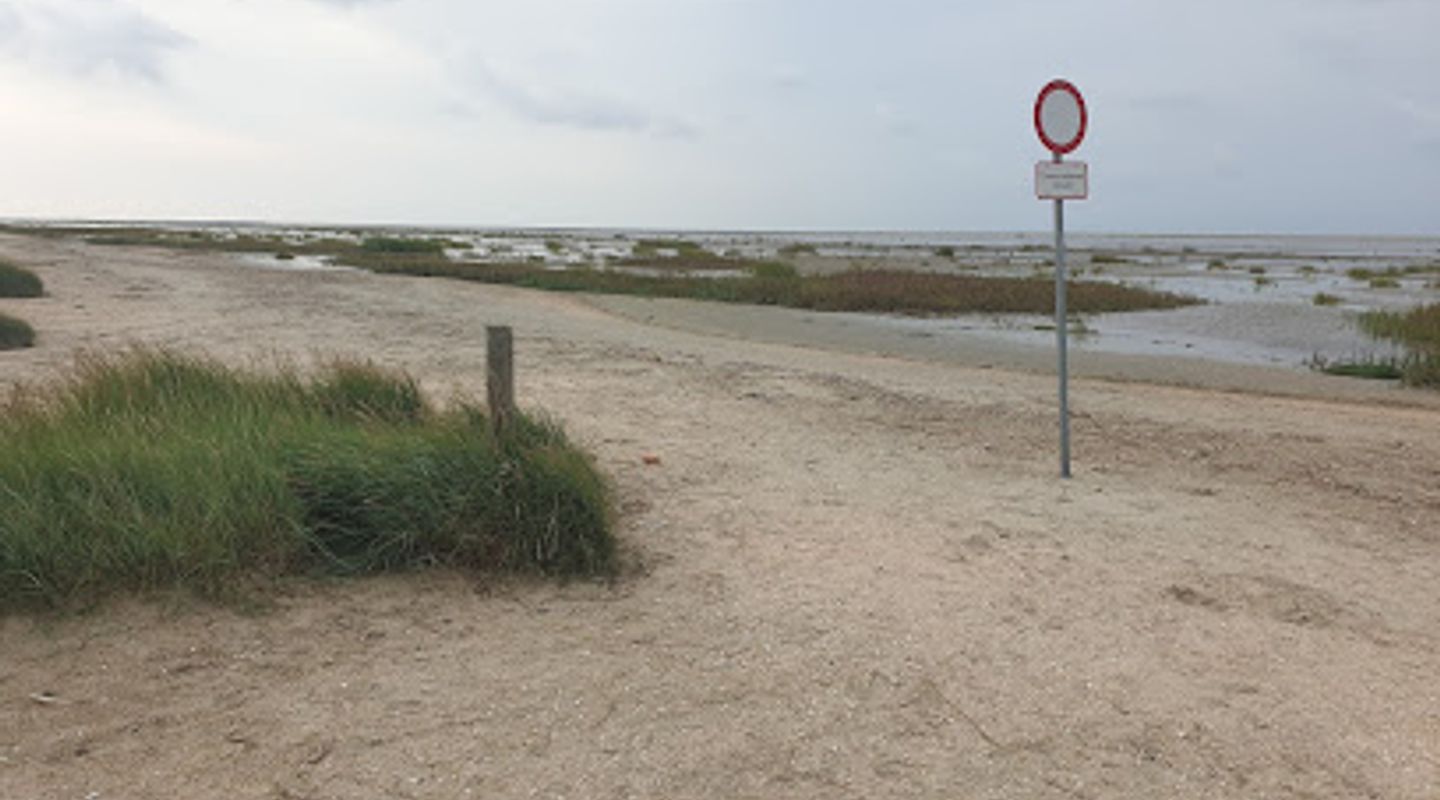
Set at the windswept end of Sønderho Strandvej on Fanø, the Seal Bank Walk Meeting Point is the sandy gateway to one of Denmark’s most memorable wildlife encounters. From this wide, open beach you head out at low tide across the exposed seabed towards Galgerevet, a distant sandbank where harbour and grey seals haul out to rest. It is an atmospheric spot of big skies, shifting light and tidal flats, and the start of guided safaris into the heart of the Wadden Sea National Park.
On-site amenities
 Trash bins
 Information boards
- Address
- Sønderho Strandvej 74, 6720 Fanø
Getting there
Public transport from Esbjerg
Car and ferry combination
Cycling across Fanø
Guided tour arrangements
Discover more about Seal Bank Walk Meeting Point
Where Fanø’s dunes meet the Wadden Sea
At the end of Sønderho Strandvej, the road simply runs out into sand, sky and the endless shallows of the Wadden Sea. This is the Seal Bank Walk Meeting Point, an informal gathering place marked less by buildings than by the crescent of dunes, the whisper of marram grass and the broad arc of beach opening southwest. You stand on the edge of a UNESCO-listed tidal landscape, where land and sea trade places twice a day.Around you, the southern tip of Fanø feels surprisingly remote. Low dunes soften the wind, while behind them lie heaths and meadows that once formed part of the island’s Atlantic Wall defences. Ahead, at low tide, a pale strip of distant sand hints at Galgerevet, the seal bank that has drawn walkers here for generations.
Gateway to Galgerevet’s seal colony
From this meeting point, guided seal walks set off across the dry seabed towards Galgerevet and the tidal channel of Galgedyb, home to one of Fanø’s largest seal congregations. At low tide, you can walk around 1.5 to 1.7 km out to the bank over firm sand and shallow puddles, following your guide’s route through the rippled mudflats. The walk itself is part of the experience: each step reveals worm tracks, tiny crabs and shell fragments that tell of the Wadden Sea’s rich productivity.Out near the bank, the landscape opens even wider. Between you and the seals, a tidal channel acts as a natural barrier, allowing you to watch the animals without disturbing them. Harbour seals lie scattered like pale stones along the sand, while bulkier grey seals occasionally raise their heads to inspect the visitors at a respectful distance.
Life of the seals on the shifting sands
The sandbanks off Sønderho are vital resting and breeding sites for seals that spend much of their lives hunting in the cold North Sea. In early summer, females haul out to give birth, nursing their pups on the dry banks before returning to the water to feed. Throughout the year, the banks serve as quiet haul-out sites where the animals can warm themselves in the sun, digest meals rich in fish and shellfish, and shed their coats during the annual moult.Guides here place strong emphasis on keeping a safe distance, letting the seals remain relaxed on the sand or curious in the water. You learn simple viewing rules that protect the animals: giving them space, staying clear of the water’s edge, and leaving any resting or stranded individuals undisturbed. This gentle approach turns a wildlife sighting into a lesson in coexistence.
Walking the tidal landscape under big skies
Even before you reach the seal bank, the tidal plain itself makes the outing memorable. The seabed is usually firm underfoot, but shallow channels and soft patches require attention and suitable footwear, especially in the colder months. On calm days, the mirror-like pools reflect clouds and passing flocks of waders; in windier weather, sand grains skitter across the flats and the sound of the surf carries from farther out.The view back towards Fanø shifts as the tide retreats and returns. The village of Sønderho sits low on the horizon, its church tower just visible beyond the dunes, while to the south and west the sandbanks and channels draw intricate patterns that change with every tide. It is a place where time feels pinned to the rhythm of the water rather than the clock.
Part of a living national park seascape
The Seal Bank Walk Meeting Point lies within the Wadden Sea National Park, one of Europe’s most important tidal ecosystems. Here, immense mudflats feed millions of migratory birds and sustain fish stocks that in turn support seals and porpoises. Standing on the sand, you are part of a constantly moving environment shaped by wind, currents and sediment.For many visitors, starting a walk here becomes an introduction to Fanø’s wider coastal world: from nearby dunes and viewpoints such as Mosedalsbjerg to the long beaches stretching north. Yet this simple meeting point remains special for its focus on a single, powerful experience—stepping out onto the seabed to share, for a short time, the realm of Denmark’s largest wild predators.
Evendo Review Centre
 Google
Guest reviews
Best time to go
Quietest: Jan, Feb & Dec · before 6am or from 9pm
Busy times are Evendo estimates for a typical year, to help you plan. Actual crowds vary with events, school holidays and the weather.
Explore Seal Bank Walk Meeting Point on the map
A handpicked selection of must-see spots near Seal Bank Walk Meeting Point, mapped for you.
Get your free copy of our complete guide to Seal Bank Walk Meeting Point, delivered straight to you.
Everything on this page, from opening hours and how to get there to Eve’s tips and the best time to go, in one PDF you can read offline, print or share.
Already have an account? Sign in
Your Seal Bank Walk Meeting Point guide is ready.
We'll send it to · Not you? Sign out

Getting your guide ready…
We are putting together a fresh copy of the Seal Bank Walk Meeting Point guide. This can take up to a minute.
This can take a few moments. If your browser asks, choose Allow so the download can start. You'll find the guide in your Downloads folder.
Nothing happened? Download it again
Sorry, the guide is taking longer than usual. Please try again in a minute, or get it by email instead.
Other nearby places you may find interesting
The closest places of the same kind, if this one is not quite what you had in mind.
-
-
-

-
-


Swipe for more places
More to explore near Seal Bank Walk Meeting Point
-
 Best experiences near Seal Bank Walk Meeting Point
-
 Best hotels near Seal Bank Walk Meeting Point
-
 Best landmarks near Seal Bank Walk Meeting Point
-
 Best attractions near Seal Bank Walk Meeting Point
-
 Best shops near Seal Bank Walk Meeting Point
-
 Best restaurants near Seal Bank Walk Meeting Point
-
 Best bars near Seal Bank Walk Meeting Point


Do you manage this location?
Take control to get all the benefits, like improved information, better appearance, and stronger visibility across AI-powered discovery.
Explore more

Explore more of Fanø
Discover Fanø, Denmark's hidden coastal gem, offering stunning beaches, charming villages, and rich wildlife, perfect for a tranquil getaway and nature adventures.
Explore Fanø
Explore more of Denmark
Discover Denmark: A perfect blend of history, modern design, and the cozy concept of hygge. Explore vibrant cities, serene landscapes, and world-class cuisine.
Explore Denmark
