
Sortehusene at Stige Ø
A quirky ribbon of tar-black cabins along Odense Fjord, where improvised huts, quiet shore paths and a reclaimed island landscape tell a humble story of life by the water.
Tar-Black Cabins on the Edge of Odense
Sortehusene sits where city and fjord meet, a line of low, blackened cabins facing the water on the southern shore of Stige Ø. Step onto the grassy track between huts and shore and you feel far further from central Odense than the short distance suggests. Modest wooden structures lean into the breeze, tarred walls weathered by salt air, with makeshift fences, flagpoles and tiny jetties hinting at a long, improvised relationship with the fjord. The cabins are tightly packed yet individually shaped, some almost shed-like, others with porches or small extensions, all bearing the patina of decades of hands-on repairs. Their dark silhouettes contrast beautifully with the wide, pale sky and the silvery surface of Odense Fjord, especially on clear days when the light stretches across the water.From Frugal Settlement to Fjordside Refuge
The first houses here were built in the early 1900s by working families from Odense who wanted a cheap escape by the water. Using timber offcuts, tar paper and whatever materials they could salvage, they raised simple cabins outside the formal planning system, creating an informal settlement on the edge of town. For many, this was not just a holiday spot but a primary home with very basic living conditions, without piped water, toilets or electricity for decades. Despite this, the cabins gained semi-official status when the municipality charged a symbolic annual rent of just a few kroner per house. Residents supplemented shipyard wages with fishing and by dredging mussel shells from the fjord, a valuable source of lime and animal feed at the time. When authorities later tightened housing standards, permanent residence here was phased out, and some cabins disappeared, but a core of about 30 survived as cherished leisure cottages.Life by the Fjord in Miniature
Walking the narrow lanes you sense how intensely people once lived with the water. Many cabins still have small boats pulled up on the shore, simple sheds for nets and tools, or racks where fish might once have been dried. The line between land and sea feels fluid: reed beds rustle just a few metres from garden fences, and at high water the fjord seems to lap at the margins of the plots. It is a place of small details. Look for weathered nameplates, hand-painted signs, improvised gutters and patched roofs. In summer, simple gardens burst with hollyhocks, roses and pots of herbs crammed onto tiny terraces. Even when no one is around, everyday objects left outside – a pair of boots, a bucket, a coiled rope – give the settlement a lived-in, personal character.Stige Ø’s Reclaimed Landscape and Wildlife
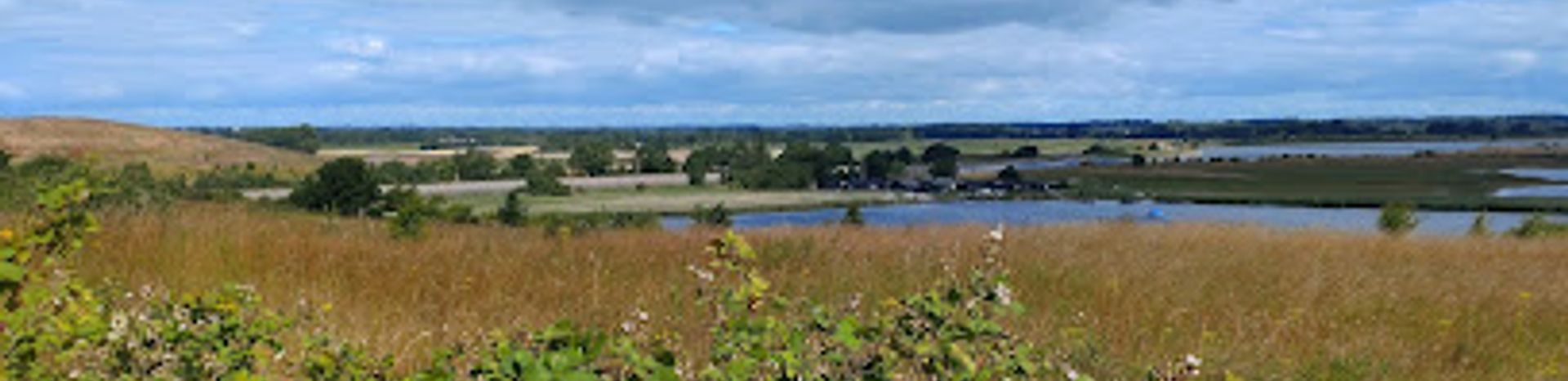
Beyond the cabins the landscape opens into Stige Ø, a low island shaped from former landfill and dredged materials that has been transformed into green space with hills, paths and panoramic viewpoints over Odense Fjord. From the low knolls behind Sortehusene you can look back over the black huts, then out across water, meadows and the wider arch of the fjord. The shore and nearby grasslands attract wading birds, ducks and gulls, particularly in migration seasons. Salt-tolerant plants and wildflowers thrive along the strand, and in summer the area hums with insects. The contrast between the rugged, man-made island and the soft, natural shoreline gives each walk here a slightly different texture depending on season and tide.A Quiet, Quirky Corner for Unhurried Wandering
For visitors, the appeal of Sortehusene is not in formal attractions but in atmosphere. There are no museums or interpretive centres inside the settlement itself, only a quiet grid of paths where you move at the pace of the wind and the water. The scale is intimate: you can stroll the whole area in under an hour, yet the place invites lingering, watching light change on the fjord or simply absorbing the feel of this small community of cabins. The huts remain private, so the experience is about observing respectfully from paths and shoreline rather than entering plots. Combined with a longer walk or bike ride on Stige Ø and the neighbouring viewpoints, Sortehusene forms a gentle, contemplative stop – a reminder of how people once crafted simple lives with the fjord at their doorstep.Practical Notes for Today’s Visitors
The settlement functions as a seasonal retreat area, so it can feel very quiet outside summer weekends. Facilities are minimal; most services lie back towards urban Odense. Simple paths and gravel tracks run through and around the cabins, generally easy to walk or cycle, though they can be muddy after rain. Weather strongly shapes the mood: bright days bring wide views and sparkling water, while low cloud can make the black huts appear almost theatrical against the grey. Treat the area as a lived-in neighbourhood and a fragile shoreline: keep to obvious routes, avoid disturbing private gardens, and leave the strand as you found it. With that gentle approach, Sortehusene offers a distinctive glimpse of Odense’s social history wrapped in the quiet charm of the fjord.Local tips
- Plan extra time to combine a stroll through Sortehusene with a longer walk or cycle around Stige Ø’s hills and viewpoints for broader fjord panoramas.
- Remember this is a private cabin area: stay on paths, avoid photographing people in their gardens, and keep noise low, especially in the evenings.
- Wear sturdy shoes; paths can be uneven or muddy after rain, and you may want to step off the main track to explore the shoreline and nearby grasslands.
- Bring water and snacks from town, as there are no shops within the cabin cluster and only limited services elsewhere on Stige Ø.

A brief summary to Sortehusene
- Østre Kanalvej 1, Odense Municipality, Odense C, 5000, DK
- Visit website
Getting There
-
Bicycle from central Odense
From central Odense, cycling to Sortehusene via the paths towards Odense Harbour and then north along the fjordfront typically takes 20–30 minutes, depending on pace. The route is mostly flat and follows a mix of cycle lanes and shared paths, suitable for most riders. City bike rentals usually cost around 80–150 DKK per day. Be prepared for wind along the fjord and use lights in low-light conditions.
-
Local bus plus short walk
City buses running towards the harbour and northern Odense areas can bring you to stops within roughly 1–1.5 km of Stige Ø, from where you walk on paved and gravel paths for about 15–25 minutes to reach the cabin area. Total journey time from the city centre is typically 30–45 minutes, depending on connections. A single bus ticket within Odense usually costs about 20–30 DKK. Services run more frequently on weekdays than late evenings or Sundays.
-
Car or taxi from Odense centre
By car or taxi from central Odense, reaching the Stige Ø area near Sortehusene generally takes 10–20 minutes in normal traffic. Expect basic parking near the recreational areas of Stige Ø rather than directly among the cabins, after which a short walk on level ground leads you to the huts. Taxi fares are commonly in the range of 120–220 DKK one way, depending on time of day and traffic. In busy periods, arrive early to secure a legal parking space.


