

Odense Cathedral - St. Canute's Church Travel Guide
Free Guide: A luminous Brick Gothic cathedral in the heart of Odense, where Viking kings, saintly relics and fairy-tale echoes share a serene, whitewashed nave and atmospheric crypt.


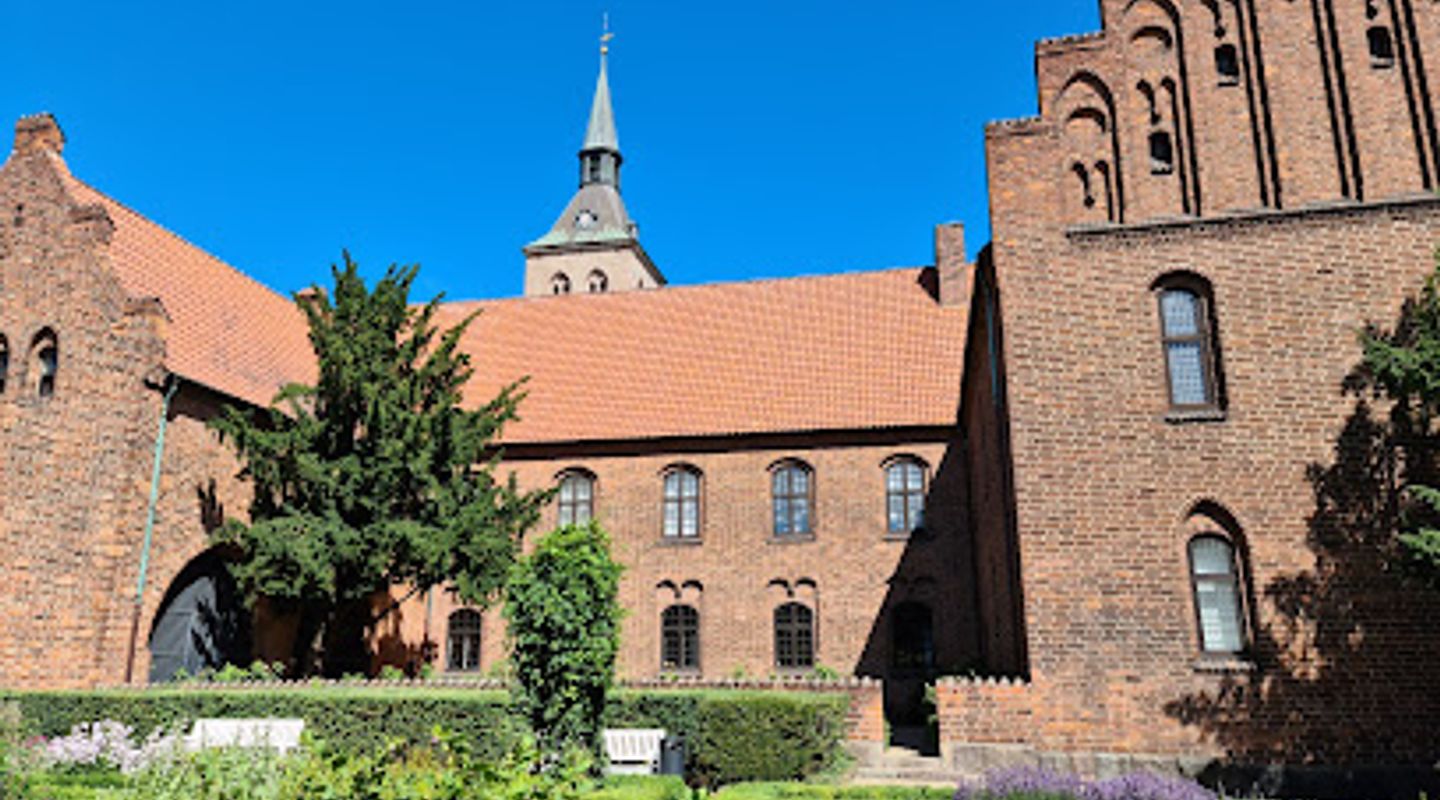
A brief summary of Odense Cathedral - St. Canute's Church
A luminous Brick Gothic cathedral in the heart of Odense, where Viking kings, saintly relics and fairy-tale echoes share a serene, whitewashed nave and atmospheric crypt.
Rising above Odense’s old town, Odense Cathedral – St. Canute’s Church – is a luminous Brick Gothic landmark with more than 900 years of royal and religious history. Inside its soaring white nave you’ll find the ornate 16th‑century altarpiece by Claus Berg, royal tombs, and a remarkable crypt where the relics of King Canute the Holy and his brother Benedikt rest, making this one of Denmark’s most atmospheric and historically important churches.
On-site amenities
 Restrooms
 Seating areas
 Sheltered areas
 Trash bins
 Information boards
Opening hours
- Mon12 pm–4 pm
- Tue10 am–4 pm
- Wed10 am–4 pm
- Thu10 am–4 pm
- Fri10 am–4 pm
- Sat10 am–4 pm
- Sun12 pm–4 pm
Opening hours as listed on the venue’s Google Business Profile. Hours can change for services and special events, so check with the venue before you go.
- Address
- Klingenberg 19, 5000 Odense
- Phone
- Website
Getting there
On foot from central Odense
City bus within Odense
Light rail and walking from Odense Station
Taxi from outskirts of Odense
Discover more about Odense Cathedral - St. Canute's Church
Gothic brick and a skyline-defining tower
Odense Cathedral, also known as St. Canute’s Church or Skt. Knuds Kirke, dominates the historic center with its tall west tower and clean red-brick silhouette. Built mainly in the 14th and 15th centuries in the Brick Gothic style, it reflects the medieval wealth and status of Odense, then an important religious hub and market town. From outside, the long nave, slender buttresses and simple pointed windows give the building a restrained elegance that stands out against the low-rise streets and town square.Step through the doors and the exterior austerity gives way to a high, bright nave washed in white. Pointed arches, ribbed vaults and tall windows draw your eye upward, creating a sense of vertical lift typical of northern Gothic churches but here executed with an almost Scandinavian simplicity. The absence of heavy decoration means that details such as carved capitals, chandeliers and side chapels stand out sharply against the pale walls.
Saintly relics and the drama beneath the floor
Beneath this airy interior lies one of the cathedral’s most intriguing spaces: the crypt. Here, in two wooden reliquaries, rest the skeletal remains of King Canute IV – Canute the Holy, Denmark’s last Viking king – and his brother Benedikt, killed in 1086 after a peasant uprising. Their martyrdom near this site led to Canute’s canonisation and turned Odense into a major pilgrimage destination in the Middle Ages.The crypt is unusually self-contained for a Gothic church, preserving fragments of an earlier travertine stone church that predated the current brick structure. Subdued lighting, low ceilings and worn tombstones underfoot give the space a very different mood from the nave above. Interpretive displays and the visible bones within the reliquaries connect the legends to physical evidence, including signs of violent injuries consistent with medieval accounts of the king’s death.
Altarpiece, organ and royal resting places
Back in the main church, the visual focus is the magnificent late Gothic altarpiece attributed to the sculptor Claus Berg. Carved in the early 1500s and later installed here, it is a riot of gilded figures and intricate narrative scenes set against the otherwise restrained interior. The craftsmanship rewards close viewing; tiny details in faces, drapery and foliage reveal the ambitions of late medieval religious art in Denmark.The cathedral is also a royal burial church. Besides King Canute’s relics in the crypt, later monarchs such as King Hans and Christian II are interred here, underscoring Odense’s former status as a political as well as spiritual center. Overhead, an imposing pipe organ, whose origins date back to the 18th century, fills the space with sound during services and concerts, its historic façade blending seamlessly with later technical updates.
Layers of monastic life and Reformation change
Archaeological work around the church has revealed foundations of a Benedictine monastery once attached to St. Canute’s. The surviving extensions now house offices and meeting rooms but hint at a time when the site functioned as a self-contained religious complex, with cloistered life unfolding alongside the public liturgy. These monastic roots help explain the cathedral’s role as a center of learning and administration across centuries.With the Danish Reformation in the 16th century, Odense Cathedral shifted from Roman Catholic to Lutheran worship. To protect them from possible destruction, the reliquaries of Canute and Benedikt were walled up and effectively lost to memory until their rediscovery during 19th‑century restoration works. That long arc—from medieval cult center to reformed parish church and modern heritage site—adds a subtle tension to the building’s atmosphere, where Catholic relics and Lutheran hymn boards now share the same sacred space.
A quiet oasis in a fairy-tale city
Today the cathedral stands a short stroll from sites linked with Hans Christian Andersen, who was baptised here, tying the church into Denmark’s literary as well as royal narrative. Behind the building, a small garden and nearby green corners offer pockets of calm, blending soft lawns and trees with views of the tower and surrounding rooftops.Despite its central location, the interior often feels contemplative, with visitors exploring the nave, pausing at side chapels or descending to the crypt in hushed voices. Whether you come for architecture, royal history, sacred relics or a moment of silence in the middle of the city, Odense Cathedral provides a richly layered encounter with more than nine centuries of Danish faith and power.
Evendo Review Centre
 Google
Guest reviews
Best time to go
Quietest: Jan, Feb & Mar · before 7am or at 8pm or at 9pm
Busy times are Evendo estimates for a typical year, to help you plan. Actual crowds vary with events, school holidays and the weather.
Explore Odense Cathedral - St. Canute's Church on the map
A handpicked selection of must-see spots near Odense Cathedral - St. Canute's Church, mapped for you.
Get your free copy of our complete guide to Odense Cathedral - St. Canute's Church, delivered straight to you.
Everything on this page, from opening hours and how to get there to Eve’s tips and the best time to go, in one PDF you can read offline, print or share.
Already have an account? Sign in
Your Odense Cathedral - St. Canute's Church guide is ready.
We'll send it to · Not you? Sign out

Getting your guide ready…
We are putting together a fresh copy of the Odense Cathedral - St. Canute's Church guide. This can take up to a minute.
This can take a few moments. If your browser asks, choose Allow so the download can start. You'll find the guide in your Downloads folder.
Nothing happened? Download it again
Sorry, the guide is taking longer than usual. Please try again in a minute, or get it by email instead.
Unlock the best of Odense Cathedral - St. Canute's Church
Skip-the-line tickets, guided tours with entry, and walking tours of the area, booked in a few clicks.


Other nearby places you may find interesting
The closest places of the same kind, if this one is not quite what you had in mind.
-
-
-
-
-


Swipe for more places
More to explore near Odense Cathedral - St. Canute's Church
-
 Best experiences near Odense Cathedral - St. Canute's Church
-
 Best hotels near Odense Cathedral - St. Canute's Church
-
 Best landmarks near Odense Cathedral - St. Canute's Church
-
 Best attractions near Odense Cathedral - St. Canute's Church
-
 Best shops near Odense Cathedral - St. Canute's Church
-
 Best restaurants near Odense Cathedral - St. Canute's Church
-
 Best bars near Odense Cathedral - St. Canute's Church


Do you manage this location?
Take control to get all the benefits, like improved information, better appearance, and stronger visibility across AI-powered discovery.
Explore more
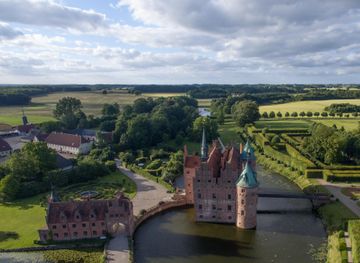
Explore more of Funen
Discover Funen, Denmark's lush island treasure, where fairy tales come to life amidst scenic landscapes, historic castles, and vibrant cultural heritage.
Explore Funen
Explore more of Denmark
Discover Denmark: A perfect blend of history, modern design, and the cozy concept of hygge. Explore vibrant cities, serene landscapes, and world-class cuisine.
Explore Denmark
