

Guldborgsund Zoo & Botanisk Have Travel Guide
Free Guide: Formerly a compact zoo and botanical garden in Nykøbing Falster, Guldborgsund Zoo & Botanisk Have blended animals, greenery and play in one relaxed urban green pocket.


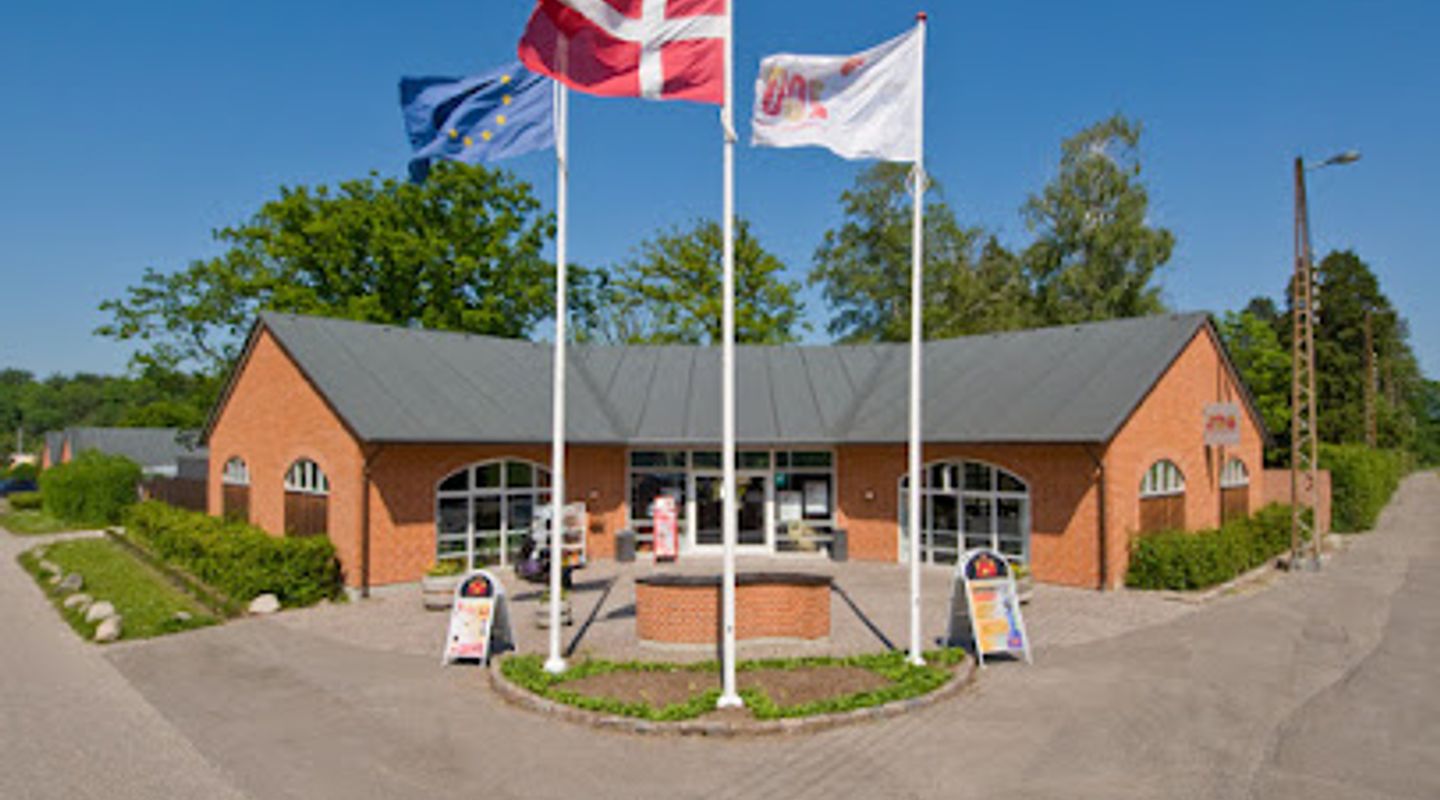
A brief summary of Guldborgsund Zoo & Botanisk Have
Formerly a compact zoo and botanical garden in Nykøbing Falster, Guldborgsund Zoo & Botanisk Have blended animals, greenery and play in one relaxed urban green pocket.
Once a lively blend of zoo and botanical garden in Nykøbing Falster, Guldborgsund Zoo & Botanisk Have brought together exotic animals, themed plantings and generous play areas in a compact, family-friendly park. Although it is now permanently closed to visitors, the site remains a recognizable green pocket in the town’s eastern quarter, remembered for its close-up animal encounters, picnic lawns and relaxed atmosphere a short hop from the center of Nykøbing Falster.
On-site amenities
 Restrooms
 Drink options
 Drinking water
 Food options
 Seating areas
 Picnic areas
 Trash bins
 Information boards
 Visitor centre
Opening hours
- Every day9 am–5 pm
Opening hours as listed on the venue’s Google Business Profile. Hours can change for services and special events, so check with the venue before you go.
- Address
- Østre Alle 97, 4800 Nykøbing Falster
- Phone
- Website
Getting there
Regional train and walking
Car from the Zealand region
Local bus within Nykøbing Falster
Discover more about Guldborgsund Zoo & Botanisk Have
A beloved green corner of Nykøbing Falster
Guldborgsund Zoo & Botanisk Have occupied a sheltered pocket along Østre Alle in Nykøbing Falster, where tree-lined paths, lawns and flower beds framed a compact but varied collection of animals. Designed as a town park as much as a zoo, it felt intimate and walkable, with winding routes that encouraged you to explore at an easy pace rather than rush from exhibit to exhibit.The site combined traditional enclosures with softer landscape features: ponds that mirrored the sky, mature trees providing shade in summer, and seasonal planting that brought colour to spring and late summer days. Even though the grounds were carefully organised, the overall impression was of a green refuge tucked into the urban fabric, where birdsong and the sounds of animals softened the sense of being in town.
Animals, themes and gentle encounters
The zoo element focused on a mix of familiar domestic breeds and more exotic species. Hoofed animals and smaller mammals occupied grassy paddocks, while aviaries housed colourful birds whose calls carried across the paths. Reptiles and smaller creatures were often displayed in more controlled habitats, giving a taste of varied ecosystems within a relatively small area.Rather than monumental exhibits, Guldborgsund Zoo leaned into close-range viewing: low fences, glass panels at child height, and platforms that allowed you to look across enclosures from different angles. Feeding times and informal talks added rhythm to the day, connecting everyday animal behaviour with simple explanations of habitats, diet and conservation themes in a family-friendly way.
Botanical pockets and seasonal colour
Alongside the animals, the botanical side of the park offered curated plant beds and small themed areas that highlighted both local and more unusual species. Shrub borders, perennial beds and specimen trees were arranged to give contrasting textures and colours, from fresh spring blossoms to autumn foliage.Labels and small information signs introduced plant names and origins, helping to frame the garden not just as decoration but as a quiet educational thread running through the zoo. The mix of open lawns and denser plantings meant that you could move from sunny, open spaces to more secluded, leafy corners in just a few steps, making the garden element an integral part of the overall experience.
Play, picnics and unhurried time
Playgrounds and informal play spaces were woven into the grounds, turning the zoo into a full-day outing for families with younger children. Climbing frames, swings and sand areas offered breaks between animal areas, while broad lawns and scattered benches encouraged lingering rather than ticking off a checklist of species.Picnic spots, often shaded by trees or near flower beds, invited visitors to bring their own food and treat the zoo as a park as much as an attraction. The soundscape blended laughter from the playgrounds, rustling leaves and the occasional call from an enclosure, reinforcing the feeling of being outdoors in a safe, contained environment.
A site in transition
Today, Guldborgsund Zoo & Botanisk Have is permanently closed, and its future role within the town’s green network is in transition. What remains is its footprint in local memory: a small-scale zoo and garden that showed how animal care, horticulture and recreation could coexist in a single urban space.For anyone tracing the character of Nykøbing Falster, the former zoo still marks an important point on the map, a reminder of how this corner of town once gathered families, school groups and nature-curious visitors behind its gates. Even as enclosures stand silent, the legacy of leaves, lawns and learning continues to shape how people think about this part of Østre Alle.
Evendo Review Centre
 Google
Guest reviews
Best time to go
Quietest: Jan, Feb & Mar · before 7am or from 6pm
Busy times are Evendo estimates for a typical year, to help you plan. Actual crowds vary with events, school holidays and the weather.
Explore Guldborgsund Zoo & Botanisk Have on the map
A handpicked selection of must-see spots near Guldborgsund Zoo & Botanisk Have, mapped for you.
Get your free copy of our complete guide to Guldborgsund Zoo & Botanisk Have, delivered straight to you.
Everything on this page, from opening hours and how to get there to Eve’s tips and the best time to go, in one PDF you can read offline, print or share.
Already have an account? Sign in
Your Guldborgsund Zoo & Botanisk Have guide is ready.
We'll send it to · Not you? Sign out

Getting your guide ready…
We are putting together a fresh copy of the Guldborgsund Zoo & Botanisk Have guide. This can take up to a minute.
This can take a few moments. If your browser asks, choose Allow so the download can start. You'll find the guide in your Downloads folder.
Nothing happened? Download it again
Sorry, the guide is taking longer than usual. Please try again in a minute, or get it by email instead.
Other nearby places you may find interesting
The closest places of the same kind, if this one is not quite what you had in mind.
-
-
-
-
-


Swipe for more places
More to explore near Guldborgsund Zoo & Botanisk Have
-
 Best experiences near Guldborgsund Zoo & Botanisk Have
-
 Best hotels near Guldborgsund Zoo & Botanisk Have
-
 Best landmarks near Guldborgsund Zoo & Botanisk Have
-
 Best attractions near Guldborgsund Zoo & Botanisk Have
-
 Best shops near Guldborgsund Zoo & Botanisk Have
-
 Best restaurants near Guldborgsund Zoo & Botanisk Have
-
 Best bars near Guldborgsund Zoo & Botanisk Have


Do you manage this location?
Take control to get all the benefits, like improved information, better appearance, and stronger visibility across AI-powered discovery.
Explore more

Explore more of Gedser Odde
Discover Gedser Odde, Denmark's southernmost point, offering stunning Baltic Sea views, rich birdlife, and a peaceful retreat in untouched nature.
Explore Gedser Odde
Explore more of Denmark
Discover Denmark: A perfect blend of history, modern design, and the cozy concept of hygge. Explore vibrant cities, serene landscapes, and world-class cuisine.
Explore Denmark
