

Æbelholt Kloster - Museum Nordsjælland, Hillerød Travel Guide
Free Guide: Medieval monastery ruins where saints healed the sick and archaeology reveals the secrets of monastic life.


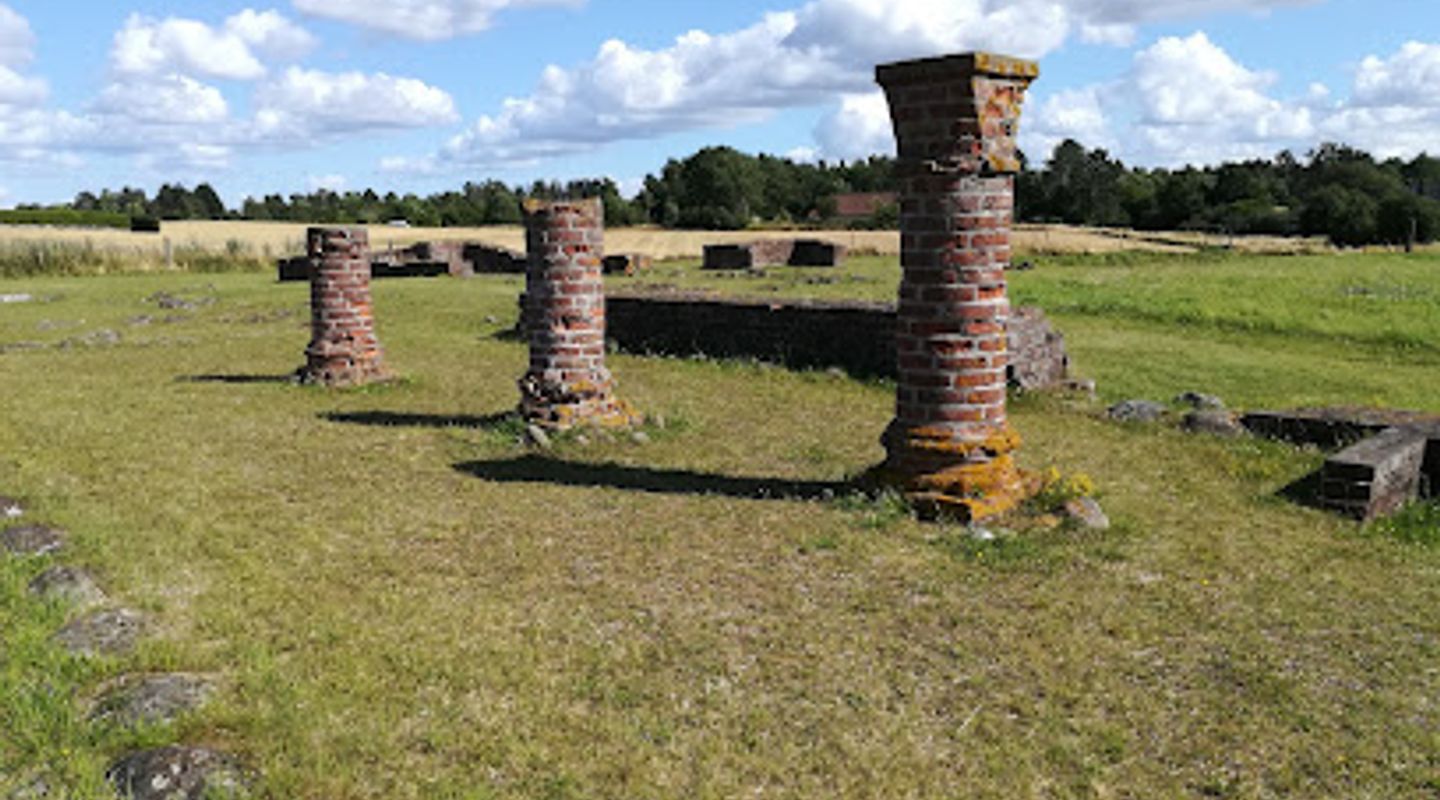
A brief summary of Æbelholt Kloster - Museum Nordsjælland
Medieval monastery ruins where saints healed the sick and archaeology reveals the secrets of monastic life.
Explore the evocative ruins of Æbelholt Kloster, once Northern Europe's largest Augustinian monastery, located 5 km west of Hillerød. The museum houses a remarkable collection of medieval skeletons, surgical instruments, and archaeological finds that illuminate life, disease, and healing practices in the Middle Ages. Wander through the reconstructed medicinal garden with nearly 100 historic herbs, or use an interactive tablet to digitally reconstruct the monastery's impressive buildings as you walk among the scattered ruins.
On-site amenities
 Restrooms
 Drink options
 Food options
 Seating areas
 Picnic areas
 Information boards
 Visitor centre
Opening hours
- Every day11 am–4 pm
Opening hours as listed on the venue’s Google Business Profile. Hours can change for services and special events, so check with the venue before you go.
- Address
- Æbelholt 4, 3400 Hillerød
- Phone
- Website
Getting there
Car from Hillerød
Bus from Hillerød Station
Bicycle from Hillerød
Walking from Æbelholt Village
Discover more about Æbelholt Kloster - Museum Nordsjælland
A Medieval Sanctuary for the Sick and Suffering
Around 1175, Augustinian monks established Æbelholt Kloster as a place of refuge and healing. The monastery's first abbot was the legendary Vilhelm, who became canonized as Saint Vilhelm in 1224 and earned the title 'North Zealand's Saint.' Throughout the Middle Ages, the sick and infirm journeyed to Æbelholt seeking miraculous cures, drawn by stories of healings at the saint's grave. The monastery functioned as both a spiritual center and a practical medical facility, offering food and care to travelers, pilgrims, and the poor until the Reformation in 1536 ended monastic life here.
Uncovering the Monastery's Hidden Past
After the Reformation, the monastery's buildings were demolished and the land was cultivated, leaving only scattered stones and fragments. Systematic archaeological excavations beginning in 1935 and continuing through the 1960s revealed the monastery's late medieval foundations and approximately 800 graves. These excavations, initiated by physician and medical historian Vilhelm Møller-Christensen, transformed understanding of medieval life and disease. The museum, established in 1957, now displays an extensive skeletal collection alongside surgical instruments, pilgrim badges, and other artifacts that tell stories of medieval suffering, resilience, and the medical knowledge of the era.
Walking Among the Ruins with Digital Eyes
Today, the monastery's remains lie scattered across the landscape, their true scale difficult to imagine from the fragmented stones alone. Once, Æbelholt was the largest Augustinian monastery in the Nordic region—a complete village with a church, water mill, workshops, and numerous buildings. Visitors can borrow a tablet that uses digital reconstruction technology to bring the monastery back to life. As you walk among the ruins, the tablet guides you to specific viewpoints where short film sequences reveal how the imposing structures once appeared. You can virtually enter the cloister courtyard and step inside the magnificent church, bridging the gap between present-day fragments and medieval grandeur.
The Monastery Garden: Living History
The reconstructed monastery garden contains approximately 100 different medicinal plants, recreated based on the famous plan of Saint Gallen monastery in Switzerland. This garden represents the practical botanical knowledge that medieval monks cultivated and applied to healing. Walking among these herbs—many still used in traditional medicine—offers insight into how medieval healers approached treatment and prevention. The garden also attracts bees and butterflies, creating a living ecosystem that reflects the monastery's historical role as a center of learning and care.
Skeletal Evidence of Medieval Life
The museum's most striking exhibits are the carefully selected skeletal remains that illuminate medieval existence. Skulls bearing evidence of warfare, fractures showing healing attempts, and bones displaying signs of disease and malnutrition provide tangible testimony to the hardships of the period. Medical instruments on display—surgical tools, bleeding implements, and other devices—demonstrate the monastery's role as a center of medical practice. These artifacts collectively reveal not only the diseases that plagued medieval people but also the courage and ingenuity with which monks attempted to treat them, making Æbelholt a window into pre-modern medicine and human resilience.
Evendo Review Centre
 Google
Guest reviews
Best time to go
Quietest: Jan, Feb & Mar · before 9am or from 5pm
Busy times are Evendo estimates for a typical year, to help you plan. Actual crowds vary with events, school holidays and the weather.
Explore Æbelholt Kloster - Museum Nordsjælland on the map
A handpicked selection of must-see spots near Æbelholt Kloster - Museum Nordsjælland, mapped for you.
Get your free copy of our complete guide to Æbelholt Kloster - Museum Nordsjælland, delivered straight to you.
Everything on this page, from opening hours and how to get there to Eve’s tips and the best time to go, in one PDF you can read offline, print or share.
Already have an account? Sign in
Your Æbelholt Kloster - Museum Nordsjælland guide is ready.
We'll send it to · Not you? Sign out

Getting your guide ready…
We are putting together a fresh copy of the Æbelholt Kloster - Museum Nordsjælland guide. This can take up to a minute.
This can take a few moments. If your browser asks, choose Allow so the download can start. You'll find the guide in your Downloads folder.
Nothing happened? Download it again
Sorry, the guide is taking longer than usual. Please try again in a minute, or get it by email instead.
Other nearby places you may find interesting
The closest places of the same kind, if this one is not quite what you had in mind.
-
-
-
-
-


Swipe for more places
More to explore near Æbelholt Kloster - Museum Nordsjælland
-
 Best experiences near Æbelholt Kloster - Museum Nordsjælland
-
 Best hotels near Æbelholt Kloster - Museum Nordsjælland
-
 Best landmarks near Æbelholt Kloster - Museum Nordsjælland
-
 Best attractions near Æbelholt Kloster - Museum Nordsjælland
-
 Best shops near Æbelholt Kloster - Museum Nordsjælland
-
 Best restaurants near Æbelholt Kloster - Museum Nordsjælland
-
 Best bars near Æbelholt Kloster - Museum Nordsjælland


Do you manage this location?
Take control to get all the benefits, like improved information, better appearance, and stronger visibility across AI-powered discovery.
Explore more
Explore more of Hillerød
Explore Hillerød: Discover Frederiksborg Castle, vibrant town life, and scenic nature trails in Denmark's charming North Zealand region.
Explore Hillerød
Explore more of Denmark
Discover Denmark: A perfect blend of history, modern design, and the cozy concept of hygge. Explore vibrant cities, serene landscapes, and world-class cuisine.
Explore Denmark
