St. Mary's Church, Copenhagen Region Travel Guide
A 15th-century Gothic masterpiece and Denmark's finest surviving monastic complex, featuring a legendary Baroque organ and medieval courtyard.
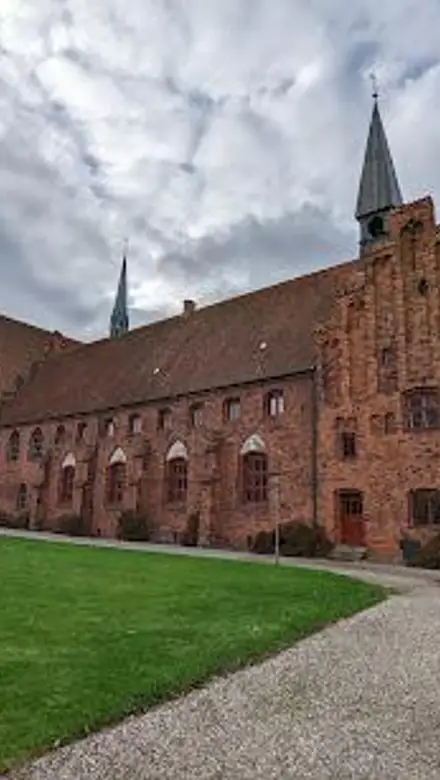
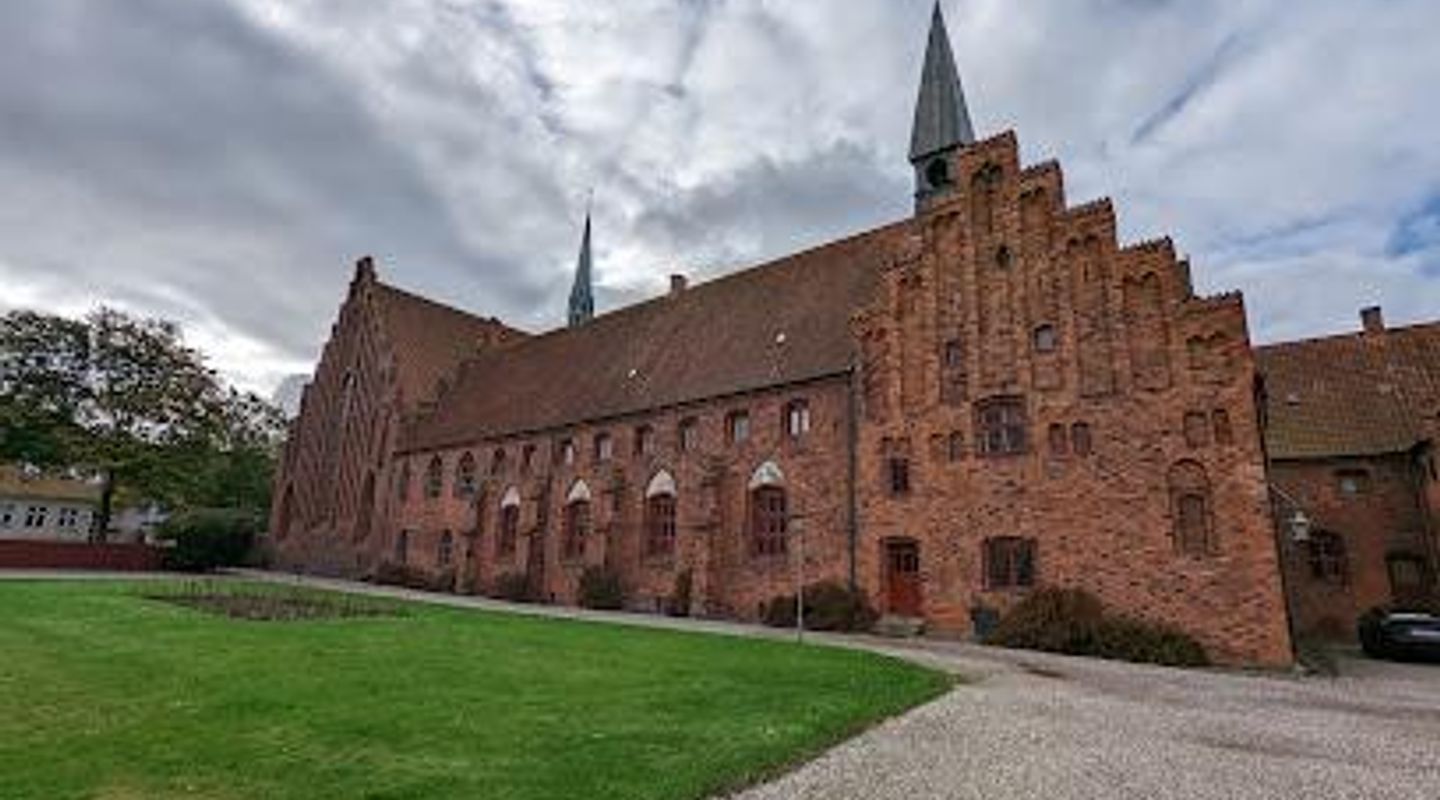
A stunning 15th-century Gothic church in Helsingør, Denmark, originally built as part of a Carmelite monastery complex established in 1430. The church features a magnificent Baroque organ once played by the legendary composer Buxtehude, intricate medieval stonework, and a serene courtyard with a 300-year-old tree. Now a functioning parish church, it represents the finest example of a complete monastic complex surviving in Denmark and stands as a masterpiece of medieval religious architecture.
A brief summary to St. Mary's Church
- Sct Anna Gade 38, Helsingør, 3000, DK
- Click to display
- Click to display
- Duration: 1 to 2.5 hours
- Free
-
 Mixed
Mixed
- Mobile reception: 4 out of 5
- Tuesday 10 am-3 pm
- Wednesday 10 am-3 pm
- Thursday 10 am-3 pm
- Friday 10 am-3 pm
- Saturday 10 am-3 pm
- Sunday 10 am-3 pm

Know before you go
Hi, I'm Eve. Here are a few practical things to know before exploring St. Mary's Church.
- Visit on a weekday morning for the most peaceful experience. The church is less crowded during these times, allowing you to fully absorb the intricate details of the stonework, artwork, and the magnificent Baroque organ without distraction.
- If possible, time your visit to coincide with one of the organ concerts held regularly in the church. Hearing the historic Baroque organ played in its original setting is an unforgettable experience that connects you directly to centuries of musical heritage.
- Spend time in the medieval courtyard and locate the 300-year-old tree at its center. This peaceful space offers a contemplative escape and provides essential context for understanding monastic life and the church's original purpose.
- Consider taking a guided tour of the monastery complex to gain deeper insights into the history of the Carmelite friars, the Reformation's impact, and the architectural significance of this complete monastic ensemble.
- Look up frequently while inside the church to appreciate the soaring brick pillars, the ornate organ loft, and the architectural details that draw the eye heavenward—a deliberate design choice of Gothic architecture meant to inspire spiritual contemplation.
Do you manage this location?
Take control to get all the benefits, like improved information, better appearance, and stronger visibility across AI-powered discovery. Learn more about listing your business on Evendo
Activate your presenceOther nearby places you may find interesting
The closest places of the same kind, if this one is not quite what you had in mind.

Explore St. Mary's Church on the Map
A handpicked selection of must-see spots near St. Mary's Church, mapped for you.
Unlock the Best of St. Mary's Church
Buy tickets
-
No tickets available
Book tours with entry


Book tours without entry

Getting There
-
Train from Copenhagen
Direct regional trains depart from Copenhagen Central Station to Helsingør approximately every 20 minutes, with a journey time of 45 minutes to 1 hour. The station is centrally located; from Helsingør Station, walk approximately 10 minutes through the historic town center following signs toward the harbor and old town. The church is located on Sct Anna Gade in the medieval quarter. Train tickets cost approximately 75–95 Danish kroner one-way for adults.
-
Car from Copenhagen
Drive north from Copenhagen via the E4 motorway toward Helsingør, a distance of approximately 45 kilometers taking 45 minutes to 1 hour depending on traffic. Follow signs to the city center and historic old town. Limited street parking is available near the church on Sct Anna Gade; several paid parking lots are located within 5 minutes' walk. Parking typically costs 30–50 Danish kroner per hour.
-
Bus from Copenhagen
Regional buses operate from Copenhagen to Helsingør with services approximately every 30–60 minutes, taking 1 to 1.5 hours depending on the route and stops. Journey costs range from 60–90 Danish kroner. From the bus station, follow pedestrian signs toward the historic center and Sct Anna Gade, approximately 10–15 minutes on foot.
-
Bicycle from Kronborg Castle
If visiting nearby Kronborg Castle, St. Mary's Church is accessible by bicycle or on foot, approximately 800 meters away through the historic town center. The route is flat and well-signposted, taking approximately 10 minutes by bicycle or 15 minutes walking. This option allows you to explore Helsingør's medieval streets and combines two major historical attractions.
For the on-the-go comforts that matter to you
-
 Restrooms
-
 Information Boards
-
 Seating Areas
Discover more about St. Mary's Church
A Medieval Masterpiece Born from Faith and Community
St. Mary's Church stands as one of Denmark's most remarkable architectural achievements, built in the late Gothic style during the mid-1400s as the spiritual heart of a Carmelite monastery complex. Established in 1430, the monastery and church were constructed to serve the religious community and the growing population of Helsingør. The church's construction was a lengthy undertaking, reflecting the ambition and resources required to create such a magnificent structure. Today, it remains the finest example of a complete monastic complex surviving in Denmark, with the original monastery buildings still surrounding the serene courtyard that invites visitors into centuries past.The physical construction of the church showcases the craftsmanship of medieval builders. The walls are constructed from brick, likely produced at a local Dominican monastery on the nearby steep hill. Small square holes visible in the walls are remnants of the scaffolding used during the original construction, serving as tangible reminders of the building process. The church's foundation incorporates sandstone from an earlier predecessor structure that once stood on this site, demonstrating how medieval communities repurposed materials from the past to build their future. Older gravestones were also incorporated into the new foundation, creating a literal layering of history within the building itself.From Monastic Sanctuary to Community Gathering Place
The church's history reflects the dramatic religious and political transformations that swept through Denmark. Following the Reformation and the dissolution of the monastery in 1536, the church was made available to the foreign community living in Helsingør, particularly German merchants and traders who had established themselves in the port city. For centuries, it served as the "German church" before becoming a Danish parish church in 1851. This transition from monastic sanctuary to community church to foreign chapel and back again tells the story of Helsingør itself—a city shaped by commerce, faith, and cultural exchange. The church's active religious life continues today, with regular services and a vibrant congregation that honors its medieval heritage while serving contemporary spiritual needs.Artistic Treasures and Musical Heritage
Inside the church, visitors encounter artistic and musical treasures of exceptional significance. The intricate stonework found throughout the church floor showcases the remarkable craftsmanship of medieval artisans, with each detail telling stories of devotion and skill. The pulpit and icon work further enhance the church's artistic richness, representing centuries of religious expression and aesthetic refinement. The most celebrated feature is the magnificent Baroque organ, installed in the mid-1600s, which occupies an ornate organ loft that draws the eye upward. This instrument carries extraordinary musical prestige—it was once played by the legendary composer Dietrich Buxtehude, one of the greatest organists of the Baroque era. Organ concerts are regularly held in the church, allowing visitors to experience this historic instrument in its full glory and connecting modern audiences to centuries of musical tradition.The Tranquil Heart of the Monastery Complex
Beyond the church itself lies the medieval courtyard, a peaceful sanctuary that offers a glimpse into monastic life. At its center stands a 300-year-old tree, a living witness to generations of prayer, contemplation, and community life. The courtyard's serene atmosphere provides a striking contrast to the bustling modern city beyond its walls, creating a space where time seems to move more slowly. The surrounding monastic buildings, many still standing in their original form, frame this courtyard and complete the picture of how religious communities organized their daily lives. Walking through these spaces, visitors can almost hear the echoes of chanting friars and feel the weight of centuries of spiritual practice that transformed this location into a sanctuary of faith.












Your all‑in‑one travel companion app
Explore expert travel guides, compare and book tours, experiences, hotels, and more—all from the palm of your hand. Download now for seamless trip planning wherever your wanderlust takes you.


Explore More of Copenhagen Region
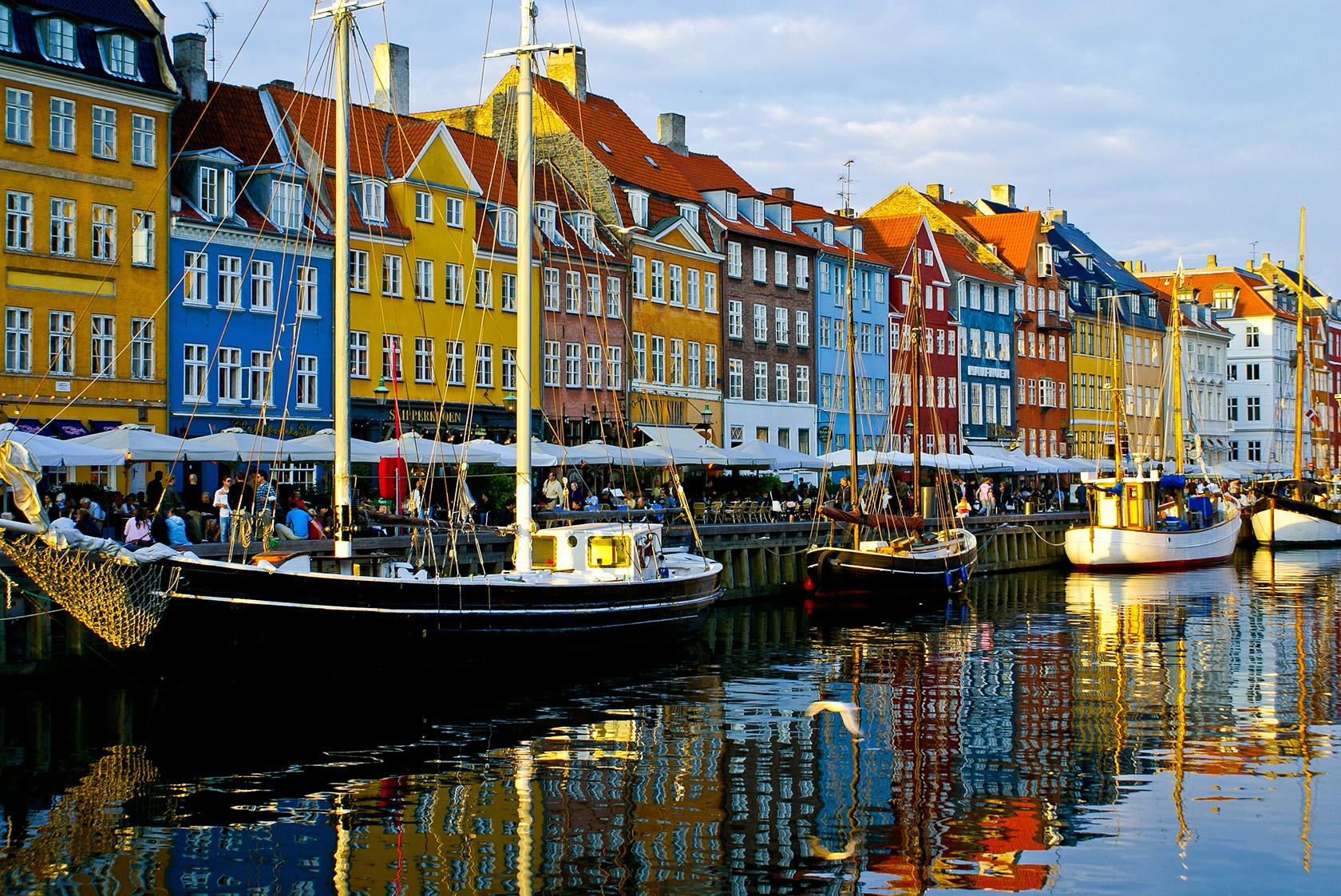
Looking beyond St. Mary's Church? Discover Copenhagen Region for broader travel guides, local hot-spots, and regional highlights.
Explore Copenhagen Region