The eltest city hall, Kalundborg Travel Guide
Free Guide: A modest medieval town hall in Kalundborg’s Højbyen, where centuries of local power, trade and everyday life still echo in cobbled streets and weathered walls.


A brief summary of The eltest city hall
A modest medieval town hall in Kalundborg’s Højbyen, where centuries of local power, trade and everyday life still echo in cobbled streets and weathered walls.
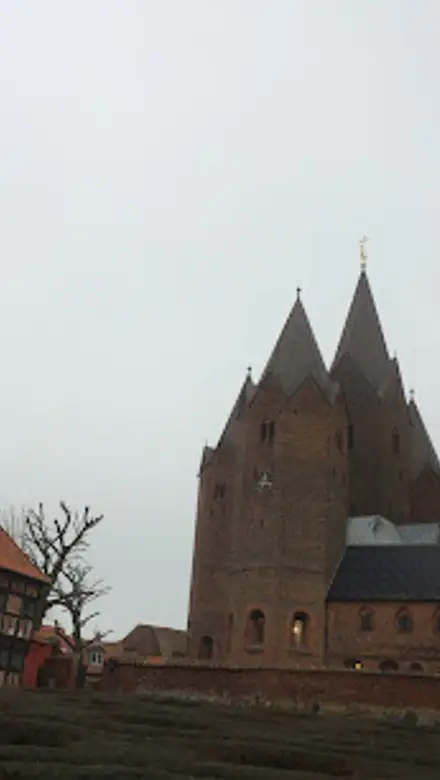
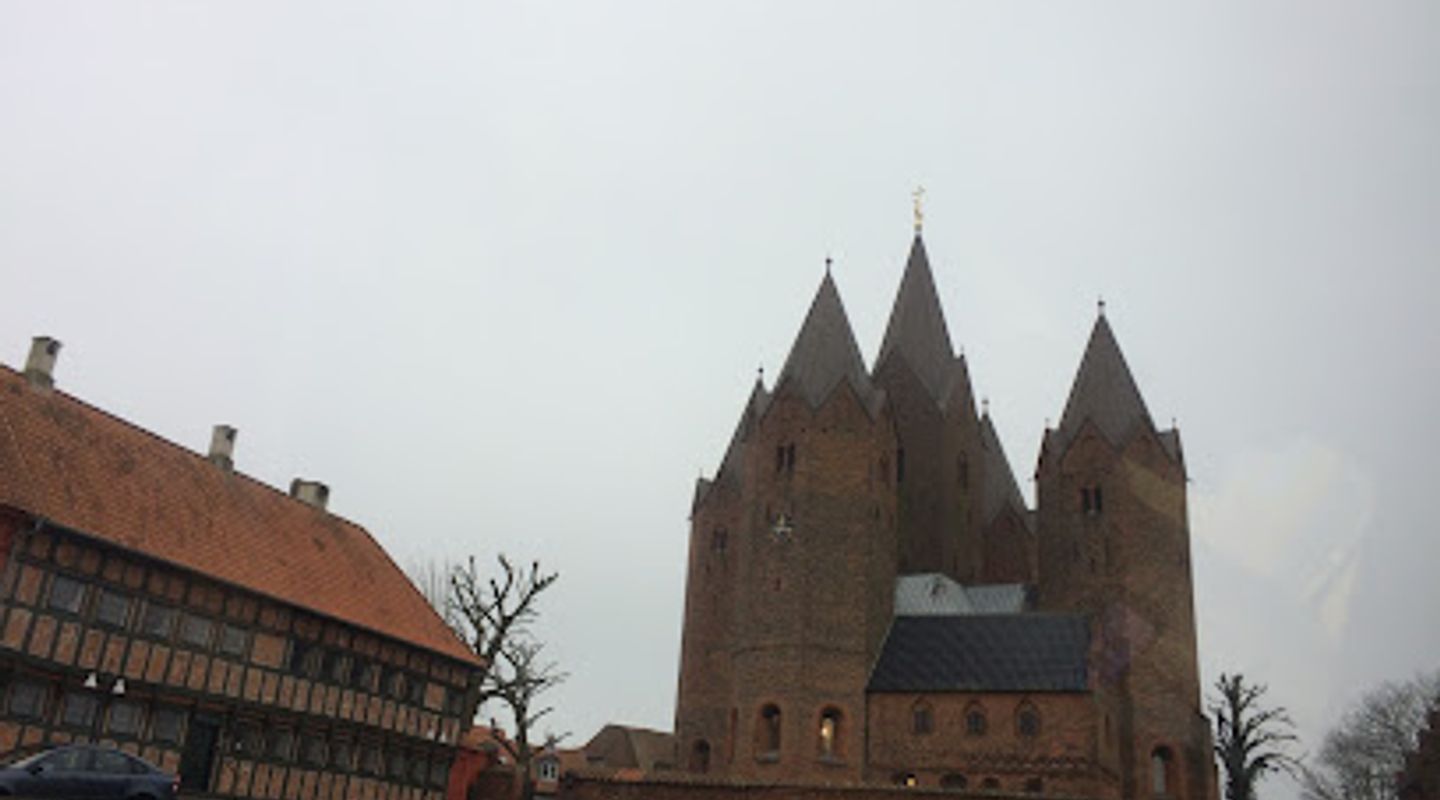
Tucked into the cobbled lanes of Kalundborg’s medieval Højbyen, the old town hall at Adelgade 2 is one of the city’s most atmospheric historic buildings. Once the civic heart of medieval Kalundborg, this modest but characterful structure now stands as a quiet witness to centuries of local governance, trade, and everyday life in one of Denmark’s best-preserved medieval quarters. Its simple façades, period details and setting among half-timbered houses and the five-towered church make it a rewarding stop on any stroll through the old town.
On-site amenities
 Restrooms
 Drink options
 Drinking water
 Food options
 Seating areas
 Trash bins
 Information boards
- Address
- Adelgade 2, 4400 Kalundborg
- Website
Getting there
Walking from central Kalundborg
Local bus within Kalundborg
Train plus short walk
Car from elsewhere in West Zealand
Discover more about The eltest city hall
A Medieval Civic Heart in Højbyen
Kalundborg’s oldest town hall stands in the upper town, Højbyen, a compact medieval quarter where narrow streets still follow their centuries-old lines. At Adelgade 2, the building that once housed the city’s council and administration sits slightly back from the street, its modest scale belying the importance it once held in local life. This is where taxes were discussed, disputes settled and decisions shaping the town’s fortunes were made.Surrounded by plastered façades, brick gables and half-timbered houses, the former town hall forms part of a remarkably intact townscape. From its doorstep you sense how closely entwined civic power, religion and trade once were here: just a short walk away the five-towered Church of Our Lady dominates the skyline, while the lines of Adelgade hint at market stalls and merchants’ carts that once crowded this hilltop.
Layers of Architecture and Craftsmanship
Although altered over time, the building still reveals tell-tale signs of its age and function. The street front presents a restrained façade, more solid than grand, with window openings that have changed as needs and fashions evolved. Look for details such as irregular masonry, slight shifts in roofline and traces of older doorways that suggest centuries of adaptation.Inside, where accessible during events or special openings, you may find low ceilings, heavy beams and uneven floors that speak of earlier construction phases. Even viewed only from outside, the way the structure meets the street, the thickness of walls and the roof proportions all hint at a time when durability and practicality trumped display. The building’s character is enhanced by its neighbours: a patchwork of medieval plots, later townhouses and courtyards that together form Denmark’s best-preserved medieval urban environment.
From Power House to Quiet Landmark
As Kalundborg’s administration modernised and moved to newer premises, the old town hall gradually lost its official functions. Yet this very change helped preserve it. No longer adapted to contemporary office needs, the house survived without drastic rebuilding, retaining much of its historic outline. Today it stands as a quiet landmark in the street, often passed by residents going about daily errands and by visitors tracing the contours of the old town.Its story is closely connected to Kalundborg’s broader history as a medieval stronghold and later administrative centre. Nearby ruins and museums recall castles, city walls and archives that once made this hilltop a focal point for royal power. In that context, the town hall represents the local scale of governance: decisions about tradesmen, markets and municipal order that affected people’s everyday lives.
Exploring Adelgade and the Surroundings
The building is best appreciated as part of a slow walk along Adelgade and the surrounding streets. Hollyhocks and climbing plants soften the façades in summer, and the cobblestones underfoot complete the sense of stepping into another century. From here you can easily combine a look at the town hall with visits to the nearby museum, church and the remnants of medieval fortifications.Pause opposite the building and take in the relationship between street width, building height and roof angles. This intimate scale is what makes Højbyen feel so distinctive. The town hall anchors one end of a sequence of views along Adelgade, a subtle but important piece in the visual rhythm of gables and chimneys. In the quieter hours, when few people are about, it is easy to imagine the clatter of horses, calls of traders and the murmur of council debates drifting from behind these walls.
Atmosphere, Details and Photo Moments
For photographers and urban history enthusiasts, the town hall offers a rewarding subject. Its slightly weathered surfaces, traditional windows and interplay with neighbouring houses create layered compositions from almost any angle. Soft morning or late-afternoon light enhances textures in the brick and plaster, while overcast days bring out the rich colours of façades without harsh shadows.Even if you only spend a short time here, the building helps unlock a deeper understanding of Kalundborg’s character. It shows how power and practicality once met in relatively simple structures, and how a small civic house can become a key to reading an entire historic quarter. Stand for a moment by its wall, listen to the echo of footsteps on stone, and you may feel how centuries of local stories have settled quietly into these enduring foundations.
Evendo Review Centre
 Google
Guest reviews
Best time to go
Quietest: Jan, Feb & Mar · before 8am or at 7pm
Busy times are Evendo estimates for a typical year, to help you plan. Actual crowds vary with events, school holidays and the weather.
Explore The eltest city hall on the map
A handpicked selection of must-see spots near The eltest city hall, mapped for you.
Get your free copy of our complete guide to The eltest city hall, delivered straight to you.
Everything on this page, from opening hours and how to get there to Eve’s tips and the best time to go, in one PDF you can read offline, print or share.
Already have an account? Sign in
Your The eltest city hall guide is ready.
We'll send it to · Not you? Sign out

Getting your guide ready…
We are putting together a fresh copy of the The eltest city hall guide. This can take up to a minute.
This can take a few moments. If your browser asks, choose Allow so the download can start. You'll find the guide in your Downloads folder.
Nothing happened? Download it again
Sorry, the guide is taking longer than usual. Please try again in a minute, or get it by email instead.
Other nearby places you may find interesting
The closest places of the same kind, if this one is not quite what you had in mind.
-
-
-
-
-


Swipe for more places
More to explore near The eltest city hall

 Best experiences near The eltest city hall
 Best hotels near The eltest city hall
 Best landmarks near The eltest city hall
 Best attractions near The eltest city hall
 Best shops near The eltest city hall
 Best restaurants near The eltest city hall
 Best bars near The eltest city hall
Do you manage this location?
Take control to get all the benefits, like improved information, better appearance, and stronger visibility across AI-powered discovery.
Explore more

Explore more of Kalundborg
Discover Kalundborg, a picturesque Danish town with rich history, stunning landscapes, and a vibrant cultural scene. Perfect for nature lovers and history enthusiasts alike.
Explore Kalundborg
Explore more of Denmark
Discover Denmark: A perfect blend of history, modern design, and the cozy concept of hygge. Explore vibrant cities, serene landscapes, and world-class cuisine.
Explore Denmark