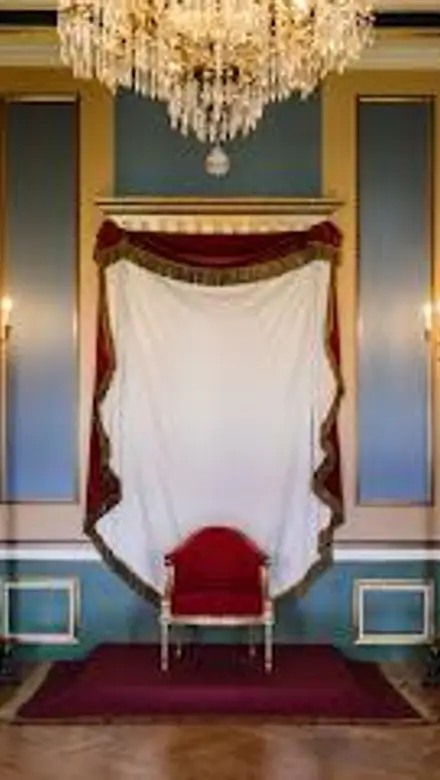
Amalienborg Palace Museum, Køge Travel Guide
Free Guide: Step inside Christian VIII’s Palace at Amalienborg to explore richly preserved royal interiors, gala rooms and personal stories from 150 years of Danish monarchy.


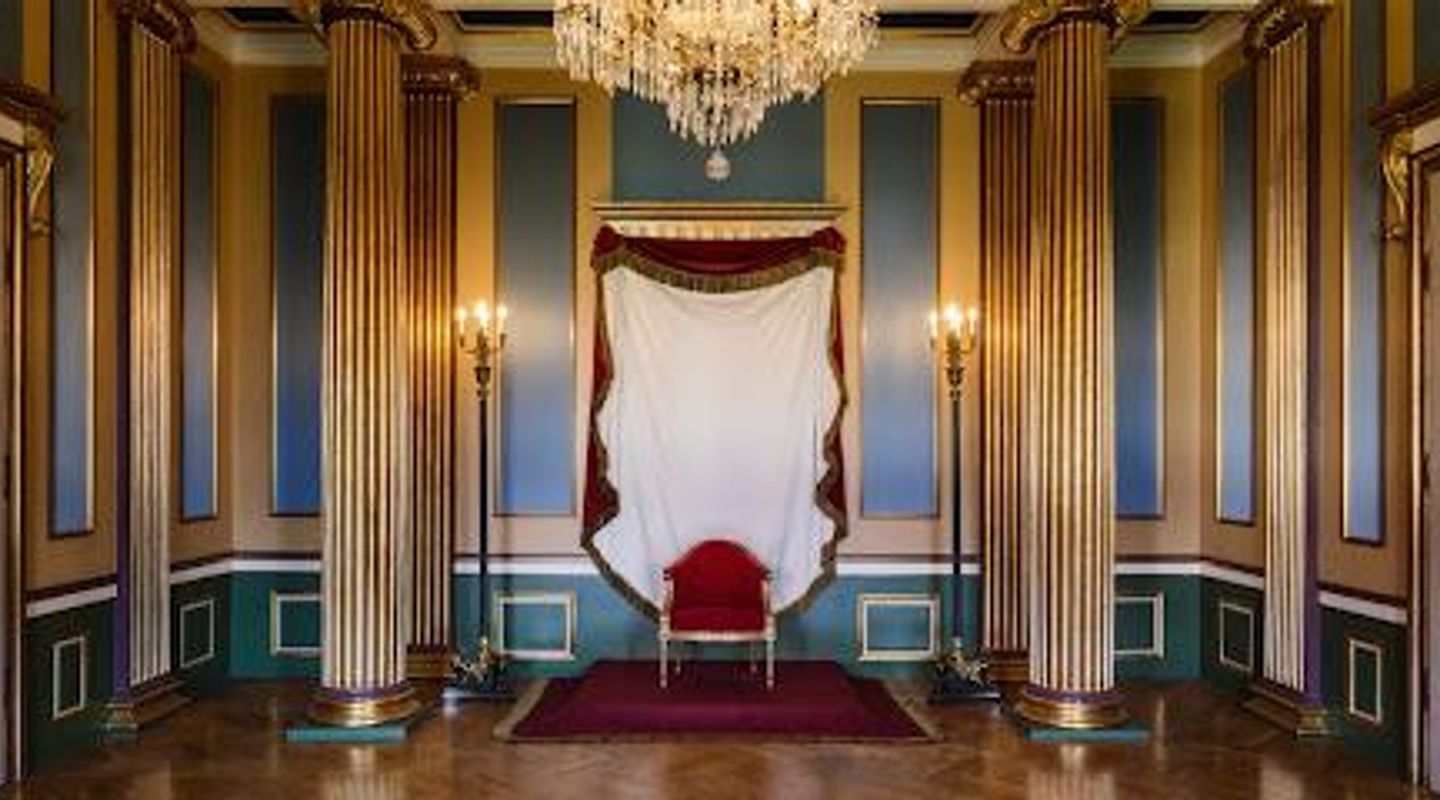
A brief summary of Amalienborg Palace Museum
Step inside Christian VIII’s Palace at Amalienborg to explore richly preserved royal interiors, gala rooms and personal stories from 150 years of Danish monarchy.
Set within Christian VIII’s Palace on Copenhagen’s grand Amalienborg square, the Amalienborg Palace Museum offers a rare look inside the private world of the Danish royal family. Period-furnished rooms, glittering gala halls and intimate studies trace royal life from Christian IX in the 19th century to the present day. Combined with the daily changing of the guard outside and views to the Marble Church and harborfront, it’s a compact but richly layered introduction to Denmark’s modern monarchy.
On-site amenities
 Restrooms
 Drinking water
 Food options
 Seating areas
 Sheltered areas
 Trash bins
 Information boards
 Visitor centre
Opening hours
- MonClosed
- Tue10 am–3 pm
- Wed10 am–3 pm
- Thu10 am–3 pm
- Fri10 am–3 pm
- Sat10 am–4 pm
- Sun10 am–4 pm
Opening hours as listed on the venue’s Google Business Profile. Hours can change for services and special events, so check with the venue before you go.
- Address
- Christian VIII's Palæ, Amalienborg Slotsplads 5, 1257 København
- Phone
- Website
Getting there
Metro from central Copenhagen
City bus to Amalienborg area
Bicycle from central districts
Harbor bus to the nearby waterfront
Discover more about Amalienborg Palace Museum
Royal life behind the façades of Amalienborg
The Amalienborg Palace Museum occupies part of Christian VIII’s Palace, one of four almost identical rococo palaces that frame the octagonal Amalienborg square in central Copenhagen. Inside, the focus is firmly on modern royal history, using fully furnished interiors and carefully curated displays to show how Denmark’s monarchy has lived and worked from the 1800s onwards. Rather than grand state mythology, the museum emphasizes family life, everyday routines and the subtle evolution of royal taste.From the moment you step inside the palace, the atmosphere shifts from the open, wind-brushed square to a quieter world of polished floors, heavy doors and soft light on portraits and textiles. The layout leads you through a sequence of rooms that feel more like a lived-in home than a static showpiece, giving an unusually close sense of how the royal family has inhabited these spaces over generations.
Historic interiors from Christian IX to the present
One of the museum’s main draws is its recreation and preservation of rooms connected to Christian IX and Queen Louise, the couple often called the “in-laws of Europe” because their children married into several European royal houses. Studies, drawing rooms and private chambers appear much as they did in the late 19th and early 20th centuries, complete with furniture, family photographs, decorative objects and personal belongings.As you move forward in time, you see how each monarch left a distinct imprint on Amalienborg’s interiors. Later rooms reveal shifts from richly upholstered Victorian taste to cleaner, more modern lines, reflecting Danish design trends and changing ideas of royal formality. Together, these spaces create a timeline of style, politics and personality played out across wallpaper, chandeliers and writing desks.
The Gala Hall and ceremonial spaces
On many days, access extends to the Piano Nobile level, where formal reception rooms and the elegant Gala Hall are still used by the royal family for representative events. Here the atmosphere becomes more ceremonial: parquet floors, mirrors, gilded details and carefully orchestrated color schemes remind you that Amalienborg remains an active working palace, not just a historic shell.Standing in these spaces, it is easy to imagine state occasions unfolding: guests ascending broad staircases, uniforms and gowns brushing past the same walls you see today. This living continuity is one of the museum’s most distinctive qualities—the rooms serve a dual role as both historic exhibits and contemporary backdrops for royal duties.
Objects, stories and the Royal Danish Collections
Throughout the museum, themed displays draw on the wider Royal Danish Collections to highlight specific aspects of court life. Decorative arts, uniforms, orders, photographs and personal mementos are presented with concise context, connecting seemingly ordinary items to moments of national significance or private turning points in royal biographies.Special exhibitions periodically focus on particular monarchs, anniversaries or facets of royal culture, using the palace’s historic rooms as a stage. These changing displays sit alongside permanent installations, such as family trees and timelines, which help visitors trace the Glücksborg dynasty and situate Amalienborg within Denmark’s broader constitutional history.
Amalienborg square, guards and the city around
Stepping back outside, the museum is inseparable from its setting. Christian VIII’s Palace faces the equestrian statue of Frederik V at the center of the square, aligned along a powerful urban axis with the copper dome of the Marble Church on one side and the harborfront on the other. Around midday, the rhythmic footsteps and music of the Royal Life Guard bring the square to life as they perform the changing of the guard in front of the palaces.The museum visit naturally pairs with time on the square, where you can appreciate the uniform façades of the four palaces and the way Amalienborg connects visually to newer landmarks across the water. In just a few hundred meters, Copenhagen’s identity as both historic royal capital and modern waterfront city comes into sharp focus.
Planning your visit inside the royal heart of Copenhagen
Visits typically follow a self-guided route, allowing you to move at your own pace through the suites and exhibitions. Compact yet dense with detail, the museum rewards lingering over small objects and decorative flourishes as much as the grand rooms. It is an especially good choice if you want to understand how a contemporary European monarchy balances tradition and present-day life.Because Christian VIII’s Palace is part of an active royal complex, opening hours and access to specific rooms can vary across the year and around special events. It is wise to check current schedules in advance and allow enough time to combine the museum with watching the guards, exploring the square and taking in the surrounding views of church domes and harbor architecture.
Evendo Review Centre
 Google
Guest reviews
Best time to go
Quietest: Jan, Feb & Mar · before 8am or at 9pm
Busy times are Evendo estimates for a typical year, to help you plan. Actual crowds vary with events, school holidays and the weather.
Explore Amalienborg Palace Museum on the map
A handpicked selection of must-see spots near Amalienborg Palace Museum, mapped for you.
Get your free copy of our complete guide to Amalienborg Palace Museum, delivered straight to you.
Everything on this page, from opening hours and how to get there to Eve’s tips and the best time to go, in one PDF you can read offline, print or share.
Already have an account? Sign in
Your Amalienborg Palace Museum guide is ready.
We'll send it to · Not you? Sign out

Getting your guide ready…
We are putting together a fresh copy of the Amalienborg Palace Museum guide. This can take up to a minute.
This can take a few moments. If your browser asks, choose Allow so the download can start. You'll find the guide in your Downloads folder.
Nothing happened? Download it again
Sorry, the guide is taking longer than usual. Please try again in a minute, or get it by email instead.
Unlock the best of Amalienborg Palace Museum
Skip-the-line tickets, guided tours with entry, and walking tours of the area, booked in a few clicks.
 Tour with entry
Copenhagen: Little Mermaid Fairy Tale Quest
from $8.59 Tour with entry
Half Day Self-Guided Audio Walking Private Tour in Copenhagen
from $14.10 Tour with entry
Copenhagen Highlights & Hidden Gems Walking Tour with Local Guide
from $32.05 Tour with entry
Copenhagen Highlights: Small Group Walking Tour - Max 10 people
from $44.59


Other nearby places you may find interesting
The closest places of the same kind, if this one is not quite what you had in mind.
-
Køge Miniby Step into Køge’s past at 1:10 scale, where hand-built model houses, harbour scenes and church spires recreate the market town of 1865 in a tranquil seaside garden.
-
Køge Museum Time‑travel through Køge’s past inside a 17th‑century merchant’s house where Viking treasures, buried secrets and a tranquil courtyard meet in one intimate museum.
-
Ølsemagle Revle A shifting sandbar of shallow lagoons, rich birdlife and wide sandy beaches, where Køge’s urban edge gives way to one of Zealand’s most evocative coastal nature reserves.
-
Solgårdsparken Romantic coastal park between Køge Bay and Tryggevælde River, where historic garden design, tranquil nature, play areas and reflective audio stories meet in one green retreat.
-
Vandkunsten - Stationspladsen A sculptural fountain anchoring Køge’s station square, where moving water, stone and light turn a busy transport hub into an inviting urban meeting place.
Swipe for more places
More to explore near Amalienborg Palace Museum
-
 Best experiences near Amalienborg Palace Museum
-
 Best hotels near Amalienborg Palace Museum
-
 Best landmarks near Amalienborg Palace Museum
-
 Best attractions near Amalienborg Palace Museum
-
 Best shops near Amalienborg Palace Museum
-
 Best restaurants near Amalienborg Palace Museum
-
 Best bars near Amalienborg Palace Museum







Do you manage this location?
Take control to get all the benefits, like improved information, better appearance, and stronger visibility across AI-powered discovery.
Explore more
Explore more of Køge
Explore Køge, Denmark's coastal gem, with its medieval charm, beautiful marina, and close proximity to the stunning Stevns Klint UNESCO World Heritage site.
Explore Køge
Explore more of Denmark
Discover Denmark: A perfect blend of history, modern design, and the cozy concept of hygge. Explore vibrant cities, serene landscapes, and world-class cuisine.
Explore Denmark