
Culture Tower on Knippels Bridge, Koge Travel Guide
A teal copper bridge tower reborn as an intimate cultural venue above Copenhagen’s harbour, blending 1930s functionalism with bold adaptive reuse.
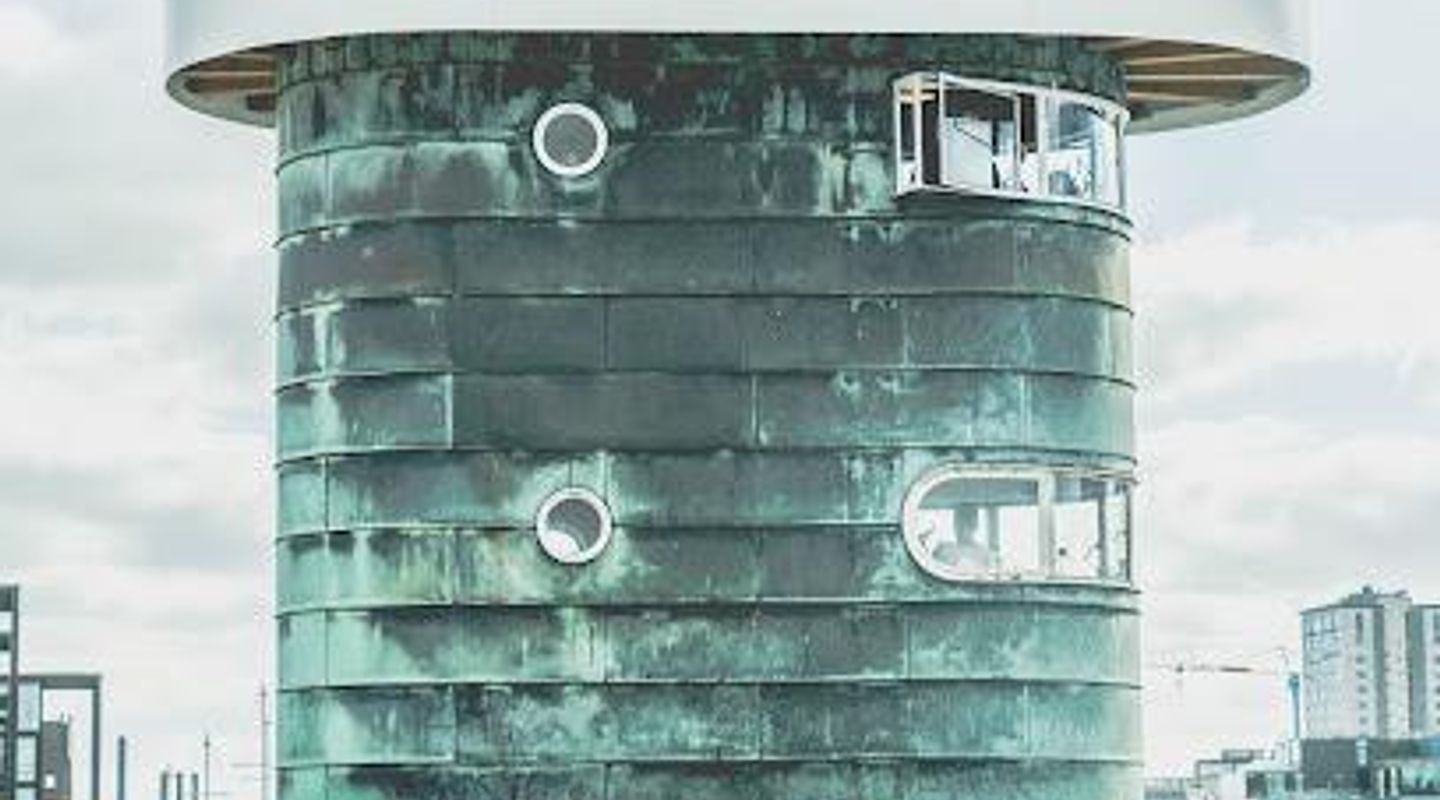
Perched on the Christianshavn side of Copenhagen’s historic Knippelsbro, the Culture Tower transforms an old copper bridge watchtower into an intimate hub for art, gastronomy and harbour views. Inside the compact, teal-clad structure you find minimalist rooms, maritime details and wraparound windows that frame 360-degree perspectives of the inner harbour, the city skyline and the constant flow of cyclists and boats below. Though now permanently closed, it remains a distinctive example of how industrial infrastructure can be reborn as a cultural landmark.
A brief summary to Culture Tower on Knippels Bridge
- Knippelsbro 2, Indre By, Indre By, 1400, DK
- Click to display
- Click to display
- Duration: 0.5 to 1.5 hours
- Mid ranged
-
 Mixed
Mixed
- Mobile reception: 5 out of 5

Know before you go
Hi, I'm Eve. Here are a few practical things to know before exploring Culture Tower on Knippels Bridge.
- Walk across Knippelsbro from the Christianshavn side to appreciate how the Culture Tower is anchored directly into the bridge pier and how its teal copper cladding stands out in the harbour panorama.
- Pause mid-bridge to look up the length of the tower and notice the stacked windows hinting at its former life as a working control room for the drawbridge.
- Visit around sunset on a clear day for particularly atmospheric light on the copper façade and widescreen views along Copenhagen’s inner harbour.
Do you manage this location?
Take control to get all the benefits, like improved information, better appearance, and stronger visibility across AI-powered discovery. Learn more about listing your business on Evendo
Activate your presenceOther nearby places you may find interesting
The closest places of the same kind, if this one is not quite what you had in mind.

Explore Culture Tower on Knippels Bridge on the Map
A handpicked selection of must-see spots near Culture Tower on Knippels Bridge, mapped for you.
Getting There
-
Metro from central Copenhagen
From major central stations such as Nørreport, take the M1 or M2 metro line towards Christianshavn and travel 1–2 stops, which usually takes about 3–6 minutes. Single tickets within the central zones typically cost around 20–30 DKK. Trains run every few minutes during the day and early evening. From Christianshavn station it is an easy, mostly level 5–10 minute walk on pavements to Knippelsbro and the tower, suitable for most visitors though the bridge itself can be windy.
-
City bus to the bridge area
Several inner-city bus routes serve stops near Knippelsbro and Slotsholmen, with typical journey times of 10–25 minutes from central districts depending on traffic. Expect standard city fares in the range of 20–30 DKK per ride. Buses generally feature low-floor entry, making them accessible, but they can be crowded at rush hour. From nearby stops, plan for a short walk over even but sometimes busy pavements to reach the bridge and the tower.
-
Bicycle within central Copenhagen
Cycling is one of the most convenient ways to reach Knippelsbro from neighbourhoods such as Indre By, Vesterbro or Østerbro, with typical travel times of 10–20 minutes at a relaxed pace. Numerous bike rental and city bike schemes operate in Copenhagen, with daily rental often starting around 100–150 DKK. The bridge has wide cycle lanes but is heavily used by local commuters, so less confident cyclists should travel outside peak hours and be prepared for strong crosswinds over the harbour.
For the on-the-go comforts that matter to you
-
 Seating Areas
-
 Trash Bins
-
 Information Boards
-
 Drink Options
-
 Food Options
-
 Restrooms
Discover more about Culture Tower on Knippels Bridge
From working bridge tower to cultural landmark
The Culture Tower occupies one of the iconic verdigris copper towers on Knippelsbro, the bascule bridge that links central Copenhagen with the canal district of Christianshavn. For decades these towers housed bridge officers, machinery rooms and lookout spaces used to raise the bridge for passing ships, sitting off-limits above the harbour traffic. In 2017, on the 80th anniversary of the current bridge, the southern tower on the Christianshavn side was painstakingly refurbished and opened as a compact cultural venue.The conversion kept the industrial bones of the structure – iron framework, tight stairwells and porthole-like windows – but reimagined the interior as a place for exhibitions, small concerts, talks and intimate dining experiences. This new life underlined Knippelsbro’s dual identity as both essential infrastructure and a piece of Copenhagen’s cultural fabric, even earning the tower a place on the country’s 200-kroner banknote as a symbol of the harbour city.Architecture suspended above the harbour
Architecturally, the tower is a study in 1930s functionalism. The slim vertical volume rises directly from the concrete bridge pier, its copper cladding weathered to a distinctive teal that stands out against the grey of the roadway and the soft tones of the surrounding waterfront. Narrow windows stack up the façade like a vertical ribbon, hinting at the five levels within, culminating in a lookout floor roughly 13 metres above the water.Inside, the refurbishment favoured a stripped-back, maritime-inspired aesthetic. Simple timber floors, clean white surfaces and carefully placed lighting draw attention to the structural details of the former control rooms. The staircase threads its way through the tower’s core, leading to compact rooms where floor-to-ceiling glazing pulls Copenhagen’s skyline into the space, turning the harbour itself into a moving artwork.Harbour panoramas and city-life theatre
One of the tower’s greatest luxuries is not size but perspective. From the upper levels you look along the axis of Knippelsbro, watching streams of cyclists, buses and pedestrians crossing between the historic centre and Christianshavn. Beyond, church spires punctuate the skyline and ferries glide through the Inner Harbour, while working ships and leisure boats pass beneath the bridge.On the outer deck you are suspended between water and traffic, with sea air, gulls and the low thrum of the city all around. Sunsets can wash the harbour in gold, while in winter the view tightens into a palette of steel blues and glowing windows. Even when no events were scheduled, simply being in the tower offered a vivid sense of how closely everyday life, industry and cultural experimentation intersect in Copenhagen.Intimate events in Copenhagen’s “smallest cultural institution”
During its operating years, the Culture Tower hosted small-scale cultural programmes that matched its intimate footprint. Temporary art installations, listening sessions, radio experiments and themed dinners made inventive use of the tower’s stacked rooms. Two compact dining spaces were often configured for seasonal tasting menus or collaborations with local chefs, pairing harbour views with contemporary Nordic flavours.Because capacity was limited, experiences here felt closer to a salon than a conventional venue. Guests shared long tables, sat within arm’s length of artists or hosts, and could easily move between floors to see how the shifting height changed their relationship with the city outside. The tower’s minimal interior made every sound and view more acute, reinforcing the feeling of stepping into a concentrated pocket of culture hovering above the water.A closed venue with a lasting presence
Although the Culture Tower is now permanently closed to the public, its presence still adds character to Knippelsbro and the broader harbourfront. The copper-clad silhouette marks the transition between the governmental island of Slotsholmen and the canals of Christianshavn, recalling the era when bridge keepers controlled maritime traffic from within its walls. As a case study in adaptive reuse, it also demonstrates how obsolete infrastructure can briefly become a testing ground for new cultural formats before the city moves on again.For visitors crossing Knippelsbro today, the tower is a visual landmark rather than a destination, but an evocative one. Knowing its layered history – from work tower to experimental cultural space – adds depth to any walk across the bridge, inviting you to imagine the views from inside and the many stories that have unfolded in this slender structure above Copenhagen’s busy harbour.More to explore near Culture Tower on Knippels Bridge
-

Best experiences near Culture Tower on Knippels Bridge
-

Best hotels near Culture Tower on Knippels Bridge
-

Best landmarks near Culture Tower on Knippels Bridge
-

Best shops near Culture Tower on Knippels Bridge
-

Best restaurants near Culture Tower on Knippels Bridge
-

Best bars near Culture Tower on Knippels Bridge







Your all‑in‑one travel companion app
Explore expert travel guides, compare and book tours, experiences, hotels, and more—all from the palm of your hand. Download now for seamless trip planning wherever your wanderlust takes you.


Explore More of Koge
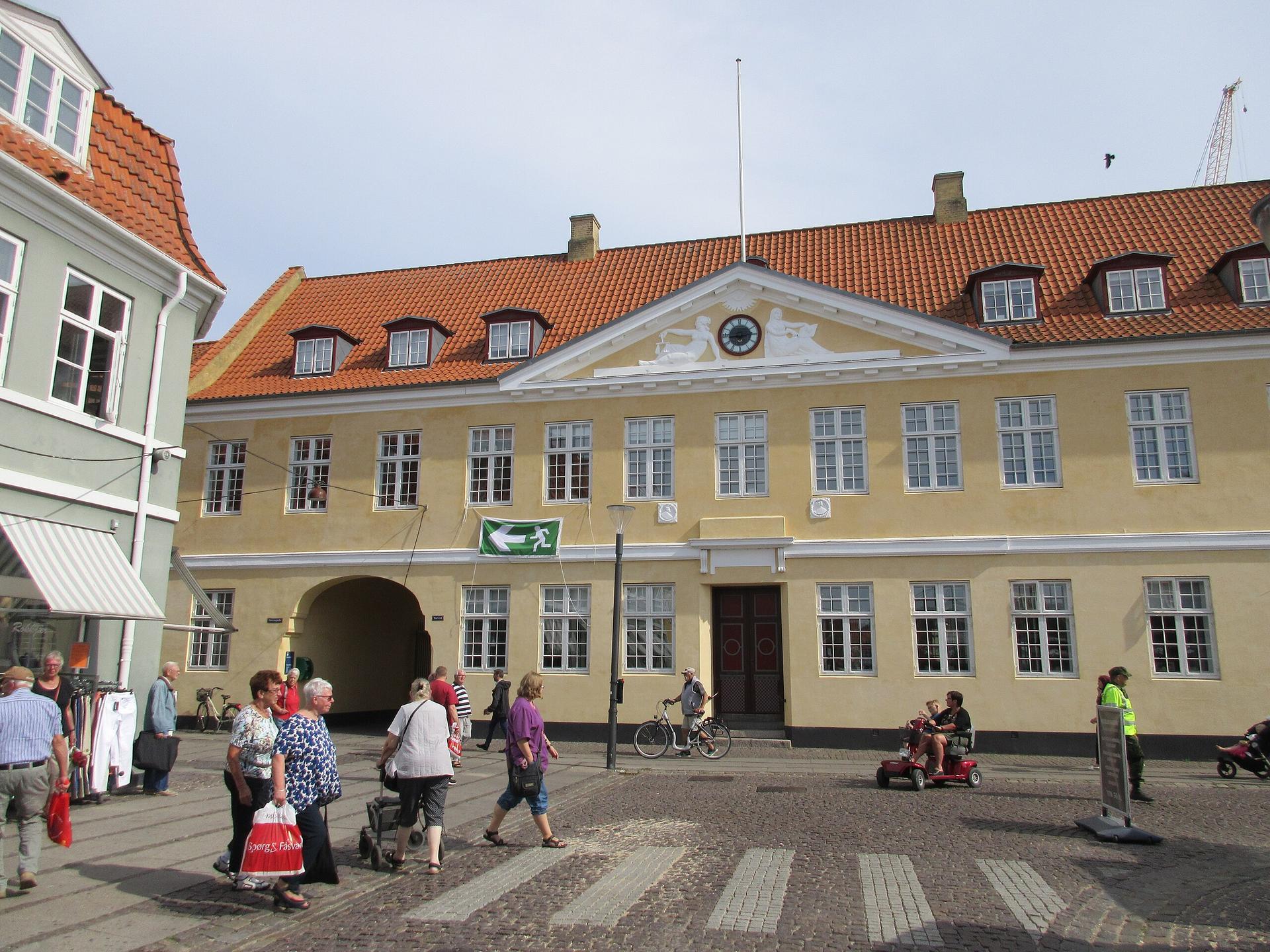
Looking beyond Culture Tower on Knippels Bridge? Discover Koge for broader travel guides, local hot-spots, and regional highlights.
Explore Koge
A narrow Christianshavn street where warehouses became homes, church bells echo over cobblestones, and Copenhagen’s maritime past meets everyday neighborhood life.
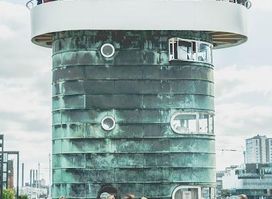
An intimate cultural hideaway inside an old copper bridge tower, offering harbor‑wide views, maritime character and small‑scale events above Copenhagen’s Knippelsbro.
