Køge Museum, Køge Travel Guide
Free Guide: Time‑travel through Køge’s past inside a 17th‑century merchant’s house where Viking treasures, buried secrets and a tranquil courtyard meet in one intimate museum.


A brief summary of Køge Museum
Time‑travel through Køge’s past inside a 17th‑century merchant’s house where Viking treasures, buried secrets and a tranquil courtyard meet in one intimate museum.
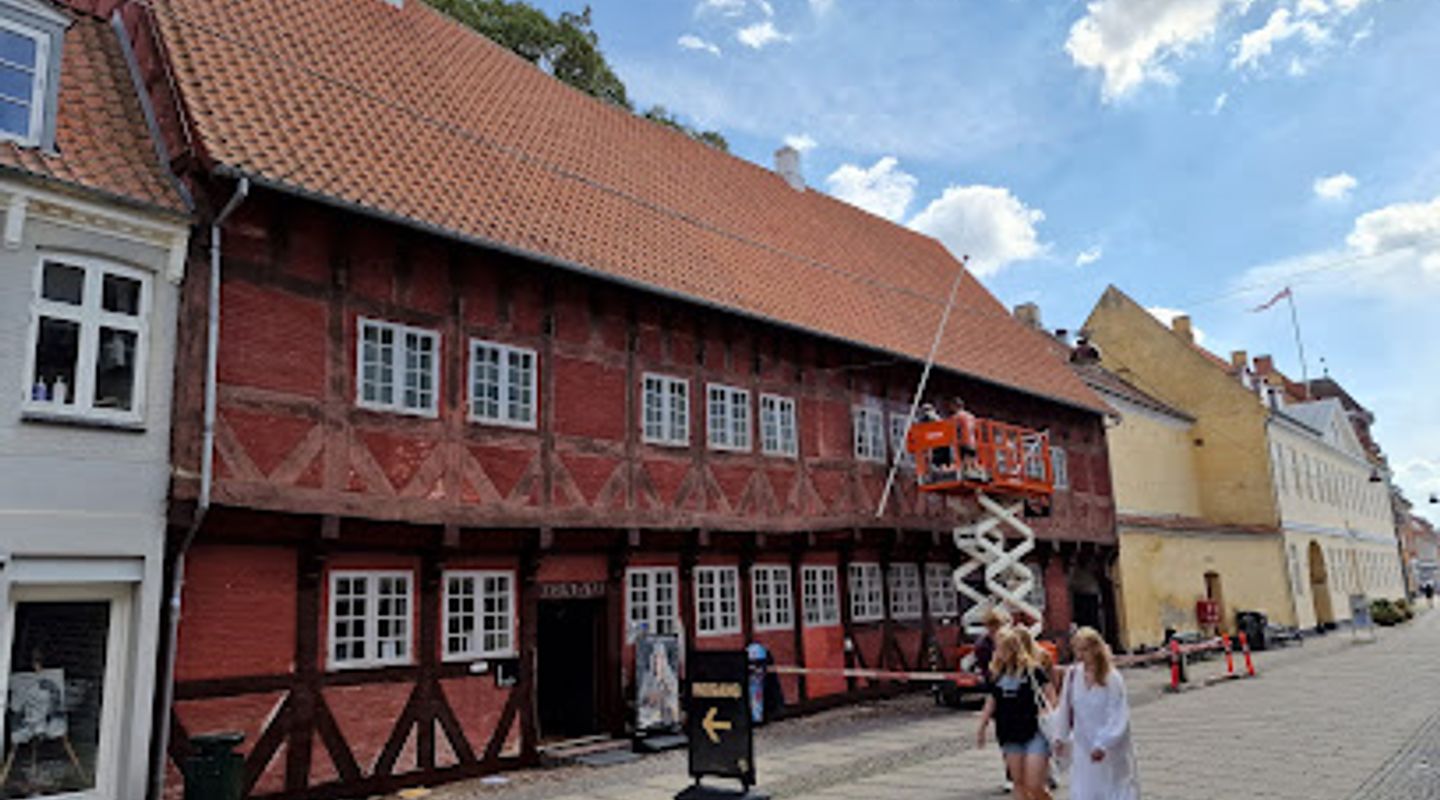
Set in a beautifully preserved 17th‑century half‑timbered merchant’s house in the heart of Køge, Køge Museum weaves together the town’s story from Stone Age hunter‑gatherers and the Viking Age to early modern trade. Inside the creaking timber frame, atmospheric exhibitions use modern, interactive storytelling and archaeological finds to bring local history vividly to life, from mysterious gold figurines and amulets to dramatic burials. A sheltered courtyard, cosy café and a playful ship‑themed playground make this compact museum as welcoming for families as it is rewarding for history enthusiasts.
On-site amenities
 Restrooms
 Drink options
 Food options
 Seating areas
 Sheltered areas
 Trash bins
 Information boards
Opening hours
- Mon10 am–4 pm
- Tue10 am–4 pm
- Wed10 am–4 pm
- Thu10 am–4 pm
- Fri10 am–4 pm
- Sat10 am–3 pm
- Sun10 am–3 pm
Opening hours as listed on the venue’s Google Business Profile. Hours can change for services and special events, so check with the venue before you go.
- Address
- Nørregade 4, 4600 Køge
- Phone
- Website
Getting there
Train
Car
Regional bus
Discover more about Køge Museum
A merchant’s house frozen in time
Køge Museum occupies an impressive half‑timbered merchant’s house dating from 1619, right in the historic centre of Køge. Stepping through the entrance, you move from the bustle of the old streets into a quieter world of crooked beams, low ceilings and uneven floors that tell their own story of centuries of trade and town life. The building itself is part of the exhibition; carefully preserved timber, painted panels and old construction techniques reveal how prosperous merchants lived and worked in this busy Baltic port town.As you move between floors and across the courtyard, you are constantly reminded that this was once a functioning commercial property. Narrow passageways, former storerooms and loft spaces have been adapted into galleries, creating a layered sense of time where 17th‑century architecture frames finds that reach back thousands of years.
From Stone Age shores to Viking strongholds
The museum’s core story follows the development of Køge and its surroundings from the earliest hunter‑gatherer communities along the coast to the emergence of a powerful Viking landscape. Exhibits trace daily life through stone tools, pottery fragments and bones that speak of subsistence, trade and changing beliefs. Carefully lit cases reveal tiny beads, worked flint and domestic objects that feel surprisingly familiar despite their age.A highlight is the focus on the Viking Age, where discoveries from nearby sites are presented with clear reconstructions and models. Here you encounter traces of chieftain’s estates, evidence of longhouses and the remains of bridges that reused earlier building materials. Together they sketch a picture of a region tied into wider Scandinavian networks, while remaining rooted in local fields, rivers and coastline.
Seeresses, gold and gods
One of the most memorable areas explores ritual, magic and power in the Viking world. Delicate gold figurines, perhaps offerings or symbols of deities, are shown alongside amulets and weapon fragments that hint at beliefs now only partially understood. The storytelling leans into this mystery, inviting you to imagine how these objects once felt to the people who wore, buried or displayed them.Themed displays centre on the figure of the seeress, the ritual specialist who mediated between worlds. Through objects, scenography and thoughtful interpretation, the museum reveals how burial customs, grave goods and the placement of buildings can all be read as clues to cosmology. It is an atmospheric space where archaeology and imagination meet, without losing sight of the evidence beneath the stories.
Unearthing everyday lives from the soil
Another strand of the museum’s narrative focuses on the forensic work of archaeology itself. Dirt, debris and discarded rubbish from excavations around Køge are presented as treasure troves of information. Swept‑up floor waste, chewed bones and shattered glass become windows into diets, trade links and habits, reminding you that the past survives in the smallest fragments.Interactive elements and clear graphics explain how archaeologists interpret postholes, soil layers and building remains to reconstruct vanished houses and streets. By the time you leave this section, it becomes easier to picture how the town grew, burned, rebuilt and slowly took on the shape you see outside the museum walls today.
Courtyard calm, café comforts and play
Beyond the exhibition rooms, the museum’s courtyard offers a welcome pause. Enclosed by historic walls and half‑timbered façades, it is a sheltered pocket of greenery where you can sit beneath climbing plants and listen to the muffled sounds of the town beyond. The small café serves drinks and light refreshments, extending the visit and giving you time to absorb what you have seen.Families are well catered for, with a ship‑themed playground inviting younger visitors to climb, balance and role‑play their own adventures while adults rest nearby. This blend of serious storytelling, intimate historic setting and relaxed outdoor space makes Køge Museum a natural anchor point for exploring the wider town, its market square and the streets of old merchants’ houses that radiate out from its door.
Evendo Review Centre
 Google
Guest reviews
Best time to go
Quietest: Jan, Feb & Nov · before 8am or from 6pm
Busy times are Evendo estimates for a typical year, to help you plan. Actual crowds vary with events, school holidays and the weather.
Explore Køge Museum on the map
A handpicked selection of must-see spots near Køge Museum, mapped for you.
Get your free copy of our complete guide to Køge Museum, delivered straight to you.
Everything on this page, from opening hours and how to get there to Eve’s tips and the best time to go, in one PDF you can read offline, print or share.
Already have an account? Sign in
Your Køge Museum guide is ready.
We'll send it to · Not you? Sign out

Getting your guide ready…
We are putting together a fresh copy of the Køge Museum guide. This can take up to a minute.
This can take a few moments. If your browser asks, choose Allow so the download can start. You'll find the guide in your Downloads folder.
Nothing happened? Download it again
Sorry, the guide is taking longer than usual. Please try again in a minute, or get it by email instead.
Other nearby places you may find interesting
The closest places of the same kind, if this one is not quite what you had in mind.
-
-
-
-
-


Swipe for more places
More to explore near Køge Museum

 Best experiences near Køge Museum
 Best hotels near Køge Museum
 Best landmarks near Køge Museum
 Best attractions near Køge Museum
 Best shops near Køge Museum
 Best restaurants near Køge Museum
 Best bars near Køge Museum
Do you manage this location?
Take control to get all the benefits, like improved information, better appearance, and stronger visibility across AI-powered discovery.
Explore more
Explore more of Køge
Explore Køge, Denmark's coastal gem, with its medieval charm, beautiful marina, and close proximity to the stunning Stevns Klint UNESCO World Heritage site.
Explore Køge
Explore more of Denmark
Discover Denmark: A perfect blend of history, modern design, and the cozy concept of hygge. Explore vibrant cities, serene landscapes, and world-class cuisine.
Explore Denmark