
St Alban's Church, Koge Travel Guide
An elegant English Gothic Revival church in a leafy Copenhagen park, uniting Danish setting and British heritage beside Kastellet and the Gefion Fountain.
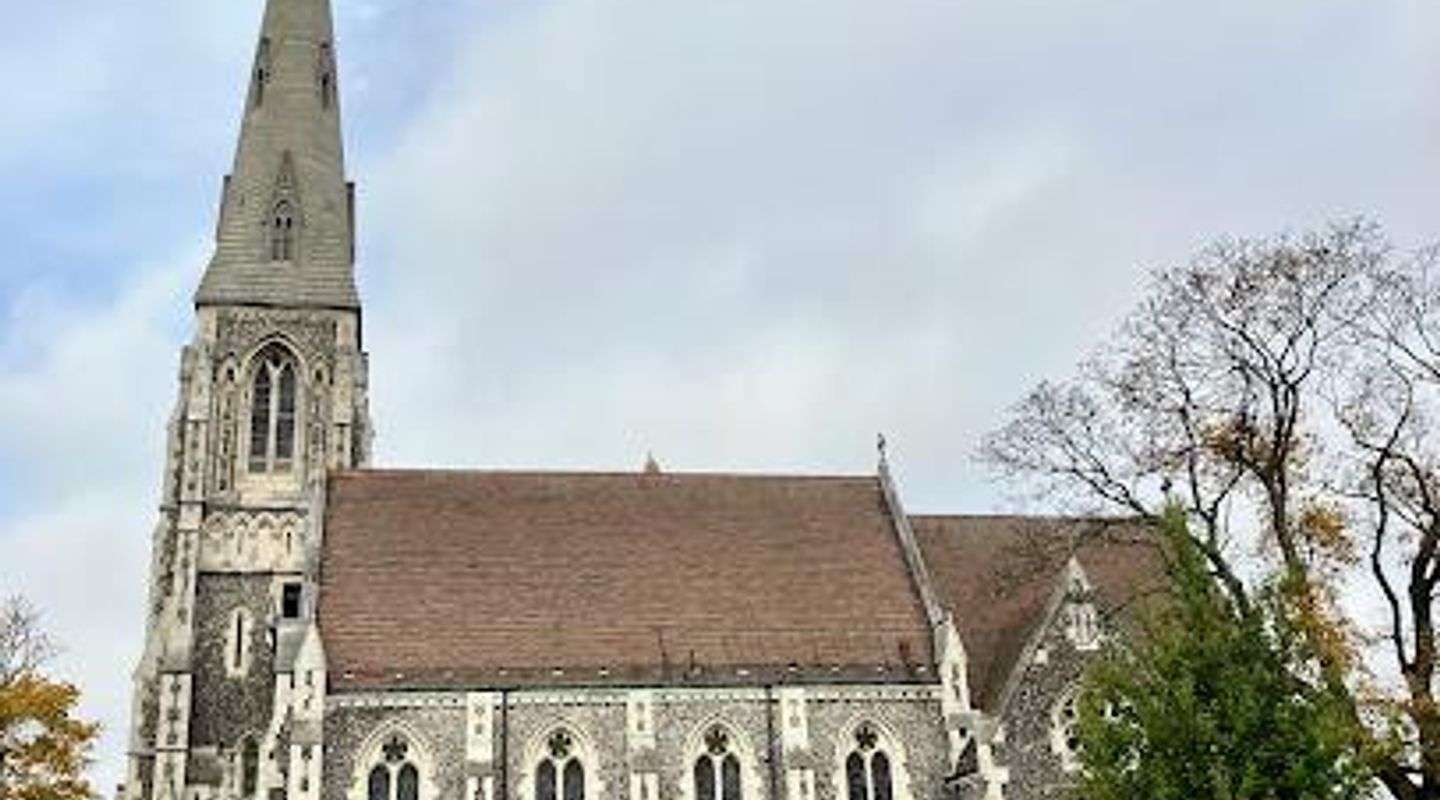
St Alban’s Church, often called the English Church, is a striking Gothic Revival landmark set in Churchillparken beside Copenhagen’s Kastellet and the Gefion Fountain. Built between 1885 and 1887 for the city’s growing Anglican congregation, it resembles a traditional English parish church, with flint and limestone walls, a soaring spire and richly detailed interior. Its tranquil park setting and strong Danish–British royal connections make it both a place of worship and a characterful stop on any city stroll.
A brief summary to St Alban's Church
- Churchillparken 11, Indre By, Indre By, 1263, DK
- Click to display
- Click to display
- Duration: 0.5 to 1.5 hours
- Free
-
 Mixed
Mixed
- Mobile reception: 5 out of 5
- Monday 10 am-1 pm
- Tuesday 10 am-1 pm
- Wednesday 10 am-1 pm
- Thursday 10 am-1 pm
- Friday 10 am-1 pm
- Saturday 10 am-1 pm
- Sunday 1 pm-4 pm

Know before you go
Hi, I'm Eve. Here are a few practical things to know before exploring St Alban's Church.
- Plan your visit during the church’s posted open hours to see the interior; times are limited to short daytime windows on most days.
- Walk the paths around the nearby moat and Gefion Fountain for the best profile views and reflections of the spire in the water.
- Keep voices low and avoid flash photography inside, as this is an active place of worship with regular services.
- Visit in the early morning or late afternoon for softer light on the flint and limestone, ideal for atmospheric photographs.
Do you manage this location?
Take control to get all the benefits, like improved information, better appearance, and stronger visibility across AI-powered discovery. Learn more about listing your business on Evendo
Activate your presenceOther nearby places you may find interesting
The closest places of the same kind, if this one is not quite what you had in mind.
Explore St Alban's Church on the Map
A handpicked selection of must-see spots near St Alban's Church, mapped for you.
Unlock the Best of St Alban's Church
Buy tickets
-
No tickets available
Book tours with entry


Getting There
-
Metro and short walk
From central Copenhagen, take the M3 or M4 metro line to Marmorkirken or Østerport; trains run every few minutes, and a single zone ticket costs roughly 20–25 DKK. From either station, expect a 10–15 minute walk on level pavements through the city centre and park areas. The route is generally step-free but can be busy around rush hours and in peak tourist season.
-
City bus connection
Several city bus lines serve the area near Churchillparken and Kastellet, with typical journey times of 10–25 minutes from the inner city depending on traffic. A standard bus ticket within the central zones is around 20–25 DKK and can be bought via ticket machines or travel apps. Buses run frequently during the day, less often late evenings, and stops may require crossing busy roads using signalised crossings.
-
Bicycle from city centre
Cycling from the main shopping streets or Rådhuspladsen to St Alban’s Church usually takes 10–20 minutes along Copenhagen’s dedicated bike lanes. You can use a rented city bike or standard rental, with typical daily rental costs from about 120–180 DKK. The terrain is flat, but be prepared for heavy bicycle traffic at junctions and follow local cycling rules, including lights after dark.
-
Taxi from central hotels
A taxi ride from major central hotels to Churchillparken generally takes 10–15 minutes outside peak congestion, longer in rush hour. Fares are usually in the range of 120–200 DKK depending on distance and traffic, with surcharges at night and on holidays. Taxis can drop passengers near the park entrances, but vehicles cannot drive directly onto the lawns around the church.
For the on-the-go comforts that matter to you
-
 Restrooms
-
 Seating Areas
-
 Trash Bins
-
 Information Boards
Discover more about St Alban's Church
An English parish silhouette in a Danish capital
St Alban’s Church stands like a slice of rural England placed gently into central Copenhagen. Its slender spire rises above Churchillparken, framed by leafy trees, the water of the Kastellet moat and the spray of the nearby Gefion Fountain. Designed by English architect Arthur Blomfield and consecrated in 1887, it was built to serve Copenhagen’s small but influential Anglican community at a time when the city was emerging as a major commercial hub.Seen from a distance, the church’s grey flint walls, pale limestone dressings and steeply pitched roof create a distinctly British profile against the Danish skyline. As you draw closer, the detailing becomes more apparent: buttresses step out from the nave walls, narrow lancet windows punctuate the elevations and the tower’s stonework catches the northern light, especially on clear days.Royal ties and a bridge between two nations
The story of St Alban’s is inseparable from the relationship between Denmark and Britain. When Princess Alexandra of Denmark married the future King Edward VII, she became the driving force behind the project to build a permanent Anglican church in Copenhagen. She helped raise funds and persuaded the authorities to grant this prestigious site on the edge of the old citadel.The consecration in 1887 became a display of dynastic diplomacy. Members of several European royal families attended, underlining the church’s role as both a house of worship and a symbolic link between two monarchies. To this day, memorial tablets and heraldic motifs inside the church quietly recall these royal connections and the long history of British seafarers, merchants and diplomats who passed through the city.Gothic Revival details and crafted interiors
Architecturally, St Alban’s is a textbook example of late Victorian Gothic Revival in the so‑called Early English or Lancet style. Outside, bands of knapped flint contrasted with pale stone give the walls a textured, almost mosaic appearance. The granite tower base anchors the building firmly to its site, while the spire lifts the eye upwards from almost anywhere in the surrounding park.Inside, the space narrows and focuses towards the chancel, where stained-glass windows filter northern light into rich blues, reds and golds. Carved stone and tile work frame the altar, and the font and pulpit display intricate reliefs typical of high Victorian ecclesiastical design. Timber roof trusses overhead add warmth, making the nave feel intimate despite the vertical emphasis of the architecture.A quiet refuge amid Copenhagen’s grand set pieces
Although St Alban’s sits within easy reach of some of Copenhagen’s most photographed sights, its immediate atmosphere is surprisingly calm. The lawns of Churchillparken spread out around it, with benches that invite you to pause and take in the view across the moat towards the earth ramparts of Kastellet. The gentle hum of traffic fades behind the rustle of trees and the distant sound of water.The church is usually open for quiet contemplation during limited daytime hours, and the simple act of stepping through the south porch can feel like crossing a subtle threshold between city bustle and reflective stillness. Even a short visit lets you appreciate how carefully the building has been oriented and composed to create a sense of peace without feeling cut off from the life of the city.Experiencing the church today
Today St Alban’s continues as an active Anglican chaplaincy while also welcoming visitors interested in architecture, history or a moment of calm. You can wander the exterior path for different vantage points, watching how the spire lines up with the moat, the park trees and the distant harbour cranes. Photographers are drawn to the way the church reflects in the water, especially in the soft light of morning or late afternoon.Inside, you may find the space prepared for worship with candles, vestments and hymn books, a reminder that this is not only a historic monument but a living parish. Respectful silence is appreciated, yet you are free to linger over the stained glass and stone carving, tracing in them the intertwined stories of British craftsmanship and Danish setting. When you step back out into the park, the church’s flint and stone profile remains a distinctive reference point as you continue exploring the city’s waterfront.












Your all‑in‑one travel companion app
Explore expert travel guides, compare and book tours, experiences, hotels, and more—all from the palm of your hand. Download now for seamless trip planning wherever your wanderlust takes you.


Explore More of Koge
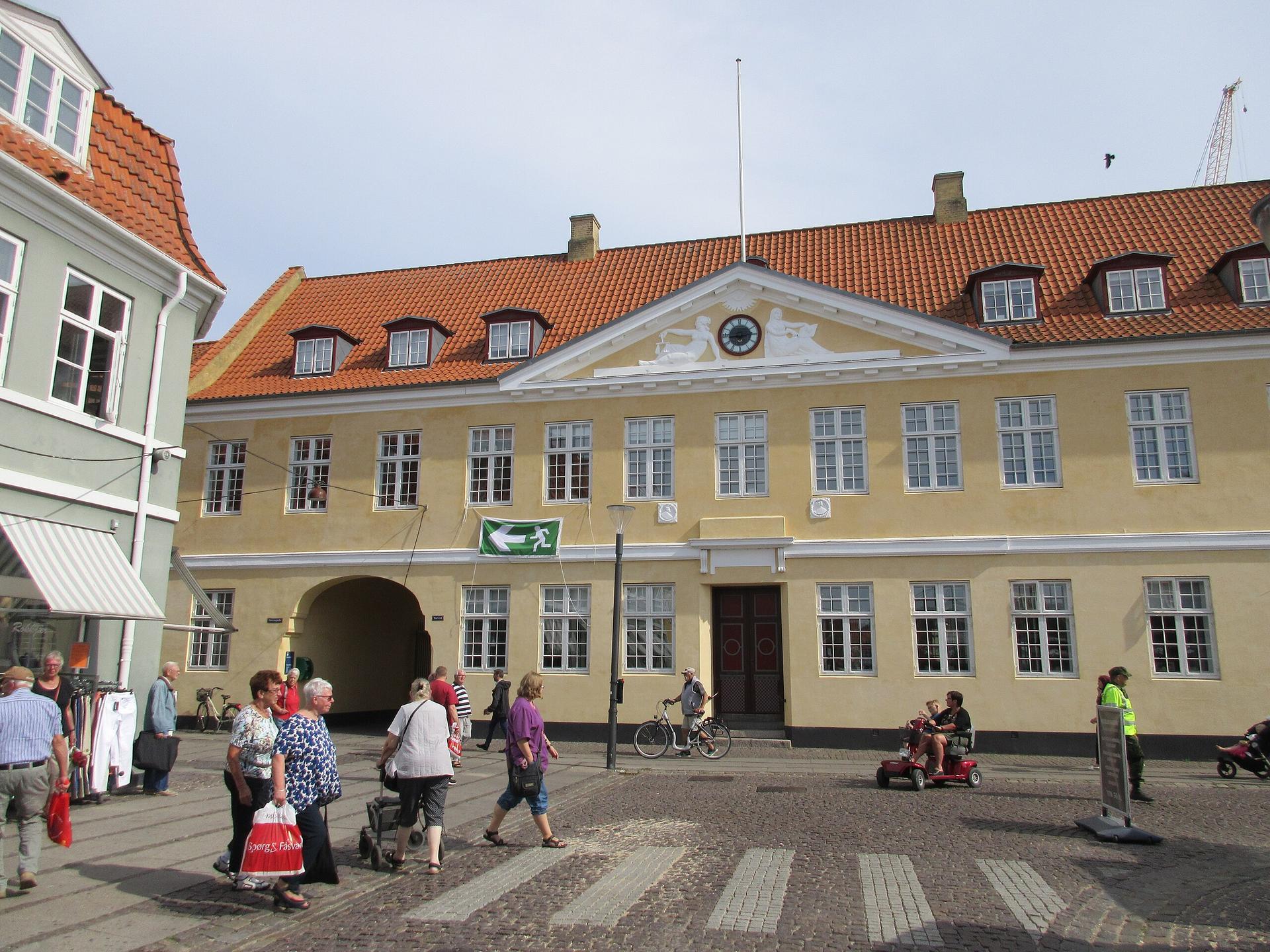
Looking beyond St Alban's Church? Discover Koge for broader travel guides, local hot-spots, and regional highlights.
Explore Koge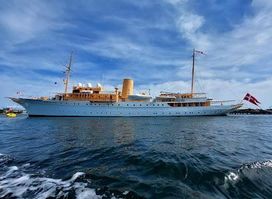
A graceful 1930s royal yacht moored in Copenhagen’s harbour, Kongeskibet Dannebrog is a floating palace and naval vessel that quietly showcases Denmark’s maritime monarchy.

Go underground beside Copenhagen’s Citadel to follow five real lives through occupation, resistance and collaboration in a gripping World War II museum.
