
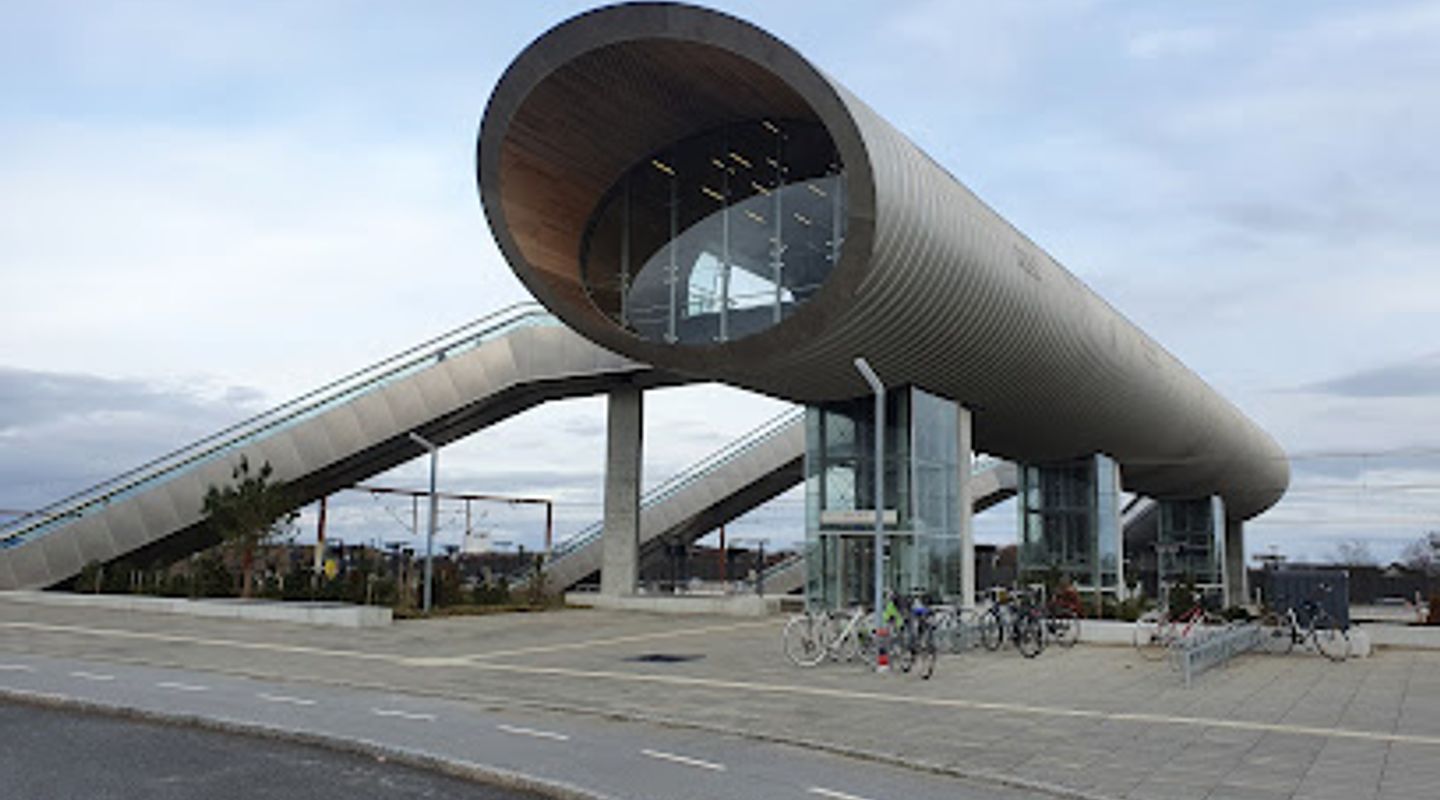
Køge Nord, Koge Travel Guide
A soaring timber‑lined footbridge and high‑speed rail hub turning everyday commuting into a slice of contemporary Danish architecture and panoramic landscape.
Køge Nord is far more than a commuter hub: it is a striking piece of contemporary Danish architecture where high‑speed rail, regional trains and the Copenhagen S‑train meet on the northern edge of Køge. Opened in 2019, the station is defined by its 225 m enclosed footbridge, a sinuous steel form that spans both tracks and motorway, lined inside with warm wooden slats and generous windows. It has quickly become a landmark for green mobility, park‑and‑ride travel and design‑minded photography just outside Copenhagen.
A brief summary to Køge Nord
- Nordstjernen 3, Køge, 4600, DK
- Duration: 0.5 to 2 hours
- Free
-
 Mixed
Mixed
- Mobile reception: 5 out of 5

Know before you go
Hi, I'm Eve. Here are a few practical things to know before exploring Køge Nord.
- Plan a few extra minutes between trains to walk the full length of the enclosed bridge and enjoy the changing views over tracks, motorway and open landscape.
- Visit around sunrise or sunset for the most atmospheric light inside the timber‑lined corridor and the best conditions for photography.
- If you are using the park‑and‑ride, allow a little buffer time on weekday mornings and late afternoons when parking areas can be busy with commuters.
- Lifts and wide ramps make the station generally accessible, but in bad weather interior areas of the bridge can still be crowded, so keep luggage compact.
- Check train types carefully on departure boards: intercity, regional and S‑trains all serve the station and use different platforms and stopping patterns.
Do you manage this location?
Take control to get all the benefits, like improved information, better appearance, and stronger visibility across AI-powered discovery. Learn more about listing your business on Evendo
Activate your presenceOther nearby places you may find interesting
The closest places of the same kind, if this one is not quite what you had in mind.
Explore Køge Nord on the Map
A handpicked selection of must-see spots near Køge Nord, mapped for you.
Getting There
-
Regional train from Copenhagen
From Copenhagen Central Station, take an intercity or regional train towards Ringsted or Næstved that stops at Køge Nord. Journey times are typically 20–25 minutes, with at least two departures per hour during the day. Standard second‑class tickets usually cost around 70–110 DKK one way, depending on train type and discount products. Trains are frequent but can be busy in peak commuter hours.
-
S‑train from central Copenhagen
You can also reach Køge Nord by taking the S‑train line that serves Køge Nord on the extended Køge Bay corridor. Travel from central Copenhagen S‑train stations takes roughly 35–45 minutes, with regular departures throughout the day. Fares follow the zonal system, so expect to pay in the range of 40–60 DKK one way depending on your starting zone and ticket type. S‑trains offer level boarding and are generally accessible for wheelchairs and strollers.
-
Park‑and‑ride by car from Zealand
Drivers from elsewhere on Zealand can use the large park‑and‑ride facilities around the station, accessed via the Køge Bugt motorway. Travel times vary widely, but from southern Copenhagen suburbs the drive is often 20–30 minutes in light traffic and longer at rush hour. Parking has been designed to be free at the time of writing, but check current conditions locally as capacity is in high demand and can be tight on weekday mornings.
-
Local connection from Køge town
From central Køge, you can connect to Køge Nord by short regional or S‑train hops, typically taking 5–10 minutes of travel time with modest waiting periods. Ticket prices fall within the local zone range, usually around 20–35 DKK one way. Trains run frequently, but late evening services are less regular, so check departure times if you plan to return after dark.
For the on-the-go comforts that matter to you
-
 Restrooms
-
 Drink Options
-
 Food Options
-
 Seating Areas
-
 Sheltered Areas
-
 Trash Bins
-
 Information Boards
Discover more about Køge Nord
A sculptural gateway to Greater Copenhagen
Køge Nord Station rises above the flat landscape north of Køge as a sleek, elongated volume suspended over railway tracks and the Køge Bugt motorway. Opened in 2019 as part of the Copenhagen–Ringsted high‑speed line, it functions as an intercity, regional and S‑train interchange, dramatically improving rail connections between Copenhagen, Køge and the rest of Zealand.From ground level the dominant impression is the 225‑meter enclosed bridge, a gleaming, gently curving "steel snake" that visually ties together the rail lines and the surrounding park‑and‑ride areas. Set slightly apart from the town itself, the station feels like a contemporary city gate, announcing your arrival in the Copenhagen metropolitan area.Inside the warm wooden tunnel of light
Step inside the bridge and the character changes from infrastructural to almost lounge‑like. The interior is clad in narrow wooden slats that soften acoustics and add a tactile, Scandinavian warmth. Long bands of glazing open towards the north, flooding the walkway with daylight and framing views across fields, warehouses and the highway below.On the south side, smaller openings puncture the timber lining, creating an alternating rhythm of light and shadow as you move along the gently sloping floor. Small bays and widened sections offer places to pause, check departure boards or simply lean on the railing and watch the flow of trains and traffic threading through the landscape beneath your feet.Panoramic views over rails, road and region
One of Køge Nord’s quiet highlights is its unexpected panorama. From the center of the bridge you can trace the lines of the high‑speed tracks stretching towards Ringsted and Copenhagen, while the constant movement on the motorway adds another layer of motion. In clear weather the horizon feels wide and open, giving a strong sense of Greater Copenhagen’s geography and ongoing development.Photographers and architecture enthusiasts find plenty of visual drama: diagonals of track, the curve of the bridge, reflections in the glass and brushed metal, and the contrast between the cool exterior shell and the glowing timber core. At sunrise and sunset, light washes through the slatted interior, turning the long corridor into a golden tunnel suspended in mid‑air.A hub for park‑and‑ride and greener commuting
Beyond its sculptural qualities, Køge Nord is conceived as a major hub for green mobility. Large car parks encircle the station, allowing drivers from Zealand to leave their cars and switch to fast electric trains into Copenhagen in around twenty minutes. This park‑and‑ride concept is central to regional climate ambitions and has led to ongoing expansion of parking capacity as demand grows.The station’s layout is designed to keep flows intuitive: clear sightlines from parking areas to platforms, generous stairs and lifts up to the bridge, and sheltered waiting zones along the platforms. Everything focuses on making the change between car, local train and long‑distance services as smooth as possible, reducing stress at the start and end of each journey.Everyday infrastructure as contemporary landmark
Køge Nord was designed by Danish architecture offices COBE and DISSING+WEITLING with the explicit ambition to turn an ordinary commute into a better spatial experience. The project demonstrates how a transport node can double as a piece of civic architecture, branding an area in the same way as a museum or cultural center.As the surrounding business districts and residential areas continue to grow, the station acts as a catalyst, anchoring new development around high‑quality public transport. For travelers, it offers a brief but memorable encounter with contemporary Danish design: a place where you might only spend a few minutes each day, but where materials, light and views quietly lift the routine of getting from A to B.












Your all‑in‑one travel companion app
Explore expert travel guides, compare and book tours, experiences, hotels, and more—all from the palm of your hand. Download now for seamless trip planning wherever your wanderlust takes you.


Explore More of Koge
Looking beyond Køge Nord? Discover Koge for broader travel guides, local hot-spots, and regional highlights.
Explore Koge
Stroll through Frederiksberg Gardens, a lush, historic oasis featuring royal palace views, romantic lakes, and enchanting hidden corners in the heart of Frederiksberg.

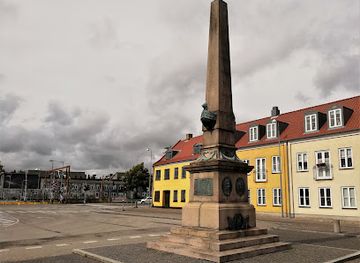
A modest memorial stone in central Køge marking the 1807 “Clogs Battle,” where local militia faced British troops during the turbulent Gunboat War.
