Anne Marie Carl Nielsen, Kolding Travel Guide
Free Guide: Intimate bronze tribute to Denmark’s trailblazing female sculptor, quietly anchoring Kolding’s central square amid markets, daily life and shifting Jutland light.


A brief summary of Anne Marie Carl Nielsen
Intimate bronze tribute to Denmark’s trailblazing female sculptor, quietly anchoring Kolding’s central square amid markets, daily life and shifting Jutland light.
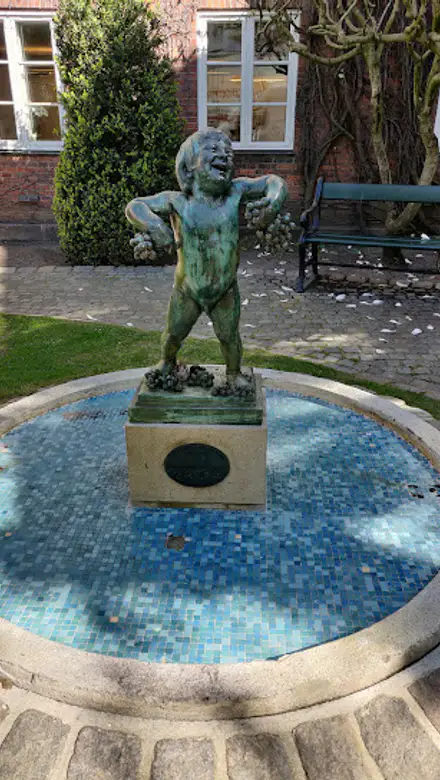
Set on Kolding’s central square Akseltorv, the Anne Marie Carl-Nielsen statue pays tribute to Denmark’s most important female sculptor and one of the city’s most remarkable daughters. This outdoor monument combines graceful bronze work with a modern sense of movement, echoing Carl-Nielsen’s fascination with living forms and Nordic stories. Surrounded by shops, cafés and Kolding’s daily rhythm, it is an easy, atmospheric stop that adds a thoughtful cultural pause to any stroll through the historic centre.
On-site amenities
 Restrooms
 Drink options
 Drinking water
 Food options
 Seating areas
 Sheltered areas
 Trash bins
 Information boards
Opening hours
- Every dayOpen 24 hours
Opening hours as listed on the venue’s Google Business Profile. Hours can change for services and special events, so check with the venue before you go.
- Address
- Akseltorv 1, 6000 Kolding
Getting there
Train and walk from Kolding Station
Local bus to Kolding city centre
Car or rental car to central Kolding
Cycling within Kolding
Discover more about Anne Marie Carl Nielsen
A sculpted salute to a pioneering artist
Standing on busy Akseltorv, this statue honours Anne Marie Carl-Nielsen, the Kolding-born sculptor who reshaped expectations of what a woman artist could do in Denmark. Born on a nearby farm in 1863, she began by modelling the animals around her in clay, gradually building a career that would take her to Paris, Florence and Athens. Here in her home city, the monument gathers those threads into a single, quiet tribute, placing her firmly back into the landscape that shaped her.The statue’s presence is modest in scale but rich in symbolism. Rather than a grand, elevated figure towering over the square, it meets you at eye level, inviting a more personal encounter. The form reflects Carl-Nielsen’s own love of movement and naturalism: surfaces curve and flow, hinting at the muscles and gestures she studied so closely in animals and people. It feels like a fragment of her studio transplanted into the heart of Kolding.
Life in bronze: movement, myths and everyday beings
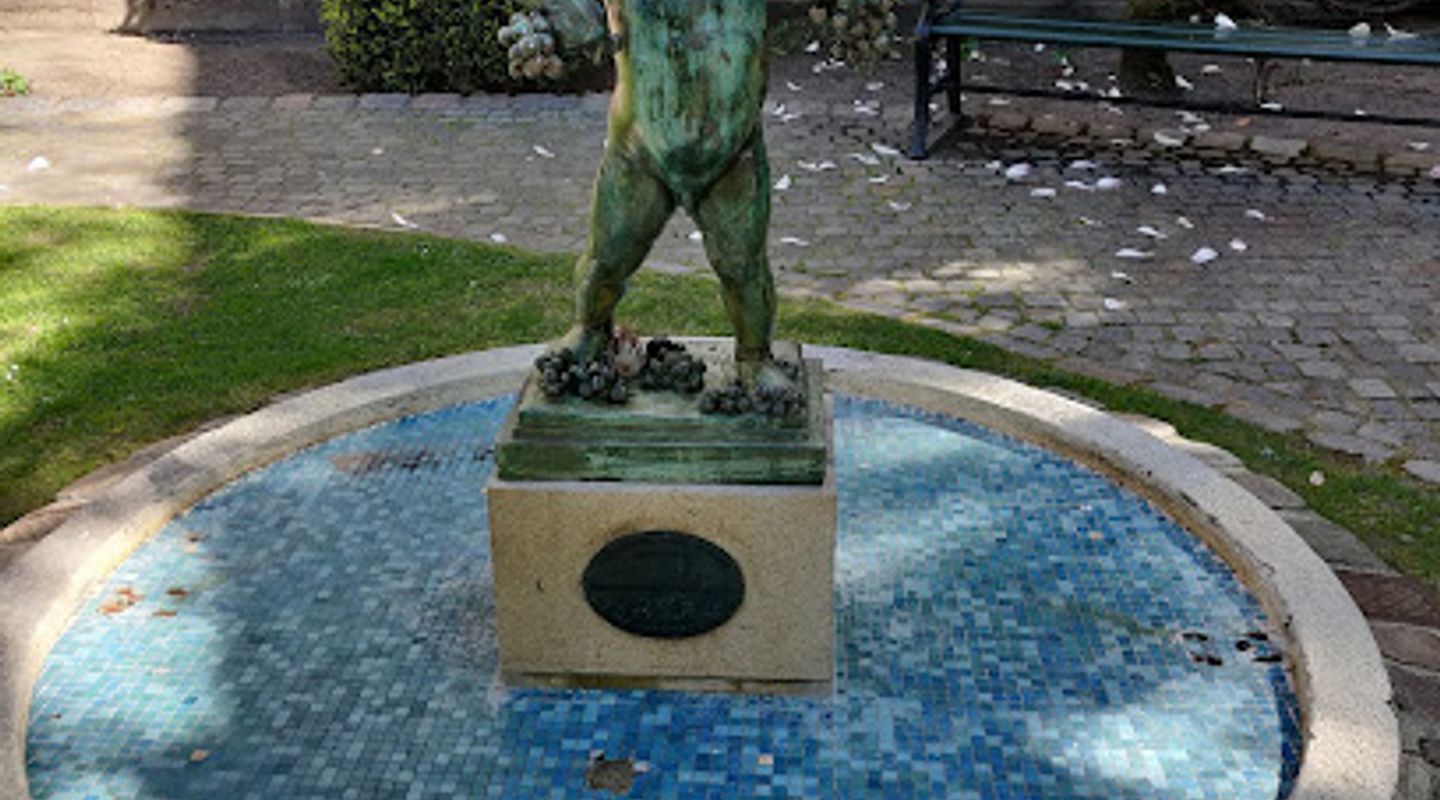
Anne Marie Carl-Nielsen became renowned for sculptures that seemed almost alive, from playful calves to powerful horses and mythological figures mid-stride. She was fascinated by the instant when movement and emotion meet: a hoof lifted, a torso twisting, a face caught between thought and decision. The statue on Akseltorv nods to that approach, catching its subject in a poised, dynamic moment rather than a stiff, ceremonial pose.Details reward unhurried looking. The folds of clothing, the tilt of the head, the balance of weight over the base all echo the lessons she learned from years of studying animal anatomy and classical sculpture. Even if you do not know her wider work, you can sense the same curiosity about how bodies inhabit space. It is a monument that asks you to walk around it, watch how light changes its planes, and feel how it anchors the open square.
Kolding roots and a wider cultural legacy
Though Carl-Nielsen eventually settled in Copenhagen and worked across Europe, she always carried her South Jutland roots with her. The agricultural landscapes around Kolding supplied her early models; later, her understanding of living, working bodies would feed into major commissions such as the bronze doors of Ribe Cathedral and the equestrian statue of King Christian IX at Christiansborg’s riding ground. No woman before her had been entrusted with such tasks, and she helped open doors for future generations of artists.The statue at Akseltorv subtly compresses that legacy into a single point. It is less about listing achievements than about placing her back among the people of Kolding, in a square where markets, demonstrations and celebrations unfold. In that setting she becomes not just a celebrated name from art history, but a local figure whose story continues to resonate with questions of ambition, equality and artistic courage.
Experiencing the square around the statue
Part of the appeal here is the immediate environment. Akseltorv is Kolding’s social crossroads: a broad, open space framed by historic facades, modern shopfronts and occasional market stalls. The statue forms a quiet focal point amid the movement of cyclists, shoppers and children weaving through the square. Benches and low walls offer places to pause, watch the life of the city and let the sculpture settle into view.Changes in weather transform the mood. On bright days, shadows sharpen the contours and the bronze warms to a soft glow; in rain, the surface darkens and reflections ripple across nearby paving stones. Evening light from surrounding windows picks out unexpected highlights. Because the statue is accessible at all hours, you can choose your own moment: a quick glance during errands, or a longer, more contemplative stop when the square falls almost silent.
A free, open-air encounter with Danish art history
There is no ticket booth or barrier here; the monument is woven directly into the everyday city. That openness suits its subject. Carl-Nielsen was committed to public art and to the idea that sculpture belonged not only in grand institutions but in streets, squares and working spaces. Spending time at her statue offers a small but telling glimpse into that philosophy.For travellers tracing Danish culture, the work on Akseltorv can be a starting point. It connects south Jutland farmland with Copenhagen palaces, local childhood with international recognition, individual determination with broader shifts in women’s rights within the arts. Even a brief visit can leave you with a clearer sense of how one sculptor from Kolding helped shape the visual language of modern Denmark—and why her hometown chooses to remember her here, in the open air, among everyday lives.
Evendo Review Centre
 Google
Guest reviews
Best time to go
Quietest: Jan, Feb & Mar · before 7am or from 11pm
Busy times are Evendo estimates for a typical year, to help you plan. Actual crowds vary with events, school holidays and the weather.
Explore Anne Marie Carl Nielsen on the map
A handpicked selection of must-see spots near Anne Marie Carl Nielsen, mapped for you.
Get your free copy of our complete guide to Anne Marie Carl Nielsen, delivered straight to you.
Everything on this page, from opening hours and how to get there to Eve’s tips and the best time to go, in one PDF you can read offline, print or share.
Already have an account? Sign in
Your Anne Marie Carl Nielsen guide is ready.
We'll send it to · Not you? Sign out

Getting your guide ready…
We are putting together a fresh copy of the Anne Marie Carl Nielsen guide. This can take up to a minute.
This can take a few moments. If your browser asks, choose Allow so the download can start. You'll find the guide in your Downloads folder.
Nothing happened? Download it again
Sorry, the guide is taking longer than usual. Please try again in a minute, or get it by email instead.
Other nearby places you may find interesting
The closest places of the same kind, if this one is not quite what you had in mind.
-
Koldinghus A 750‑year‑old royal fortress reborn as an award‑winning museum, where raw brick ruins, modern timber and sweeping tower views tell the story of Denmark in one castle.
-
Geografisk Have Botanical world map, miniature historic Kolding and gentle animal encounters combine in this spacious garden-park, Kolding’s signature green escape for all ages.
-
Trapholt Museum for Modern Art and Design Architect‑designed hillside museum above Kolding Fjord, where modern art, experimental craft and iconic Danish design meet sculpture park strolls and a unique Arne Jacobsen house.
-
Fonden Harteværket A historic hydropower plant turned playful experience centre, where Kolding’s industrial past meets hands-on water experiments and tranquil river landscapes.
-
Stable Yard Historic whitewashed stables turned city museum, where royal horses, design heritage and Denmark’s only preserved Gestapo cell share one atmospheric courtyard.
Swipe for more places
More to explore near Anne Marie Carl Nielsen
-
 Best experiences near Anne Marie Carl Nielsen
-
 Best hotels near Anne Marie Carl Nielsen
-
 Best landmarks near Anne Marie Carl Nielsen
-
 Best attractions near Anne Marie Carl Nielsen
-
 Best shops near Anne Marie Carl Nielsen
-
 Best restaurants near Anne Marie Carl Nielsen
-
 Best bars near Anne Marie Carl Nielsen







Do you manage this location?
Take control to get all the benefits, like improved information, better appearance, and stronger visibility across AI-powered discovery.
Explore more

Explore more of Kolding
Discover Kolding, Denmark's blend of historical charm, natural beauty, and vibrant art scene, making it a must-visit destination for travelers seeking a unique experience.
Explore Kolding
Explore more of Denmark
Discover Denmark: A perfect blend of history, modern design, and the cozy concept of hygge. Explore vibrant cities, serene landscapes, and world-class cuisine.
Explore Denmark