

The Spanish stairs, Kolding Travel Guide
Free Guide: A broad, tile-clad staircase with Lin Utzon’s art, the Spanish Stairs link Kolding’s old streets to its castle hill in a gently Mediterranean-feeling urban pause.


A brief summary of The Spanish stairs
A broad, tile-clad staircase with Lin Utzon’s art, the Spanish Stairs link Kolding’s old streets to its castle hill in a gently Mediterranean-feeling urban pause.
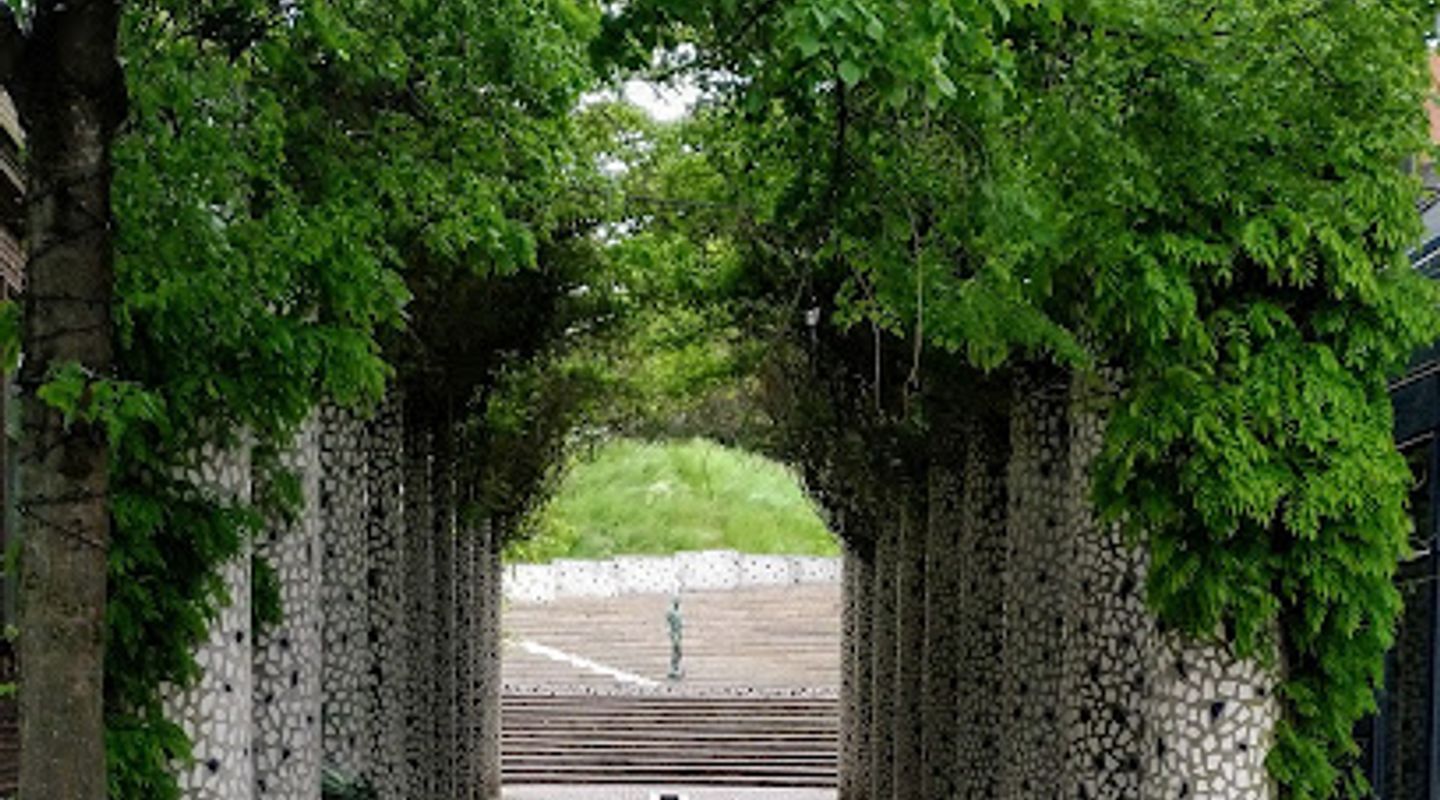
Tucked into the historic heart of Kolding, the Spanish Stairs are a broad, sculptural staircase rising between the old town streets and the hill crowned by Koldinghus Castle. Clad in warm-toned tiles and accented with a striking abstract decoration by artist Lin Utzon, the stairs lend a distinctly southern flair to this Danish city. They are at once a practical passage, an outdoor gallery, and a quiet urban lookout where you can pause, sit on the steps, and watch Kolding life unfold below.
On-site amenities
 Restrooms
 Drink options
 Food options
 Seating areas
 Trash bins
 Information boards
Opening hours
- Every dayOpen 24 hours
Opening hours as listed on the venue’s Google Business Profile. Hours can change for services and special events, so check with the venue before you go.
- Address
- Slotsstræde, 6000 Kolding
- Website
Getting there
Train and walking from Kolding Station
City bus to Kolding center and short walk
Car access and parking in central Kolding
Discover more about The Spanish stairs
A southern touch in the streets of Kolding
The Spanish Stairs sit on the slope between Slotsstræde and the hill that leads toward Koldinghus, forming a generous cascade of steps that look more like a terrace than a simple staircase. Their broad treads, low risers, and warm-toned surface give the space a relaxed, almost Mediterranean character that stands out amid the traditional Danish streets. People drift up and down at an easy pace, often stopping on the wider landings for a quick rest or a photo.Instead of being tucked away, the staircase opens like a funnel to the surrounding streets, drawing the eye and inviting you to climb. The steps form an informal amphitheatre, creating a natural spot to linger, chat or simply watch bicycles and pedestrians weave through Kolding’s compact center below.
From practical shortcut to urban landmark
A staircase has existed on this slope for decades, but it was in the 1970s that a new surface and layout transformed it from a simple passage into a feature with personality. Locals quickly began calling it the Spanish Stairs, a nod to its warm materials and terrace-like shape reminiscent of southern European cities. What began as functional infrastructure has slowly turned into one of Kolding’s most recognizable urban details.Over time, the stairs have become part of the everyday rhythm of the city. Students, office workers, and shoppers use them as a direct link between the commercial streets and the castle hill, while residents treat the broad steps almost like shared seating. In summer, when the light lingers late into the evening, the staircase often feels like an outdoor living room.
Lin Utzon’s art in the open air
In the mid-1990s, the staircase gained a new layer of identity when Danish artist Lin Utzon added an abstract decoration. Her work introduces flowing, organic motifs to the hard geometry of the concrete and tiles, playing with curves and contrasts as you move up or down. The piece catches light and shadow differently throughout the day, so repeated visits reveal fresh details each time.The decoration is integrated into the structure rather than hung on it, making the entire staircase feel like a single, unified artwork. This fusion of design and utility reflects Kolding’s reputation as a design-conscious city and aligns the stairs with nearby cultural sites that celebrate architecture and applied arts.
Everyday views and small-city atmosphere
Climbing the Spanish Stairs offers changing glimpses of Kolding at each landing. Look back and you see rooftops, shopfronts, and narrow streets spreading out behind you; look upward and the green slope and silhouette of Koldinghus begin to dominate your view. It is a gentle ascent, suitable for most visitors, and benches or broad steps provide easy places to pause.The atmosphere shifts with the seasons. On a clear summer day, the warm surfaces and blue sky heighten the “Spanish” feel, while in autumn the surrounding trees add rich color. Even in winter, the staircase remains a concise vantage point to appreciate the compact, walkable scale of the city center.
A small stop on a larger city walk
The Spanish Stairs rarely serve as a standalone destination; instead, they are a rewarding pause on a wider wander through Kolding’s core. You can combine them with the historic castle above, the commercial streets below, or the waterfront further away, using the staircase as a vertical hinge between these different layers of the city.Because the stairs are open at all hours and free to access, they fit easily into any schedule. Whether you spend just a few minutes taking photos and catching your breath, or sit longer to absorb the interplay of design, light, and daily life, this compact urban landmark adds texture and character to a visit to Kolding.
Evendo Review Centre
 Google
Guest reviews
Best time to go
Quietest: Jan, Feb & Mar · before 6am or from 10pm
Busy times are Evendo estimates for a typical year, to help you plan. Actual crowds vary with events, school holidays and the weather.
Explore The Spanish stairs on the map
A handpicked selection of must-see spots near The Spanish stairs, mapped for you.
Get your free copy of our complete guide to The Spanish stairs, delivered straight to you.
Everything on this page, from opening hours and how to get there to Eve’s tips and the best time to go, in one PDF you can read offline, print or share.
Already have an account? Sign in
Your The Spanish stairs guide is ready.
We'll send it to · Not you? Sign out

Getting your guide ready…
We are putting together a fresh copy of the The Spanish stairs guide. This can take up to a minute.
This can take a few moments. If your browser asks, choose Allow so the download can start. You'll find the guide in your Downloads folder.
Nothing happened? Download it again
Sorry, the guide is taking longer than usual. Please try again in a minute, or get it by email instead.
Other nearby places you may find interesting
The closest places of the same kind, if this one is not quite what you had in mind.
-
-
-
-
-


Swipe for more places
More to explore near The Spanish stairs

 Best experiences near The Spanish stairs
 Best hotels near The Spanish stairs
 Best landmarks near The Spanish stairs
 Best attractions near The Spanish stairs
 Best shops near The Spanish stairs
 Best restaurants near The Spanish stairs
 Best bars near The Spanish stairs
Do you manage this location?
Take control to get all the benefits, like improved information, better appearance, and stronger visibility across AI-powered discovery.
Explore more

Explore more of Kolding
Discover Kolding, Denmark's blend of historical charm, natural beauty, and vibrant art scene, making it a must-visit destination for travelers seeking a unique experience.
Explore Kolding
Explore more of Denmark
Discover Denmark: A perfect blend of history, modern design, and the cozy concept of hygge. Explore vibrant cities, serene landscapes, and world-class cuisine.
Explore Denmark
