

Danmarks Museum for Lystsejlads Travel Guide
Free Guide: Atmospheric harbour-side museum on Frederiksø that brings 150 years of Danish leisure sailing, classic wooden boats and yacht culture vividly to life.


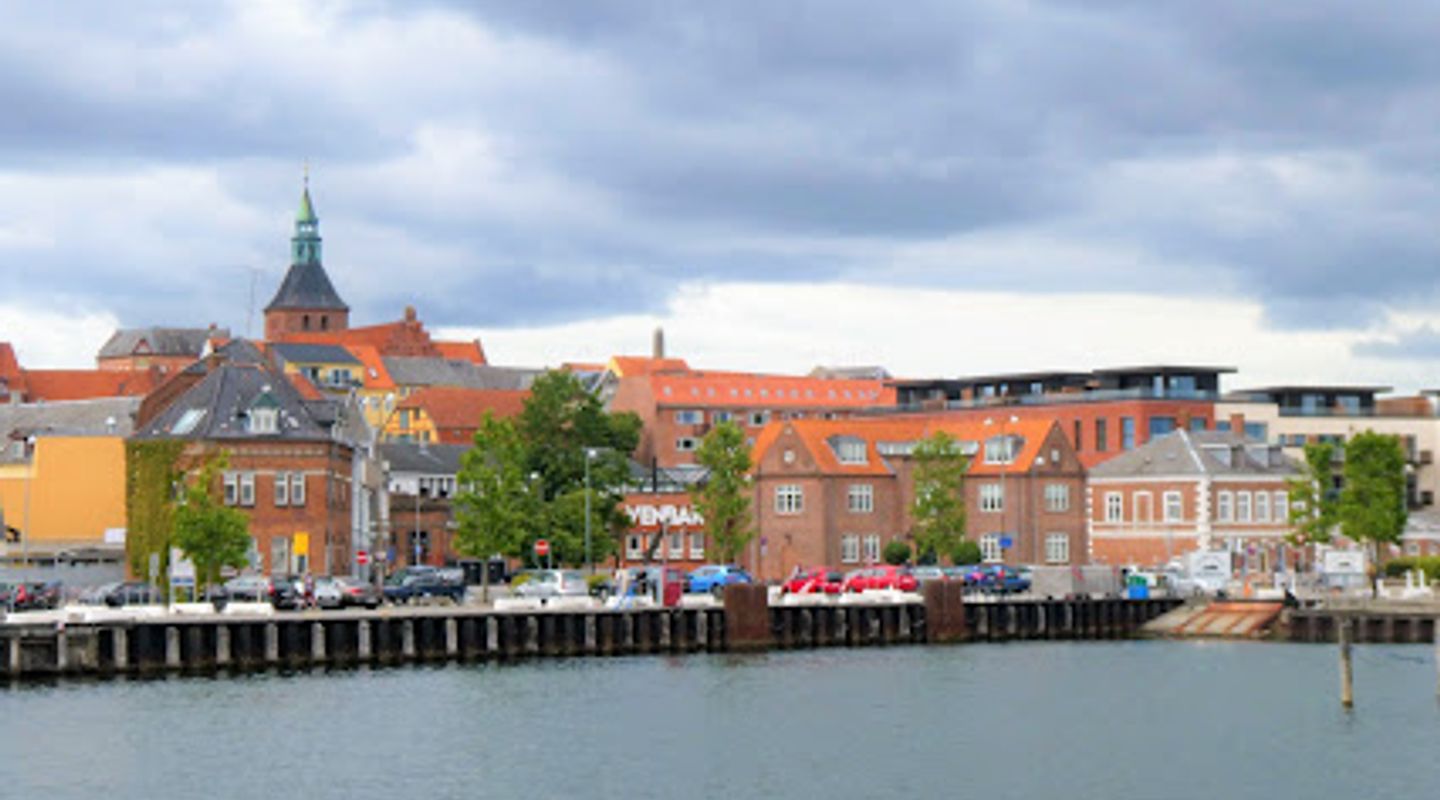
A brief summary of Danmarks Museum for Lystsejlads
Atmospheric harbour-side museum on Frederiksø that brings 150 years of Danish leisure sailing, classic wooden boats and yacht culture vividly to life.
Moored right on Svendborg Harbour, Danmarks Museum for Lystsejlads is Denmark’s dedicated museum of yachting and leisure sailing. Housed in atmospheric former shipyard halls on Frederiksø, it showcases more than 150 years of Danish sailing culture, from classic wooden dinghies and sleek racing yachts to models, gear, photos and logbooks. It is an evocative, hands‑on place where boatbuilding craft, maritime design and summer-on-the-sea nostalgia come together under one roof.
On-site amenities
 Restrooms
 Seating areas
 Trash bins
 Information boards
Opening hours
- Every day11 am–5 pm
Opening hours as listed on the venue’s Google Business Profile. Hours can change for services and special events, so check with the venue before you go.
- Address
- Frederiksø 16F, 5700 Svendborg
- Phone
- Website
Getting there
Train and short walk from Svendborg Station
Local bus within Svendborg
Car or rental car within Funen
Discover more about Danmarks Museum for Lystsejlads
Where Danish yachting stories come ashore
Danmarks Museum for Lystsejlads sits on Frederiksø in Svendborg Harbour, surrounded by masts, rigging and the low thrum of working boats. Inside the former shipyard buildings you step into a world devoted entirely to leisure sailing, from the first simple open boats that took families out on the fjord to the refined racing craft that helped shape modern yacht design. The museum tells how sailing shifted from necessity to recreation, and how that change influenced coastal life all over Denmark.The setting feels fittingly maritime: big doors, salt in the air and glimpses of the harbour between boats and spars. It gives the collection a living backdrop, so you are never far from the real water these craft were built for.
Classic boats, racing legends and working workshops
The core of the museum is its fleet of classic boats, many of them full-size and lovingly restored. You can walk around elegantly lined wooden cruisers, clinker-built dinghies and small family boats that once crowded Denmark’s marinas every summer weekend. Each hull carries its own story, from club regattas to long holiday voyages among the islands.Smaller displays bring you closer to the craft of sailing: original sails and fittings, brass instruments, logbooks and photographs that track more than a century of design and adventure. In the workshop area, preservation work often continues during opening hours, letting you watch traditional boatbuilding skills in action and see how these fragile wooden structures are kept seaworthy.
From local harbour life to national sailing culture
Although the focus is national, Svendborg’s own harbour history runs through the museum. Panels and exhibits show how local clubs, regattas and amateur boatbuilders helped spread yachting from an elite pastime to something many Danes could enjoy. Archive material reveals how new materials such as plywood and fiberglass opened sailing to a wider public, while racing classes and rules helped standardise designs.Photographs and models trace famous designs, influential sailors and well-known Danish yards. The result is a broad picture of how leisure sailing shaped holidays, youth movements and even town planning along Denmark’s coasts and islands.
Harbour atmosphere and exhibitions on shore
Because the museum shares Frederiksø with other maritime activities, the experience spills outside its doors. On the quays you may see classic yachts and museum boats tied up, adding smells of tar, diesel and fresh wood shavings to the impression indoors. Seasonal or temporary exhibitions sometimes bring in themes such as local maritime heritage or changing coastal landscapes, using the tall halls for large-scale objects and installations.Light streaming through big windows, the echo of footsteps on concrete and the quiet creak of rigging outside give the museum an atmosphere that feels both industrial and warmly nostalgic – part archive, part living harbour.
Planning a visit to this floating heritage
The museum’s layout is largely step-free, though decks and some gangways on or around boats can be uneven, so comfortable, stable footwear is recommended. Allow time to read the stories beside the boats and to linger in the workshop area if restoration is underway. On cooler days the halls can feel brisk, reflecting the outdoor temperature, while sunny days make the harbour surroundings particularly inviting.A visit here combines well with a stroll along Svendborg’s waterfront or a break at nearby cafés on the harbour. Whether you are an experienced sailor or simply curious about Danish coastal life, the museum offers a concentrated, well-curated window onto the country’s enduring love affair with the sea.
Evendo Review Centre
 Google
Guest reviews
Best time to go
Quietest: Jan, Feb & Mar · before 8am or at 7pm
Busy times are Evendo estimates for a typical year, to help you plan. Actual crowds vary with events, school holidays and the weather.
Explore Danmarks Museum for Lystsejlads on the map
A handpicked selection of must-see spots near Danmarks Museum for Lystsejlads, mapped for you.
Get your free copy of our complete guide to Danmarks Museum for Lystsejlads, delivered straight to you.
Everything on this page, from opening hours and how to get there to Eve’s tips and the best time to go, in one PDF you can read offline, print or share.
Already have an account? Sign in
Your Danmarks Museum for Lystsejlads guide is ready.
We'll send it to · Not you? Sign out

Getting your guide ready…
We are putting together a fresh copy of the Danmarks Museum for Lystsejlads guide. This can take up to a minute.
This can take a few moments. If your browser asks, choose Allow so the download can start. You'll find the guide in your Downloads folder.
Nothing happened? Download it again
Sorry, the guide is taking longer than usual. Please try again in a minute, or get it by email instead.
Other nearby places you may find interesting
The closest places of the same kind, if this one is not quite what you had in mind.
-
-
-
-
-


Swipe for more places
More to explore near Danmarks Museum for Lystsejlads
-
 Best experiences near Danmarks Museum for Lystsejlads
-
 Best hotels near Danmarks Museum for Lystsejlads
-
 Best landmarks near Danmarks Museum for Lystsejlads
-
 Best attractions near Danmarks Museum for Lystsejlads
-
 Best shops near Danmarks Museum for Lystsejlads
-
 Best restaurants near Danmarks Museum for Lystsejlads
-
 Best bars near Danmarks Museum for Lystsejlads


Do you manage this location?
Take control to get all the benefits, like improved information, better appearance, and stronger visibility across AI-powered discovery.
Explore more

Explore more of Langeland
Discover Langeland: Denmark's idyllic island retreat with scenic landscapes, rich history, and vibrant culture. Perfect for nature lovers, history buffs, and festival goers.
Explore Langeland
Explore more of Denmark
Discover Denmark: A perfect blend of history, modern design, and the cozy concept of hygge. Explore vibrant cities, serene landscapes, and world-class cuisine.
Explore Denmark
