Dueholm Priory Travel Guide
Free Guide: Medieval monastery turned island museum, where centuries of Mors history unfold in atmospheric rooms, intimate courtyards and hands-on exhibitions for all ages.


A brief summary of Dueholm Priory
Medieval monastery turned island museum, where centuries of Mors history unfold in atmospheric rooms, intimate courtyards and hands-on exhibitions for all ages.
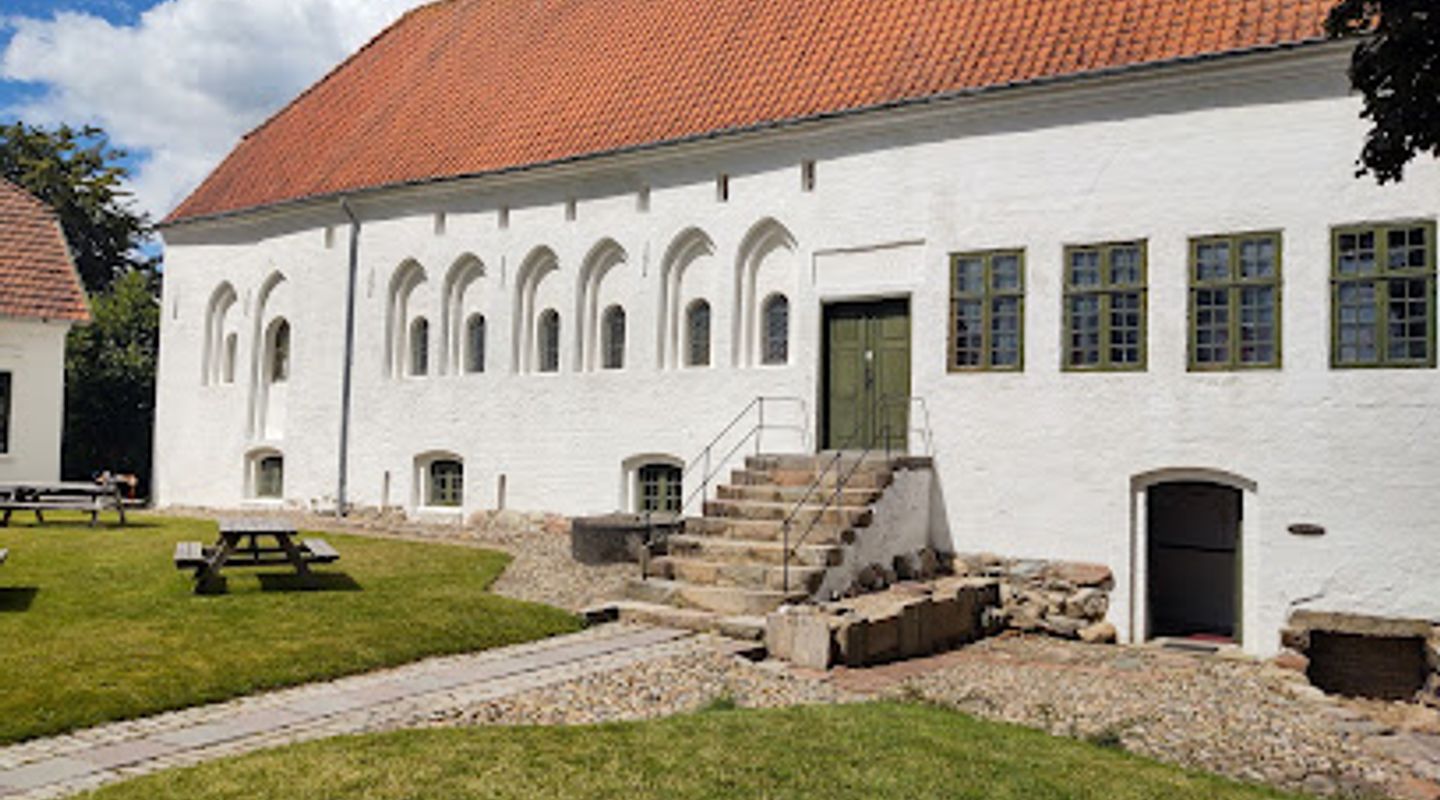
Dueholm Monastery in Nykøbing Mors is a former medieval priory turned town museum, housed in the town’s oldest building. Founded in the 14th century by the Knights Hospitaller, it now showcases the story of Mors from prehistory through the Viking Age to merchant life and modern industry. Across several atmospheric buildings and gardens, you’ll find sacred relics, toys, weapons, fine china and everyday objects, alongside changing exhibitions and family-friendly activities.
On-site amenities
 Restrooms
 Drink options
 Food options
 Seating areas
 Trash bins
 Information boards
Opening hours
- Every day10 am–4 pm
Opening hours as listed on the venue’s Google Business Profile. Hours can change for services and special events, so check with the venue before you go.
- Address
- Dueholmgade 9, 7900 Nykøbing Mors
- Phone
- Website
Getting there
Regional bus
Train plus bus
Car
Discover more about Dueholm Priory
Medieval Priory at the Heart of Nykøbing Mors
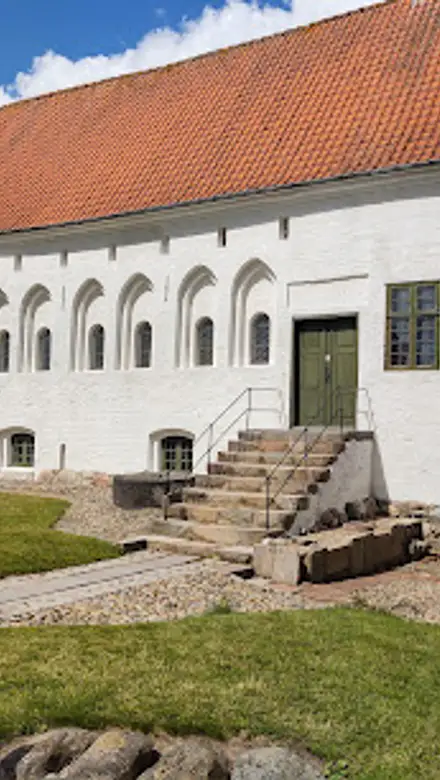
Dueholm Monastery, or Dueholm Kloster, is the oldest surviving building in Nykøbing Mors and the historic heart of the town. Founded in the 14th century by the Order of the Knights of St John, it once served as a priory on the edge of the Limfjord, part of a network of religious houses that shaped life in medieval Denmark. Today only part of the original complex stands, but its stout walls, timber details and thick doors still hint at a time of monks, pilgrims and strict routines of prayer.Wandering into the old wing, you step into cool stone rooms where vaulted ceilings and uneven floors quietly tell of centuries of use. The monastery later became a manor house, and layers of history are visible everywhere: a religious foundation that morphed into a noble residence and, eventually, the town’s main museum.
From Vikings to Merchant Town: The Story of Mors
Inside, the museum presents the cultural history of the island of Mors from ancient times up to the 19th and 20th centuries. Finds from prehistory and the Viking Age share space with exhibits on seafaring, mussel and oyster fishing and the rise of Nykøbing as a busy market town. You can trace how the Limfjord shaped trade and livelihoods, from small-scale fishermen to larger shipping.Other rooms explore local craftsmanship and domestic life: shelves of faience and porcelain, polished glassware, textiles, tools and everyday utensils that once filled farmhouses and merchant homes. Together they form a detailed portrait of how people here lived, worked, dressed and decorated their surroundings over hundreds of years.
Atmospheric Buildings and Garden Corners
The museum is spread across several historic buildings arranged around small yards and a tranquil garden. As you move between them, you shift from dim, cloister-like rooms to lighter galleries and timbered spaces. In summer, the garden becomes an extension of the exhibitions, with herbs and medicinal plants evoking the priory’s former role as a place of care as well as prayer.The ensemble still feels intimate and human in scale. Narrow staircases, low beams and worn doorsteps provide a tactile sense of age, while glimpses of the town outside anchor you in present-day Nykøbing. It is easy to imagine monks, merchants and later museum curators all passing through the same courtyards.
Hands-On History for All Ages
Dueholm Monastery is particularly appealing for families and anyone who enjoys learning by doing. Toy collections recreate children’s worlds from earlier generations, while changing activities can include period dress-up, simple crafts or demonstrations of traditional skills. The breadth of objects, from swords and weapons to dolls and kitchenware, means there is usually something to catch every visitor’s eye.Seasonal special exhibitions add another layer, sometimes focusing on themes like emigration, local industry or particular chapters of island history. Combined tickets allow access to other Museum Mors branches, including the foundry and fossil museums, turning a visit here into the starting point for exploring the wider island.
Quiet Corners, Café Treats and Slow Exploration
On the ground floor of the main building, a small café and shop offer a pause between galleries, with coffee, cake and regional souvenirs echoing the local story told in the exhibits. Seating areas invite you to linger over what you have seen or plan which building to explore next.Because much of the experience unfolds indoors, Dueholm Monastery is rewarding in any weather. On a bright day, light slants through small-paned windows onto old wood and stone; on a wet or windy one, the thick walls make the rooms feel particularly snug. Whether you spend an hour or an entire afternoon, the site offers a calm, reflective encounter with the layered history of Mors and its people.
Evendo Review Centre
 Google
Guest reviews
Best time to go
Quietest: Jan, Feb & Mar · before 9am or at 6pm
Busy times are Evendo estimates for a typical year, to help you plan. Actual crowds vary with events, school holidays and the weather.
Explore Dueholm Priory on the map
A handpicked selection of must-see spots near Dueholm Priory, mapped for you.
Get your free copy of our complete guide to Dueholm Priory, delivered straight to you.
Everything on this page, from opening hours and how to get there to Eve’s tips and the best time to go, in one PDF you can read offline, print or share.
Already have an account? Sign in
Your Dueholm Priory guide is ready.
We'll send it to · Not you? Sign out

Getting your guide ready…
We are putting together a fresh copy of the Dueholm Priory guide. This can take up to a minute.
This can take a few moments. If your browser asks, choose Allow so the download can start. You'll find the guide in your Downloads folder.
Nothing happened? Download it again
Sorry, the guide is taking longer than usual. Please try again in a minute, or get it by email instead.
Other nearby places you may find interesting
The closest places of the same kind, if this one is not quite what you had in mind.
-
-
-
-
-


Swipe for more places
More to explore near Dueholm Priory

 Best experiences near Dueholm Priory
 Best hotels near Dueholm Priory
 Best landmarks near Dueholm Priory
 Best attractions near Dueholm Priory
 Best shops near Dueholm Priory
 Best restaurants near Dueholm Priory
 Best bars near Dueholm Priory
Do you manage this location?
Take control to get all the benefits, like improved information, better appearance, and stronger visibility across AI-powered discovery.
Explore more
Explore more of Limfjord
Discover Limfjord in Denmark: A serene waterway offering a blend of nature, culture, and history with charming villages, Viking sites, and vibrant arts scenes.
Explore Limfjord
Explore more of Denmark
Discover Denmark: A perfect blend of history, modern design, and the cozy concept of hygge. Explore vibrant cities, serene landscapes, and world-class cuisine.
Explore Denmark