Møns Klint, Lolland Falster Travel Guide
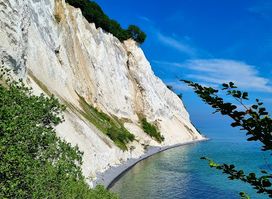
Denmark's most spectacular chalk cliffs rise 130 metres above the Baltic Sea, revealing 70 million years of geological history.
Møns Klint is a UNESCO World Heritage Site featuring Denmark's most spectacular natural wonder: towering white chalk cliffs rising 130 metres above the Baltic Sea on the island of Møn. The GeoCenter offers interactive exhibitions on geological history, 3D cinema experiences, fossil exploration, and outdoor activities including hiking, zip-lining, and tree-top courses. Free access to the cliffs year-round; the GeoCenter operates seasonally from Easter through October.
A brief summary to Møns Klint
- Borre, 4791, DK
- Click to display
- Click to display
- Duration: 2 to 6 hours
- Mid ranged
-
 Outdoor
- Mobile reception: 4 out of 5

Know before you go
Hi, I'm Eve. Here are a few practical things to know before exploring Møns Klint.
- Buy tickets online to save 10% on GeoCenter admission. Children under 3 enter free; children aged 3–11 receive discounted rates.
- Visit outside August if possible; summer crowds can make the staircases congested. Spring, autumn, and winter offer solitude and different atmospheric qualities.
- Wear sturdy footwear with good grip for the staircases. The Maglevand stairs involve 500 steps; the wooden cliff-edge pathway offers an accessible alternative.
- Plan at least half a day to experience both the cliffs and GeoCenter. Combine with nearby attractions like Fanefjord Church or Liselund Castle for a full day itinerary.
- Return at dusk or night to experience the Dark Sky Park designation. The cliffs under moonlight and stars offer a profoundly different and memorable perspective.
Do you manage this location?
Take control to get all the benefits, like improved information, better appearance, and stronger visibility across AI-powered discovery. Learn more about listing your business on Evendo
Activate your presenceOther nearby places you may find interesting
The closest places of the same kind, if this one is not quite what you had in mind.
Explore Møns Klint on the Map
A handpicked selection of must-see spots near Møns Klint, mapped for you.
Getting There
-
Car from Copenhagen
Drive south from Copenhagen via E47/55 motorway toward Møn island, approximately 90 kilometres and 1.5 hours. Take exit 41 if arriving from Zealand or exit 42 if from Falster, then follow signage to Møns Klint. Parking available at GeoCenter for 35 DKK with automatic number plate registration.
-
Train and Bus from Copenhagen
Take train from Copenhagen Central Station to Vordingborg (approximately 1 hour), then bus 667 from Vordingborg to Stege (approximately 30 minutes). From Stege, bus 667 continues to Magleby; from there, walk or cycle 5.5 kilometres to Møns Klint. Bicycles permitted on bus. During summer and holiday periods, free hop-on-hop-off bus serves the entire Møn island including GeoCenter.
-
Bus from Klintholm Harbour
If arriving at Klintholm Harbour, bus 678 operates between May and September, connecting Klintholm Harbour directly to GeoCenter Møns Klint and Liselund Castle. Journey time approximately 15–20 minutes. Outside this period, alternative transport or longer walking routes required.
-
Cycling Route
Møn island is accessible by bicycle from Copenhagen via ferry or road routes. Multiple cycling paths connect surrounding towns to Møns Klint. Bus 667 accepts bicycles, allowing flexible combinations of cycling and public transport. Scenic coastal cycling routes available year-round.
For the on-the-go comforts that matter to you
-
 Restrooms
-
 Drink Options
-
 Food Options
-
 Seating Areas
-
 Sheltered Areas
-
 Picnic Areas
-
 Trash Bins
-
 Information Boards
-
 Visitor Center
Discover more about Møns Klint
Geological Marvel and Natural Heritage
Møns Klint stands as one of Scandinavia's most remarkable natural formations, a UNESCO World Heritage Site shaped over 70 million years of geological history. The towering white chalk cliffs rise dramatically 130 metres above the crystalline waters of the Baltic Sea, their brilliant colour created by ancient marine deposits now gently crumbling into the sea. This dynamic landscape reveals layer upon layer of Denmark's prehistoric past, making it a destination of profound significance for geologists, nature enthusiasts, and anyone seeking to understand the forces that shaped our planet. The cliffs are part of an ancient ecosystem that continues to evolve, with peregrine falcons nesting on the cliff faces and rare plant species thriving in the chalk-rich soil.The GeoCenter Experience
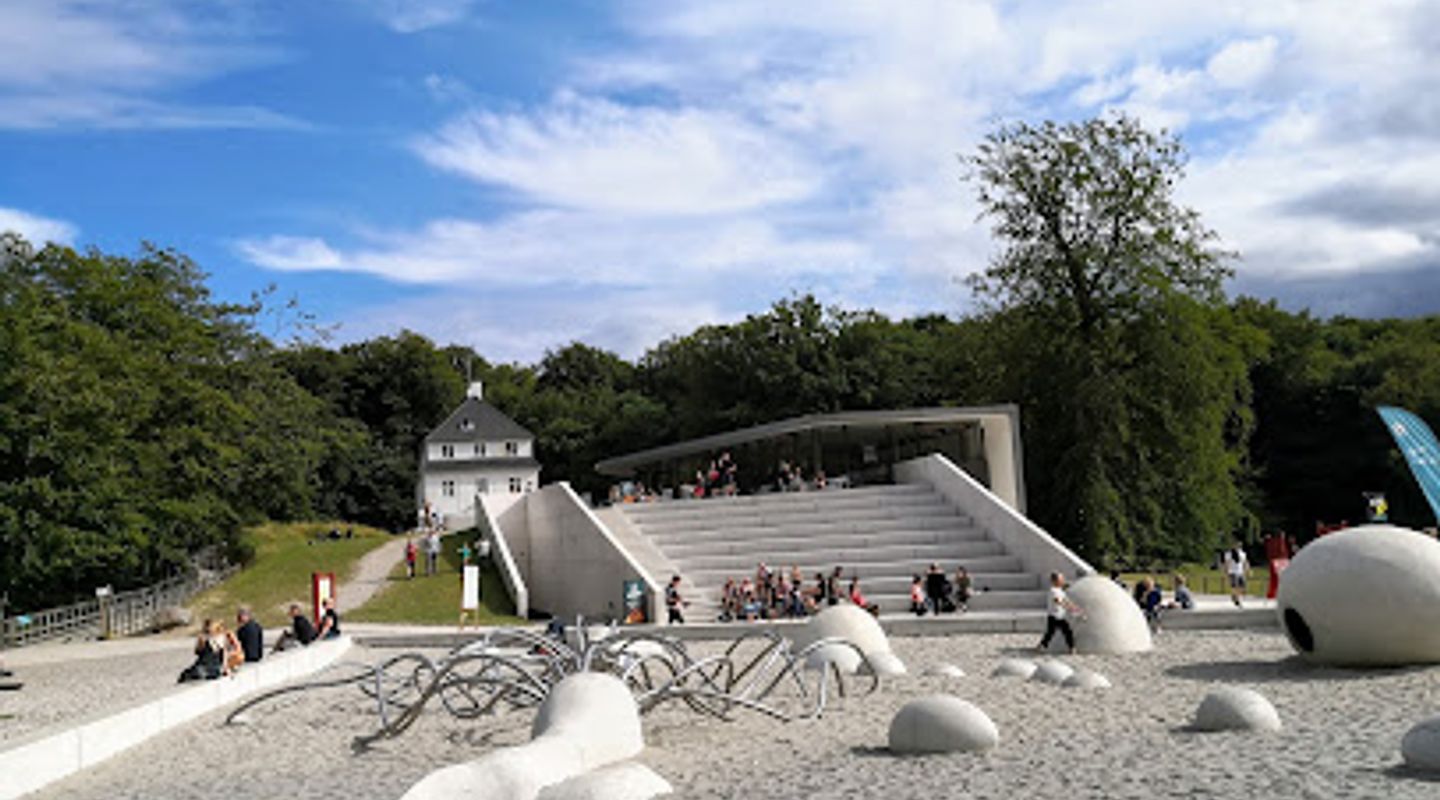
Perched atop the cliffs, GeoCenter Møns Klint transforms geological science into immersive adventure. The centre features a compelling 3D cinema that transports visitors 70 million years into the past, interactive exhibitions exploring Denmark's geological development, and hands-on fossil discovery stations where you can examine ancient marine life preserved in chalk. The facility caters to all ages and abilities, with wheelchair accessibility and rental options available. Beyond the indoor exhibitions, the GeoCenter serves as a gateway to outdoor experiences: guided fossil hunts along the cliff base, professional hiking tours through ancient beech forests, and adventure activities including zip-lining through the treetops and climbing courses for those seeking adrenaline-fuelled challenges.Exploring the Landscape
The five monumental staircases descending from the cliff top offer varying levels of challenge, with the iconic Maglevand stairs presenting 500 steps of descent and ascent. A 267-metre wooden pathway winds along the cliff edge to Freuchens Pynt viewpoint, providing accessible panoramic vistas without requiring the full staircase commitment. Hiking trails meander through the surrounding landscape, including the award-winning Klintekongens Rige route, which winds through primeval beech forests and has been recognised as Europe's best hiking trail. The clear waters below invite water-based exploration, with opportunities for stand-up paddleboarding, sailing, and snorkelling to experience the underwater ecosystem.Seasonal Rhythms and Visitor Facilities
The GeoCenter operates seasonally from Easter through the end of October, with varying hours reflecting peak and shoulder seasons. The cliffs themselves remain accessible year-round, free of charge, allowing visitors to experience their raw beauty in any season. A café at the centre serves coffee, light meals, and homemade ice cream, with indoor seating and a terrace overlooking the cliffs. Facilities include restrooms open daily from 06:00 to 22:00, disabled toilet access, and a visitor information desk. Parking is available at the GeoCenter for a modest fee, with automatic number plate registration and payment via machine.Dark Sky Heritage and Nocturnal Wonder
Møns Klint holds the distinction of being Scandinavia's first Dark Sky Park, a designation reflecting the exceptional clarity of night skies in this region. Evening visits reveal a starlit landscape of remarkable purity, with the chalk cliffs glowing softly under moonlight and the Milky Way stretching across the sky. This nocturnal dimension adds a contemplative, almost spiritual quality to the experience, particularly for those seeking solitude and connection with the natural world beyond daylight hours.












Your all‑in‑one travel companion app
Explore expert travel guides, compare and book tours, experiences, hotels, and more—all from the palm of your hand. Download now for seamless trip planning wherever your wanderlust takes you.


Explore More of Lolland Falster
Looking beyond Møns Klint? Discover Lolland Falster for broader travel guides, local hot-spots, and regional highlights.
Explore Lolland Falster