Background

Museum Silkeborg – Papirmuseet (Paper Museum)

A former paper factory turned living museum, where Silkeborg’s industrial past, banknote secrets and hands-on papermaking come vividly to life.

4.5

Set in the former Silkeborg Paper Factory, Museum Silkeborg’s Papirmuseet is a compact, hands-on museum devoted to the story of paper and the mill that helped create modern Silkeborg. Exhibitions trace Danish papermaking from water-powered vats to industrial machines, with a special focus on the banknote paper once produced here. Live demonstrations and workshops let you try pulling your own sheet of handmade paper, making this a tactile, family-friendly stop in the regenerated Papirfabrikken district by the river.

A brief summary to Museum Silkeborg, Papirmuseet

  • Papirfabrikken 78, Silkeborg, 8600, DK
  • +4586854564
  • Visit website
  • Duration: 1 to 2 hours
  • Budget
  • Environment icon Indoor
  • Mobile reception: 4 out of 5

Local tips

  • Check current opening hours in advance; the Paper Museum operates with seasonal schedules and may only open daily in peak months.
  • Aim to join a papermaking demonstration or workshop so you can pull and keep your own handmade sheet as a souvenir.
  • Combine your visit with a walk around the Papirfabrikken district to see how the former factory complex has been transformed.
  • Families should bring a small bag or folder to safely carry home any damp or delicate paper creations from the workshop.
  • If you are interested in views, enquire about guided access to the nearby Paper Tower for a 70-metre-high panorama over Silkeborg.
widget icon

Getting There

  • Train and short walk from Silkeborg Station

    From elsewhere in Jutland, regional trains connect to Silkeborg Station from cities such as Aarhus and Herning in roughly 35–60 minutes, with standard adult fares typically around 80–120 DKK one way depending on distance and ticket type. From the station, expect a level urban walk of about 15–20 minutes through the town centre to the Papirfabrikken area. Pavements are generally smooth and suitable for wheelchairs and strollers, though weather can make conditions wet or icy in winter.

  • City bus within Silkeborg

    Local city buses serve stops near the Papirfabrikken district from different neighbourhoods of Silkeborg, usually taking 10–20 minutes of travel time. Single tickets bought on board or via transport apps are typically in the range of 20–30 DKK for adults, with discounts for children. Service is less frequent in evenings and on weekends, so check timetables in advance. Buses are low-floor on most routes, allowing step-free boarding for wheelchairs and prams.

  • Car or rental vehicle

    Arriving by car from nearby towns such as Aarhus or Viborg usually takes about 35–50 minutes on main roads under normal traffic. Fuel costs vary, but you can roughly expect 40–80 DKK in fuel for a return trip from regional cities, depending on distance and vehicle efficiency. The Papirfabrikken district offers parking areas, though spaces can be busier on weekends and school holidays. Surfaces are paved, and access from parking to the museum is short and level, but always observe local parking rules and time limits.

  • Cycling within Silkeborg

    For visitors already in Silkeborg, cycling to Papirmuseet is a practical option, usually taking 5–15 minutes from most central accommodation. The town has a network of bike lanes and relatively gentle terrain, though you may encounter occasional short inclines and mixed-traffic sections. Using your own bike is free; rental bikes, where available, generally cost around 100–150 DKK per day. Keep in mind that strong winds, rain or winter conditions can make the ride less comfortable.

Museum Silkeborg, Papirmuseet location weather suitability

  • Weather icon Any Weather
  • Weather icon Rain / Wet Weather
  • Weather icon Cold Weather
  • Weather icon Mild Temperatures
  • Weather icon Hot Weather

Unlock the Best of Museum Silkeborg, Papirmuseet

Buy tickets

    No tickets available

Book tours with entry

    No tours available

Book tours without entry

    No tours available

Discover more about Museum Silkeborg, Papirmuseet

From industrial mill to living paper museum

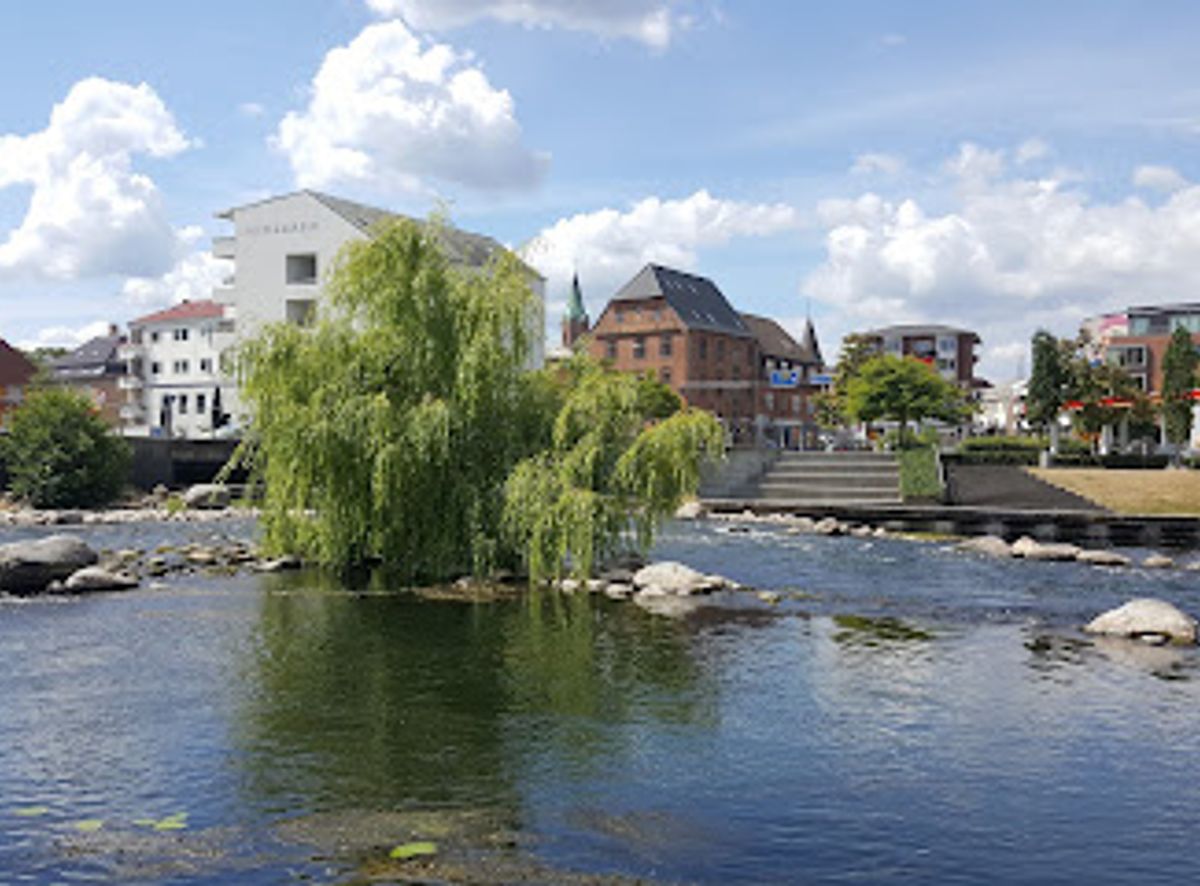
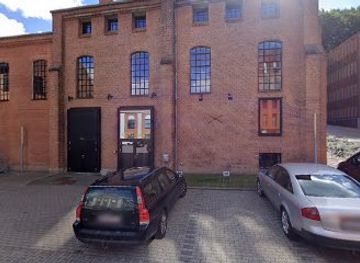
Papirmuseet occupies part of the old Silkeborg Paper Factory, the industrial complex that effectively gave birth to the town in the 19th century. Inside the brick buildings, you step into the story of how a quiet lakeside area became a humming mill town, powered by water, steam and the growing demand for paper. The museum preserves elements of the factory’s interior, so pipes, beams and industrial details still hint at its working past. The permanent displays explain how paper went from rare, hand-crafted sheets to an everyday material at the heart of administration, newspapers and packaging. Illustrated panels and artefacts show how the mill expanded, modernised and eventually closed around 2000, leaving behind buildings that have since been transformed into a cultural quarter.

Banknotes, security paper and national stories

One of the most distinctive chapters told here is the production of paper for Danish banknotes and securities. For decades, the Silkeborg mill supplied the highly controlled paper used for money, stamps and other documents that demanded both durability and security. The museum presents this story through samples, tools and explanations of techniques such as watermarks and fibres that are invisible at first glance. As you move through the exhibits, you gain a sense of how closely the town’s fortunes were tied to this specialised production. Photographs and historic documents show workers on the factory floor, rolls of paper being shipped out, and the gradual shift from national importance to redundancy as technology and global markets changed.

Hands-on craft: making your own sheet

What sets Papirmuseet apart is the chance to experience papermaking as a craft rather than just an industrial process. In the wet workshop area, staff demonstrate how rags or pulp are stirred into a watery suspension, then caught on a framed screen. With a steady pair of hands, you can try dipping the mould yourself, lifting it to see a milky layer settle into the outline of a future sheet. The sheet is then couched onto felt, pressed and dried, revealing a tangible reminder of a process that is usually hidden behind factory walls. For children, the transformation from liquid pulp to a crisp sheet they can take home is a small piece of everyday magic. For adults, it is a reminder of how much human skill once went into something as ordinary as a blank page.

Exhibitions in a reborn riverside district

Beyond the workshop, exhibition rooms explore Danish papermaking more broadly, from early mills to present-day studios. Displays highlight tools, moulds, rollers and machine components, alongside examples of decorative and specialty papers. Temporary exhibitions occasionally showcase contemporary paper art, design or graphic work that riffs on the material’s textures and translucency. Outside the museum doors, the Papirfabrikken area has been redeveloped into a mixed-use quarter of cafés, offices, housing and cultural venues along the river. The preserved industrial silhouettes give the area a distinctive character, and the museum helps interpret what these chimneys, halls and warehouses once meant for the town.

Views from the Paper Tower and time well spent

A notable feature connected with the museum is the Paper Tower nearby, a slender structure reaching about 70 metres above ground. Accessed on a guided visit arranged in advance, it offers a striking bird’s-eye view over Silkeborg, the lakes and surrounding forested hills. Seen from above, the old factory buildings nestle among modern architecture, underlining how the paper story remains woven into the cityscape. Most visitors spend around one to two hours exploring the exhibitions and taking part in any available activities. Combined with a stroll through the riverside district or a wider day exploring Museum Silkeborg’s other departments in town, Papirmuseet slots neatly into a cultural itinerary while offering something distinctively tactile and local.

Busiest months of the year

Busiest hours of the day

Popular Experiences near Museum Silkeborg, Papirmuseet

Popular Hotels near Museum Silkeborg, Papirmuseet

Select Currency