
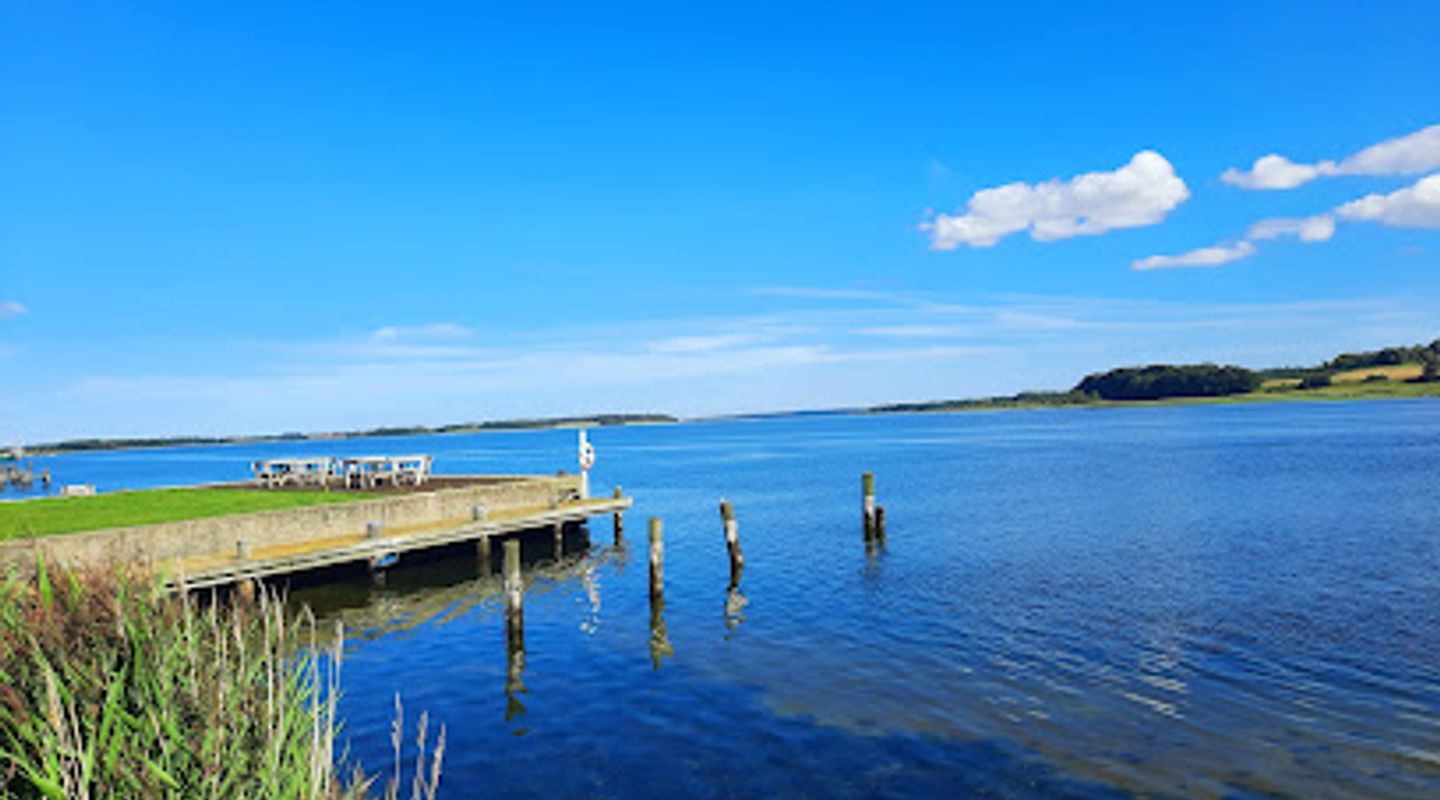
Mariager Fjord, East Jutland Travel Guide
Denmark's longest fjord winds through pristine Jutland landscapes, offering unspoilt nature, charming villages, and exceptional outdoor adventures.
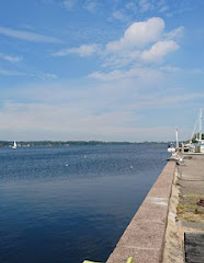
Denmark's longest fjord stretches 35 kilometers inland from the Kattegat Sea through Jutland's Himmerland region, winding past steep forested hills, salt meadows, and charming fishing villages. This pristine waterway offers exceptional opportunities for hiking, cycling, sailing, and wildlife observation, with the picturesque town of Mariager serving as its cultural heart. The fjord's dramatic landscape—featuring depths reaching 30 meters and surrounding hills rising 100 meters—creates one of Scandinavia's most unspoilt natural experiences.
A brief summary to Mariager Fjord
- DK
- Duration: 2 to 5 hours
- Free
-
 Outdoor
- Mobile reception: 4 out of 5

Know before you go
Hi, I'm Eve. Here are a few practical things to know before exploring Mariager Fjord.
- Visit Mariager's Saltcenter to experience the unique Dead Sea-like saltwater pool where high salt content allows effortless floating—a distinctive wellness experience found nowhere else in Denmark.
- Hike the Panorama Trail from Hobro Marina or the 12.2-kilometer Mariager circular route to experience certified premium walking paths through changing landscapes, forests, and Bronze Age burial mounds.
- Explore Rold Skov, Denmark's largest forest at 8,000 hectares, by foot or horseback to experience ancient woodland and pristine natural conditions rarely found in modern Denmark.
- Cycle Route 32, a 60-kilometer loop following the fjord's contours, for flexible exploration at your own pace with multiple access points and rest stops in small villages.
- Visit Mariager town in late spring or early summer when roses bloom throughout the half-timbered houses, creating the most photogenic period for exploring the Town of Roses.
Do you manage this location?
Take control to get all the benefits, like improved information, better appearance, and stronger visibility across AI-powered discovery. Learn more about listing your business on Evendo
Activate your presenceOther nearby places you may find interesting
The closest places of the same kind, if this one is not quite what you had in mind.
Explore Mariager Fjord on the Map
A handpicked selection of must-see spots near Mariager Fjord, mapped for you.
Getting There
-
Car Rental from Aalborg Airport
Fly to Aalborg Airport, approximately 1 hour drive south of Mariager Fjord. Rent a car at the airport and drive south toward Mariager town or other fjord access points. This option provides maximum flexibility for exploring the entire 35-kilometer fjord system and surrounding regions. Typical car rental costs range from 40–80 EUR per day depending on vehicle class and season.
-
Car Rental from Billund Airport
Fly to Billund Airport in central Jutland, approximately 2 hours drive south of Mariager Fjord. Rent a car and drive north toward the fjord region. This option works well if combining Mariager with other Jutland destinations. Typical car rental costs range from 40–80 EUR per day depending on vehicle class and season.
-
Train and Bus from Copenhagen
Take a train from Copenhagen to Aalborg (approximately 6–7 hours) or to Aarhus (approximately 4 hours), then connect via regional bus services toward Mariagerfjord municipality. Journey times vary by connection; total travel typically requires 7–9 hours. Bus fares range from 15–40 EUR depending on distance and operator. This option suits travelers without driving experience but requires more time planning.
-
Ferry and Car from Copenhagen via Aarhus
Drive from Copenhagen toward Aarhus (approximately 4 hours), then take a ferry crossing or continue by road to Mariager Fjord (additional 1–2 hours depending on route). This scenic option combines driving with maritime experience and works well for travelers combining Copenhagen with fjord exploration. Ferry costs vary; total journey typically requires 6–8 hours including ferry time.
For the on-the-go comforts that matter to you
-
 Restrooms
-
 Food Options
-
 Drink Options
-
 Drinking Water
-
 Seating Areas
-
 Picnic Areas
-
 Information Boards
-
 Visitor Center
Discover more about Mariager Fjord
A Fjord of Unparalleled Length and Character
Mariager Fjord stretches approximately 35 kilometers inland from the Kattegat Sea, making it Denmark's longest fjord and the second longest in the country overall. Geologically classified as an inlet of the förde type rather than a true glacial fjord, it cuts deeply into the Jutland peninsula, reaching depths of up to 30 meters in its inner basin. The fjord's width varies dramatically, narrowing from 4.5 kilometers at its mouth to just 250 meters at its narrowest point near the historic Hadsund Bridge. This variation in width creates distinct ecological zones and landscape experiences as visitors travel from the outer coastal areas toward the inner fjord.Landscape Transitions: From Salt Marshes to Ancient Forests
The fjord's surrounding landscape transforms dramatically along its length, revealing Denmark's diverse natural heritage. The outer reaches feature preserved salt meadows and the Ajstrup Krat forest, where unspoilt wilderness supports abundant wildflower populations and diverse wildlife. Moving inland, the landscape transitions to agricultural areas marked by traditional dikes and farmland, including the majestic Overgård Manor and its characteristic windmill. The inner fjord is surrounded by steep, high hills and dense forests, with old trees often rooting directly at the water's edge. These forested slopes rise approximately 100 meters above sea level, creating dramatic panoramic views. Rold Skov, Denmark's largest forest at 8,000 hectares, dominates the southern landscape and offers extensive opportunities for exploration on foot or horseback.The Town of Roses and Cultural Heritage
Mariager, the fjord's namesake town, sits on the southern shore and serves as the cultural and historical anchor of the region. Known as the Town of Roses, Mariager features narrow cobblestone streets lined with colorful half-timbered houses adorned with blooming roses in multiple hues. The town's most prominent landmark is Klosterkirke, one of Denmark's oldest monastic churches, which stands as a visible testament to medieval religious life. The Mariager Saltcenter represents a unique modern attraction, featuring subterranean salt mines and a saltwater pool reminiscent of the Dead Sea, where high salt content allows effortless floating. This combination of historical architecture and contemporary wellness facilities makes Mariager a distinctive destination along the fjord.Outdoor Recreation and Active Exploration
The fjord region offers exceptional opportunities for active travelers. The Panorama Trail, a ten-kilometer certified Premium Walking Trail recognized by Deutsches Wanderinstitut, begins at Hobro Marina and winds through changing landscapes of woodland, hills, and small towns. The Mariager Hiking Route, a 12.2-kilometer circular trail starting from Mariager town, leads through natural areas including Alstrup Krat and the Oksendal Valley, passing Hohøj, said to be Scandinavia's largest Bronze Age burial mound. Route 32, a 60-kilometer cycling route, follows the fjord's contours and provides accessible exploration for cyclists. The fjord's calm waters support sailing, fishing for well-nourished trout, and kayaking from multiple yachting harbours including Kongsdal and Mariager facilities.Beaches and Water-Based Experiences
Multiple beaches along the fjord cater to different preferences and age groups. Mariager Beach, a small man-made sandy beach east of the marina, offers easy access from the town center. Færgehagen Strand provides swimming facilities with a jetty, while Øster Hurup is recognized as Denmark's most child-friendly beach. The fjord's saltwater and freshwater lakes throughout the region support swimming and water recreation year-round, with summer months offering the most comfortable conditions. The combination of sandy beaches, natural swimming areas, and water sports facilities makes the fjord accessible to visitors of varying interests and abilities.Ecological Significance and Wildlife Habitat
Mariager Fjord functions as an important ecological zone within Denmark's protected natural areas. The fjord's designation as a protected site reflects its significance for wildlife and plant diversity. Eel grass establishment in specific zones supports marine ecosystems, while the surrounding forests and salt meadows provide habitat for numerous bird species and terrestrial wildlife. The preserved areas, particularly around Ajstrup Bugt and Ajstrup Krat, maintain unspoilt conditions that allow visitors to observe natural processes and wildlife diversity. The fjord's water exchange system, flowing through the river channel past Hadsund into the deep inner basin, creates dynamic ecological conditions that support the trout populations for which the fjord is known among anglers.












Your all‑in‑one travel companion app
Explore expert travel guides, compare and book tours, experiences, hotels, and more—all from the palm of your hand. Download now for seamless trip planning wherever your wanderlust takes you.


Explore More of East Jutland
Looking beyond Mariager Fjord? Discover East Jutland for broader travel guides, local hot-spots, and regional highlights.
Explore East Jutland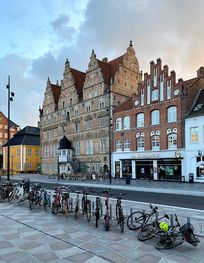
Aalborg’s most flamboyant Renaissance mansion, where a 17th‑century merchant’s ambition still lives on in carved stone, gargoyles and a centuries‑old pharmacy.
Denmark's most beautiful fjord meets a thriving sailing community in this welcoming maritime harbor.
