Yellow Palace Travel Guide
Free Guide: A small ochre villa near Denmark’s southern tip, the Yellow Palace reveals Gedser’s maritime past and village character through intimate exhibits and a warmly familiar setting.


A brief summary of Yellow Palace
A small ochre villa near Denmark’s southern tip, the Yellow Palace reveals Gedser’s maritime past and village character through intimate exhibits and a warmly familiar setting.
The Yellow Palace in Gedser is a distinctive ochre‑coloured villa close to Denmark’s southern tip, housing a small local exhibition and stories about Gedser, the ferry port and surrounding Falster coast. Set along quiet Stationsvejen, it mixes historic charm with a homely, informal feel: a place to browse curiosities, photographs and local tales, then step back outside to wander the calm streets, the harbourfront and the windswept Baltic shoreline nearby.
On-site amenities
 Restrooms
 Trash bins
 Information boards
Opening hours
- Mon11 am–5 pm
- Tue11 am–5 pm
- Wed11 am–5 pm
- Thu9 am–5 pm
- Fri11 am–5 pm
- Sat11 am–5 pm
- Sun11 am–5 pm
Opening hours as listed on the venue’s Google Business Profile. Hours can change for services and special events, so check with the venue before you go.
- Address
- Stationsvejen 20, 4874 Gedser
- Phone
- Website
Getting there
Car from Nykøbing Falster
Regional bus within Falster
Ferry passenger via Gedser port
Discover more about Yellow Palace
A golden landmark at Denmark’s southern edge
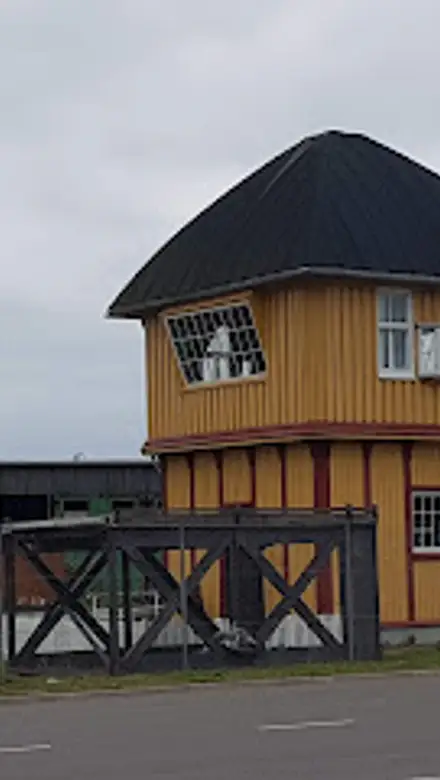
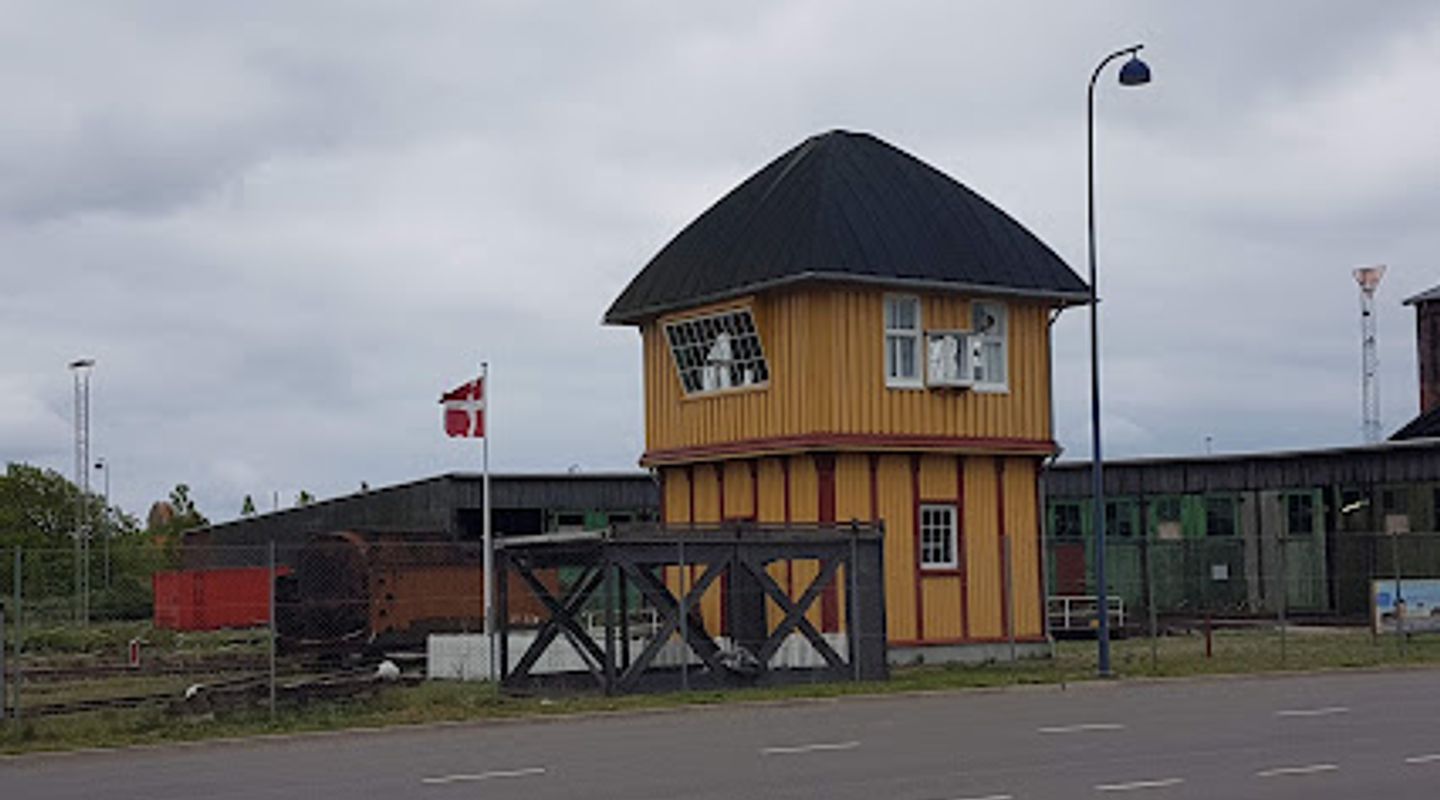
The Yellow Palace, or Det Gule Palæ, stands out immediately on Stationsvejen with its warm ochre façade, white-framed windows and compact, villa-like proportions. A short distance from the harbour and ferry terminal, it feels almost like the town’s living room, catching the soft coastal light that shifts through the day. This is not a grand royal residence but a modest, characterful house that has become one of Gedser’s most recognisable sights.From the outside, the building forms a gentle contrast with the open sky and low, windswept landscape that surrounds Gedser. Decorative details hint at early 20th-century tastes: pitched roofs, small dormers and simple ornamentation give it a slightly old-fashioned charm. The yellow paint, practical in a climate of shifting light and sea mists, has become its defining feature and the source of its name.
Stories of Gedser, ferries and the Baltic coast
Inside, the Yellow Palace hosts an intimate exhibition focused on Gedser and the surrounding Falster coast. Displays typically combine archival photographs, maps, documents and small objects that bring local history to life. Maritime themes and the story of the ferry connection to Germany often take centre stage, underlining Gedser’s role as a gateway between Scandinavia and continental Europe.You may encounter panels about the development of the port, tales of storms and shipwrecks, or personal histories of families who worked in shipping, railway and customs. In some seasons, temporary exhibits add layers of detail, from cultural events to changing everyday life in this small community. The tone is informal and curious rather than academic, rewarding visitors who like to read details and piece together a place from its fragments.
A calm indoor stop in a windswept town
Stepping into the Yellow Palace is a welcome shift from the exposed Baltic breeze outside. Rooms are modest in scale, with creaking floors and daylight filtering through relatively small windows, enhancing the sense of stepping into another era. Even when several people are present, the atmosphere tends to remain calm and unhurried, inviting you to take your time with the exhibits.Because Gedser itself is small, visiting the Yellow Palace easily fits into a broader wander. It is often combined with a stroll to the harbour, a look at the southernmost point of Denmark and an exploration of nearby attractions such as Gedser Remise railway museum. For many travellers, it becomes an interpretive stop: the place where disparate impressions of the town and coastline coalesce into a clearer narrative.
Seasons, light and the surrounding streets
The character of the Yellow Palace shifts subtly with the seasons. In spring and summer, the façade glows against greenery and bright skies; in autumn and winter it can appear more muted, a warm punctuation mark amid bare trees and grey seas. When flowers and small gardens are in bloom nearby, the building feels almost Mediterranean despite the northern latitude.The streets around Stationsvejen remain low-rise and quiet, with a mix of homes and small businesses that emphasise Gedser’s village-like scale. From here it is an easy walk to viewpoints over the water or to the lighthouse and dunes further afield. The Yellow Palace’s central position means it often becomes both a visual reference point and a natural pause during exploration.
Planning your visit inside opening hours
Typical opening hours run late morning to late afternoon on most days, with a slightly earlier start one weekday, and limited hours outside the main season, so timing your visit is important if you want to see the interior displays. Many visitors allow around an hour to browse the rooms, read the stories and enjoy a short break from the elements before continuing towards the harbour or shoreline.There is no need for elaborate preparation: a light layer for changing weather, curiosity about local history and perhaps a camera to capture the distinctive façade are usually enough. Whether you are pausing between ferries, exploring Falster by road or staying nearby, the Yellow Palace offers a compact but evocative introduction to Denmark’s southern edge.
Evendo Review Centre
 Google
Guest reviews
Best time to go
Quietest: Jan, Feb & Mar · before 8am or at 7pm
Busy times are Evendo estimates for a typical year, to help you plan. Actual crowds vary with events, school holidays and the weather.
Explore Yellow Palace on the map
A handpicked selection of must-see spots near Yellow Palace, mapped for you.
Get your free copy of our complete guide to Yellow Palace, delivered straight to you.
Everything on this page, from opening hours and how to get there to Eve’s tips and the best time to go, in one PDF you can read offline, print or share.
Already have an account? Sign in
Your Yellow Palace guide is ready.
We'll send it to · Not you? Sign out

Getting your guide ready…
We are putting together a fresh copy of the Yellow Palace guide. This can take up to a minute.
This can take a few moments. If your browser asks, choose Allow so the download can start. You'll find the guide in your Downloads folder.
Nothing happened? Download it again
Sorry, the guide is taking longer than usual. Please try again in a minute, or get it by email instead.
Other nearby places you may find interesting
The closest places of the same kind, if this one is not quite what you had in mind.
-
-
-
-
-


Swipe for more places
More to explore near Yellow Palace

 Best experiences near Yellow Palace
 Best hotels near Yellow Palace
 Best landmarks near Yellow Palace
 Best attractions near Yellow Palace
 Best shops near Yellow Palace
 Best restaurants near Yellow Palace
 Best bars near Yellow Palace
Do you manage this location?
Take control to get all the benefits, like improved information, better appearance, and stronger visibility across AI-powered discovery.
Explore more

Explore more of Lolland-Falster
Discover Lolland-Falster: Denmark's serene southern islands with stunning beaches, historic castles, and charming coastal towns offering a perfect blend of nature and culture.
Explore Lolland-Falster
Explore more of Denmark
Discover Denmark: A perfect blend of history, modern design, and the cozy concept of hygge. Explore vibrant cities, serene landscapes, and world-class cuisine.
Explore Denmark